
Paul Craig Roberts: Iran Turns the Tables, Trump's Retreat in DISARRAY
YouTube · _b8f7KcwfNg
Quick Read
Summary
Takeaways
- ❖Paul Craig Roberts believes Donald Trump's actions, such as the digital passport initiative, are fueling animosity and 'manufacturing assassins' against him.
- ❖Roberts asserts that Iran is committing a 'strategic blunder' by entering negotiations with the US and Israel, as these talks do not address the core issue of Israel's 'Greater Israel' agenda.
- ❖Iran had a unique military advantage, having destroyed US and Israeli radars and depleted their interceptor missile supplies, which it failed to press.
- ❖Roberts argues that Iran should have continued its attacks to force a change in Israeli leadership, potentially electing a non-Zionist coalition willing to abandon the 'Greater Israel' policy.
- ❖The US, along with Russia and China, is seen as pressuring Iran into a ceasefire that ultimately benefits Israel by allowing it to rebuild its defenses.
- ❖Roberts dismisses European statements on the conflict as politically motivated and lacking real influence, particularly Germany's concerns about economic impact.
Insights
1Trump's Policies Fuel Domestic Animosity and Attacks
Paul Craig Roberts suggests that the intense hatred in American politics, exemplified by Hillary Clinton's 'deplorables' comment, has created an environment where assassination attempts on figures like Donald Trump are a direct consequence. He specifically points to Trump's proposed executive order for a new digital passport, which would be required for voting and establish a 'surveillance state,' as a policy that generates significant animosity and 'manufactures assassins' among the populace.
Host details three attacks on Trump (Butler, golf course, White House correspondents dinner). Roberts cites Hillary Clinton's 'deplorables' remark and Trump's proposed digital passport requirement for voting, which he views as an excuse to put Americans in a 'digital prison.'
2Iran's Strategic Blunder: Negotiating Away Victory
Roberts argues that Iran is making a profound strategic error by engaging in negotiations with the United States and Israel. He believes Iran had a decisive military advantage, having destroyed US and Israeli radar systems and forced them to deplete their interceptor missile supplies. By pausing its offensive and entering negotiations, Iran is 'pissing away' its chance for victory, allowing its adversaries to regroup and rebuild their defenses.
Roberts states, 'Iran may piss away their chance at victory and kick the can down the road.' He adds, 'Iran is basically abandoning its chance, a good chance for victory... by destroying the radars of the US and Israel... by forcing the United States and Israel to use up their supply of interceptor missiles.'
3The 'Greater Israel' Agenda as the Core Conflict
According to Roberts, the fundamental issue in the Middle East is the 'aggressive Zionist policy of greater Israel,' which he interprets as an agenda for the 'extermination' of Iran, similar to what happened in Iraq, Libya, and Syria. He asserts that any negotiations that do not directly address and dismantle this Zionist agenda are pointless and will not bring lasting peace, as Israel will continuously break agreements.
Roberts states, 'What the issue is is the aggressive Zionist policy of greater Israel. And nothing in any of the negotiations deals with this problem.' He later adds, 'The Zionist agenda of greater Israel means the extermination of Iran just like it meant the extermination of Iraq, Libya, and Syria.'
4Missed Opportunity to Influence Israeli Elections
Roberts contends that Iran had a unique opportunity to influence Israeli domestic politics. By continuing its military pressure and inflicting suffering on the Israeli populace, Iran could have highlighted the high cost of Netanyahu's 'Greater Israel' agenda. This pressure, he suggests, would have likely led to Netanyahu's defeat in upcoming elections, paving the way for a coalition of former prime ministers (like Bennett) who are prepared to 'disavow the Zionist agenda' and potentially bring genuine peace to the region.
Roberts explains, 'If Israel was suffering under attack, the consequences of having this agenda of greater Israel, the chances are great that this coalition rising against Netanaya would win and they are prepared apparently to disavow the greater Israel agenda.'
Bottom Line
Iran's pursuit of negotiations, influenced by external powers like Russia and China, is a critical strategic error that undermines its military advantage and prolongs the conflict.
This approach allows Israel and the US to regroup, rearm, and continue their 'Greater Israel' agenda without facing decisive military consequences, ultimately jeopardizing Iran's long-term security and existence.
Instead of negotiating, Iran should have maintained military pressure to force a political shift within Israel, leading to the ousting of Zionist leadership and the abandonment of expansionist policies, which Roberts believes is the only path to genuine peace.
The US is manipulating global powers (Russia, China, Pakistan) to pressure Iran into a ceasefire, effectively acting as an agent for Israel's strategic interests.
This demonstrates the depth of US commitment to Israel's agenda, even at the cost of its own geopolitical standing and the perpetuation of regional conflict, making any US-brokered 'peace' deal inherently biased and unsustainable.
Iran should expose this dynamic to the international community, framing the US as a proxy for Israeli expansionism, to garner greater global sympathy and support for its defensive actions, rather than falling into a negotiation trap.
Lessons
- For Iran: Re-evaluate the utility of negotiations with the US and Israel, especially if they do not directly address the 'Greater Israel' agenda. Consider leveraging military advantage to achieve political shifts within Israel.
- For international observers: Scrutinize 'peace' initiatives in the Middle East for underlying agendas, particularly the 'Greater Israel' policy, and assess whether they genuinely aim for lasting resolution or merely a pause in conflict.
- For US citizens: Critically examine US foreign policy in the Middle East, questioning whether it serves American interests or primarily those of external actors, and the domestic implications of such policies (e.g., surveillance state proposals).
Quotes
"You no longer debate with your opponent. You try to exterminate them. You know, this was what Linen brought to politics. He said the the point is to strike the opponent, not to convince him."
"They're using immigrants as an excuse to put Americans in a digital prison."
"There's no negotiation they can have with the United States and Israel that will mean anything. And the longer a ceasefire exists, the uh the more prepared Israel and the United States will be to renew the conflict."
"The Zionist agenda of greater Israel is Zionist and it's represented in Israeli politics by Netan Au and his far rightwing coalition."
"If every time they get the upper hand and Washington says ceasefire, ceasefire, they give a ceasefire, they'll never win. Iran will never win."
Q&A
Recent Questions
Related Episodes
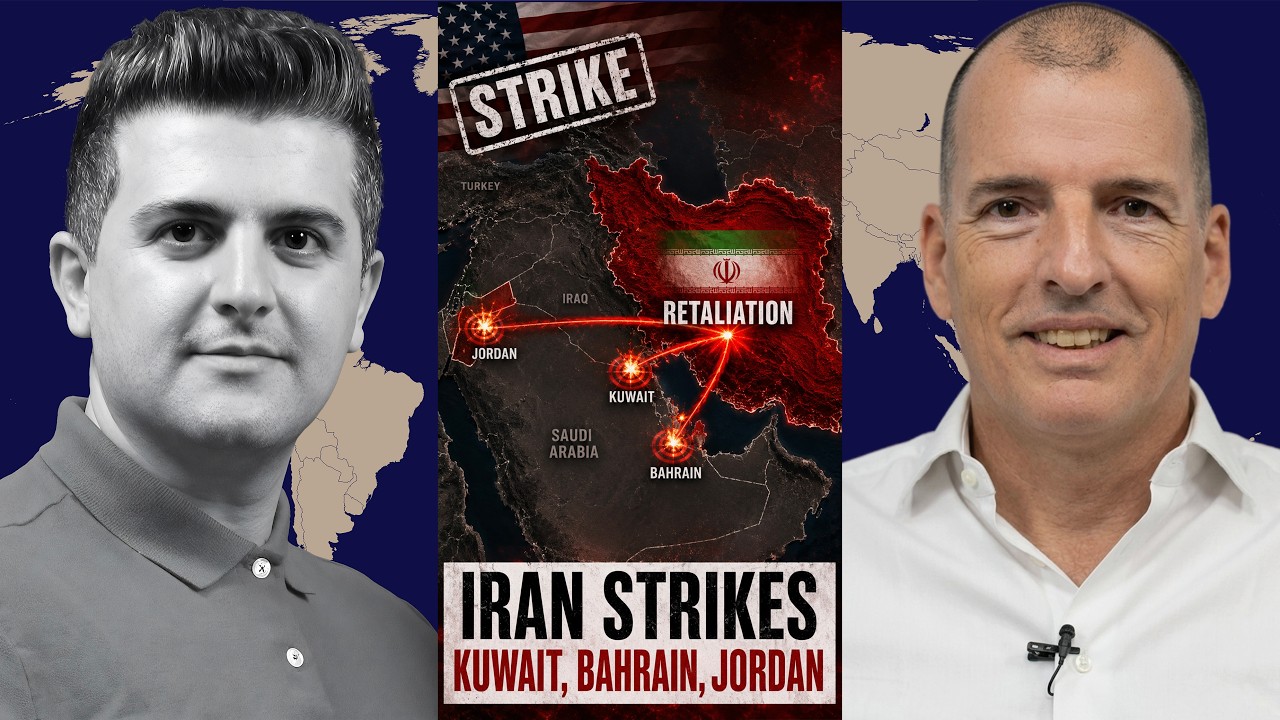
Alex Krainer: US STRIKES Iran – Iran RETALIATES Against Kuwait, Bahrain & Jordan!
"Amidst escalating US-Iran conflict and Iranian retaliation against regional US allies, this episode argues that US foreign policy is deeply controlled by an 'Anglo-Zionist conspiracy' led by the Rothschild banking dynasty, prioritizing Israeli interests over American ones."

Patrick Henningsen: Hezbollah JUST Fired Back at Israel - Iran Vows to “Crush” All Attacks
"Patrick Henningsen argues that the US and Israel initiated an illegal war against Iran, driven by Trump's incompetence and Israeli influence, leading to an inevitable escalation with severe global economic repercussions."
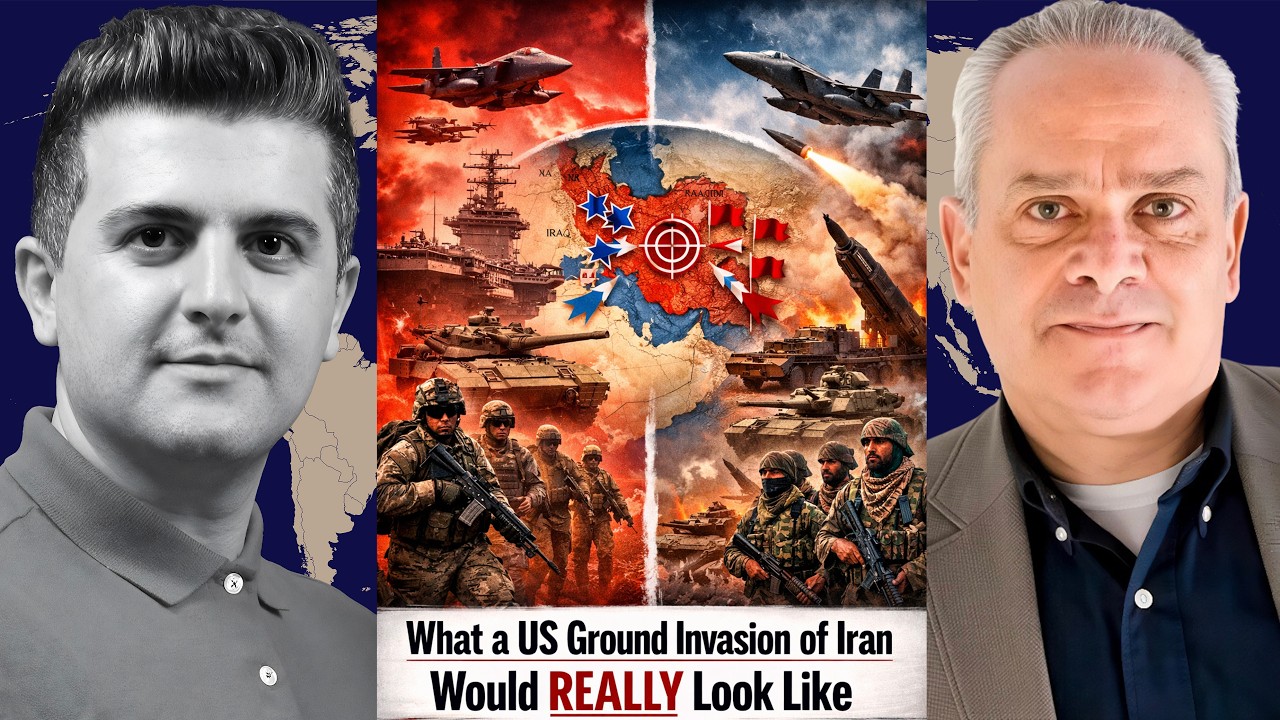
Col. Jacques Baud: What a US Ground Invasion of Iran Would REALLY Look Like
"Colonel Jacques Baud dissects the strategic futility of a US ground invasion of Iran, arguing that current troop levels are insufficient and such an action would backfire, exposing US allies and potentially leading to Iran's nuclearization."

🚨 THEY F*CKED AROUND FOR THE LAST TIME 😭😭😭
"This episode unleashes a torrent of highly opinionated commentary on the US-Iran deal, Israel's role, and a scathing critique of 'leftist' policies and immigration, particularly highlighting the UK grooming gang report as evidence of Western societal decay."