
AI FAKE Venezuelan Celebrations EXPLODE On Social Media
YouTube · _urCJ377fbw
Quick Read
Summary
Takeaways
- ❖AI-generated videos depicting fake Venezuelan celebrations of Maduro's downfall are spreading widely on social media.
- ❖Prominent figures like Elon Musk and Alex Jones shared these fabricated or misrepresented videos, accumulating millions of views and engagements.
- ❖Despite being debunked by community notes and fact-checkers, many of these fake videos remain online, uncorrected by their posters.
- ❖The hosts highlight a disturbing trend where factual accuracy is disregarded in favor of content that aligns with a desired narrative.
- ❖Genuine sentiment in Venezuela, as reported by news organizations, reflects fear and opposition to foreign intervention, not widespread celebration.
- ❖There's a significant polling divide: a majority of Venezuelans in-country oppose foreign military intervention, while a majority of expats support it.
Insights
1AI-Generated Videos and Misinformation Drive Manufactured Consent
Social media platforms are flooded with AI-generated and misrepresented videos purporting to show widespread celebrations in Venezuela following an alleged US-backed 'kidnapping' of Maduro. These videos are designed to create a false narrative of popular support for foreign intervention.
One AI-generated video showing an 'old lady crying with joy' celebrating Maduro's downfall garnered 39,000 retweets, over 5 million views, and 118,000 likes, and was shared by Elon Musk. Other examples include Alex Jones sharing old protest footage from 2024 as current celebrations () and Nick Shirley sharing videos of Venezuelan exiles in Miami as if they were inside Venezuela ().
2Lack of Accountability and Public Indifference to Factual Accuracy
Despite being called out and even flagged with community notes, the creators and sharers of these fake videos often refuse to remove them. This indicates a broader societal issue where factual accuracy is less important than reinforcing a desired narrative, and there's little to no reputational or professional cost for spreading misinformation.
The host notes, 'even after people get called out, they're not there's no shame anymore. They don't take them down. They just leave them up.' () They further state, 'who cares? These claims make people feel good. That's what counts.' () and 'I just think people want to be lied to' or 'they just don't care' ().
3Divergent Views Between In-Country Venezuelans and Expats
There is a stark ideological and political divide between Venezuelans residing in the country and the expat community, particularly regarding foreign intervention. Misinformation often leverages the views of expats to misrepresent the sentiment of the population within Venezuela.
Polling data shows a 'huge divide between Venezuelans in Venezuela, of whom a majority, 55% were opposed, 23% supported some sort of foreign military intervention.' In contrast, an Atlas Intel poll found '64% support for US military intervention among Venezuelans abroad' (). The host notes, 'if you hated Maduro, you probably left' (), explaining the ideological distinction.
Bottom Line
The 'feel-good' factor of a narrative now outweighs factual accuracy for a significant portion of the audience, rendering traditional journalistic principles of verification and correction largely ineffective in combating viral misinformation.
This shift fundamentally alters the media landscape, making it easier for state actors or political groups to manipulate public opinion through fabricated content without fear of consequence, directly impacting foreign policy and domestic stability.
Develop and promote advanced AI detection tools specifically for video and image content that can not only identify fakes but also provide real-time, highly visible, and undeniable debunking directly within social media feeds, potentially with platform-level enforcement for removal.
The sentiment of expat communities is frequently misrepresented as the sentiment of the entire population within their home country, particularly in politically charged situations, leading to distorted perceptions of internal dynamics.
Policymakers and the public risk making decisions based on a skewed understanding of a country's internal political climate, potentially leading to interventions that lack genuine popular support and exacerbate instability.
Invest in and promote independent, in-country polling and journalism that specifically differentiates between expat and domestic populations' views, providing a more accurate and nuanced understanding of complex geopolitical situations to counter external narratives.
Lessons
- Always question the source and context of viral videos, especially those depicting emotionally charged political events, and assume they may be manipulated or misrepresented.
- Actively seek out multiple, diverse news sources, particularly those with reporters on the ground, to cross-verify information before accepting or sharing it.
- Be skeptical of content that perfectly aligns with your existing biases; this is often a red flag for propaganda designed to confirm rather than inform.
Quotes
"I am so disturbed and disgusted by the number not only of fake videos that have been put out and spread around to manufacture consent for this kidnapping and and uh attack on Venezuela, but even after people get called out, they're not there's no shame anymore. They don't take them down. They just leave them up."
"You have to add into it AI and AI being good enough now that apparently people, especially people who want to fall for it, will just completely fall for this and share it widely."
"I don't think they want to be lied to, per se. maybe like structurally, but as long as it goes along with the narrative, like they'll just, you know, continue to say, 'Oh, well, they meant well,' or something like that."
"I mean, these people are dishonest. Like they know that what they posted is wrong. They may have known it when they posted it and intentionally posted um just flagrant lies to back up the Trump administration and to push a narrative about what is actually happening here. And even after they get called out, they just leave it up."
Q&A
Recent Questions
Related Episodes
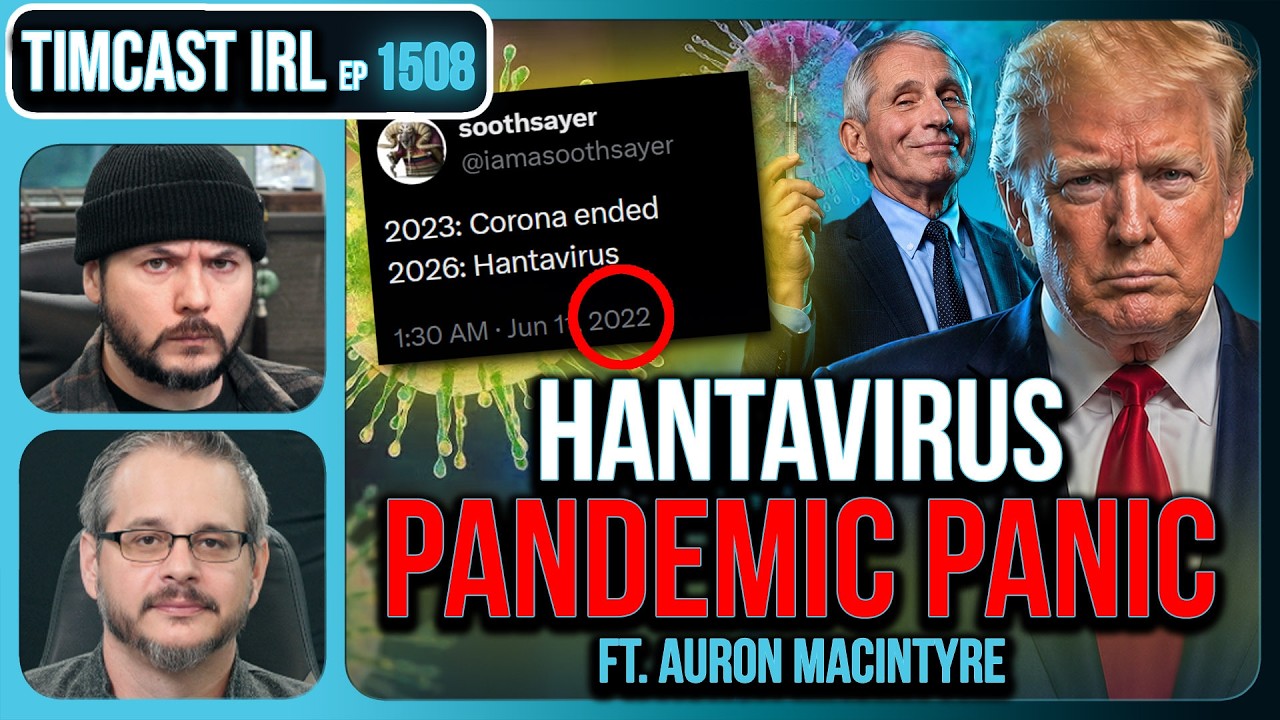
HANTAVIRUS PANDEMIC PANIC, Human To Human Spread Feared | Timcast IRL
"Tim Pool and his guests dismiss the Hantavirus panic as media desperation, pivot to discussing escalating political polarization, the rise of technocracy, and the weaponization of social issues."
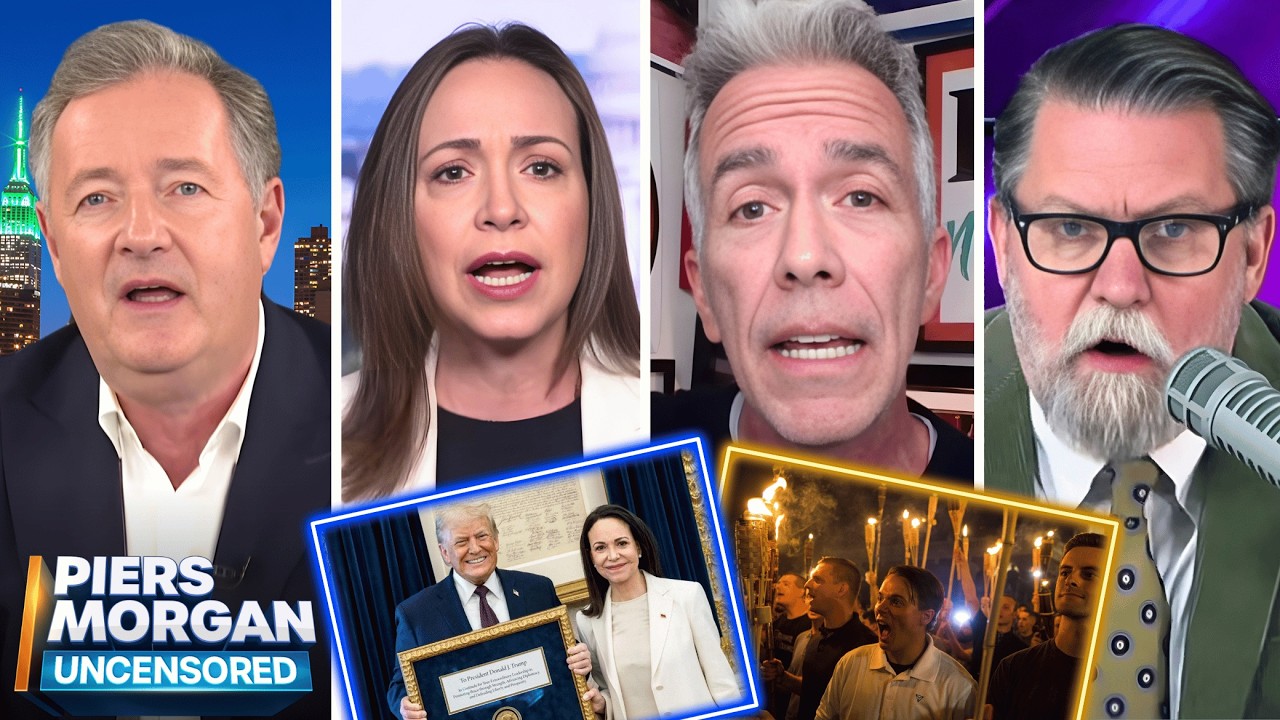
"Fighting Solves EVERYTHING!" Who's To Blame For Political Violence? + Maria Machado On Trump
"This episode dissects the escalating political violence in the US, with panelists fiercely debating the role of partisan rhetoric and media in radicalization, alongside an interview with Venezuelan opposition leader Maria Machado on US intervention and her country's future."

PATREON EXCLUSIVE | The Human Experience (feat. Eric Benet and T.I) | The Joe Budden Podcast
"Eric Benét and T.I. offer candid insights into the evolving music industry, the challenges of maintaining authenticity, and their personal philosophies on career longevity, health, and societal changes."

Dan Bongino’s EPIC CRASHOUT Over Jimmy Dore!
"Jimmy Dore dissects Dan Bongino's alleged hypocrisy regarding the Epstein files and his public meltdown during a past interview, framing it as a case of psychological projection and political opportunism."