BREAKING: Iran HUMILIATES U.S.; Trump Threatens Hormuz Seizure; Israel Won't Retreat | TBN Israel
YouTube · aHVfbrAgYto
Quick Read
Summary
Takeaways
- ❖Iran's Revolutionary Guards achieved a 'dramatic victory' by securing partial sanctions relief and unfreezing assets in initial negotiation sessions.
- ❖US Vice President JD Vance was intentionally humiliated by the Iranian delegation, who refused to acknowledge or shake his hand.
- ❖President Trump threatened to seize the Strait of Hormuz if Iran closes it and to strike Iran harder if it doesn't stop proxy activity in Lebanon.
- ❖Iran's Foreign Minister Abasaraki presented the negotiation outcome as a victory, focusing on economic relief and a 'de-escalation cell' for Lebanon.
- ❖The proposed de-escalation cell for Lebanon excludes Israel, despite the IDF actively fighting Hezbollah in the region.
- ❖Israel, led by Prime Minister Netanyahu, firmly rejects withdrawing from southern Lebanon, asserting its right to defend against Hezbollah threats.
- ❖Iran is reportedly using the period of diplomatic focus to intensify internal repression, executing political opponents and activists on charges of espionage.
- ❖The mysterious death of Iranian AI pioneer Dr. Ali Ishnaya in France is being blamed on the Israeli Mossad by Iran, without independent confirmation.
Bottom Line
Iran's negotiation strategy relies heavily on public humiliation and misinformation to project strength and extract concessions, rather than genuine diplomatic engagement on core issues.
This approach undermines the credibility of the US and international diplomacy, creating a perception that Iran can dictate terms without accountability, which could embolden other adversarial states.
International actors should counter Iranian misinformation campaigns directly and refuse to engage in negotiations where such tactics are employed, instead applying maximum pressure until genuine engagement is demonstrated.
The US and its allies possess significant financial and military leverage over Iran, including frozen assets and military capabilities, which they are not fully utilizing in current negotiations.
This underutilization of leverage allows Iran to maintain its aggressive stance and fund proxies, prolonging regional conflicts and internal repression without facing the full economic and military consequences.
A more assertive strategy involving targeted financial sanctions, asset seizure for reparations, and credible military threats could force Iran to negotiate more seriously and address core issues like its nuclear program and proxy support.
Lessons
- Share information about the ongoing geopolitical situation in the Middle East to counter misinformation and promote a deeper understanding of the complexities.
- Pray for wisdom and discernment for leaders involved in international negotiations, particularly regarding the Middle East, and for the protection of civilians in conflict zones.
- Consider supporting organizations focused on human rights in Iran or those aiding communities affected by conflict in Israel and Lebanon, as highlighted by the 'Rebuild Israel' campaign.
Notable Moments
The Iranian delegation intentionally ignored and refused to shake hands with US Vice President JD Vance during negotiations, a significant act of public humiliation in Middle Eastern culture.
This act signaled Iran's intent to assert dominance and disrespect the US, undermining the diplomatic process and setting a hostile tone for future interactions.
Iran's Foreign Minister Abasaraki declared a 'victory' in the first session of talks, claiming partial sanctions relief and the unfreezing of assets, despite ongoing US threats.
This highlights Iran's immediate focus on economic gains and its narrative control, suggesting it prioritizes financial relief over addressing core international concerns like nuclear proliferation or regional destabilization.
Israel's Prime Minister Netanyahu publicly stated that Israel will not withdraw from southern Lebanon, comparing the situation to what the US would do if threatened by rockets and kidnappings across its border.
This firm stance underscores Israel's security imperatives and its distrust of diplomatic solutions that do not directly address the threat from Hezbollah, potentially creating friction with US diplomatic efforts.
Quotes
"If you close the straight of Homus, we will take control of it. And at the same time, the revolutionary guards fixed their m flexed their muscles. They got up, they left the negotiating table and then returned to it. It seems that Trump is playing a double game."
"They intentionally humiliated your vice president. These things are not a mistake. these ceremonies of of respect and of body language and and physical positioning in rooms hugely important in in Muslim and Arab culture. And this was a intentional not the first one by the way, an intentional disregard and prevention of the US as appearing powerful in the room in these conversations."
"Iran, the the entity that lost the war from a military perspective is dictating to the Americans what happens first in this negotiation. And they're saying, you know what, maybe we don't open the trade of Humus. Maybe you give us all our money first. We tell you that we want we want you to stop your ally Israel from fighting against our terrorist organization in Lebanon. Then we'll see."
"The regime that asks the world to trust it abroad does not trust its own citizens at home. It does not persuade them. It frightens them."
Q&A
Recent Questions
Related Episodes

BREAKING: Iran Threatens To END Talks; U.S. Vows Retaliation; Hezbollah Collapsing? | TBN Israel
"Iran is leveraging Hezbollah and the Strait of Hormuz to manipulate US negotiations, while Israel asserts its right to dismantle Hezbollah's eroding but still dangerous infrastructure in Lebanon, independent of international talks."

Patrick Henningsen: Hezbollah JUST Fired Back at Israel - Iran Vows to “Crush” All Attacks
"Patrick Henningsen argues that the US and Israel initiated an illegal war against Iran, driven by Trump's incompetence and Israeli influence, leading to an inevitable escalation with severe global economic repercussions."
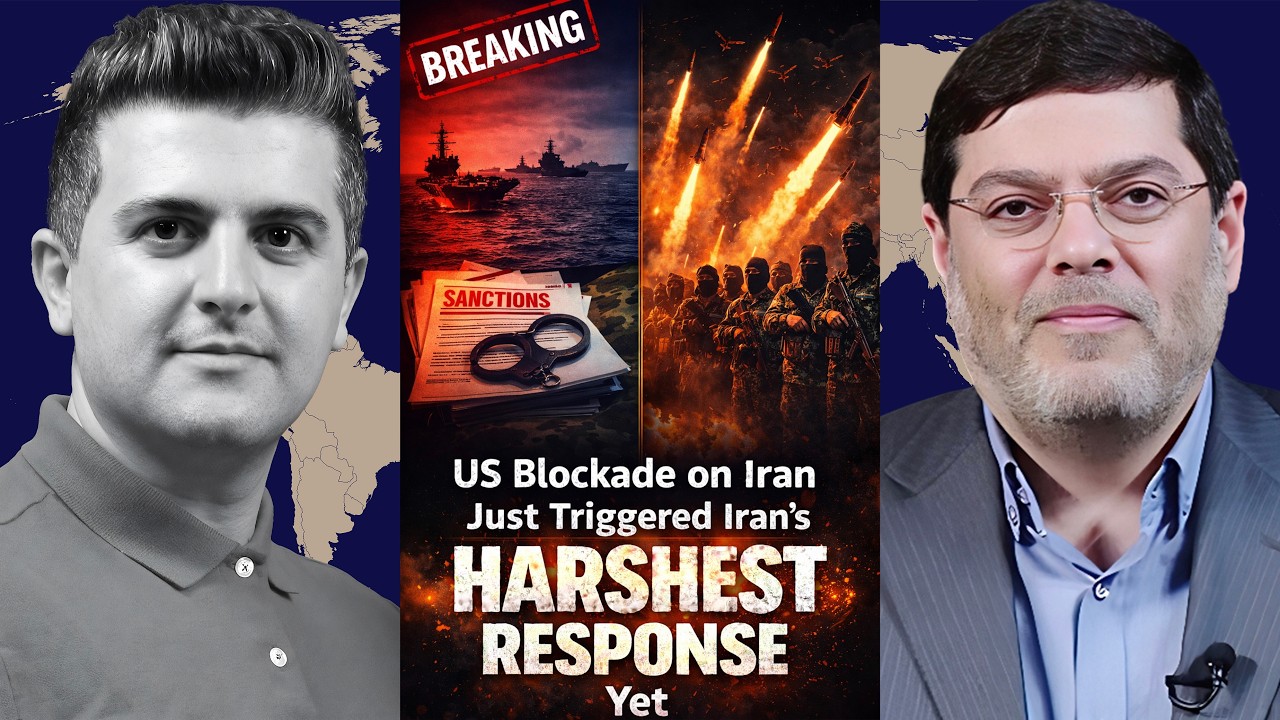
Seyed M. Marandi: US Blockade on Iran Just Triggered Iran’s HARSHEST Response Yet
"An Iranian professor details how US demands and an imposed blockade triggered Iran's harshest response, exposing American strategic missteps and the vulnerability of Gulf Arab states."
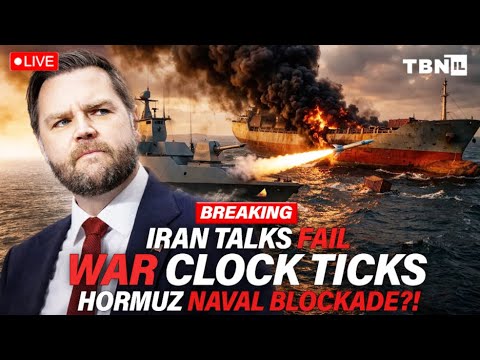
BREAKING: U.S.-Iran Talks COLLAPSE; Hormuz Standoff Deepens; Hezbollah Fire | TBN Israel
"US-Iran negotiations in Islamabad collapsed over the nuclear issue and control of the Strait of Hormuz, leading to heightened tensions and a potential US naval blockade strategy."