BREAKING: U.S. STRIKES Iran Coast; IRGC Attacks Destroyers In Hormuz | TBN Israel
YouTube · b6V-QdzqIHE
Quick Read
Summary
Takeaways
- ❖Iranian Revolutionary Guards attacked three US destroyers (USS Truxton, USS Rafael Peralta, USS Mason) in the Strait of Hormuz using a combination of missiles, UAVs, and fast boats.
- ❖The US military successfully intercepted all incoming threats, reporting no significant damage or casualties, and responded with targeted strikes against Iranian Revolutionary Guards infrastructure along Iran's southern coast.
- ❖US officials, including former President Trump, characterized the exchange as 'taps of love' and maintained that a ceasefire remains in effect, despite the direct military confrontation.
- ❖Iran's strategic goal in the Strait of Hormuz is not to defeat the US Navy but to create an image of confrontation, increase costs, and exert political pressure to gain diplomatic leverage and alleviate economic sanctions.
- ❖The US has implemented a maritime blockade on Iranian ports, severely impacting Iran's oil exports and causing potential damage to its oil production infrastructure due to storage issues.
- ❖American intelligence assesses that Iran can endure the economic blockade for at least 90 days and retains approximately 75% of its missile launchers and 70% of its missiles.
- ❖Iran operates a complex economic and military system, including the 'Katam el Anbia' construction headquarters, which funnels billions into the Revolutionary Guards, and an emergency command managing the maritime blockade.
- ❖Israel is deeply concerned that any potential agreement between the US and Iran might allow Iran to preserve its nuclear capabilities, missile systems, and regional proxy networks (Hezbollah, Hamas), setting the stage for future conflicts rather than resolving the current one.
- ❖The conflict extends to regional actors, with Iran threatening Gulf states like the UAE for perceived cooperation with the US, aiming to deter a broad regional front against it.
- ❖Both the US and Iran are engaged in a 'war of perception,' where leaked information about military capabilities or hidden facilities serves to justify their respective actions and narratives.
Insights
1Direct Military Confrontation in Hormuz
Iranian Revolutionary Guards attacked three US Arleigh Burke-class destroyers (USS Truxton, USS Rafael Peralta, USS Mason) in the Strait of Hormuz using missiles, UAVs, and fast boats. The US successfully intercepted all threats without significant damage or casualties and retaliated with strikes on Iranian military infrastructure in southern Iran.
Three American destroyers operated as part of the American maritime security operation in the Gulf and were attacked using a combination of missiles, UAVs, and fast boats of the Revolutionary Guards. The United States responded with a wave of strikes against the Revolutionary Guards targets in southern Iran.
2US 'Measured Response' Amidst 'Ceasefire' Claims
Despite direct exchanges of fire, US officials, including former President Trump, described the events as 'taps of love' and insisted the ceasefire remained in effect. The US framed its retaliatory strikes as a 'measured response' aimed at restoring deterrence without escalating to a broader war.
Trump claimed that these were taps of love. The ceasefire is still effect. American officials emphasized to Western media outlets that this was a measured response intended to restore deterrence, but not to lead at this stage to a broader war with Iran.
3Iran's Economic Pressure and Oil Blockade
The US has imposed a maritime blockade on Iranian ports, significantly hindering Iran's oil exports. This has led to oil piling up in storage and reports of oil slicks near Karag Island, potentially due to leaks or deliberate release from overflowing storage.
Since midappril the American blockade on the Iranian ports has remained in force... Iran can pump oil. It is struggling to export it. This also explains reports of oil slicks near Karag Island, Iran's oil island. It is still unclear whether this was a leak or a deliberate release because of a shortage of storage space.
4Iran's Strategic Goal: Control, Not Defeat, in Hormuz
Iran's objective in the Strait of Hormuz is not to militarily defeat the superior US Navy but to create an image of confrontation, delay maritime traffic, increase costs, and exert political pressure. They aim to establish a 'system of permission' for passage, effectively declaring ownership over an international strait.
Iran does not need to sink a destroyer in order to create an incident. It only needs to create the image of confrontation... Iran is trying to tell the world if you want calm at sea you need to pay a diplomatic price in Thran. Thran is even trying to build an official framework to inspect and tax ships seeking to pass through the strait.
5Iran's Resilient Military and Economic Infrastructure
American intelligence indicates Iran can survive the blockade for at least 90 days, retaining 75% of its missile launchers and 70% of its missiles. Iran's 'Katam el Anbia' organization, an economic arm of the Revolutionary Guards, controls vast infrastructure projects, funneling billions into the regime and circumventing sanctions.
Iran can survive the blockade for at least another 90 days and maybe much longer... Iran preserved 75% of the missile launchers and 70% of the missiles themselves. There is the Katamean Nabia construction headquarters, the economic arm of the revolutionary guards... controls infrastructure, energy, construction, tunnels, roads, missile facilities.
6Israel's Concerns Over a 'Bad Agreement'
Israel fears a diplomatic agreement that might allow Iran to preserve its nuclear capabilities, missile systems, and regional proxy networks (Hezbollah, Hamas). Such an outcome would be seen not as an end to the war, but as a recovery period for Iran to rearm and prepare for future conflicts against Israel.
Israel fears a bad agreement. Not only because of the nuclear issue, but also because of the missiles, also because of the money, also because of the linkage between the fronts. If Iran comes out of this war feeling that it survived, preserved a significant part of its missiles, kept the nuclear capabilities, received money, and connected Lebanon and Gaza to the agreement, that's not the end of the war. That is recovery for the next round of fighting against Israel.
Lessons
- Recognize that the term 'ceasefire' in the US-Iran context is largely a political narrative, as direct military and economic confrontations continue, particularly in strategic areas like the Strait of Hormuz.
- Understand Iran's multi-faceted strategy, which leverages military provocations, economic pressure points (like maritime traffic), and proxy forces to achieve diplomatic concessions and alleviate sanctions, rather than seeking outright military victory against superior forces.
- Be aware of the global economic implications of tensions in the Strait of Hormuz, as any disruption to this vital shipping lane can significantly impact oil prices, supply chains, and international trade.
Quotes
"The ceasefire is still effect. Iran published a response. Our army forces attacked American military vessels in revenge."
"Trump has said in the past, there's no need for an agreement. We can just keep doing what we're doing. And that's sort of where things are in realistically. Uh both the United States and the Iranians don't have much of an an interest right now in signing an agreement."
"The resolution to this, both agreement and militarily uh is only through strict supervision and the Iranians on their own accord dismantling their nuclear program. That that's the only way it really changes."
"In simple words, Iran tried to show that it controls the passage. The United States answered that it is still controlling the fire."
"If Iran comes out of this war feeling that it survived, preserved a significant part of its missiles, kept the nuclear capabilities, received money, and connected Lebanon and Gaza to the agreement, that's not the end of the war. That is recovery for the next round of fighting against Israel."
Q&A
Recent Questions
Related Episodes
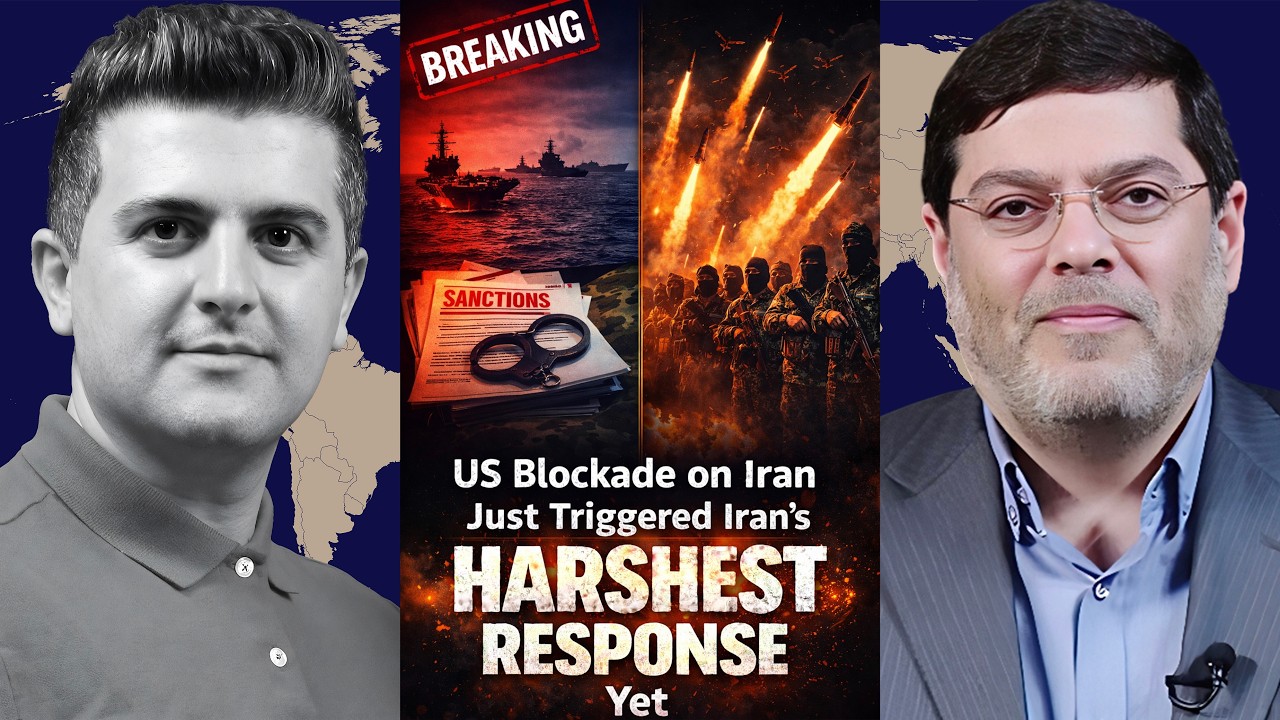
Seyed M. Marandi: US Blockade on Iran Just Triggered Iran’s HARSHEST Response Yet
"An Iranian professor details how US demands and an imposed blockade triggered Iran's harshest response, exposing American strategic missteps and the vulnerability of Gulf Arab states."

Patrick Henningsen: Hezbollah JUST Fired Back at Israel - Iran Vows to “Crush” All Attacks
"Patrick Henningsen argues that the US and Israel initiated an illegal war against Iran, driven by Trump's incompetence and Israeli influence, leading to an inevitable escalation with severe global economic repercussions."
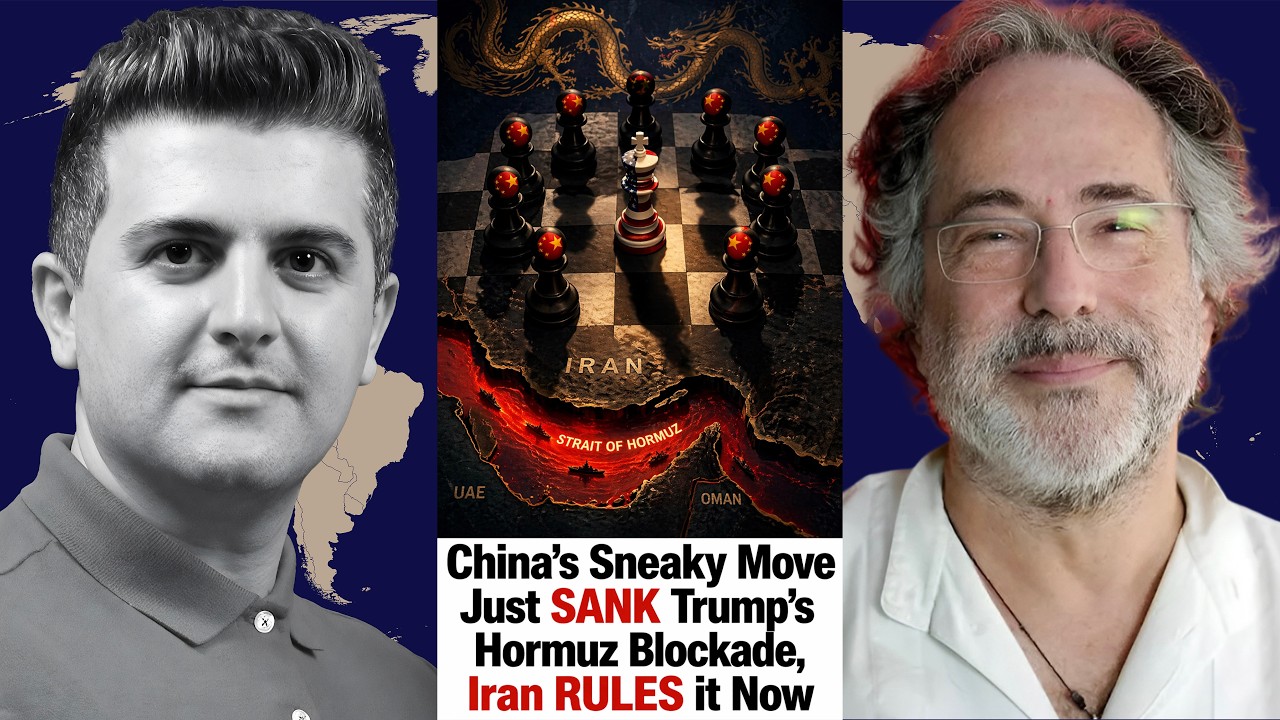
Pepe Escobar: “Total Failure”: Trump’s Blockade Just Backfired Disastrously
"Pepe Escobar argues that the US blockade against Iran, spearheaded by Donald Trump, has utterly failed and backfired, accelerating global economic chaos and challenging US geopolitical dominance."
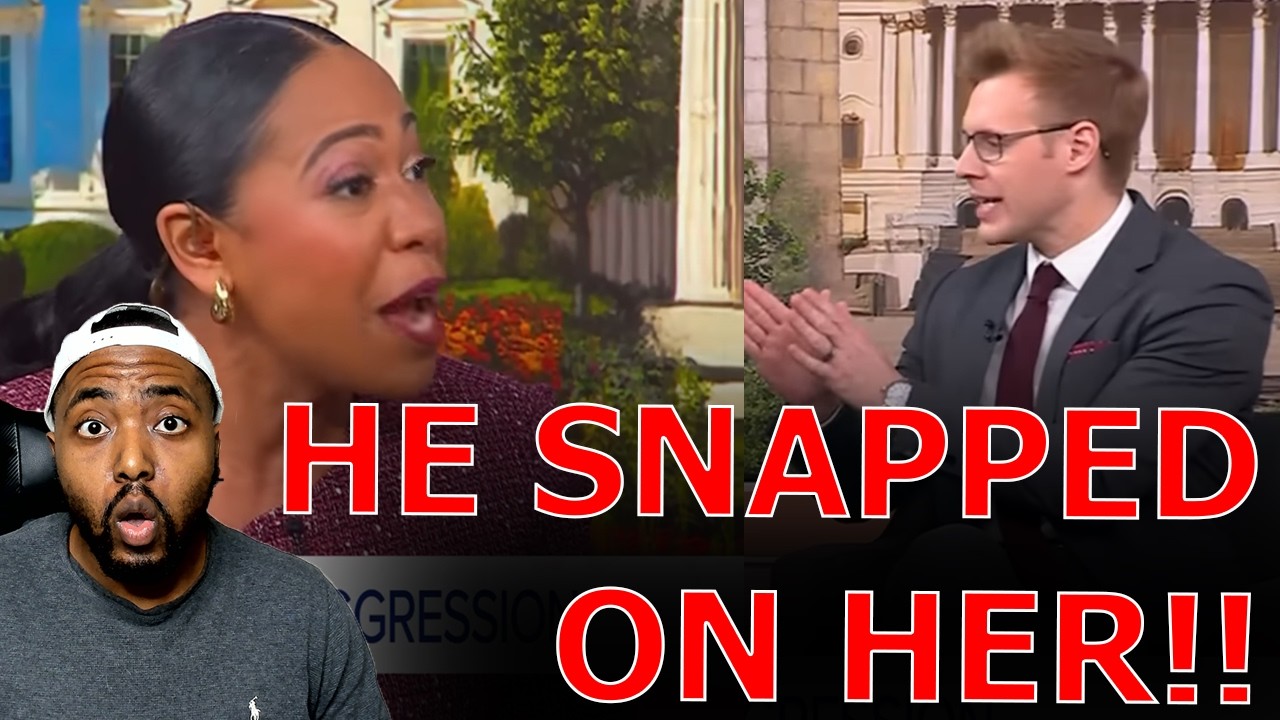
Robby Soave GOES OFF On ANNOYING Liberal Black Woman Making Emotional Trump Deranged Arguments!
"The host dissects a heated foreign policy debate, arguing that 'left-wing' emotionalism and 'Trump derangement' prevent a rational understanding of US sanction strategies against Cuba and Iran."