
The Ghost of David Coffin | Full Episode
YouTube · b_Ng6knViv4
Quick Read
Summary
Takeaways
- ❖David Coffin's body was found in his burned home, but forensic analysis indicated he was shot and killed before the fire, suggesting a deliberate attempt to destroy evidence.
- ❖Megan Lee, Coffin's girlfriend, was also connected to Scott Davis, her estranged husband, who reported being attacked and having his home set on fire on the same night as Coffin's murder.
- ❖Scott Davis's credibility was immediately questioned by detectives after he mentioned Coffin was 'shot' before that detail was publicly known, claiming Megan told him, which she denied.
- ❖The initial investigation struggled with the lack of physical evidence, leading to charges against Scott Davis being dropped 18 months after his arrest.
- ❖David Coffin Sr., the victim's father, relentlessly advocated for the case to remain active, offering substantial rewards and pressuring law enforcement for nearly a decade.
- ❖Years later, a cold case unit prosecutor reopened the investigation, focusing on Scott Davis's motive (obsession with Megan Lee) and his self-incriminating statements and fabricated alibis.
- ❖Megan Lee's testimony at trial was critical, detailing Scott's obsessive behavior and confirming his premature knowledge of David Coffin's cause of death.
- ❖Scott Davis was found guilty of murder in 2006, a decade after the crime, and sentenced to life in prison, largely based on circumstantial evidence and witness accounts.
Insights
1The Self-Incriminating Slip-Up
Scott Davis, the estranged husband of David Coffin's girlfriend, became the prime suspect when he told police that Coffin had been 'shot' before investigators had publicly released the cause of death. This critical detail, which Davis claimed Megan Lee told him, was a major inconsistency, as Megan denied knowing how Coffin died at that time.
Scott Davis stated, 'I didn't shoot him. I didn't shoot David.' When asked what struck him about that statement, Detective Chambers replied, 'I didn't know how David Coffin had died. No one knew.' (-). Megan Lee later testified that Scott told her, 'a guy had been shot in the head and his house had been burned down,' confirming David Coffin had been shot in the head, a detail only the killer would know at that point (-).
2Lack of Physical Evidence and Cold Case Challenges
The fire at David Coffin's home was so destructive that it eliminated most physical evidence, including hairs, fibers, DNA, and fingerprints. This absence of direct forensic links made the initial prosecution difficult and led to the charges against Scott Davis being dropped.
Assistant District Attorney Sheila Ross stated, 'The fire to David Coffin's body and to his home was very, very devastating and destructive. We're talking no hairs, no fibers, no DNA, no fingerprints from any of the things that came from the home.' (-). Defense attorney Bruce Morris highlighted, 'There is no DNA evidence. There is no blood evidence.' (-).
3Victim's Family Persistence as a Catalyst for Justice
David Coffin Sr., the victim's father, refused to let the case go cold after the initial charges against Scott Davis were dropped. His relentless efforts, including offering substantial rewards and continually pressuring the District Attorney's office, were instrumental in the case being reopened years later.
David Coffin Sr. stated, 'I was not a happy camper.' when charges were dropped and 'I told him I wasn't going to go anywhere.' regarding pressuring the DA (-). The reward 'went from $100,000 to $200,000 to $300,000.' (-). Prosecutor Sheila Ross noted, 'David Coffin Senior's persistence has paid off.' (-).
Lessons
- Prioritize securing and preserving crime scenes, especially in cases involving arson, to maximize the potential for collecting crucial physical evidence before it's destroyed.
- Investigators should meticulously document and cross-reference all statements from suspects and witnesses, as seemingly minor inconsistencies or premature knowledge can become critical circumstantial evidence.
- Victim advocacy groups and family members can play a vital role in keeping cold cases active; their persistence can lead to renewed investigations and ultimately, justice.
Quotes
"He literally was just executed in cold blood. All that remained of David Coffin was charred remains."
"He said, 'I didn't shoot him. I didn't shoot David.' And what struck you about that statement? I didn't know how David Coffin had died. No one knew."
"He was a competitive man who wasn't going to lose his wife to the likes of David Coffin. And he targeted the competition. He hunted his competition. He stalked his competition and he ultimately killed him."
"I just felt like, oh my god, I'm not scared anymore. And I don't think I was truly sort of recognizing how scared I was until they said, 'We find Scott Davis guilty.'"
Q&A
Recent Questions
Related Episodes

True-crime cases with recent developments | 48 Hours Full Episodes
"This episode reconstructs four complex true-crime cases, detailing the harrowing searches for missing persons, the challenges of prosecuting murders without bodies, and the enduring quest for justice in cold cases spanning decades."
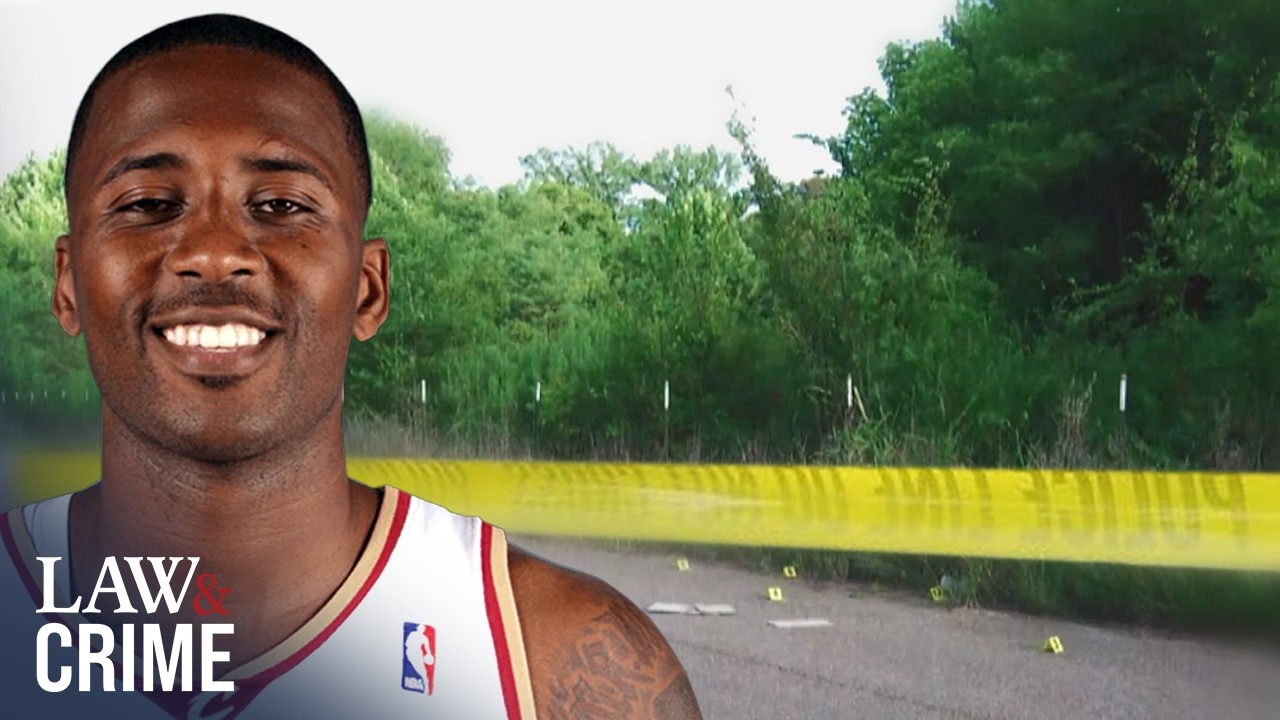
Killer Cases: NBA Star Lured to Execution In Rural Tennessee
"The decade-long cold case of NBA star Lorenzen Wright's murder was cracked through a persistent mother, a jailed informant, and a covert police operation that recovered the murder weapon from a lake and exposed a conspiracy driven by greed."

The Root Beer Float Murder | Full Episode + Post Mortem
"A seemingly natural death of a husband is unmasked as a calculated poisoning plot by his wife and stepdaughter, revealed only after an unrelated burglary exposes a trail of incriminating text messages."
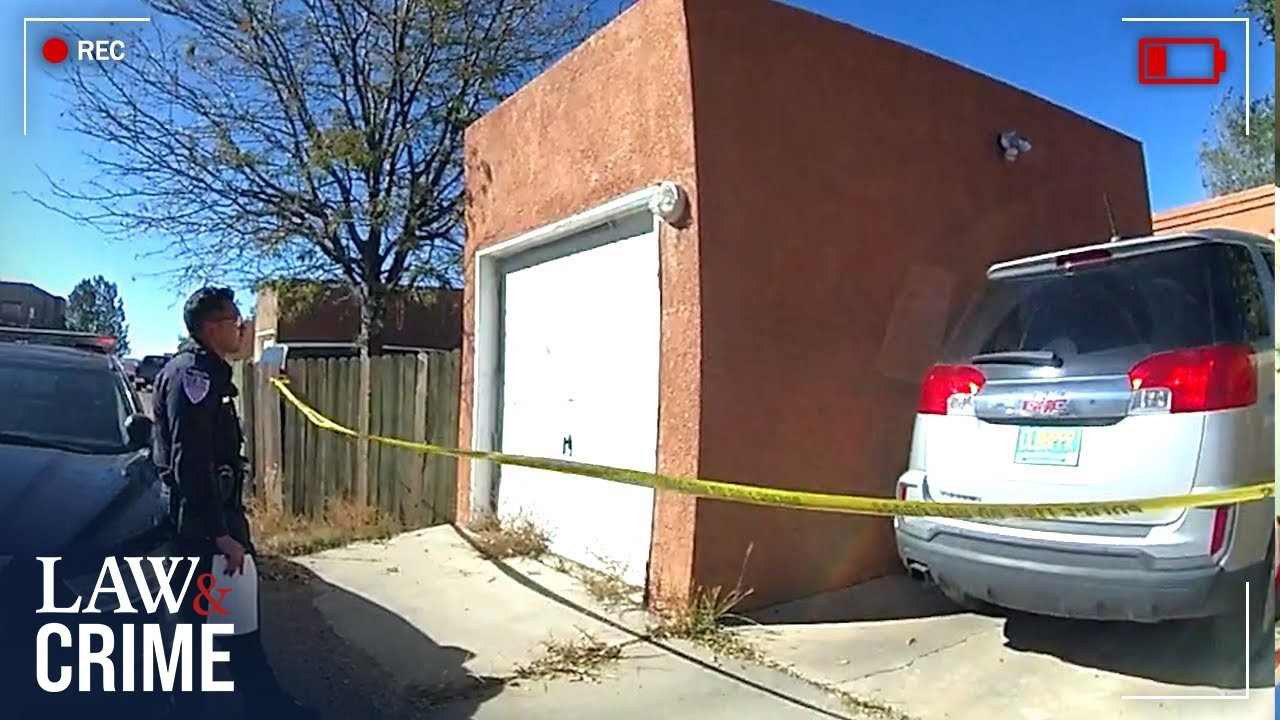
5 Most Wicked Murder Cases Caught On Bodycam
"Bodycam footage provides an unfiltered, real-time look into five brutal murder investigations, exposing the immediate aftermath of horrific crimes and the initial interactions with suspects and witnesses."