The Military’s Silent Rebellion (w/ Kori Schake) | Shield of the Republic
YouTube · cNBeJ4VrjYE
Quick Read
Summary
Takeaways
- ❖Samuel Huntington's "The Soldier and the State" is a problematic foundational text for civil-military relations, failing to address praetorianism and mischaracterizing military-democracy compatibility.
- ❖George Washington's example of surrendering his commission and emphasizing military subordination is the 'Marvel Comics origin story' for US civil-military norms.
- ❖The US military system assumes orders are legal; if commanders must judge an order's legality, multiple echelons of civilian leadership have already failed.
- ❖Behaviors like 'sherking' (delaying orders) or resignations, while politicizing, may be appropriate military responses to illegal or unconscionable orders in extreme circumstances.
- ❖Periods of high military prestige, often after successful wars, tend to correlate with increased civil-military friction as norms are re-established.
Insights
1Critique of Huntington's "The Soldier and the State"
Kori Schake argues that Samuel Huntington's foundational text on civil-military relations is deeply flawed. Her primary criticisms include its failure to address praetorianism (military threats to civilian government), its assertion that an effective military is fundamentally incompatible with American democracy, and its misinterpretation of World War II civil-military dynamics. Schake believes the book remains influential due to first-mover advantage and the military's preference for its model of 'objective control,' which limits political oversight.
Schake states she 'hates this book' and details four main reasons, including Huntington's omission of praetorianism and his belief that democracy needs to change to accommodate an effective military.
2George Washington's Enduring Legacy of Civilian Subordination
Washington's deliberate act of surrendering his commission to Congress at Annapolis established a foundational norm for American civil-military relations: the military's unquestioning subordination to political leadership. This example set a powerful precedent, emphasizing that civilian leaders do not need to be 'good' at their job to merit military subordination, and that the military's professionalism lies in not being a threat to civilian authority.
Schake highlights Washington's actions at Annapolis and his response to the Newburgh conspiracy, where he refused Hamilton's suggestion to march the army on Philadelphia, stating 'an army is a very dangerous instrument to play with.'
3The 'Unprincipled Principle' and Legal Orders
The US military system operates under the assumption that all received orders are legal. However, when orders are ambiguous or potentially illegal, the burden of proof for refusing an order falls on the service member, who risks court-martial. This creates a dangerous 'unprincipled principle' where the system is strained if commanders are forced to make judgments on the legality of orders, indicating a failure at higher civilian echelons.
Elliot Cohen raises the question of military refusal of illegal orders (e.g., taking over elections), and Schake explains the legal hierarchy and burden of proof, stating, 'if we get to the point where actual Navy commanders or Army lieutenant colonels are having to make a judgment about whether the order they are receiving is illegal. We have already failed at several important echelons.'
4Post-War Military Prestige and Civil-Military Friction
Historically, periods following major military successes, where the military enjoys high public prestige, often lead to increased civil-military friction. This occurs as the military, emboldened by its success, may push the boundaries of its authority or resist civilian directives, requiring a re-establishment of norms. The hosts and guest cite examples from the Revolutionary War, Civil War, and post-Desert Storm era.
Elliot Cohen notes, 'these times of real civil military friction where the military goes beyond where it should be. It's usually after a big war where the military is very very high prestige.' Schake agrees, citing Andrew Jackson and the post-Civil War period.
Bottom Line
Military leaks and resignations, while non-professional, can be a necessary, albeit politicizing, mechanism to expose and counter illegal or unconscionable orders from civilian leadership.
In extreme circumstances where civilian accountability is absent, these 'non-professional' actions by military personnel may serve as a critical, albeit risky, check on executive overreach, highlighting institutional concern.
This suggests a need for robust civilian oversight mechanisms that can address problematic orders before they force military personnel into such difficult choices, reducing the reliance on these 'silent rebellions'.
The public's 'unhealthy deference' to the military, exemplified by practices like priority boarding for soldiers, contributes to a lack of accountability for civilian leaders and obscures the military's own internal challenges.
This deference can create a blind spot, allowing civilian leaders to avoid responsibility for problematic orders by shifting blame to the military, and preventing a nuanced public understanding of military issues.
Promoting a more balanced public discourse that respects military service while also scrutinizing leadership and policy decisions is essential for healthy civil-military relations and true accountability.
Key Concepts
Objective Control (Huntington)
Samuel Huntington's concept that politicians should make limited choices at the top, deferring to the military's specialized expertise, which the guest argues leads to military plans unresponsive to political constraints and politicians ignorant of military capabilities.
Unprincipled Principle
A concept raised by military ethicist Pauline Shanks Corin, describing situations where the military's system, built on the belief that orders are legal, is challenged by orders that are actually illegal or morally reprehensible, forcing junior officers to make difficult judgments.
Sherking (Feaver)
Peter Feaver's concept describing the military's deliberate delay in executing orders, often to buy time for political or legal solutions to emerge, especially when executive authority pushes beyond established boundaries.
Lessons
- Advocate for stronger congressional oversight of civilian leadership, ensuring accountability for orders issued to the military, rather than solely scrutinizing military execution.
- Recognize that military 'sherking' (deliberate delay) or resignations, while politicizing, can be a legitimate, albeit uncomfortable, response to potentially illegal or unconscionable orders.
- Challenge the 'unhealthy deference' to the military in public discourse, fostering a more critical understanding of civil-military dynamics and promoting accountability for all actors.
Notable Moments
Discussion of Vice President Vance's Holocaust Memorial Day speech, omitting Jews and Nazis, and the President's controversial AI video of the Obamas as monkeys.
These examples are cited as instances of 'jackassery' and 'mentally ill' behavior by political leaders, setting a context of extreme political polarization and problematic civilian conduct that strains institutional norms, including those governing the military.
Kori Schake's detailed critique of Samuel Huntington's "The Soldier and the State," calling it a book she 'hates' and arguing it's 'wrong about almost everything.'
This moment directly challenges a foundational academic text in civil-military relations, signaling a significant re-evaluation of core theories and highlighting the need for updated perspectives on the field.
The hosts and guest discuss the 'double tap strike' in Venezuela and the resignation of a Southcom commander, raising concerns about potential war crimes and the lack of accountability for the President and Secretary of Defense.
This specific, contemporary example illustrates the real-world implications of the 'unprincipled principle' and the challenges military commanders face when receiving orders that may violate the law of armed conflict, with civilian leaders avoiding responsibility.
Quotes
"There has not been this much politicized pressure on the military since the constitutional crisis of 1866 and '67."
"I hate this book [The Soldier and the State]. And I think we should actually stop treating it as the foundation of the canon because it's a good teaching book because he's wrong about almost everything."
"An army is a very dangerous instrument to play with."
"If we get to the point where actual Navy commanders or Army lieutenant colonels are having to make a judgment about whether the order they are receiving is illegal. We have already failed at several important echelons."
"I too believe that resignation is a political act. And so, it does serve to make a political statement and that to some degree politicizes the military, makes the military a political actor. But if you're receiving an illegal order, I'm a lot more comfortable with resignation rather than carrying out an illegal order or an order that's so shocking to your conscience."
"We objure political actions, but what we mean is we don't like schemers and we don't like partisans."
Q&A
Recent Questions
Related Episodes
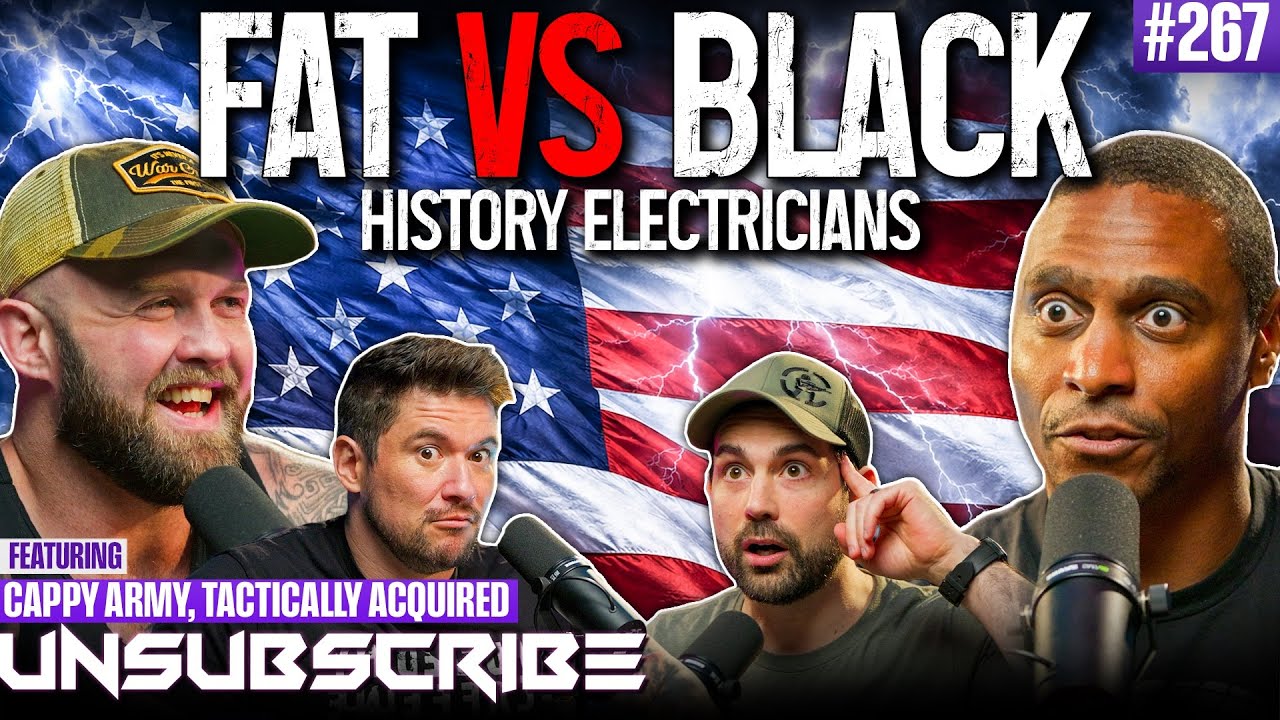
The Fat Electrician Vs Tactically Acquired | Unsubscribe Podcast 267
"This episode features military content creators discussing current geopolitical hotspots, advanced weaponry, and the surprising psychological warfare tactics of modern conflict, alongside their personal journeys building online communities."

A major shift is happening right now
"Donald Trump is losing his grip on the Republican party and movement, evidenced by internal dissent and a broader political landscape grappling with a collapse of accountability and truth."
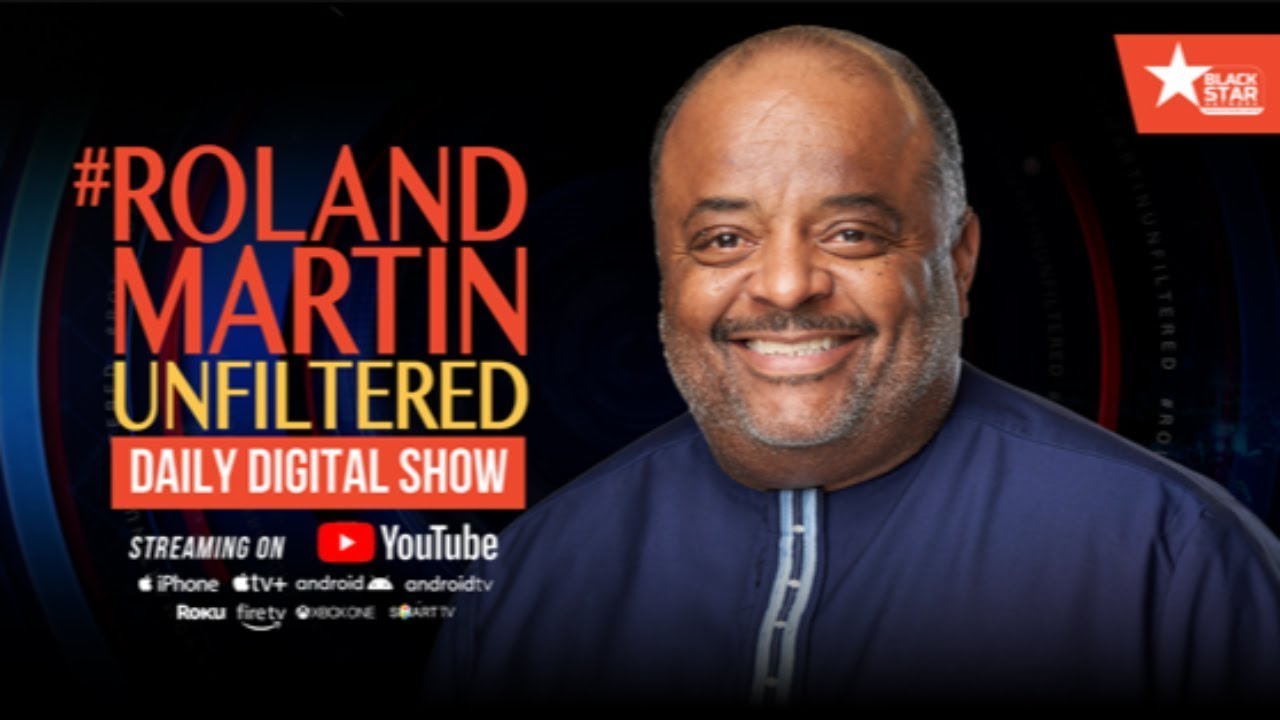
All-White Jury Convicts Karmelo Anthony. Georgia Election Lawsuit. Tennessee Map Challenge Dropped.
"This episode dissects systemic racial biases in the justice system, politically motivated election law changes, and the dangers of unchecked AI in law enforcement, all while highlighting the ongoing fight for civil rights."

Jasmine Crockett Detonates. Roland Destroys MAGA Lies. Activists Confront Racist. Best of #RMU
"This episode exposes Republican hypocrisy on white supremacy, systematically debunks MAGA political lies, and highlights a new NAACP initiative leveraging Black athletic power to combat voting rights suppression in Southern states."