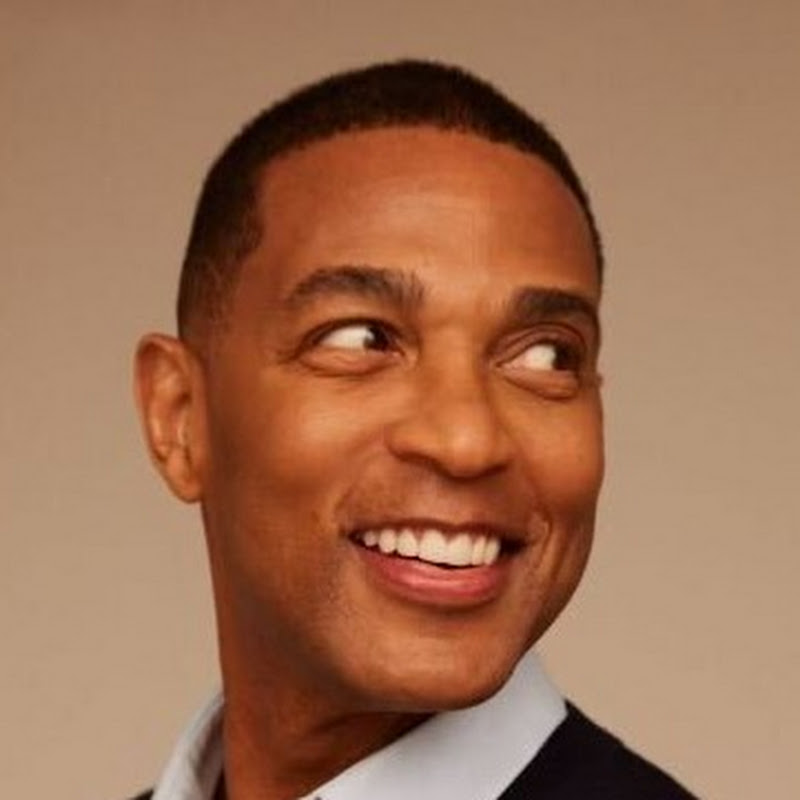
Don Lemon and Kara Swisher Go Head-to-Head on the State of Media
YouTube · deokyvKGxjM
Quick Read
Summary
Takeaways
- ❖Don Lemon's ongoing legal case is seen as a politically motivated attack on press freedom and the First Amendment.
- ❖Leaving CNN brought Don Lemon a sense of 'relief' and 'freedom,' despite the challenging exit.
- ❖The 'Don Lemon Show' operates on a business model combining YouTube revenue, sponsorships, speaking engagements, and a highly successful membership program that offers live audience participation.
- ❖Lemon believes independent media is crucial for unbiased reporting, free from corporate or political influence, but acknowledges traditional media's role in large-scale investigations.
- ❖He expresses extreme worry about the concentration of media ownership by entertainment and tech companies, which can push specific ideologies.
- ❖Lemon advocates for journalists to act like 'doctors and attorneys' – to 'do no harm' by telling the truth without fear or favor, and to actively push back against authoritarianism.
Insights
1Legal Battle as a Test of Press Freedom
Don Lemon's ongoing legal case, which he attributes to political retribution, highlights a broader attack on the First Amendment and freedom of the press. He argues that the Department of Justice is using laws meant to protect underserved communities against them, and that the case's continuation is driven by a desire for retribution, not justice.
Lemon states, 'This case is bigger than me, way bigger than me. It has ramifications for not just broadcast journalism, print journalism... where they can go through things and say you can't report this, you can't talk about this.' He also notes the DOJ's use of laws meant to protect underserved communities against them.
2The Shift to Independent Media and Community Building
Lemon's move to independent media was driven by a desire for freedom from corporate constraints. His 'Lemonation' platform focuses on building a direct community, offering members live access to participate in shows and fostering a sense of belonging, which he credits for its significant growth and successful membership model.
Lemon explains, 'What I wanted to do is not just create a channel or a network... but it's a community and people feel like they're in a community.' He highlights the success of his membership tier where 'Lemon Legends' appear on screen, providing 'live access to be on the program and to be part of a community.'
3Critique of Corporate Media Ownership and Erosion of Trust
Lemon and Swisher express concern over the consolidation of media ownership by large entertainment and tech companies. They argue that these corporations prioritize specific ideologies or entertainment value over unbiased journalism, leading to a decline in public trust and a 'chilling effect' on reporting.
Lemon states, 'Look at who owns all the media companies? You've got... News Corp, which is Fox. You've got... CBS is owned by Paramount. CNN is soon to be owned by Paramount. ABC is owned by Disney... all entertainment companies and very rich tech companies and very rich people who want their particular ideology spread.'
4The Value of 'Man on the Streets' Reporting
Lemon emphasizes that traditional 'man on the streets' reporting, where journalists directly engage with the public in battleground states, provides a more accurate picture of public sentiment than polls or studio-based consultants. This approach, which he utilized effectively, helped him predict political outcomes that contradicted mainstream narratives.
Lemon recounts, 'I started doing it during the 24 election... I was going to swing states and... battleground states and I started hearing a lot of Trump I like Trump from even demographics that you would not expect.' He adds, 'when I talk to people out on the streets that's where you really find out what's happening.'
Bottom Line
The 'relief' of being fired from a 'pinnacle' broadcast journalism role, as it allowed for true journalistic freedom and a pivot to a more authentic, community-driven platform.
This challenges the conventional view of career success in media, suggesting that traditional 'pinnacles' can be restrictive and that true fulfillment and impact might lie in independent, entrepreneurial ventures.
For media professionals feeling constrained by corporate structures, this highlights the potential for a liberating and successful transition to independent content creation, emphasizing direct audience connection over institutional prestige.
Independent media, while vital for trust and freedom from corporate overlords, cannot fully replace traditional media's capacity for large-scale, resource-intensive investigative journalism.
This implies a necessary symbiosis: independent media builds trust and direct engagement, while traditional media, despite its flaws, still holds the infrastructure for deep, costly investigations. The challenge is how to fund and protect the latter's integrity.
Investment opportunities exist in models that bridge this gap, perhaps through collaborative funding for investigative journalism that can be distributed across independent platforms, or new non-profit structures for traditional media.
Opportunities
Independent Media Career Transition Service
A service, as suggested by Kara Swisher, to provide career advice and guidance for journalists looking to transition from corporate media to independent platforms, helping them assess entrepreneurial fit and navigate the challenges of self-production and business building.
Community-Driven Media Membership Model
Develop a media platform where audience members can actively participate in the content creation, such as live call-ins or on-screen appearances, fostering a strong sense of community and loyalty that drives membership subscriptions.
Key Concepts
Journalist as Public Servant
Don Lemon frames journalists as akin to doctors and attorneys, whose primary ethical duty is to 'do no harm' by reporting the truth without fear or favor, serving as a critical check against authoritarianism and upholding constitutional principles.
The Nimble Entrepreneurial Pivot
Lemon's transition from a highly structured corporate media environment to a self-produced, multi-platform independent show exemplifies the ability to quickly adapt and leverage personal brand and direct audience engagement to build a new business model.
Lessons
- For aspiring journalists: Prioritize basic, 'man on the streets' reporting to understand public sentiment, as it often provides a more accurate picture than polls or studio analysis.
- For media professionals: Actively push back against corporate or political pressures that compromise journalistic integrity; remember the core duty to 'do no harm' by telling the truth.
- For content creators: Build a strong, engaged community around your content, offering interactive opportunities (like live participation) to foster loyalty and drive membership or subscription revenue.
Notable Moments
Don Lemon recounts being arrested and detained by the DOJ, and how a bracelet he was wearing was the only way his husband was notified of his whereabouts.
This personal anecdote underscores the severity and unexpected nature of his legal challenges, framing them as a direct, physical impact on his life and highlighting the lack of transparency in such detentions.
Lemon clarifies his controversial 'Nikki Haley in her prime' comment, explaining he was reflecting societal views on women's age, not expressing his personal sentiment.
This moment addresses a past media controversy, allowing Lemon to provide context and defend his original intent, highlighting how statements can be misinterpreted in the public sphere.
Kara Swisher advises Don Lemon against joining X (formerly Twitter) for his independent show, likening it to 'performing in a Nazi porn bar,' which Lemon later admits she was right about.
This provides a candid and humorous, yet sharp, critique of the platform's environment and leadership, offering a strong cautionary tale for creators considering it for their brand.
Quotes
"I felt in an odd way when I got the call. I felt relief, free. I felt free."
"I love independent media but independent media can't be it. There's still there's a huge role that um traditional or corporate media plays because they have the resources. They can do the big investigations."
"I believe that journalists are like doctors and attorneys. Do no harm and the best way to do no harm is to tell the the people whether it's the American people or the world the truth and to do it without fear or favor as we say and to push back against authoritarianism because that is the death of journalism."
Q&A
Recent Questions
Related Episodes

HOT TOPICS | Donald Trump In The Epstein Files - They Arrested The Wrong Don!
"Don Lemon and Congressman Jason Crow discuss the weaponization of the justice system against journalists and critics of Donald Trump, alongside the controversial handling of the Epstein files and the rise of independent media."

Amanda Knox and John Ramsey - Megyn Kelly's "Double Feature" of Fascinating Interviews
"This episode features two individuals, Amanda Knox and John Ramsey, whose lives were irrevocably altered by tragic crimes and subsequent wrongful accusations, revealing systemic failures in justice and media manipulation."

PATREON EXCLUSIVE | The Human Experience (feat. Eric Benet and T.I) | The Joe Budden Podcast
"Eric Benét and T.I. offer candid insights into the evolving music industry, the challenges of maintaining authenticity, and their personal philosophies on career longevity, health, and societal changes."

Mail-In-Voting Block. Iran Strikes Back. Biden Sues DOJ. Men to Heal. #TheBreakdown
"This episode unpacks critical political and social developments, from challenges to mail-in voting and a contentious Texas Senate race to initiatives addressing health disparities for Black women and empowering female entrepreneurs."