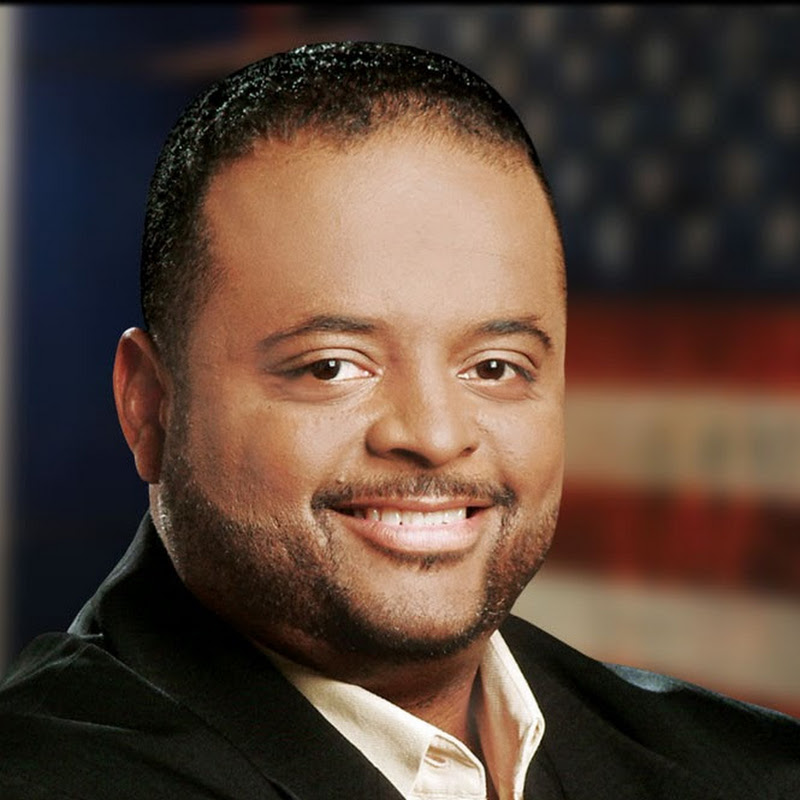
WTH?!? Apple’s First Union Store Gets Axed. Black Workers Allege Discrimination.
YouTube · fSHN44RiV7U
Quick Read
Summary
Takeaways
- ❖Apple is closing its first unionized store in Towson, Maryland, terminating 70-90 employees, many of whom are African-American.
- ❖Employees at two other non-unionized Apple stores closing at the same time are being automatically transferred, unlike the Towson workers.
- ❖The union believes Apple's decision is a direct retaliation for unionization, designed to deter other stores from organizing.
- ❖The host criticizes mega-corporations like Apple, Starbucks, and Amazon for fighting unionization despite their multi-trillion dollar market caps.
- ❖The discussion extends to challenge Black organizational leaders (ELC, Black Business Roundtable) for their perceived silence and inaction on behalf of Black workers and for not leveraging collective power for broader community benefit.
- ❖A distinction is drawn between 'black leaders' chosen by the community and 'leading blacks' selected by corporate media, who may prioritize personal gain over collective advancement.
Insights
1Apple's Alleged Anti-Union Discrimination at Towson Store
Apple is closing its Towson, Maryland store, the first Apple retail location in the U.S. to unionize. Union leader Eric Brown states that while employees at two other non-unionized Apple stores closing simultaneously are being automatically transferred to new locations, all 70-90 employees at the Towson store received termination letters. Brown believes this is a direct retaliatory action against the union, especially given that many of the Towson workers are African-American.
Eric Brown, Vice President of Local 4538, directly states, 'The employees there are being transferred automatically to other locations while myself and all of my co-workers, we all got letters of termination.' He adds, 'I 100% I believe is because we're a union store. That's why we're being treated differently.'
2Corporate Giants' Anti-Union Stance Despite Immense Wealth
The host criticizes multi-trillion dollar corporations like Apple, Starbucks, and Amazon for aggressively fighting against worker unionization. He argues that these companies, with market caps in the trillions, have ample resources to provide better benefits and wages but prioritize shareholder profits and executive compensation over worker welfare.
Roland Martin highlights Apple's market cap of $4.59 trillion and Tim Cook's $74.3 million compensation, contrasting it with the company's anti-union actions. He compares this to Starbucks ($114.82 billion market cap) and Amazon ($2.95 trillion market cap), both known for resisting unionization.
3Critique of Black Organizational Leadership's Silence
The host and guest express concern over the perceived silence and inaction of prominent Black organizational leaders and institutions (e.g., Executive Leadership Council, Black Business Roundtable) regarding corporate injustices against Black workers and the broader Black community. They argue that these groups often prioritize 'gala dinners' and individual advancement over collective advocacy and holding corporations accountable for equitable practices.
Roland Martin directly asks, 'The executive leadership council, where are y'all? ...These black executives getting laid off. A whole bunch of these folk got laid off... Where y'all at?' He challenges them to speak up for 'black workers who are... at the bottom.'
4The Distinction Between Black Leaders and Leading Blacks
Dr. Julia Hair's speech is quoted to differentiate between 'black leaders' who are chosen by and accountable to the community, and 'leading blacks' who are selected by corporate media and institutions. The latter are accused of serving corporate interests and personal gain, often at the expense of the broader Black community's collective advancement.
Dr. Julia Hair's quote: 'Today's black leaders, I'm afraid to have to become leading blacks. And don't ever confuse leading blacks with black leaders. ...The leading blacks are chosen by the media. ...And when you allow leaders to be chosen by the media that's owned by the corporations... the leading blacks sneak into the door to the corporations and they will tell the corporations, 'Oh, we know how to go and put them down.''
Bottom Line
The 'politics of perception' can be a more potent weapon against corporate power than traditional organizing alone, especially for large, image-conscious companies.
Companies like Apple are more afraid of negative public perception and widespread awareness of their anti-worker practices than they are of individual union efforts, suggesting that media platforms and social pressure can be highly effective tools for change.
Activists and labor movements should strategically leverage media and social platforms to shift public perception and expose corporate malfeasance, creating a 'global solidarity' that transcends geographical boundaries and traditional organizing methods.
The current structure of Black organizational leadership often prioritizes individual advancement and symbolic gestures over collective economic empowerment and advocacy for grassroots Black workers.
This leads to a disconnect where Black executives and board members may benefit personally, but the vast majority of Black businesses and workers remain underserved and unprotected against corporate exploitation.
Black organizations need to redefine their mission to demand 'business diversity' that includes substantial contracts for Black-owned professional services, increased Black representation across all corporate levels, and active advocacy for labor rights, ensuring that collective Black power translates into tangible economic benefits for the entire community.
Key Concepts
Politics of Perception
The idea that public perception and collective awareness, amplified by platforms like social media, can be a powerful tool to challenge corporate power and influence change, even when direct organizing is difficult. A shift in public perception can force corporations to renegotiate terms.
Collective Black Power
The concept that Black individuals and organizations must unite and negotiate as a collective to demand equitable distribution of resources, opportunities, and fair treatment from corporations and political entities, rather than individuals seeking personal gain or 'crumbs'.
Lessons
- Utilize social media, phone calls, and letters to pressure Apple to reverse its decision regarding the Towson store employees and to respect unionization efforts.
- Demand accountability from Black organizational leaders (e.g., ELC, Black Business Roundtable) to actively advocate for Black workers and businesses at all levels, not just for a select few at the top.
- Support unionization efforts and choose products from companies that demonstrate fair labor practices and corporate responsibility, aligning purchasing power with personal values.
Notable Moments
Eric Brown details how Apple is terminating all 70-90 unionized Towson store employees while transferring staff from two other non-unionized closing stores, highlighting a clear disparity.
This direct comparison provides concrete evidence of alleged anti-union discrimination by Apple, underscoring the immediate impact on workers and the perceived retaliatory nature of the closure.
Roland Martin recounts his personal experience of Apple's CMO refusing to meet with him despite his extensive use of Apple products, framing it as corporate arrogance and disregard for Black consumers/media.
This anecdote personalizes the broader critique of corporate giants, illustrating their perceived indifference to the communities that support them and their reluctance to engage with influential Black voices.
The hosts discuss the concept of 'politics of perception' and how it can be a powerful tool to challenge capitalism and corporate behavior, suggesting that public awareness can force systemic change.
This shifts the focus from traditional organizing to the power of media and public opinion, offering a strategic framework for how marginalized communities can exert influence over powerful entities.
A clip of Dr. Julia Hair's speech distinguishing between 'black leaders' and 'leading blacks' is played, critiquing those who serve corporate interests over community needs.
This segment provides a foundational critique of certain types of Black leadership, challenging listeners to discern between genuine community advocates and those co-opted by external forces, which is central to the episode's broader argument about collective power.
Quotes
"The employees there are being transferred automatically to other locations while myself and all of my co-workers, we all got letters of termination."
"I 100% I believe is because we're a union store. That's why we're being treated differently."
"These companies that are worth billions upon billions of dollars and they have been fighting desperately to keep workers from unionizing."
"Today's black leaders, I'm afraid to have to become leading blacks. And don't ever confuse leading blacks with black leaders."
"The leading blacks are chosen by the media. ...And when you allow leaders to be chosen by the media that's owned by the corporations... the leading blacks sneak into the door to the corporations and they will tell the corporations, 'Oh, we know how to go and put them down.'"
Q&A
Recent Questions
Related Episodes

Barber Lays Out the Math of Power. 7,000 Votes Control Congress & How We Nationalize State Movements
"Bishop William Barber reveals how a mere 7,000 votes determined the current Congress and outlines a data-driven strategy to nationalize state movements by mobilizing infrequent, low-wage voters."

Mamdani CELEBRATES NYC Rent Freeze, This Will DESTROY The City | Timcast IRL
"New York City's rent freeze, celebrated by Mandami, is framed as a socialist 'land grab' that will devastate the city's housing market and economy, while a FIFA Pride Match in Seattle sparks outrage from conservative nations."

Piers Morgan Clings to Debunked Narrative as New Report Proves Him Wrong
"This episode dissects the mainstream media's denial of critical issues like UK grooming gangs and the SPLC controversy, contrasting it with the celebration of capitalist innovators like Elon Musk amidst socialist critiques."

Black Men Created America’s First Paramedics. Freedom House’s Hidden History
"Discover the untold history of Freedom House, where Black men in Pittsburgh founded America's first paramedic service in 1966, revolutionizing emergency medicine despite facing pervasive systemic racism and institutional sabotage."