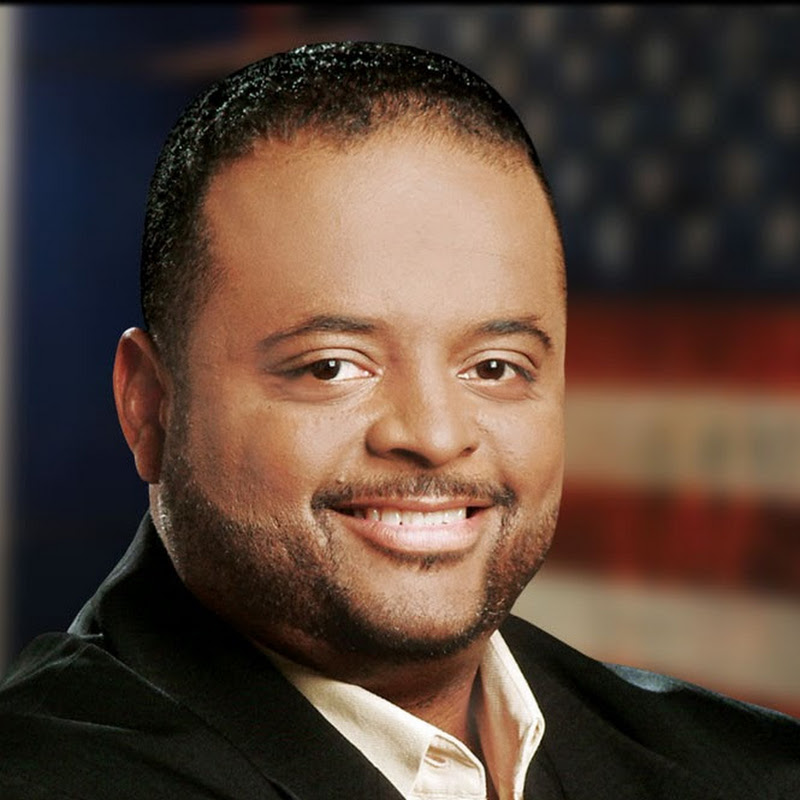
Virginia Referendum Could Flip 4 House Seats. Dems Push New Map Before 2026 Midterms
YouTube · hOMyV5yoC6U
Quick Read
Summary
Takeaways
- ❖The Virginia referendum on April 21st aims to create a 10-1 Democratic-leaning congressional map, temporarily altering the state's congressional makeup.
- ❖Republicans are employing 'blackface' ads and KKK imagery to sow confusion and discourage Black voters from supporting the referendum.
- ❖A 'yes' vote on the referendum is framed as a direct action against Republican gerrymandering and a step towards increasing Black political power nationally.
- ❖Black voter turnout has declined since 2008, and a minimum 70% turnout is advocated as essential to sweep elections at all levels.
- ❖Traditional 'old school' organizing methods like door-to-door canvassing are emphasized as more effective than solely relying on social media for voter mobilization.
- ❖The current political climate is described as a 'Jim Crow 2.0' era, with widespread attacks on voting rights and efforts to 'defund Black America' across various sectors.
- ❖If Democrats gain control of the House, it could lead to the first Black Speaker of the House and significantly more Black members chairing committees and subcommittees, influencing legislation.
- ❖The importance of connecting local votes to national policy outcomes, such as funding for HBCUs, healthcare, and affordable housing, is a recurring theme.
- ❖The current administration is accused of targeting Black military promotions and undermining the intelligence community, leading to a loss of leadership and economic impact.
Insights
1Virginia Referendum: A National Battleground for Black Power
The April 21st Virginia referendum, which proposes a 10-1 Democratic-leaning congressional map, is presented as a pivotal moment with national implications. A 'yes' vote is seen as a direct counter to Republican gerrymandering tactics that have historically suppressed Black votes and representation across the country. Success in Virginia is expected to embolden similar efforts and shift the balance of power in the U.S. House, potentially leading to increased Black leadership and influence.
Host Roland Martin and guests repeatedly link the Virginia referendum to national control of Congress, the potential for a Black Speaker of the House, and increased Black committee chairs. (, , , )
2Deceptive Tactics to Suppress Black Votes in Virginia
Republicans in Virginia are actively using deceptive campaign tactics, including 'blackface' ads and KKK imagery, to confuse and discourage Black voters from supporting the referendum. These ads falsely claim that a 'yes' vote would harm minority representation, despite the proposed map favoring Democrats and potentially increasing Black political power. The goal is to suppress turnout or misdirect votes, leveraging historical anxieties.
Roland Martin details 'white Republicans in this state using blackfaced Republicans to send out mailers that are frankly an abomination as well as running commercials.' Delegate Kimberly Pope Adams states, 'the entire intent of those ads is to sow confusion.' (, )
3The Imperative of 70% Black Voter Turnout
A recurring argument is that Black voter turnout, which has seen a decline since 2008, must reach a minimum of 70% to effectively 'sweep elections locally, state, and impact national as well.' This level of engagement is crucial to overcome voter suppression efforts and ensure that Black communities' interests are represented in public policy. The strategy emphasizes micro-targeting and direct engagement over passive digital campaigns.
Roland Martin asserts, 'if we hit that number [70% turnout] and other folks vote on the same level, we can sweep elections locally, state, and impact national as well.' Petersburg Mayor Samuel Parham advocates for 'old school route... go door-to-door.' (, )
4The 'Defunding Black America' Agenda and Project 2025
The current political landscape is characterized as a deliberate effort to 'defund Black America,' impacting various sectors including military promotions, affordable housing, HBCU funding, and black-owned businesses. Project 2025 is cited as a blueprint for this agenda, which seeks to roll back progress made since the Civil Rights era. This broad attack necessitates a strong, unified political response through voting.
Roland Martin states, 'what we seeing is an effort to defund black America. Project 2025 was their game plan.' Senator Mark Warner highlights cuts to CDFIs and the targeting of 'digital equity grants' in rural areas due to the word 'equity.' (, )
Bottom Line
The current administration's Department of Defense is actively targeting Black military members and women for promotion denial, impacting their retirement pay and stunting future leadership growth.
This isn't just about individual careers; it's a systemic attack on meritocracy within the military, aiming to reshape its leadership demographic and potentially weaken national security by removing diverse talent and experience.
Advocacy groups and political leaders can expose these specific instances of discrimination, push for legislative oversight, and support legal challenges to protect military personnel from politically motivated career sabotage.
The decline in Black voter turnout since 2008 is attributed partly to a generational gap in organizing, where the older, civically active generation has not been adequately replaced by younger, digitally-focused activists who may lack 'old school' mobilization skills.
This gap leaves Black communities vulnerable to voter suppression and reduces their collective political leverage, as digital engagement alone is insufficient for driving high turnout in critical elections.
Develop mentorship programs and training initiatives that bridge the generational gap, teaching younger activists data-driven, micro-targeting, door-to-door organizing techniques, while integrating digital tools for broader reach and coordination.
Key Concepts
Connecting the Dots
The idea that local and state political actions and votes have direct, tangible impacts on national policy, funding, and the quality of life for communities, emphasizing that no issue is isolated from the political landscape.
Old School Organizing
The belief that traditional, micro-targeted voter mobilization strategies—like door-to-door canvassing, block walking, and direct personal appeals—remain the most effective methods for driving voter turnout, especially in Black communities, despite the rise of digital media.
Lessons
- Vote 'yes' on the Virginia referendum by April 21st to support a Democratic-leaning congressional map and counter Republican gerrymandering.
- Engage in 'old school' voter mobilization: knock on doors, make phone calls, and offer rides to the polls to ensure high turnout in your community.
- Challenge and educate those who are confused by deceptive political ads, explicitly explaining how a 'yes' vote increases Black political power and counters anti-Black agendas.
Mobilizing for Maximum Black Voter Turnout
Identify target precincts with low historical Black voter turnout using available data on registered and eligible voters.
Implement door-to-door canvassing and block walking campaigns, focusing on personal conversations about local issues and their connection to the election.
Utilize community networks, including churches and local organizations, to spread the message and encourage collective action, emphasizing the importance of voting early.
Notable Moments
Roland Martin's direct challenge to the Mayor of Petersburg about the quality of gumbo in the city, highlighting the importance of specific cultural elements in community identity.
This lighthearted but pointed exchange underscores the host's commitment to cultural authenticity and community pride, even amidst serious political discussions, reflecting a broader connection to the Black experience.
Senator Tim Kaine and Speaker Don Scott's discussion on the Virginia motto 'Sic Semper Tyrannis' (Thus Always to Tyrants) and Roland Martin's counter-response with '#teamwhipthatass'.
This moment encapsulates the contrasting approaches to political resistance – traditional, Latin-based defiance versus a more colloquial, aggressive, and culturally resonant call to action, reflecting different rhetorical strategies for motivating the base.
Quotes
"If you actually look at the data, if we hit that number [70% Black voter turnout] and other folks vote on the same level, we can sweep elections locally, state, and impact national as well."
"Not voting in this special election is the same as voting against your best interest. It's no different."
"When the other side is adhering to no rules, no morals, no ethics... until that time, kick their ass."
"This is the biggest backlash to progress that this country has seen since the backlash to reconstruction."
"Donald Trump is an organized crime boss and he's running a Trump cartel."
Q&A
Recent Questions
Related Episodes

All Roads Lead To the South: Nat’l Day Of Action For Voting Rights | Mass Rally | Montgomery, AL
"A mass rally in Montgomery, Alabama, ignites 'Freedom Summer 2026' to combat the Supreme Court's decimation of Black political power and demand unprecedented voter mobilization across the South."

NC Targets DEI. Trump Blocks Housing Bill. Minority Banks Face New Rules. Kohen Wiley Protests
"This episode exposes how current political actions, from changes in minority bank definitions to attempts to regulate college athlete earnings and block foreign aid, are systematically undermining Black economic power, voting rights, and social justice."

Contested Primary Elections. Facebook Marketplace Shooting. Hey Black Girl Affirmations#TheBreakdown
"This episode explores a Georgia lawsuit challenging a new election law, highlights a community-driven real estate project building Black wealth, and features initiatives empowering Black women and girls."
BREAKING: CUT THE CAMERA FEED, Trump is NOT OKAY!
"The host dissects the escalating 'dark woke' political rhetoric from Democrats, the perceived hypocrisy of Trump allies, and the concerning mental state of Donald Trump, arguing these dynamics distract from critical issues."