
Larry Johnson: Iran Just SEIZED Control of the Strait of Hormuz – Ceasefire Already Falling Apart?
YouTube · huWp7nfVT0o
Quick Read
Summary
Takeaways
- ❖Iran has established control over the Strait of Hormuz, demanding payment for passage, a non-negotiable precondition for any talks.
- ❖The US military's air defense and strike missile inventories are severely depleted, making sustained conflict with powers like China or Iran untenable.
- ❖The Trump administration initiated the conflict against the advice of key advisors, leading to significant military losses and economic instability.
- ❖Global oil prices are rising, supply chains are disrupted, and the US dollar's value is falling, indicating a global recession and US economic vulnerability.
- ❖China has played a significant behind-the-scenes role, potentially providing Iran with advanced air defense technology and encouraging negotiations.
- ❖US casualty figures from Iranian attacks are significantly understated, with reports suggesting at least double the official numbers.
Bottom Line
The US military's inability to effectively counter Iranian capabilities, particularly in the Strait of Hormuz, renders its traditional naval power in the region largely irrelevant.
This undermines US credibility among Gulf allies, who relied on American security guarantees, potentially leading them to realign with Iran or other regional powers like China.
For regional states, this creates an imperative to diversify security partnerships and potentially invest in indigenous defense capabilities or diplomatic solutions with Iran, rather than relying on a perceived weakening US.
Trump's alleged stock market manipulation through premature 'peace deal' announcements, followed by reversals, highlights a pattern of using geopolitical events for personal or associate financial gain.
This erodes trust in official statements regarding international conflicts and introduces an unpredictable element into market reactions, making it harder for legitimate investors to gauge real economic conditions.
Savvy investors could potentially identify and capitalize on these short-term market fluctuations, though it carries significant ethical and legal risks, warranting increased regulatory scrutiny.
The US is being driven out of key Persian Gulf bases (e.g., Bahrain), and fragile states like the UAE may be 'folded back into Oman' or other regional powers.
This signifies a complete geopolitical restructuring of the Persian Gulf, with Iran emerging as the undisputed hegemon, fundamentally altering regional security architectures and trade routes.
Businesses operating in the Gulf must reassess political risk and potential shifts in regulatory environments, while regional powers may seek to consolidate influence or form new alliances to adapt to Iran's dominance.
Lessons
- Monitor global oil and commodity markets closely, as the asserted Iranian control over the Strait of Hormuz and ongoing regional instability will likely sustain high prices and supply chain volatility.
- Re-evaluate geopolitical risk assessments for investments and operations in the Middle East, particularly concerning US military presence and the stability of Gulf states.
- Observe US domestic political developments, especially regarding the Trump administration's decision-making and its impact on foreign policy, given the claims of mental instability and stock market manipulation.
- Assess the resilience of your supply chains against disruptions in critical maritime routes and consider diversifying sourcing or logistics to mitigate risks from a volatile Persian Gulf.
Notable Moments
Melania Trump's unscheduled statement on the Epstein investigation was used by the administration to distract from the failing war in the Middle East.
This moment underscores the severe political and military challenges faced by the Trump administration, resorting to a major domestic scandal as a diversion from international failures, indicating a crisis of confidence and control.
Quotes
"Iran's now in control of the Strait of Hormuz. United States, accept that. That's you got to accept that."
"The reality for the United States is the air defense systems, the pack missiles, pack three missiles on the Patriot, the THAAD missiles, they're done. They're depleted."
"He [Netanyahu] wanted us to strike. He he came to President Obama. He made a presentation to ask to strike. Uh President Obama refused. President Biden refused. President Bush refused. The only president who has agreed to this obviously is President Trump and it's really..."
"The war is going really well when you have to have Melania come out and talk about Epstein in order to attract draw attention away from the war."
Q&A
Recent Questions
Related Episodes

Patrick Henningsen: Hezbollah JUST Fired Back at Israel - Iran Vows to “Crush” All Attacks
"Patrick Henningsen argues that the US and Israel initiated an illegal war against Iran, driven by Trump's incompetence and Israeli influence, leading to an inevitable escalation with severe global economic repercussions."
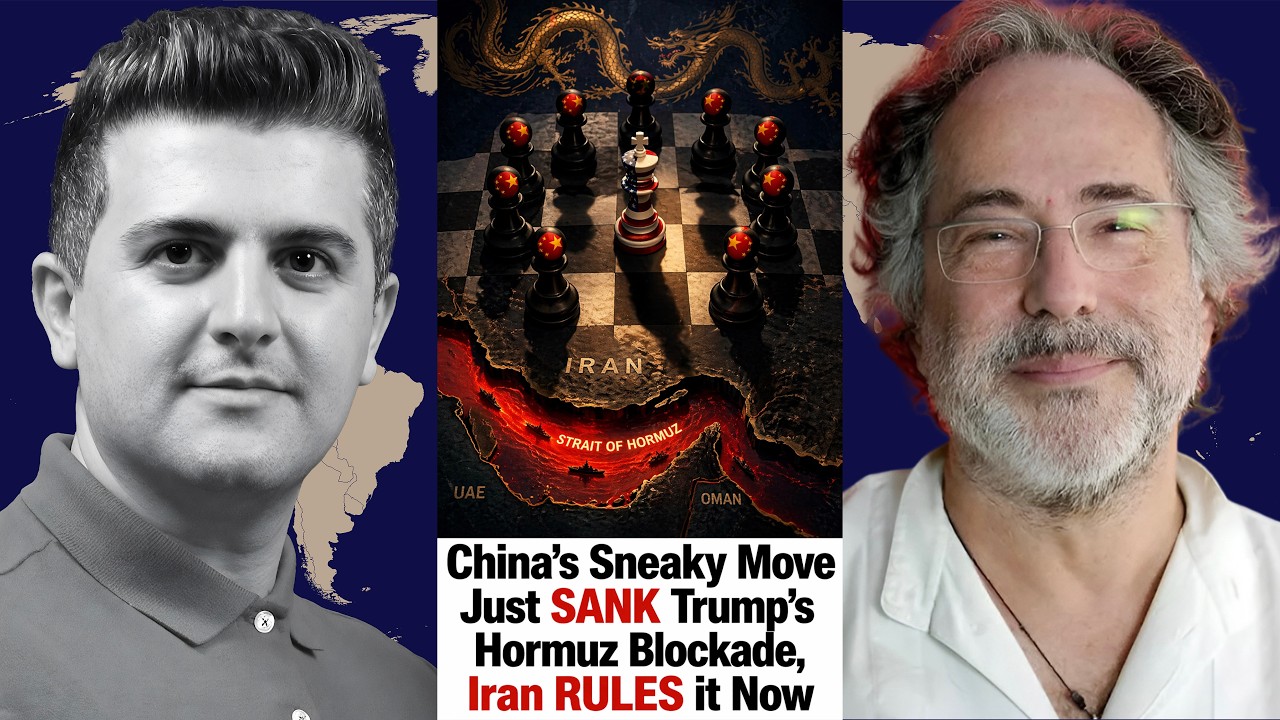
Pepe Escobar: “Total Failure”: Trump’s Blockade Just Backfired Disastrously
"Pepe Escobar argues that the US blockade against Iran, spearheaded by Donald Trump, has utterly failed and backfired, accelerating global economic chaos and challenging US geopolitical dominance."
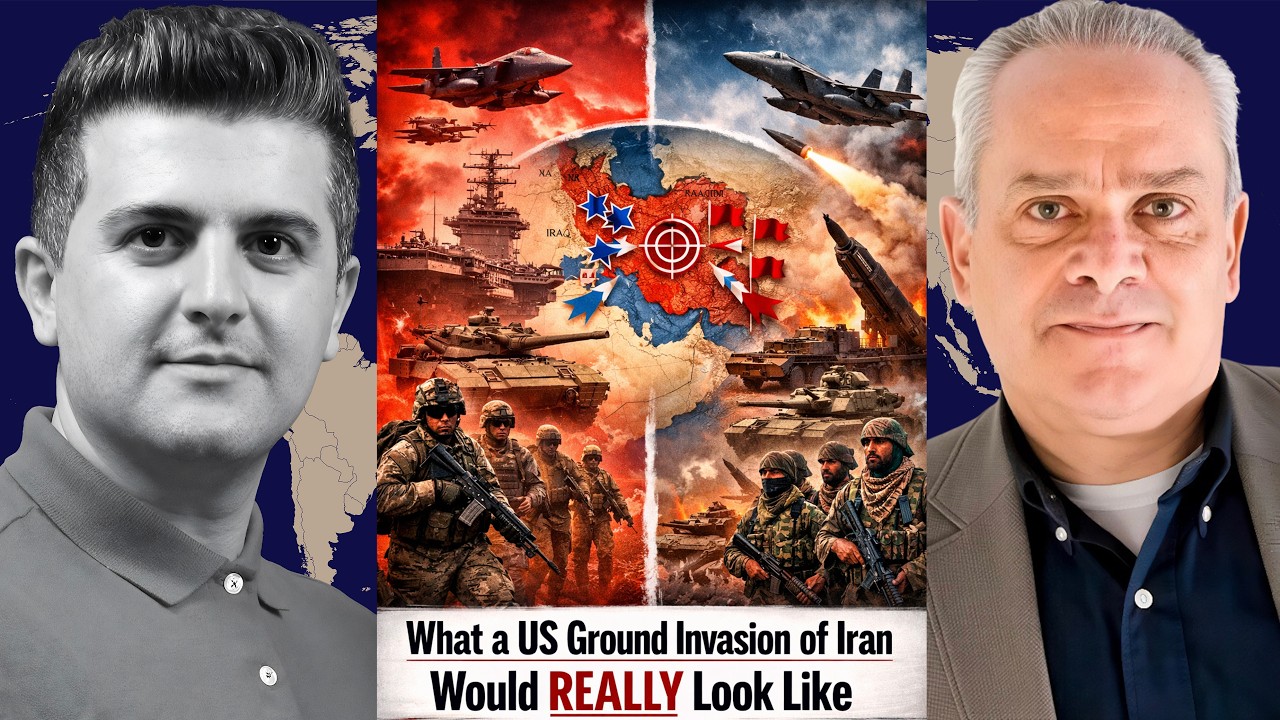
Col. Jacques Baud: What a US Ground Invasion of Iran Would REALLY Look Like
"Colonel Jacques Baud dissects the strategic futility of a US ground invasion of Iran, arguing that current troop levels are insufficient and such an action would backfire, exposing US allies and potentially leading to Iran's nuclearization."
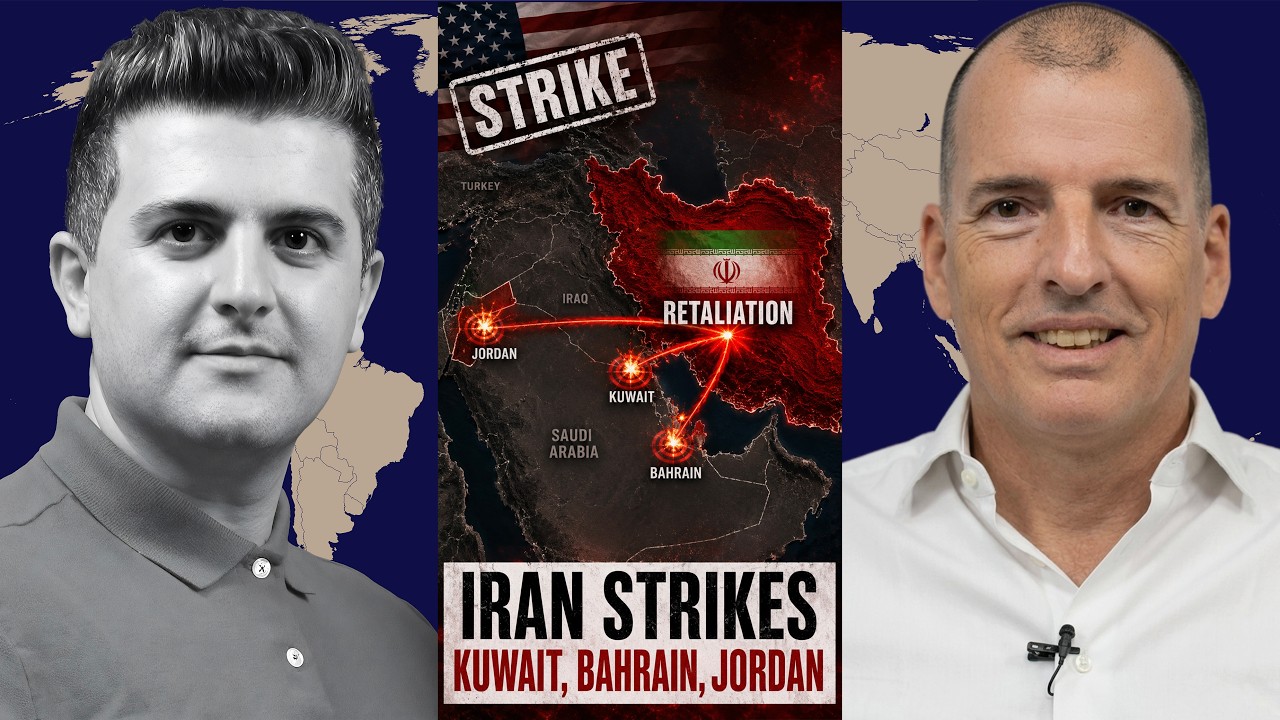
Alex Krainer: US STRIKES Iran – Iran RETALIATES Against Kuwait, Bahrain & Jordan!
"Amidst escalating US-Iran conflict and Iranian retaliation against regional US allies, this episode argues that US foreign policy is deeply controlled by an 'Anglo-Zionist conspiracy' led by the Rothschild banking dynasty, prioritizing Israeli interests over American ones."