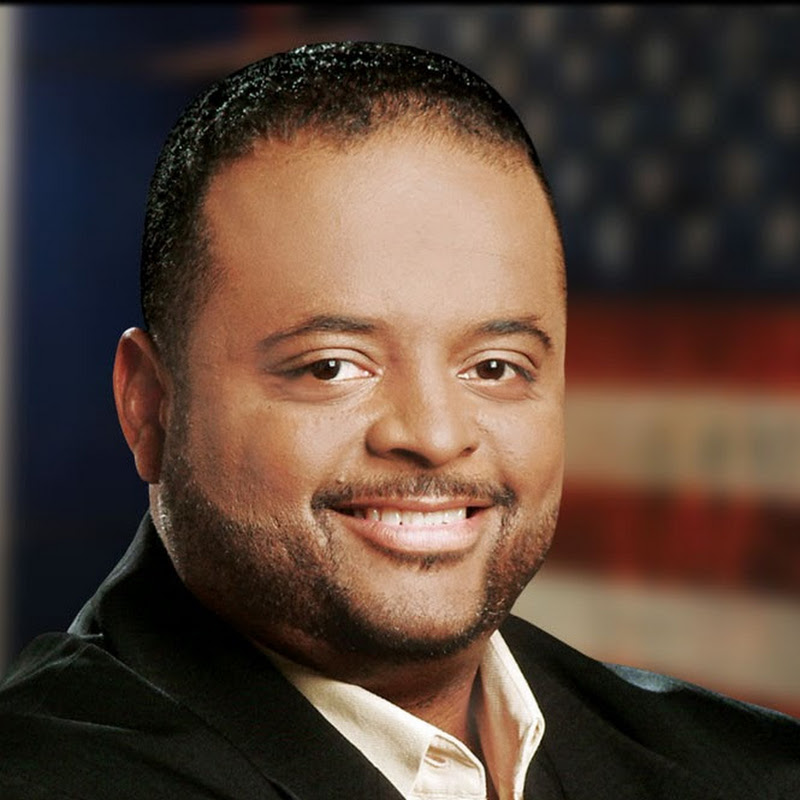
The State of the Black Male. Presence, Purpose, and the Pressure to Provide #ABalancedLife
YouTube · hwKwPLGjnW4
Quick Read
Summary
Takeaways
- ❖Black men must remain engaged in political, economic, and human crises, drawing strength from historical resilience.
- ❖Creating safe spaces for Black men to express their struggles without needing to "fix" them is essential.
- ❖Mentorship is critical; younger generations need to "see it to achieve it" in terms of Black male success.
- ❖Job loss should be reframed as an opportunity for self-assessment, career pivots, and entrepreneurial exploration.
- ❖"Toxic masculinity" is better understood as "trauma masculinity," stemming from foundational emotional gaps due to absent father figures or overemphasis on work.
- ❖Men, like women, struggle with saying "no" due to the pressure to be "all things to all people."
- ❖Therapy, reframed as "coaching," is vital for men to process stress, separate professional intensity from personal relationships, and invest in genuine connections.
Insights
1The Imperative to Stay Engaged Amidst Crises
Scott Bolden emphasizes that Black men must remain politically, economically, and socially engaged despite current crises, drawing parallels to the resilience of past generations who faced far greater challenges like Jim Crow and slavery. He stresses fighting both within and outside existing systems.
We got to stay in the game because, you know, when I compare my life to my father's life... these challenges black men and all of us are facing now are far less, quite frankly, than what they faced. And if they brought us here... we got to stay in the game. We got to fight.
2Reframing Job Loss as a New Opportunity
Scott Bolden advises Black men facing job loss, particularly due to issues like DEI rollbacks, to view it not as a failure but as a "new opportunity" from God. This perspective encourages self-assessment, exploring entrepreneurship, and pursuing work aligned with personal passions.
Losing a job, you know, I call it a new opportunity that God has put you in this place... This is an opportunity. This is a career move... Maybe it's time to think about that [entrepreneurship].
3The Impact of Absent Father Figures and "Trauma Masculinity"
Dr. Tierney connects the current struggles of Black men, particularly those in their 40s and mid-40s, to foundational pieces missed due to absent fathers during the crack epidemic and mass incarceration eras. She redefines "toxic masculinity" as "trauma masculinity," arguing that external validation often stems from this deep-seated brokenness.
We were part of that generation where the fathers were taken out of the homes... we missed some foundational pieces because the fathers were not in the home... This is what feeds that external need for validation... I want to change that into trauma masculinity because a lot of the things that we're seeing now that we're calling toxic masculinity, it is born out of that brokenness of the trauma that happened in the home.
4The Necessity of Men's "Coaching" (Therapy) for Holistic Well-being
Scott Bolden advocates for men to engage in "coaching" (therapy) to manage stress, especially those in high-pressure professions. He shares his personal struggle with bringing work intensity home, realizing the need to separate professional aggression from family relationships and to invest genuinely in personal connections to combat loneliness.
Men should go to coaching... I live every day for the last 40 years. I have woken up and gone into a stressful situation... I had to learn how to leave that away from my home. But more importantly, I had to learn how to to love my family as much as I love my law practice... I've done a lot of work, professional development, on separating those two. And being a better human being instead of being a great lawyer, being a better human being, a father, a better husband.
Bottom Line
The societal pressure on Black men to be "all things to all people" leads to a pervasive guilt when attempting to set personal boundaries or say "no."
This guilt prevents men from prioritizing their mental health and self-care, perpetuating cycles of overcommitment and burnout, which ultimately hinders their ability to be effective leaders and family members.
Develop targeted mental health programs and community dialogues that normalize saying "no" and provide practical strategies for Black men to establish healthy boundaries without feeling guilt or fear of disappointing others.
Opportunities
Entrepreneurial Coaching for Displaced Workers
Develop a coaching program specifically for individuals, particularly Black men, who have lost jobs due to economic shifts or policy changes (e.g., DEI rollbacks). The program would guide them through self-assessment to identify passions, research potential entrepreneurial ventures, and create actionable business plans, helping them pivot careers.
Key Concepts
Each One Teach One
The concept that individuals who have learned a skill or gained knowledge should pass it on to others in their community, particularly relevant for mentorship in the Black community.
Trauma Masculinity
Dr. Tierney redefines "toxic masculinity" as "trauma masculinity," suggesting that many behaviors labeled as toxic stem from unaddressed trauma and foundational emotional gaps experienced by men, particularly those who grew up without present father figures.
Boundaries vs. Barriers
Dr. Tierney distinguishes between boundaries (focused on personal goals, purpose, and self-regulation) and barriers (focused on keeping others out due to their actions). Effective self-care involves setting boundaries for personal progress, not erecting barriers against others.
Lessons
- Actively seek out or create safe spaces within your relationships and community where Black men can openly discuss their struggles without the expectation of immediate solutions or judgment.
- Practice self-assessment to identify what truly brings enjoyment and fulfillment, then explore how to align career or personal pursuits with these passions, even if it means pivoting to entrepreneurship.
- Prioritize setting personal boundaries (focused on your goals and well-being) over erecting barriers (focused on others' actions), recognizing that self-regulation is key to progress and mental health.
- Engage in "coaching" (therapy or professional development) to learn how to compartmentalize work stress, foster healthier relationship dynamics, and invest in genuine friendships to combat loneliness and emotional unavailability.
Quotes
"Black people are a people that thrive. They don't just survive, they thrive and we wouldn't be here without the struggle."
"You can't be what you haven't seen and you have to see it to be able to achieve it."
"It take a man to help a man become a man. You know, as a woman we can only do so much."
"Don't ever delegate the power to define who you are to someone else. It's too precious of a power."
Q&A
Recent Questions
Related Episodes

Sadhguru - Stop Letting Your Mind DESTROY You | SRS #315
"Sadhguru challenges conventional wisdom on 'being in the moment' and stress, arguing that mastering the mind requires understanding its sophisticated design and consciously directing one's internal chemistry for profound well-being."

Crooners Welcome | This Past Weekend w/ Theo Von #664
"Theo Von shares raw, unfiltered opinions on life's 'greasy' moments, from his unexpected Stagecoach performance as a 'crooner' to his strong stance against AI data centers and candid advice on relationships and fatherhood."

EXTRACTION Movie Reaction! | First Time Watch | Chris Hemsworth | Randeep HoodaIndian | Sam Hargrave
"CinePals hosts react to 'Extraction,' praising its groundbreaking action cinematography, Chris Hemsworth's nuanced performance, and the film's profound exploration of fatherhood and grief."

HaHa Davis on Druski, Katt Williams, Kevin Hart, Jay-Z, Relationships, Fame & Social Media Comedy
"Comedian Haha Davis offers a candid look into the unpredictable world of social media fame, the complexities of modern relationships, and the personal journey of finding success while staying true to his Detroit roots."