BREAKING: U.S. SURGES Reinforcements, Warships To Iran; Hormuz Sparks GLOBAL Crisis | TBN Israel
YouTube · iVpH28czDLQ
Quick Read
Summary
Takeaways
- ❖The US has deployed significant naval and troop reinforcements to the Middle East, intensifying the blockade of Iran in the Strait of Hormuz.
- ❖Iran's economy is at a historic low due to sanctions and the blockade, with inflation over 40% and a 50% reduction in purchasing power.
- ❖The US blockade is also pressuring China, which purchases 90% of Iranian oil, leading Beijing to express concerns about global stability.
- ❖Israel is conducting extensive military operations against Hezbollah in southern Lebanon, having eliminated over 1,700 terrorists and destroying significant infrastructure.
- ❖Hamas continues to operate and rebuild in Gaza, with the hosts arguing that a long-term solution requires an international, Arab-led coalition.
- ❖Iran is attempting to rebuild its strategic missile facilities using Chinese equipment and Russian engineers under the cover of diplomatic contacts.
- ❖Kuwait uncovered a covert financing network transferring funds to Iran and its proxies, leading to 24 arrests.
Insights
1US Naval Blockade and Economic Pressure on Iran
The United States has significantly increased its military presence, deploying an aircraft carrier, a Marine force, and 15 warships to enforce a naval blockade in the Strait of Hormuz. This action has effectively halted Iranian oil exports, stopping Iranian ships and severely impacting the country's economy. The hosts report Iran's economy is at a historic low, with inflation exceeding 40% and a 50% reduction in citizen purchasing power, driving the regime towards negotiations for sanctions relief.
Thousands of American troops are on their way to the Middle East. It appeals that the United States military is ready with an aircraft carrier, a Marine force, and new sanctions. () US dystoils in the area have already stopped Iranian ships and ordered them to turn back. We have stopped Iran's economic trade by sea, wrote the Sencom commander. () The Iranian economy is at a historic low point. The regime desperately needs sanctions relief. The purchasing power of the Iranian citizen has been cut by 50%. Inflation is racing above the 40% mark. ()
2China's Economic Exposure and Diplomatic Intervention
The US naval blockade on Iran directly impacts China, which purchases 90% of Iranian oil. This economic pressure has caused rising fuel and transportation costs for China, leading President Xi to publicly warn against a 'slide into the law of the jungle.' China's foreign ministry called the blockade 'dangerous and irresponsible,' signaling that while it supports Iran's sovereignty, it also demands freedom of navigation, indicating its allyship is not a blank check.
The American blockade on Iran is apparently also intended to pressure China, which buys 90% of Iranian oil. () President Xi warned in his first public reference to the war against a slide into the law of the jungle. () China broke its silence. Its foreign ministry called the blockade dangerous and irresponsible and pinging publicly spoke about the danger of a return to the law of the jungle. () Chinese Foreign Minister Wang Yei spoke with Abasaraki and called for preserving freedom of navigation in the Strait of Hummus while stressing two points at once. Protecting Iran's sovereignty and its security, but also guaranteeing the safety and the freedom of international navigation. ()
3Israel's Multi-Front War Against Iranian Proxies
Israel is actively engaged in military operations on multiple fronts. In Lebanon, IDF special forces have destroyed approximately 70 Hezbollah terror infrastructures and eliminated over 1,700 terrorists, with the Chief of Staff declaring southern Lebanon up to the Litani line a 'kill zone.' In Gaza, while a ceasefire is in place, Hamas terrorists are reportedly rebuilding their capabilities and enlisting new members, prompting continued IDF operations to dismantle their command and production units.
EGO and Yalom IDF super units special forces destroyed around 70 Hisbala infrastructures in southern Lebanon. () We've eliminated more than 1700 terrorists uh to date in uh inbalah. () Hamas terrorists are still seen controlling the Gaza Strip. I've seen images of Hamas terrorists on pickup trucks... We have also reports of them enlisting some 10,000 new terrorists into the ranks. () The IDF announced the elimination of Ahmed Abu Hashra, a commander in Kamas's communications unit... Earlier, two central operatives in Kamas's production units were also eliminated. ()
Bottom Line
Iran is signaling tactical flexibility by offering to allow ships through the Omani side of the Strait of Hormuz, rather than direct Iranian waters, to preserve the appearance of control while lowering risk.
This move suggests Iran is feeling the pressure of the blockade and seeking ways to de-escalate without appearing to surrender control of the Strait, potentially elevating Oman's role as a mediator and trade facilitator.
Oman could emerge as a key neutral player in regional maritime trade and diplomacy, offering a less confrontational route for international shipping.
The IDF's Persian language spokesperson publicly questioned whether the spokesperson for Iran's security forces headquarters is an AI-generated fictional figure.
This is a strategic psychological operation aimed at undermining the Iranian regime's credibility and sowing distrust among its public, suggesting that even official communications might be fabricated.
This highlights the increasing role of information warfare and AI in modern geopolitical conflicts, where perception management is as critical as military action.
Lessons
- Monitor global oil prices and supply chain disruptions, as the US blockade on Iran and China's response could significantly impact energy markets.
- Understand the complex, multi-layered nature of conflicts in the Middle East, recognizing that military actions are often intertwined with economic and diplomatic strategies.
- Pay attention to the role of regional mediators like Pakistan and Oman, as their efforts could signal potential pathways for de-escalation or new trade routes.
Notable Moments
Israel and Lebanon both rejected French attempts to mediate negotiations, indicating France's diminished influence in the region.
This highlights a shift in regional power dynamics, with the US remaining the dominant diplomatic force and former colonial powers like France losing their leverage in critical discussions.
The IDF Chief of Staff declared that all territory in southern Lebanon up to the Litani line must become a 'kill zone' for Hezbollah.
This strong declaration signals a strategic shift from merely targeting Hezbollah assets to systematically dismantling and preventing the organization's return to the border area, indicating a long-term, aggressive posture.
Quotes
"The Iranian regime lies consistently. They're violent. They're terrorists. We should treat them as violent terrorists, which is exactly what they are. And yes, the pressure by the Americans is working."
"Iranian missiles can sink American ships in the Strait of Hummus and added that if the United States chooses a ground invasion, Iran will take thousands of hostages and demand $1 billion for each of them."
Q&A
Recent Questions
Related Episodes

Patrick Henningsen: Hezbollah JUST Fired Back at Israel - Iran Vows to “Crush” All Attacks
"Patrick Henningsen argues that the US and Israel initiated an illegal war against Iran, driven by Trump's incompetence and Israeli influence, leading to an inevitable escalation with severe global economic repercussions."

Iran Update: Israel’s Newest Bombing Campaign, the Oncoming War With China and How to Avoid It
"Colonel Wilerson reveals how the US and Israel are actively bombing China's strategic infrastructure in Iran, escalating a covert economic war that Beijing intends to win without direct military conflict by dismantling the dollar's global dominance."

Bibi DEMANDS Ground Troops As Marines Rushed to Iran
"Benjamin Netanyahu is pushing for US ground troops in Iran, framing air strikes as insufficient, while the US rushes Marines to the region and struggles to secure the Strait of Hormuz against surprisingly capable Iranian defenses."
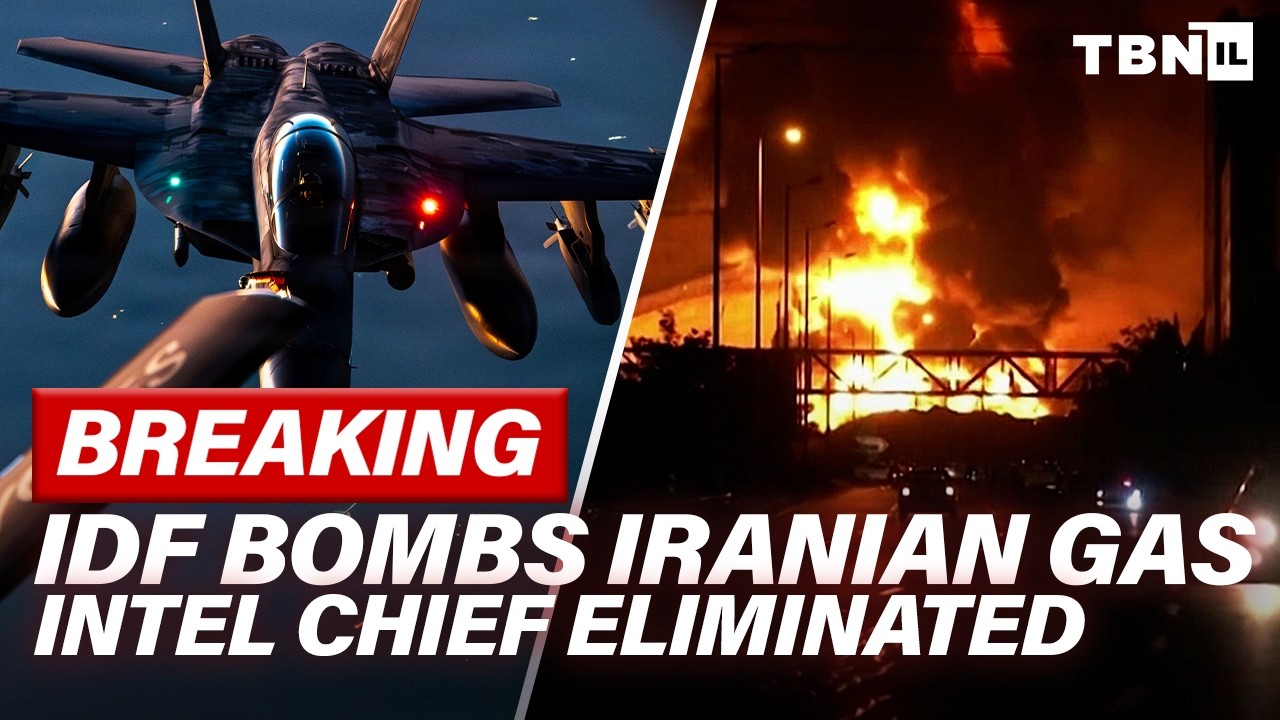
BREAKING: Israel BOMBS Major Iran Gas Site; Top Mullah ELIMINATED; Iran Vows VENGEACE | TBN Israel
"Israel and the United States have escalated their 'Roaring Lion War' against Iran, striking its largest gas facilities, eliminating key intelligence and military figures, and disrupting missile production, while Iran threatens a broader energy war in the Gulf."