LIVE REACTION: Hegseth Press Event, Iran War Updates (w/ Tom Nichols)
YouTube · j0YP90usoq0
Quick Read
Summary
Takeaways
- ❖The US strategy in Iran is criticized for lacking a clear 'end state,' focusing on kinetic operations without a plan for post-conflict stability.
- ❖Pete Hegseth's public statements are seen as partisan and inappropriate, failing to convey a serious strategic message or acknowledge casualties respectfully.
- ❖Historical parallels from Iraq, Vietnam, and Afghanistan demonstrate that military withdrawal without a stable governance plan leads to chaos and the rise of opposing forces.
- ❖Logistical concerns about US munition stockpiles are raised, contradicting official statements and highlighting the strain of extensive air campaigns.
- ❖China is actively observing US military operations, using the conflict to study and develop counter-strategies, posing a long-term geopolitical risk.
Insights
1Absence of a Coherent US Strategy in Iran
Tom Nichols states that the White House lacks a clear strategy for Iran, beyond simply dropping a 'Super Bowl's worth of steel' and hoping for a positive outcome. This approach mistakes operational success (destroying targets) for strategic success (achieving political objectives).
Nichols: 'The problem is that I don't know what the strategy is and I don't think that the White House does. I think that they... went into this war and they said, 'Look, let's drop a Super Bowl's worth of steel on everything in Iran... and then dot dot dot something good will happen and that's not really a strategy.'
2Critique of Pete Hegseth's Public Communication
Pete Hegseth's press conference is heavily criticized for being partisan, focusing on 'find them, kill them' rhetoric without articulating a strategic purpose, and disrespecting casualties by framing them as 'tragic things happen.' His communication is deemed inappropriate for a Secretary of Defense during a major conflict.
Nichols: 'He doesn't sound like a retired squad leader, company commander, sounds like a retired squad leader captain on Fox News, you know, trying to make a partisan point because, you know, that's something the fake news doesn't get.' Hurtling: 'His main job along with the chairman is to take those tactics and those operations and match them to a strategy. But all they're concerned about right now is kinetic operations.'
3Limitations of Air Power Without Ground Forces for Post-Conflict Stability
While air power can cause immense destruction, it cannot 'hold ground' or rebuild institutions. Destroying a regime without a plan for who will govern afterwards leads to chaos, empowers bad actors, and makes reconstruction difficult, as seen in Iraq and Somalia.
Nichols: 'Aircraft cannot hold ground.' Hurtling: 'What comes next after the last bomb drops? What's going to happen? And I don't think the administration's paid a whole lot of attention to that.' Nichols: 'It's regime destruction... and the only way you can replace a regime is with boots on the ground.'
4Logistical Strain and Contradictory Statements on Munitions
The extensive use of precision munitions and missile defense systems in Iran raises concerns about depleting US stockpiles. Pete Hegseth's claim of 'tens of thousands' of munitions is contradicted by the administration's own national defense strategy, which prioritized rebuilding the industrial base due to low ammunition levels.
Hurtling: 'I'm not buying the Hegseth comment that we have tens of thousands of precision munitions left... because he published a national defense strategy about a month ago, and the fourth priority was to rebuild the industrial base because we were low on ammunition.'
Bottom Line
China is actively studying US military operations and resource expenditure in the Middle East to inform its own strategic planning, particularly regarding potential conflicts like Taiwan.
While the US focuses on current conflicts, China is gaining valuable intelligence on US capabilities, logistics, and vulnerabilities, which could be leveraged in future geopolitical confrontations.
The US should consider the long-term strategic implications of its military engagements on global power dynamics, ensuring that immediate actions do not inadvertently strengthen long-term adversaries.
Destroying a regime without a clear plan for post-conflict governance creates a power vacuum that can lead to humanitarian disasters, mass migration, and the rise of new, potentially more dangerous, factions.
The 'hope is a method' approach to regime change without 'boots on the ground' (even allied ones) is irresponsible and historically proven to fail, leading to prolonged instability and suffering.
Any military intervention aimed at regime change must be accompanied by robust, well-resourced plans for stabilization, governance, and humanitarian aid, potentially involving international coalitions or local forces.
Key Concepts
Tactical, Operational, Strategic Levels of War
Tactical refers to individual battles, operational art links multiple battles into a campaign, and strategy defines the overarching political objectives and desired end state. The podcast argues the US is excelling at tactical and operational levels but failing at the strategic level in Iran.
The Enemy Gets a Vote
A core principle in warfare stating that military plans must account for the adversary's reactions and adaptations, as they will not passively accept defeat. This is highlighted by Iran's continued missile strikes and the need to adapt campaigns.
End State
The desired political and military conditions that define the successful conclusion of a conflict. The hosts and guest repeatedly emphasize the absence of a clear end state in the US approach to Iran, leading to an undefined purpose for military actions.
Lessons
- Demand clear strategic objectives and a defined 'end state' from political leaders before committing to military action, ensuring that tactical successes contribute to a broader, achievable goal.
- Critically evaluate public statements from government officials during conflicts, looking for consistency, empathy, and strategic coherence rather than partisan rhetoric or dismissiveness.
- Advocate for comprehensive post-conflict planning, including provisions for governance, reconstruction, and humanitarian aid, to prevent power vacuums and prolonged instability after military interventions.
Notable Moments
The hosts play a clip of Pete Hegseth's press event, where he uses aggressive, partisan language and dismisses casualties, which is then thoroughly critiqued by the military experts.
This moment exemplifies the podcast's central critique of poor government communication and the politicization of military affairs during a critical time, highlighting the disconnect between strategic reality and public messaging.
General Hurtling shows a box containing pictures of 253 soldiers and sailors who died under his command, emphasizing the profound personal cost of war and contrasting it with Hegseth's dismissive tone.
This powerful, personal moment underscores the human tragedy of war and the responsibility of leaders to treat casualties with gravity, directly challenging the flippant attitude displayed by Hegseth.
Quotes
"The problem is that I don't know what the strategy is and I don't think that the White House does."
"You can win every battle, you can win every fight as we have done in many wars past in our history and lose the war."
"You know, you never beat us on the battlefield. And the NVA colonel says, that's true. It's also irrelevant."
"His main job along with the chairman is to take those tactics and those operations and match them to a strategy. But all they're concerned about right now is kinetic operations."
"The only thing worse than working with working with allies is not working with allies."
Q&A
Recent Questions
Related Episodes

Sarah Gets Emotional Over the Pete Buttigieg Story | The Next Level
"The hosts passionately debate the weaponization of child protective services against Pete Buttigieg, analyze recent SCOTUS rulings, and dissect the implications of DSA primary wins and Senate polling, all while expressing strong opinions on political character and strategy."
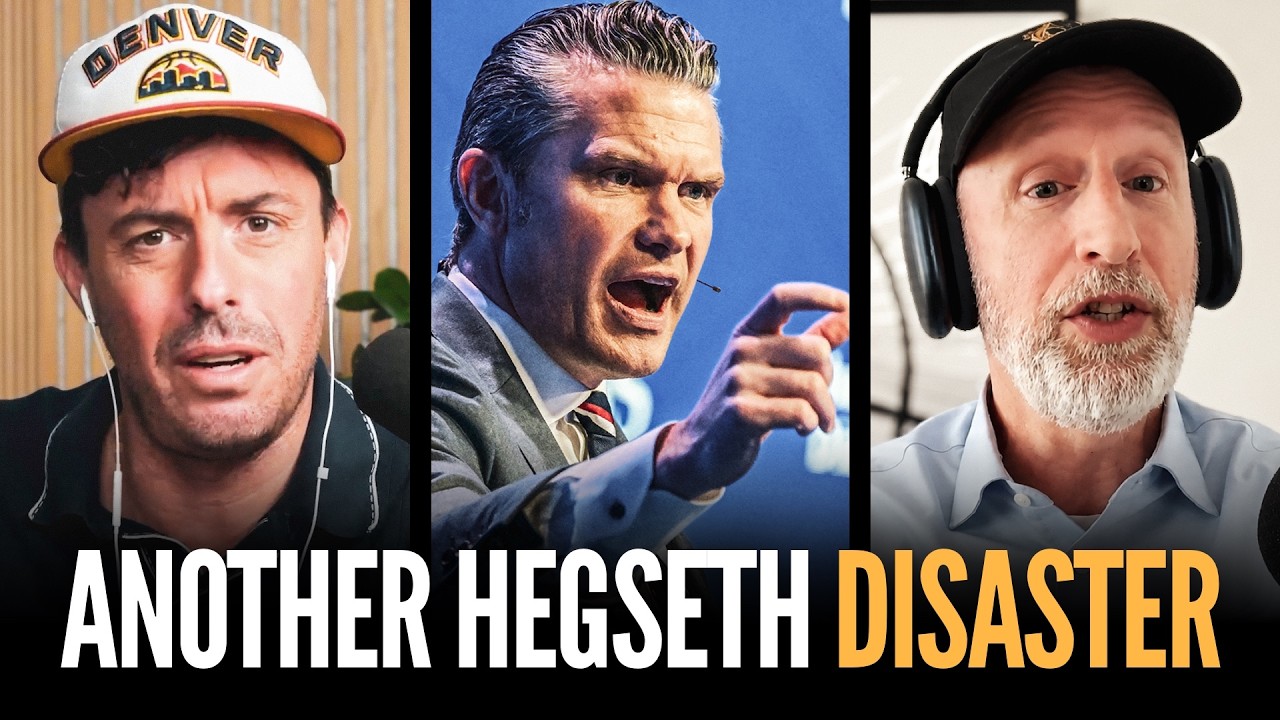
This Could be Hegseth's Biggest Mistake Yet (w/ David French) | Bulwark Podcast
"Tim Miller and David French dissect recent Supreme Court rulings, from birthright citizenship to executive power, and offer sharp political commentary on the state of American democracy and the challenges facing both major parties."
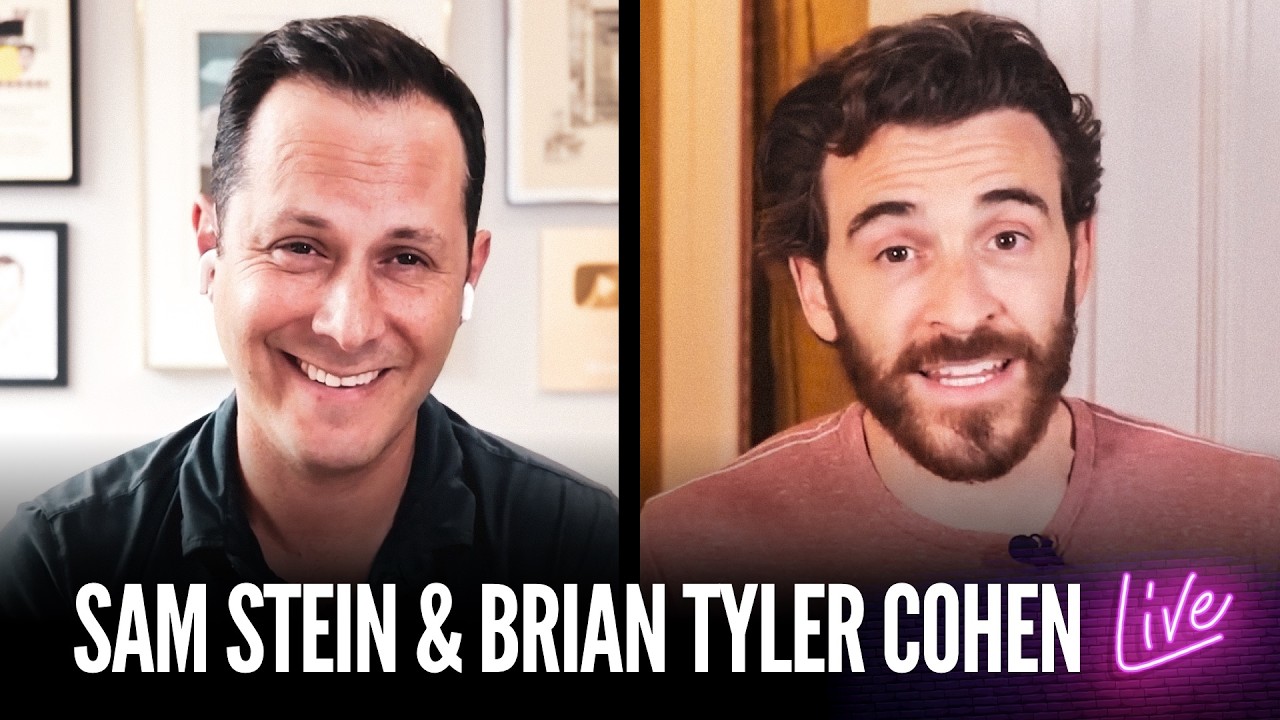
Sam Stein and Brian Tyler Cohen
"Brian Tyler Cohen, author of 'The Day After,' outlines a bold strategy for Democrats to effectively wield power in a post-Trump era, advocating for aggressive institutional reforms and a rejection of incrementalism."

BREAKING: SCOTUS Upholds Birthright Citizenship, Releases Other Major Decisions | Morning Shots
"The Supreme Court upheld birthright citizenship, invalidating a key Trump executive order, while also ruling on campaign finance and transgender sports, revealing a complex and often unpredictable judicial landscape."