
Why It Took Congress Years to Pass a Bill No One Opposed
YouTube · j4BdetOqdss
Quick Read
Summary
Takeaways
- ❖The 'Give Kids a Chance Act,' aimed at boosting pediatric cancer research, was introduced in 2021 and took years to pass despite overwhelming bipartisan support.
- ❖The bill's passage was initially blocked by Elon Musk's demands to cut government funding and later by Senator Bernie Sanders' objection to prioritize other health provisions.
- ❖Its eventual success, as part of a larger appropriations bill, highlights the complex and often frustrating nature of congressional procedure, but also the value of incremental legislative wins.
Insights
1The 'Give Kids a Chance Act' Details and Impact
The bill allows for the study of combination drug therapies for pediatric cancer, opens funding channels for research, and reduces bureaucratic red tape for grant applications. This is critical because pediatric cancer research is chronically underfunded due to the relatively small patient population, making pharmaceutical companies reluctant to invest heavily. The executive director for Kids V Cancer, Nancy Goodman, stated the bill could create the infrastructure to cure cancer for kids.
The bill would allow for the study of combination drug therapies for kids suffering with cancer, make it so the FDA would allow for those combination drug therapy treatments to be studied. In addition, it would open up some funnels of money for pediatric cancer research and there would be some lessening of the bureaucratic red tape around pediatric cancer research and grant applications as well. Nancy Goodman stated the ability to study combination therapy treatments can create the infrastructure to actually cure cancer for kids.
2Elon Musk's Intervention Derailed Initial Passage
In December 2024, the 'Give Kids a Chance Act' was part of a government funding bill. Elon Musk publicly demanded Republicans torpedo the legislation due to his dislike of extra funding provisions, leading to the bill's removal and subsequent failure to pass.
In December 2024, this bill, the Give Kids a Chance Act, was part of a government funding bill... Elon Musk threw a temper tantrum because he didn't like any of the extra funding that was part of that government funding deal... and he demanded that Republicans torpedo the legislation and they did.
3Bernie Sanders' Objection Stalled Unanimous Consent
A year later, the bill was brought to the Senate for consideration by unanimous consent, requiring all 100 senators to agree. Senator Bernie Sanders objected, not because he opposed the bill itself, but because he wanted all health-related provisions cut by Musk a year prior to be restored, arguing it was unfair to pass only one priority.
The United States Senate put it up for consideration by unanimous consent... And then at the very last minute, Senator Bernie Sanders of Vermont objected... he wanted all those provisions that Elon Musk had demanded be cut 12 months ago... He wanted all of them restored, not just the Give Kids Chance Act.
4Incremental Progress as a Political Victory
The host emphasizes that despite the frustrating delays and political maneuvering, the bill's ultimate passage represents a significant win for incremental progress. It demonstrates that real good can be achieved through regular congressional procedure, providing hope and tangible benefits to children with cancer and other progressive priorities like NIH funding and opioid treatment.
Incremental progress is progress... real good was actually put into place here... kids who are suffering from horrific cancer diagnoses now will have a modicum of hope... There's funding for the NIH in this bill. There's funding for opioid treatment in this bill. There's funding for the community health centers that Bernie Sanders really wanted.
Lessons
- Advocates for specific legislation must prepare for their efforts to be derailed by unrelated political agendas or broader legislative demands, even for universally supported bills.
- Understanding congressional procedures, such as unanimous consent and appropriations bills, is essential for navigating the legislative landscape and identifying potential pitfalls or opportunities.
- Recognize that achieving 'real good' in politics often comes through incremental progress and strategic compromises, rather than sweeping, immediate victories.
Quotes
"This is an effort to try to at least get around some of the issues that confront families who have to deal with this horrific diagnosis."
"This is real stuff. There's also a larger political story to be told here too. Um, incremental progress is progress."
"One thing that they're not going to do, I'm pretty damn confident of, they're not going to undo the Give Kids a Chance Act. That is now law of the land."
Q&A
Recent Questions
Related Episodes

LIVE: MAGA gets UNCOVERED as Trump Sparks DISASTER EVERYWHERE
"This episode exposes how Donald Trump's self-serving actions and alleged cognitive decline are creating widespread chaos, from sabotaging bipartisan legislation to fabricating vandalism at national monuments and undermining foreign policy."

PBS News Hour full episode, June 17, 2026
"This episode unpacks the controversial US-Iran peace agreement, President Trump's chaotic DNI nomination, the Fed's cautious stance on interest rates, and the profound personal impact of abortion bans and historical racial healthcare disparities."

GOP's Idiotic California Election Conspiracy | David Dayen | TMR
"This episode debunks the GOP's California election conspiracy, reveals how defunding 'frivolous' government programs led to a flesh-eating screwworm crisis impacting beef prices, and argues for Democrats to prioritize structural democratic reforms over policy laundry lists."
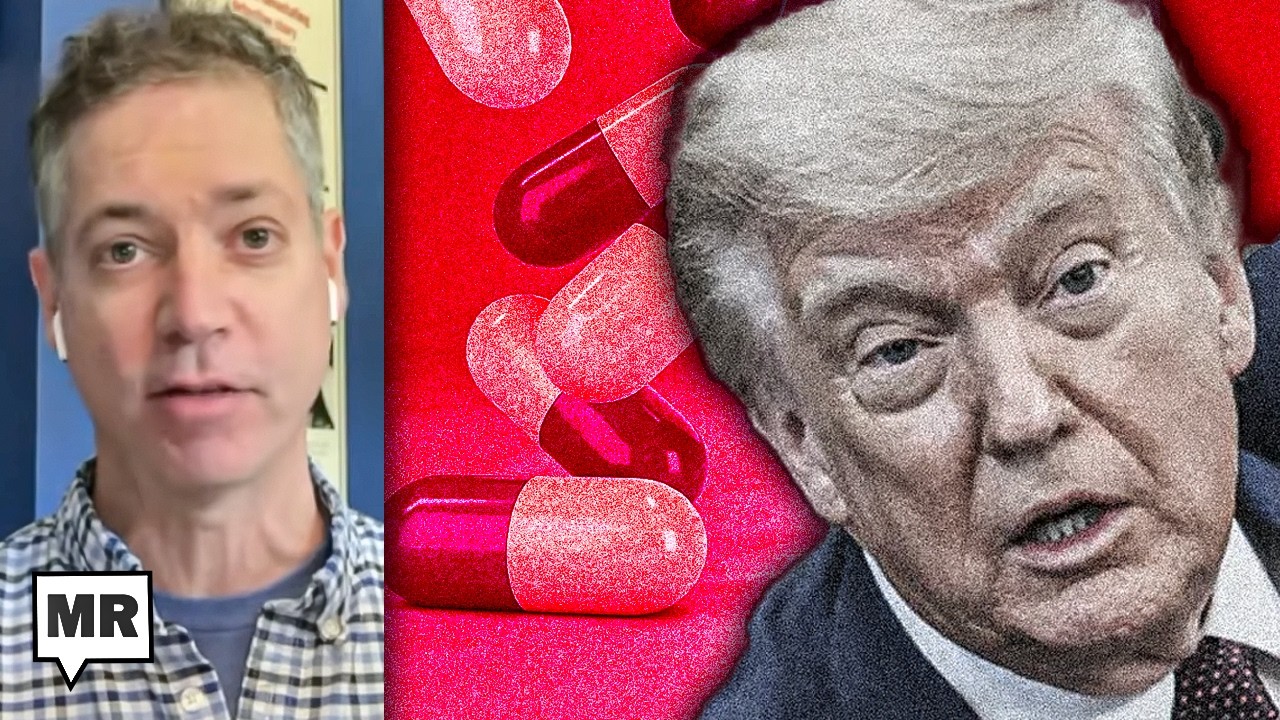
How Trump Is Killing Cancer Cures | Jonathan Cohn | TMR
"Jonathan Cohn details how the Trump administration's policies are systematically undermining federal medical research funding and Medicaid, threatening future scientific breakthroughs and access to healthcare."