BREAKING: Iran URANIUM Vanishes? Trump Says NUKES Are Over; Hezbollah Recruits | TBN Israel
YouTube · jdtrtLATTf4
Quick Read
Summary
Takeaways
- ❖Iran's Revolutionary Guards are actively recruiting young Iranians to serve in Hezbollah, offering high salaries ($1,000/month) to replenish forces after IDF losses.
- ❖A significant amount of highly enriched uranium (400kg at 60% enrichment) is missing, and Iran is reportedly denying IAEA inspectors access to damaged nuclear sites.
- ❖Former President Trump claims Iran's nuclear weapon ambitions are 'over' and that Iran committed not to charge fees in the Strait of Hormuz, but Iran denies these concessions.
- ❖Gulf states (Saudi Arabia, UAE, Kuwait, Bahrain) are pursuing direct diplomatic channels with Iran, indicating a lack of trust in US protection.
- ❖The US Department of Energy is seeking $672 million for operations to remove sensitive nuclear materials from Iran, neutralize infrastructure, and expand detection systems, contradicting claims that the nuclear issue is resolved.
- ❖Trump criticized NATO allies (Germany, France, Britain, Spain) for lack of loyalty during the 'war against Iran' and suggested Turkey could have joined Iran's side.
- ❖Radical Islamist networks within the United States are reportedly using 'political jihad' to influence US foreign policy, spreading anti-Israel sentiment and supporting groups like Hamas.
Insights
1Iran's Recruitment Drive for Hezbollah
Following heavy losses inflicted by IDF forces, Iran has initiated a recruitment campaign within its borders, offering young Iranians a substantial salary of $1,000 per month to join Hezbollah in Lebanon. This amount is significantly higher than Iran's estimated minimum wage of $140, indicating Iran's strategic commitment to rebuilding and strengthening Hezbollah's combat capabilities, including elite units like the Radwan commando forces.
Posters on Tehran streets offer $1,000/month for Hezbollah service; minimum wage in Iran is ~$140. Recruits train with Revolutionary Guards/Quds Force before deployment to Syria/Lebanon.
2Discrepancies and Distrust Regarding Iran's Nuclear Program and Strait of Hormuz
Despite former President Trump's declarations that Iran's nuclear weapon program is 'over' and that Iran agreed not to levy fees in the Strait of Hormuz, there are significant contradictions. The IAEA is concerned about 400kg of 60% enriched uranium that is unaccounted for, and Iran's Foreign Ministry denies agreeing to allow inspections at damaged sites. Similarly, while Trump claims Iran committed to free passage in Hormuz, Tehran asserts it retains the right to charge for 'assistance and security services' after a 60-day negotiation period, and has formed a joint working group with Oman to discuss future management and costs.
Trump's 'It is over' statement (); IAEA head Rafael Grossi seeks inspections for missing uranium (); Iranian Foreign Ministry spokesman denies inspection agreement for damaged sites (); Trump claims Iran committed not to charge fees in Hormuz (), but Iran claims right to charge for 'assistance and security services' () and formed a joint working group with Oman ().
3Gulf States Forge Independent Ties with Iran Amid US Distrust
Gulf states, including Saudi Arabia, UAE, Kuwait, and Bahrain, are increasingly distrustful of the United States' ability to protect their interests against Iran. This has led them to establish parallel diplomatic channels and direct agreements with Tehran, such as Oman and Qatar's involvement in broader negotiation tracks. This move potentially grants Iran a new, elevated status as a regional player that the Gulf states must engage with directly to ensure energy flow and stability, thereby increasing Iran's leverage.
Gulf states 'no longer fully trust the United States' () and opened 'parallel track of agreements directly with Iran' (). Oman and Iran announced a joint working group for Strait of Hormuz management (). Qatar's PM arrived in Oman to promote broader negotiations between Iran and Gulf states ().
Lessons
- Monitor Iran's recruitment activities for Hezbollah and its impact on regional stability, particularly in Lebanon and along Israel's northern border.
- Track the IAEA's efforts to verify Iran's nuclear material stockpiles and access to sites, as discrepancies could signal a heightened proliferation risk.
- Observe the evolving diplomatic landscape in the Gulf, noting any direct agreements between Gulf states and Iran that might indicate a shift in regional alliances and US influence.
Quotes
"It is a shame you don't learn from Nasrallah, his predecessor, that was annihilated."
"Iran will never have a nuclear weapon. It is over."
"The United States is still very strong, but it is not rushing to pay a long price, a long ground price inside Iran."
Q&A
Recent Questions
Related Episodes

🚨 TOTAL F*CKING CHECKMATE 😂😂😂
"The host argues that Trump's 'ceasefire' with Iran was a calculated '5D chess' move to orchestrate a global energy market reshuffle, while simultaneously lambasting 'woke' domestic policies and the 'freefall' of anti-Trump conservative figures."
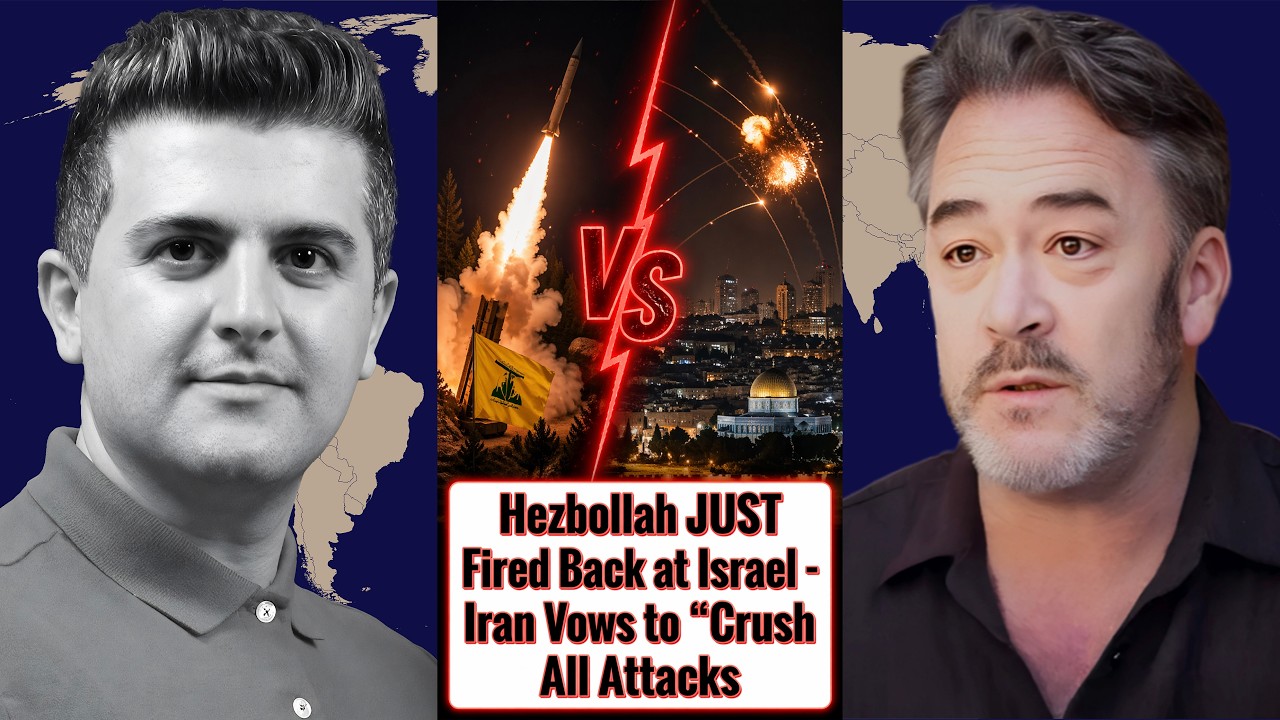
Patrick Henningsen: Hezbollah JUST Fired Back at Israel - Iran Vows to “Crush” All Attacks
"Patrick Henningsen argues that the US and Israel initiated an illegal war against Iran, driven by Trump's incompetence and Israeli influence, leading to an inevitable escalation with severe global economic repercussions."
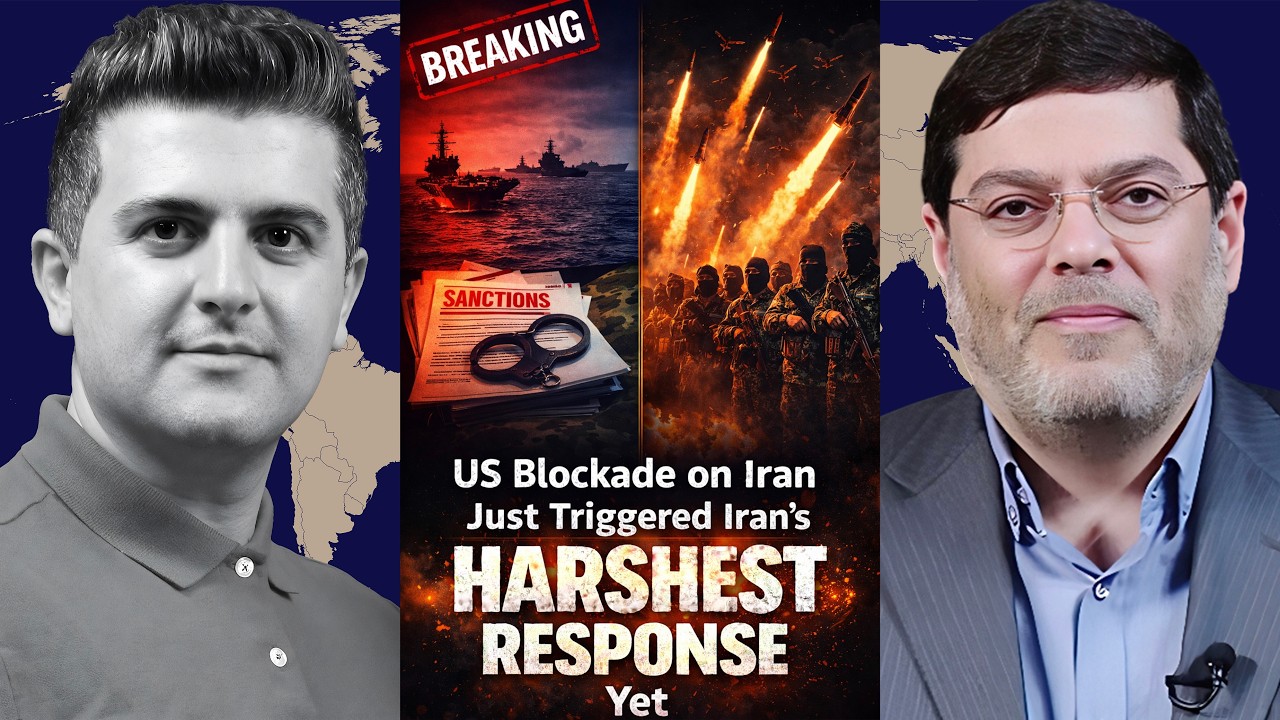
Seyed M. Marandi: US Blockade on Iran Just Triggered Iran’s HARSHEST Response Yet
"An Iranian professor details how US demands and an imposed blockade triggered Iran's harshest response, exposing American strategic missteps and the vulnerability of Gulf Arab states."

Bibi DEMANDS Ground Troops As Marines Rushed to Iran
"Benjamin Netanyahu is pushing for US ground troops in Iran, framing air strikes as insufficient, while the US rushes Marines to the region and struggles to secure the Strait of Hormuz against surprisingly capable Iranian defenses."