
Unabomber Look Back, Karen Read Trial, Zodiac Killer Deep Dive - Megyn's "True Crime" Mega-Episode
YouTube · kypAb0lBmI0
Quick Read
Summary
Takeaways
- ❖The Unabomber investigation was a painstaking, multi-agency effort, ultimately cracked by linguistic analysis of his manifesto.
- ❖Ted Kaczynski meticulously crafted bombs and planted misleading evidence, making him incredibly difficult to trace for nearly two decades.
- ❖The Karen Read trial was marred by allegations of police bias, conflicting expert testimony, and questionable evidence handling, leading to a 'not guilty' verdict for murder.
- ❖The defense in the Karen Read case suggested a cover-up by law enforcement to protect individuals inside the house where the victim was found.
- ❖Investigative journalist Tom Colbear's team, The Case Breakers, identifies Gary Francis Post as their prime Zodiac Killer suspect, citing matching physical descriptions, code usage, and witness accounts.
- ❖The Zodiac Killer actively taunted authorities and the press with letters and ciphers, seeking infamy for his random, merciless murders.
- ❖Cold case investigator Paul Holes dismisses circumstantial Zodiac theories, emphasizing the need for objective identifying evidence like DNA for definitive conclusions.
Insights
1Unabomber's Meticulous Deception and Linguistic Capture
Ted Kaczynski, the Unabomber, spent as much time crafting untraceable bombs as he did planting misleading evidence, such as human hairs from public restrooms, to confuse investigators. His eventual capture was not due to traditional forensic evidence like fingerprints or DNA, but rather a painstaking linguistic analysis of his 35,000-word manifesto. The FBI, after years of dead ends, made the unprecedented decision to publish the manifesto, hoping someone would recognize its unique writing style and phrases. This led to his brother, David Kaczynski, recognizing Ted's distinct language, including a reversed idiom ('eat your cake and have it too') and specific phrases like 'the sphere of human freedom,' which ultimately provided the 'golden ticket' for a search warrant.
Terry Turchie, former director of the Unabomb Task Force, details Kaczynski's methods of deception (e.g., planting hairs, filing metals, sanding wood, removing battery jackets) and the FBI's strategic decision to publish the manifesto. He recounts the moment he recognized 'the sphere of human freedom' in David Kaczynski's submitted essay, matching it to the manifesto. The discovery of Kaczynski's personal journals, bomb components, and a live bomb in his cabin confirmed the linguistic link.
2Karen Read Trial: Allegations of Police Misconduct and Conflicting Evidence
The Karen Read murder trial, which resulted in a 'not guilty' verdict for murder and manslaughter, was characterized by significant controversy surrounding police conduct and conflicting forensic evidence. The prosecution alleged Karen Reed intentionally ran over her boyfriend, John O'Keefe, with her Lexus. However, the defense presented a counter-theory, suggesting O'Keefe was beaten inside a friend's house (owned by a cop) and then left in the snow, with law enforcement allegedly tampering with evidence to frame Reed. Key points of contention included Reed's alleged 'confession' ('Did I hit him? Could I have hit him?'), the presence of tail light plastic on O'Keefe's body, and a suspicious Google search ('how long to die in cold') by a witness inside the house, whose timing was debated.
Attorney Peter Traos explains the prosecution's theory and the defense's 'cop on cop violence' narrative. He highlights the defense's argument that the tail light damage on Reed's SUV could not be replicated by hitting a person and that the vehicle's data recorder showed no impact. Traos also details the 'sketchy' handling of evidence, including missing video footage from the impound lot and the continuous discovery of tail light pieces at the scene over weeks. Explicit text messages from individuals connected to the house, stating 'We're going to pin it on the girl' and protecting a 'Boston cop,' further fueled the defense's claims of a cover-up. Jurors cited 'reasonable doubt' and 'corruption' as reasons for the acquittal.
3Zodiac Killer: The Enduring Mystery and Competing Theories
The Zodiac Killer, responsible for at least five confirmed murders in the late 1960s and early 1970s, remains officially unidentified. His modus operandi involved random, merciless attacks on couples and a cab driver, followed by taunting letters and ciphers sent to the press, claiming more victims and demanding publication. Investigative journalist Tom Colbear and his team, The Case Breakers, propose Gary Francis Post as the Zodiac, citing circumstantial evidence like matching physical descriptions, military background (explaining code knowledge), and a history of violent behavior. However, seasoned cold case investigator Paul Holes cautions against such definitive claims, emphasizing that without objective, identifying evidence like DNA, all theories remain speculative coincidences.
Tom Colbear details the Zodiac's confirmed killings and expands the list to include earlier murders based on matching MOs (e.g., 1962 San Diego Navy couple, 1966 Sheri Jo Bates in Riverside). He highlights misspellings (e.g., 'twixt') and specific phrases in Zodiac letters that match other suspected Zodiac writings. Colbear's team links Gary Francis Post to the crimes through physical attributes (height, weight, hair color, shoe size), military service (explaining code knowledge from a 1950s codebook), and witness accounts from Post's 'posse' who claim he confessed to being the Zodiac. Paul Holes, a former cold case investigator, states he puts 'no weight whatsoever' on such circumstantial cases, stressing that 'objective identifying evidence' like DNA is the only way to definitively solve the Zodiac case, which he believes has not yet been found.
Lessons
- Law enforcement agencies should prioritize inter-agency cooperation and information sharing, as demonstrated by the Unabomber Task Force, to tackle complex, multi-jurisdictional cases effectively.
- Investigators must maintain strict ethical standards and avoid confirmation bias to ensure fair trials, as the Karen Read case highlighted how perceived bias can undermine a prosecution's credibility.
- Cold case units and independent investigative teams should leverage new forensic technologies (e.g., advanced DNA extraction from old evidence) and public engagement to re-examine unsolved crimes, acknowledging the limitations of past investigative methods.
Quotes
"My biggest takeaway in reading your book was how it was a meticulous, painstaking, teaspoons in the ocean effort bit by bit, day by day, week by week, month by month, year by year to put together the evidence that cumulatively would ultimately be used to take this guy down."
"He actually spent just as much time doing that, Megan, just as you laid out, as he did building the bombs."
"The FBI knew of us. We're the terror group FC. Now, the reason he said that is on some of the bomb, uh, on the in in, uh, plugs of the pipes and on debris and the bomb, uh, bomb crime scenes, we had found, uh, embedded on the metals the, uh, the letters FC."
"I said, 'Could I have hit him? Did I hit him?'"
"If you hit a man that's 200 lb, maybe that's not going to be enough to register an event when you have, you know, a very heavy Lexus like that."
"The corruption outweighed the her getting hit, her hitting him with the car. The case was it was leaning one way and it kept on leaning one way and up until the very end."
"I put no weight on them whatsoever. You know, I got involved in the Zodiac case in the late 90s into the early 2000s. I was dealing with the early uh online slleuth during that time frame. you know, they all have what they call their POIs or persons of interest and they build these circumstantial cases."
Q&A
Recent Questions
Related Episodes
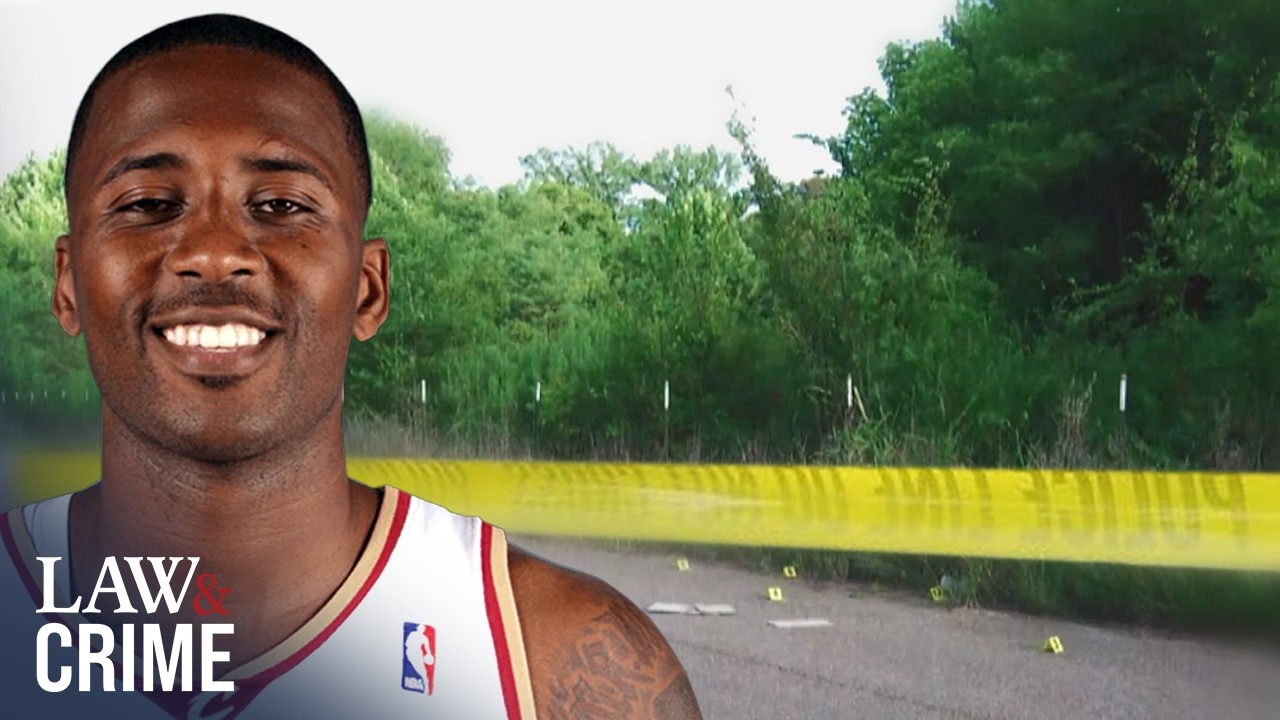
Killer Cases: NBA Star Lured to Execution In Rural Tennessee
"The decade-long cold case of NBA star Lorenzen Wright's murder was cracked through a persistent mother, a jailed informant, and a covert police operation that recovered the murder weapon from a lake and exposed a conspiracy driven by greed."

True-crime cases with recent developments | 48 Hours Full Episodes
"This episode reconstructs four complex true-crime cases, detailing the harrowing searches for missing persons, the challenges of prosecuting murders without bodies, and the enduring quest for justice in cold cases spanning decades."
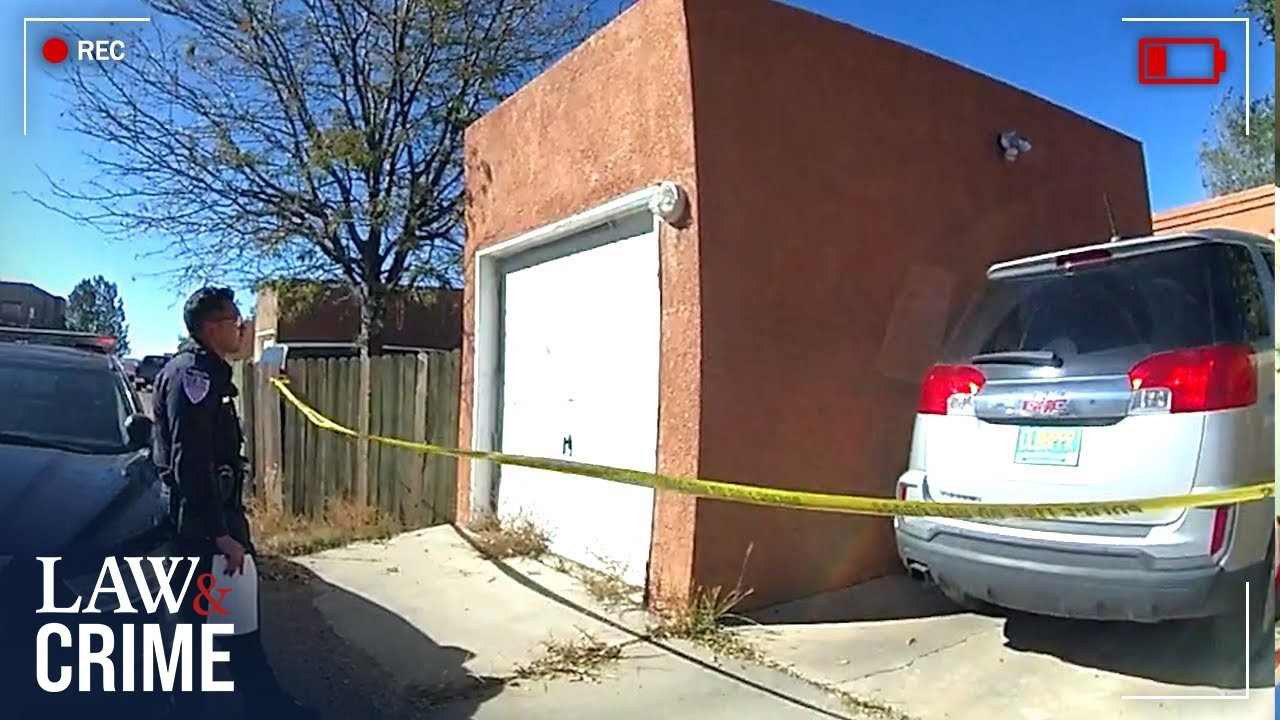
5 Most Wicked Murder Cases Caught On Bodycam
"Bodycam footage provides an unfiltered, real-time look into five brutal murder investigations, exposing the immediate aftermath of horrific crimes and the initial interactions with suspects and witnesses."

The Root Beer Float Murder | Full Episode + Post Mortem
"A seemingly natural death of a husband is unmasked as a calculated poisoning plot by his wife and stepdaughter, revealed only after an unrelated burglary exposes a trail of incriminating text messages."