Untold Stories Behind Viral Podcasts | Julian Dorey
YouTube · mLwUYr4jadU
Quick Read
Summary
Takeaways
- ❖Julian Dorey's career began in private banking at Merrill, managing ultra-high-net-worth individuals, a role he found creatively stifling.
- ❖A generous offer from his boss, Larry, in late 2019 prompted Dorey to realize his true calling was in creative work, leading him to decline the offer.
- ❖The death of Kobe Bryant on January 26, 2020, served as a catalyst for Dorey to seriously pursue podcasting, despite initial self-doubt.
- ❖Dorey invested approximately $8,000, his entire savings, in podcast equipment in early March 2020, just as the COVID-19 pandemic began to impact markets and job opportunities.
- ❖He launched 'The Julian Dorey Podcast' on September 15, 2020, with 10 episodes, primarily solo monologues, after five and a half months of intensive, round-the-clock work from his parents' home.
- ❖Dorey operated for nearly two full years without significant income from his podcast, relying on parental support and living frugally.
- ❖His podcast achieved significant growth by being an early adopter and master of the 'shorts lane' on YouTube, generating millions of views.
- ❖Matthew Cox emphasizes a 'quantity over quality' approach, focusing on consistent output and authentic, unscripted conversations.
- ❖Cox's guest selection process is pragmatic, prioritizing guests who are willing to travel to his studio and are not overly demanding.
- ❖Both hosts acknowledge the emotional toll and self-doubt that can accompany content creation, despite external success metrics.
Insights
1The Catalyst for a Career Pivot
Julian Dorey's decision to pursue podcasting full-time was solidified by two major events: declining a lucrative Wall Street offer in late 2019 due to creative dissatisfaction, and the unexpected death of Kobe Bryant in January 2020, which prompted a re-evaluation of his life's direction.
I knew I was like, I can't do this cuz number one... I said no to him. And then I was like, well, [__] I got to figure out life. And you know, here we are today. ... text comes through, Kobe Bryant just died. I was like, 'Whoa.'
2High-Stakes Investment at the Brink of Crisis
Dorey made a significant financial gamble, investing approximately $8,000 (his entire savings) into podcasting equipment in early March 2020. This timing coincided precisely with the onset of the COVID-19 pandemic, which caused job opportunities to vanish and created immense financial uncertainty, forcing him into an all-in commitment.
Now, my dumbass decides on maybe March 3rd or March 4th, 2020 to hit the enter button on ordering a bunch of this equipment I had learned about. And I can't remember what the exact price was, but it it had to be like $8,000. It was it was all the money I had effectively. ... Friday, March 13th, the first day they told us to not come into the office, I get a notification that says like from Amazon, like your equipment has arrived downstairs. And I'm like, 'Oh my god, the world is ending. All my job opportunities I told you about just dried up in in one second.'
3The 'Shorts Lane' as a Growth Hack
Julian Dorey's podcast achieved significant initial growth and virality by being an early and proficient user of YouTube Shorts. He dedicated immense effort to crafting short, engaging clips from his longer episodes, allowing him to 'go mega viral' and attract a wider audience and notable guests.
The only reason I exist is because I figured out the shorts lane before anyone else did in podcasting. And when I did that, I was able to go mega viral. It got me on your radar. ... I was the most viral podcast shorts creator in the world on YouTube. ... I was averaging 4 to 5 million a clip and I would you remember I'd spent 35 hours on a 35 second clip.
4Strategic Niche Avoidance and 'Kingmaker' Ambitions
Dorey intentionally avoids niching down his podcast topics, despite understanding it could lead to faster short-term growth. He prefers a diverse range of subjects due to his ADD and moderate beliefs. He harbors a long-term 'kingmaker' ambition, aiming to build enough brand influence through interviews with established figures in music and sports to then launch lesser-known, talented artists into the mainstream.
I can never stick to a niche. And that's that's been the short-term death of me, but the long-term gain of me. ... I want to be able to be a guy, we're sitting here a few years from now, who finds an artist online... And I'm like, 'I want to be the kingmaker here.'
5The Pragmatism of Guest Selection
Matthew Cox employs a highly pragmatic approach to guest selection, prioritizing individuals who are willing to travel to his studio and have minimal demands, even if it means interviewing unconventional or problematic characters. This 'bar is low' philosophy ensures a consistent flow of content and minimizes logistical hurdles.
We kind of funnel our people our group of people that want to come into we'll get them and we'll look at them all and Colby and I'll sit down and and go okay these people are good and they'll make good and these people are good these people can get themselves to Tampa these people want us to pay for their flights so we're going with these people so that's that's our funnel... I had a crackhead in here yesterday. The bar is low.
Bottom Line
The most effective way to enter a crowded content niche (like music or sports podcasting) is to first establish a strong brand by interviewing already 'major league established people.' This builds credibility and a large audience, allowing the host to later 'kingmake' lesser-known talent.
For content creators looking to break into highly competitive fields, a strategic 'top-down' approach—leveraging existing stars to build a platform before promoting emerging talent—can be more effective than directly championing unknowns.
Content platforms could develop tiered 'kingmaker' programs, offering enhanced visibility and tools to creators who demonstrate a proven ability to attract high-profile guests, enabling them to effectively launch new talent within their niche.
The 'delusional' self-belief and willingness to endure prolonged financial hardship (two years unmonetized) are often prerequisites for breaking through in highly competitive, passion-driven industries like podcasting.
Many aspiring creators underestimate the necessary runway and mental fortitude. Success often demands a 'burn the boats' commitment, where all resources and focus are directed towards the venture, with no backup plan.
Incubators or mentorship programs for creative entrepreneurs could focus more on psychological resilience and financial planning for extended periods of zero income, rather than solely on business strategy, to better prepare founders for the realities of the market.
Opportunities
Kingmaker Platform for Emerging Artists/Athletes
A podcast or media platform that strategically builds its brand by interviewing established, high-profile figures in music or sports. Once established, the platform leverages its influence and audience to 'kingmake' talented, lesser-known artists or athletes, providing them with significant exposure and a pathway to mainstream recognition.
Key Concepts
Burn the Boats
This refers to making an irreversible commitment to a goal, eliminating any possibility of retreat. Julian Dorey exemplified this by investing his entire savings into podcast equipment and quitting his job, forcing himself to succeed in his new venture.
Delusional Optimism
A mindset where one maintains an unwavering, often irrational, belief in their ability to succeed despite overwhelming odds or initial setbacks. Dorey attributes his persistence during the unmonetized early years of his podcast to this 'delusional' self-belief.
Lessons
- Embrace 'delusional optimism' and a 'burn the boats' mentality when pursuing a passion project, understanding that sustained effort without immediate reward is often necessary.
- Explore and master emerging content formats (like YouTube Shorts) to achieve virality and rapidly expand audience reach, as early adoption can provide a significant competitive advantage.
- Prioritize authenticity and raw conversation over polished perfection in content creation; audiences often connect more deeply with genuine, unscripted interactions.
- When building a content platform, consider a 'quantity over quality' approach (in terms of production volume, not content value) to maintain consistent audience engagement and optimize for algorithmic favor.
- Develop a pragmatic guest acquisition strategy, focusing on ease of logistics and willingness to participate, to ensure a steady stream of diverse content.
Julian Dorey's Podcast Launch Strategy (2020)
Invest significantly in high-quality equipment (approx. $8,000) to ensure professional production from day one.
Dedicate several months (e.g., 5.5 months) to intensive, round-the-clock learning of equipment, editing, and content creation, treating it as a full-time job.
Launch with a substantial initial content library (e.g., 10 episodes) to provide immediate value and depth for new listeners.
Balance solo episodes (for personal insights and skill development) with early interviews (to introduce diverse perspectives and practice conversational skills).
Operate with minimal personal expenses and rely on external support (e.g., parents) to extend financial runway during the unmonetized period.
Notable Moments
The host, Matthew Cox, recounts having a 'crackhead' as a guest, highlighting his low bar for guest selection and willingness to feature unconventional individuals.
This illustrates Cox's pragmatic and unfiltered approach to content, emphasizing raw stories over conventional guest profiles, which contributes to his show's unique appeal and authenticity.
Matthew Cox describes a guest who only had one tooth, leading to the implementation of video submissions for potential guests to ensure they 'have all your teeth.'
This anecdote humorously reveals the practical challenges and unexpected vetting processes that arise in podcasting, showcasing the need for adaptability and setting clear expectations for on-camera appearances.
Matthew Cox details a hypothetical (but based on his past) 'statistical surveyor' scam where he would befriend homeless individuals, gather their personal information under false pretenses (for the Salvation Army), and then use their identity to commit large-scale fraud, eventually framing the homeless person.
This segment provides a chilling insight into the criminal mind and the manipulative tactics used in identity theft and fraud. It also serves as a stark contrast to his current role, highlighting his self-awareness about his past actions and their implications.
A former disbarred attorney, initially upset about his video title, later expressed profound gratitude after his father watched the podcast and told him he was proud, leading to reconciliation.
This illustrates the unexpected and deeply personal impact that sharing one's story on a public platform can have, demonstrating the podcast's role in facilitating personal growth and reconciliation, even for controversial figures.
Quotes
"College can't prepare you for the real world. That's that's not their job. I kind of take issue with that when people think that's what it is. It's kind of like it should in the best scenario in my opinion be teaching you the language to be able to speak to go out there and figure it out for yourself."
"Creativity goes to die. And so I had never, as dumb as this sounds now, and it it to this day it sounds very dumb to me. I'd never got in touch with the fact that my whole life was based on creativity. Like that's what I was."
"The only reason I exist is because I figured out the shorts lane before anyone else did in podcasting. And when I did that, I was able to go mega viral."
"I am the most underrated podcaster on YouTube. He said and I he basically like I deserve better numbers than this."
"I'm not saving children from starvation, bro. I'm interviewing I'm interviewing bank robbers. Like, what do you And they're just And I, you know, it's so funny when I I just I walk away going, I don't I don't know what these people see in me. They really need to re-evaluate them, their their priorities."
"I'm a big fan of stealing homeless people's identity. And then then Matt looks at the camera and says, 'Don't judge me.' And he says, 'I tricked him.'"
Q&A
Recent Questions
Related Episodes

From selling ACs to becoming the tourism king of Jamaica
"Learn how Butch Stewart built Sandals Resorts into a multi-billion dollar empire by mastering service differentiation, strategic marketing, and vertical integration, alongside a deep dive into national talent development strategies from China and the Soviet Union."
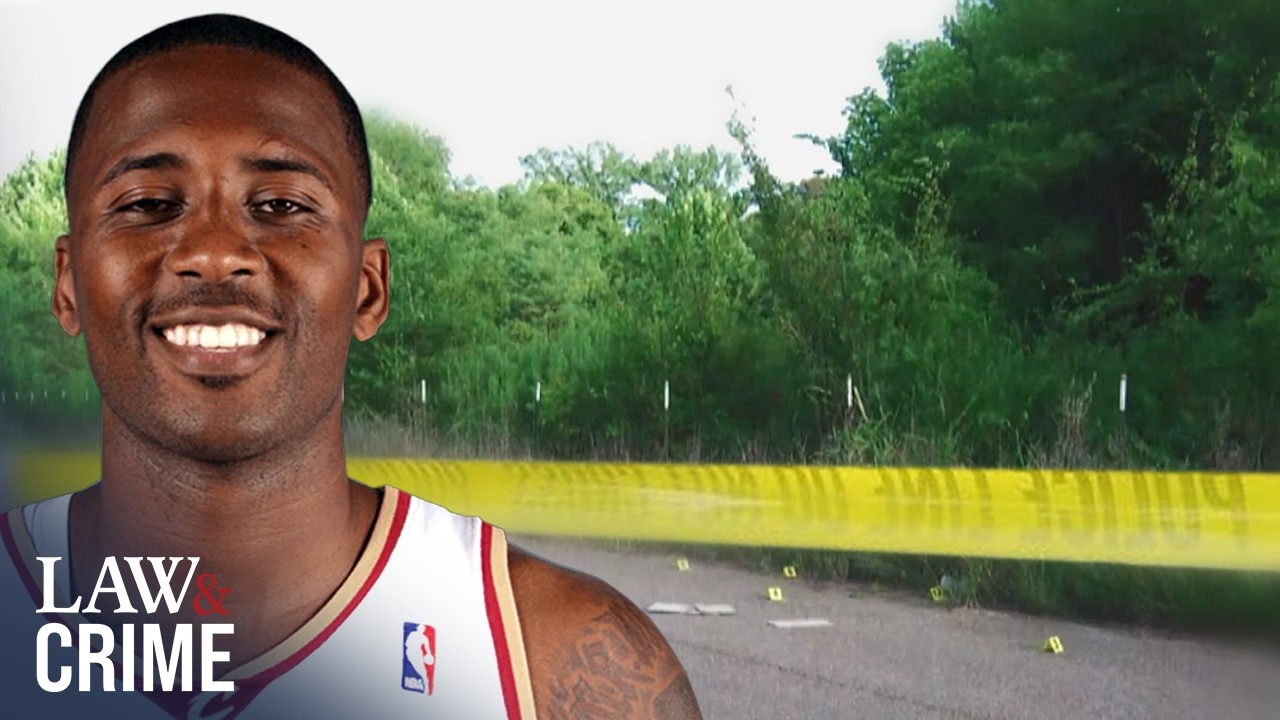
Killer Cases: NBA Star Lured to Execution In Rural Tennessee
"The decade-long cold case of NBA star Lorenzen Wright's murder was cracked through a persistent mother, a jailed informant, and a covert police operation that recovered the murder weapon from a lake and exposed a conspiracy driven by greed."
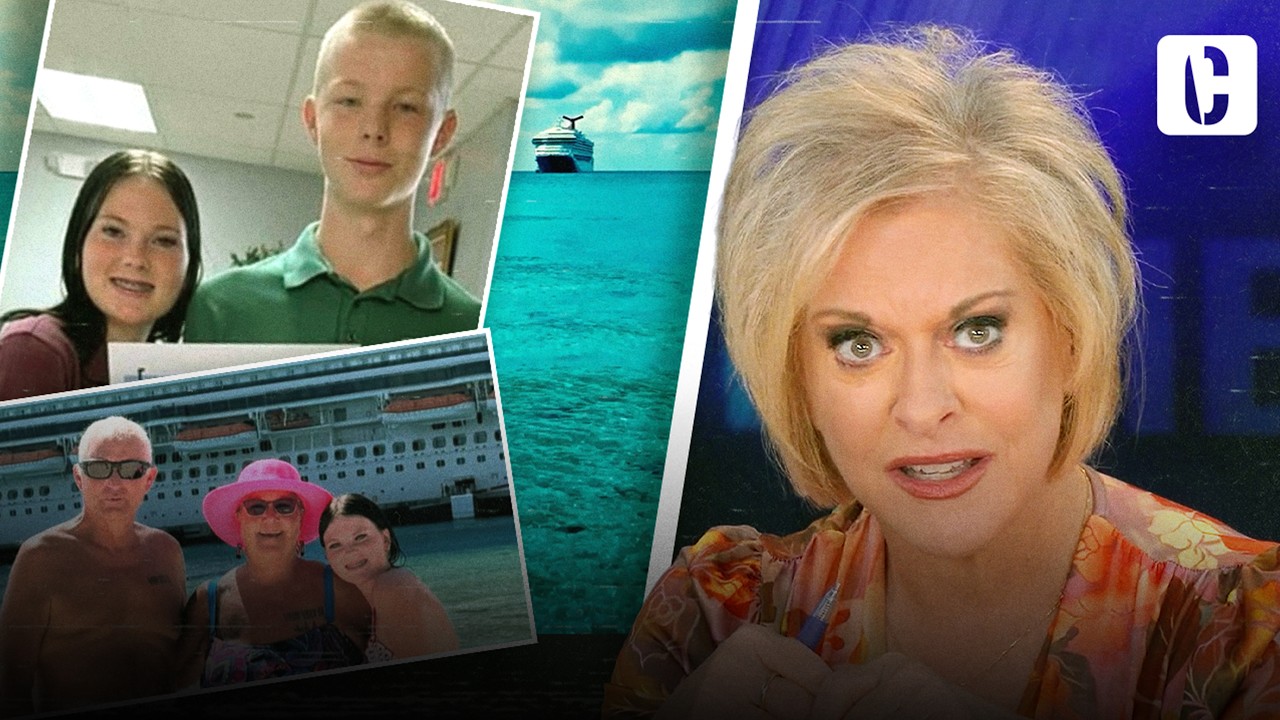
TEEN'S DNA REVEALED IN ANNA KEPNER'S R*** KIT
"The investigation into Anna Keaptainner's death on a cruise ship reveals shocking DNA evidence, a previously unknown male minor, and critical questions about evidence handling and family dynamics."

M&M's Employee Steals $26 MILLION (How He Did It)
"This episode details a series of white-collar crimes, from an M&M's sugar expert embezzling $26 million to a fake immigration attorney scamming undocumented immigrants, highlighting vulnerabilities in various systems and the surprising leniency of some sentences."