BREAKING: Iran Faces EXPLOSIVE Internal Threat; US Hardens Blockade; Russia BACKS Iran | TBN Israel
YouTube · mbWKtuOHQ0s
Quick Read
Summary
Takeaways
- ❖Iran is facing an "unprecedented internal explosion" due to a deadlock in negotiations and severe economic pressure.
- ❖The US has implemented a tight naval blockade in the Strait of Hormuz, causing a massive traffic jam of ships and preventing Iran from exporting oil.
- ❖Iran's oil warehouses are overflowing, and the country is "drowning in its own oil" as production cannot be stopped without destroying facilities.
- ❖US Treasury Secretary warned of imminent gasoline shortages and a collapse in pumping activities in Iran.
- ❖Israel and the US are executing a strategy of "gradual military and economic suffocation" to destabilize the Iranian regime.
- ❖Russia has pledged continued strategic partnership with Iran, offering diplomatic backing but unable to alleviate the economic blockade.
- ❖Iran's proposal to open the Strait of Hormuz in exchange for lifting the blockade, while delaying nuclear talks, was rejected by the US.
- ❖Internal power struggles within Iran see the Revolutionary Guards hardening their stance, making diplomatic concessions difficult.
- ❖The Strait of Hormuz crisis is prompting a shift towards decentralized energy routes, potentially positioning Israel as a key connecting player for Gulf-to-Europe transit.
- ❖Allegations surfaced regarding Qatari influence on the International Criminal Court to issue arrest warrants against Israeli officials.
- ❖The IDF continues to strike Hezbollah infrastructure in Lebanon and dismantle Hamas's extensive underground tunnel network in Gaza.
Insights
1US-Israel Strategy of Gradual Suffocation
The US and Israel have carefully planned a multi-stage war, aiming for the fall of the Iranian regime not through a single military strike, but through sustained military and economic suffocation. This strategy is evident in the naval blockade and targeted strikes on oil infrastructure.
It appears that Israel and the United States planned the stages of the war carefully with the understanding that the fall of the regime would not happen in one day, but through gradual military and economic suffocation.
2Iran's Oil Storage Crisis as a Choke Point
The US naval blockade has created an unprecedented storage crisis for Iran, forcing it to store millions of barrels of oil in improvised facilities and even on tankers, pushing its energy infrastructure towards paralysis. Shutting down wells risks permanent damage.
About 10 million barrels of oil have returned to Iran because of the tightening embargo and the blockade. Iran cannot simply stop oil production because shutting down the facilities could destroy them. And the result, the Islamic Republic is drowning in its own oil. Iran has only 12 to 22 days of available storage capacity left before it will be forced to cut production, possibly by around 1.5 million barrels per day.
3Internal Iranian Political Deadlock
There is a significant internal battle for control within Iran, with the Revolutionary Guards strengthening their grip and rejecting compromises, making true diplomatic concessions on the nuclear issue unlikely, regardless of what the diplomatic front conveys.
American officials claimed that the Iranian negotiating team is not even authorized by much or senior revolutionary guards officials to agree to a real concession. The revolutionary guards are strengthening their grip, rejecting compromises, and the regime is entering a dead end.
4Israel's Emerging Role in Regional Energy Transit
The instability in the Strait of Hormuz is accelerating a global shift towards decentralized energy routes, creating an opportunity for Israel to become a crucial connecting player between the Gulf and Europe due to its strategic geography and existing infrastructure like the EAPC pipeline.
what's on the table is a move from a system dependent on one bottleneck to a network of decentralized energy routes. Inside this move, Israel... may become a connecting player because of its geographic location and infrastructures like EAPC. Israel could move from being an observer on the sidelines to becoming a connecting player... because of its geography, because of the Red Sea, because of the Mediterranean Sea, and because of the infrastructure such as the Elat Ashkillon pipeline.
5Allegations of Qatari Bribery in the ICC
A new affidavit alleges that Qatar promised to influence the International Criminal Court's chief prosecutor, Karim Khan, to issue arrest warrants against Israeli Prime Minister Benjamin Netanyahu and other officials, highlighting the non-military fronts of the conflict.
Qatar promised to take care of him if he worked to issue arrest warrants against Benjamin Netanyahu, the prime minister of Israel and senior Israeli officials.
Bottom Line
Iran's desperate attempt to transport oil by train to China, an "unusual, expensive, and unprofitable move," signals extreme distress in its energy sector.
This highlights the severity of the blockade's impact, forcing Iran into economically irrational decisions and indicating the regime's desperation to find any outlet for its unsellable oil.
For nations or entities monitoring global energy markets, this could be an indicator of Iran's weakening leverage and potential for future concessions.
The US strategy of targeting aviation services (fuel, catering, maintenance) for sanctioned Iranian airliners is a "modern system choking" tactic, extending economic pressure beyond traditional oil and military targets.
This demonstrates the comprehensive nature of modern economic warfare, where seemingly bureaucratic sanctions can cripple a state by targeting every small pipe that keeps it alive.
This approach could be a model for applying pressure on other regimes, indicating a shift towards highly granular and systemic economic warfare.
Lessons
- Monitor the Strait of Hormuz and global energy transit routes for shifts, as the crisis is accelerating the development of alternative pathways and potentially creating new strategic hubs.
- Analyze the internal political dynamics within Iran, particularly the power balance between diplomatic factions and the Revolutionary Guards, to gauge the true potential for future negotiations and concessions.
- Assess the long-term damage to Iran's oil infrastructure caused by the blockade, as the inability to stop production without destroying wells could have lasting implications even if sanctions are lifted.
Quotes
"Homus is not Thrron's private road. It is an artery of the global economy."
"Russia can provide diplomatic backing. It can provide a sense of strategic depth. It can help Iran feel that it is not alone. But it cannot open whole moves by itself. It cannot refill the regime's treasury and it cannot erase the public pressure inside Iran."
"This is exactly how a modern system is choked. not only through tanks and planes, but through every small pipe that keeps the state alive."
Q&A
Recent Questions
Related Episodes
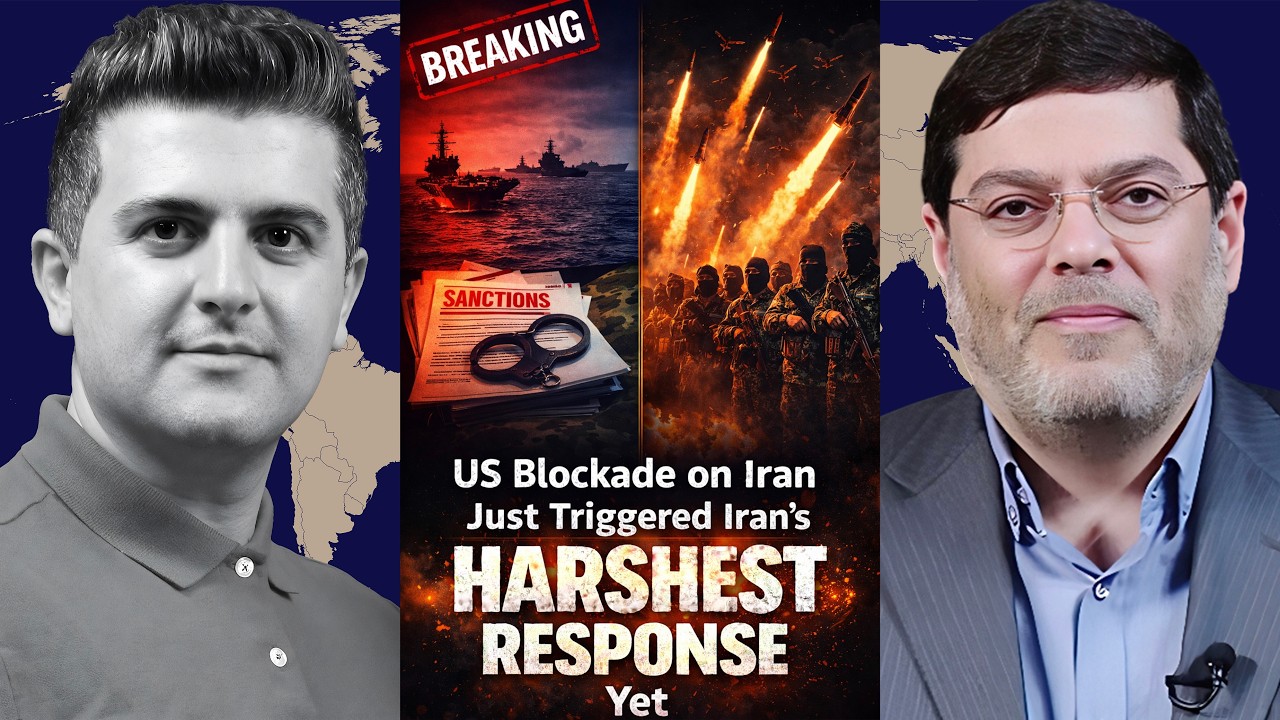
Seyed M. Marandi: US Blockade on Iran Just Triggered Iran’s HARSHEST Response Yet
"An Iranian professor details how US demands and an imposed blockade triggered Iran's harshest response, exposing American strategic missteps and the vulnerability of Gulf Arab states."
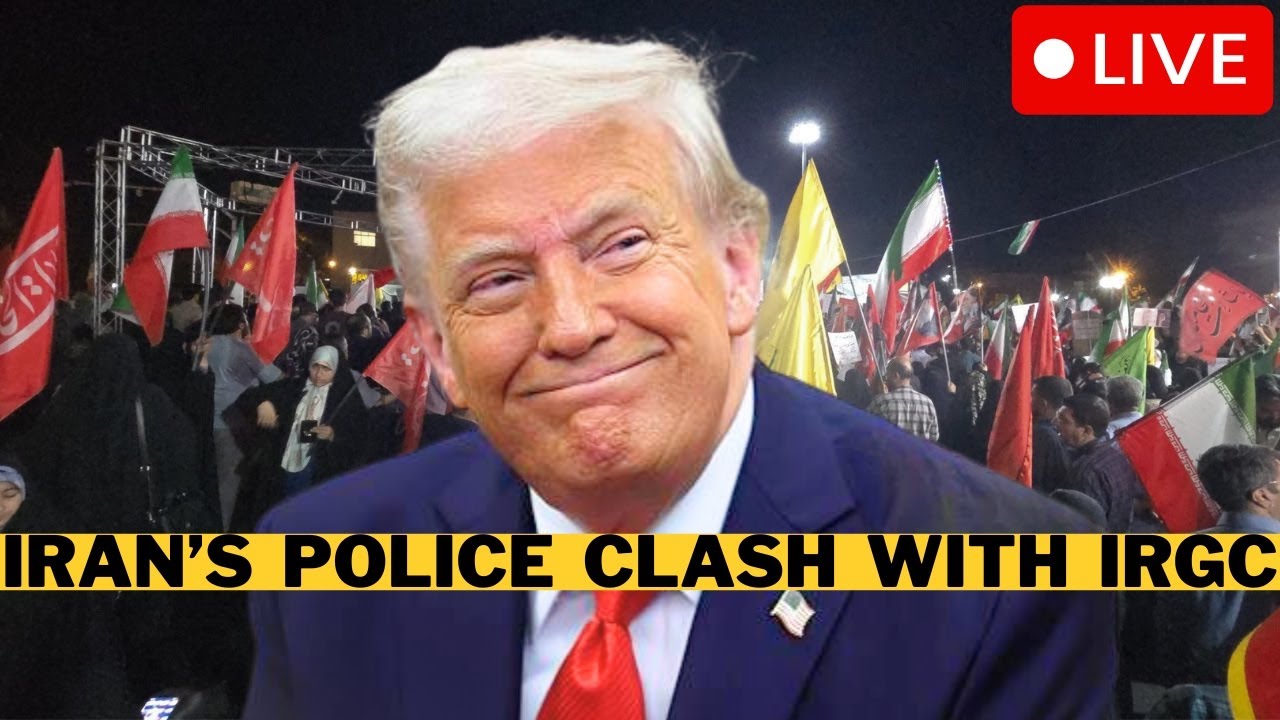
BREAKING: Protests ERUPT In Iran Over IRGC Surrendering To Trump - Infighting Clashes In Tehran
"Iran is experiencing severe internal infighting and protests as hardline IRGC elements clash with government figures over a perceived 'surrender' to the US, while mainstream Western media misrepresents the situation."

Patrick Henningsen: Hezbollah JUST Fired Back at Israel - Iran Vows to “Crush” All Attacks
"Patrick Henningsen argues that the US and Israel initiated an illegal war against Iran, driven by Trump's incompetence and Israeli influence, leading to an inevitable escalation with severe global economic repercussions."
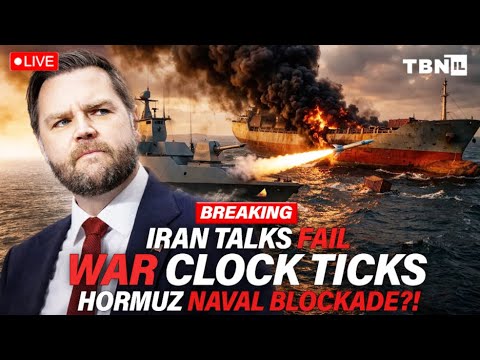
BREAKING: U.S.-Iran Talks COLLAPSE; Hormuz Standoff Deepens; Hezbollah Fire | TBN Israel
"US-Iran negotiations in Islamabad collapsed over the nuclear issue and control of the Strait of Hormuz, leading to heightened tensions and a potential US naval blockade strategy."