BREAKING: Trump Extends Iran Deadline; Pentagon Eyes GROUND Force; Houthis Join War | TBN Israel
YouTube · peGur27n9ck
Quick Read
Summary
Takeaways
- ❖Trump extended Iran's ultimatum by 10 days, claiming Iran requested it for ongoing talks, despite Iranian denials.
- ❖The Pentagon is considering deploying 10,000 ground troops to the Middle East and examining broad ground operation scenarios.
- ❖The Israeli Air Force conducted extensive strikes across Iran, targeting ballistic missile production sites, launch systems, and operational personnel.
- ❖Iran is demanding war compensation, an end to fighting in Lebanon, and recognition of its control over the Strait of Hormuz.
- ❖The Revolutionary Guards Navy announced the closure of the Strait of Hormuz, with reports of ships paying millions for safe passage.
- ❖The Houthis in Yemen declared entry into the war, threatening to block the critical Bab el-Mandeb Strait.
- ❖Gulf states, including UAE and Saudi Arabia, now support escalation if Iran does not accept significant restrictions on its missile, drone, and nuclear programs.
- ❖Internal reports from Tehran indicate senior Revolutionary Guard officials are fearful, removing license plates and wearing masks to avoid identification.
Insights
1Trump's 'Negotiations Under Fire' Strategy
Trump's repeated extension of the ultimatum to Iran, despite previous threats to destroy energy facilities, is framed as a deliberate strategy. This approach involves extending diplomatic deadlines while simultaneously increasing military pressure, deploying more forces, and preparing for expanded operational options. The goal is to maintain pressure and build leverage, allowing Trump to claim diplomatic efforts were exhausted if military escalation becomes necessary.
Trump extended the ultimatum by 10 days until April 6th, stating 'the talks are progressing.' Concurrently, the Pentagon is considering sending 10,000 additional troops and examining ground action scenarios. (, , , )
2Israel's Systematic Disruption of Iran's Missile Capabilities
The Israeli Air Force is executing a comprehensive strategy to dismantle Iran's missile infrastructure, moving beyond reactive strikes to proactively target the entire chain of production and deployment. This includes hitting factories, training compounds, warehouses, launchers, and even operational teams preparing for launches. The objective is to degrade Iran's long-term ability to rebuild and sustain its rate of fire.
IDF strikes targeted ballistic missile production sites, air defense systems, and eliminated missile array soldiers planning launches. The 'order of operations' involves hitting 'the factory, then the training compound, then the warehouse, then the launcher, and if necessary, also the team moving into positions to operate it.' (, , )
3Escalation of Maritime Choke Point Threats
The conflict is intensifying around critical global shipping lanes. Iran continues to threaten and effectively control the Strait of Hormuz, demanding fees for passage. Concurrently, the Houthi organization in Yemen has declared its entry into the war, threatening to block the Bab el-Mandeb Strait. This creates a scenario where two vital maritime trade routes could be simultaneously disrupted, impacting global commerce.
Iran's Revolutionary Guards Navy announced the closure of the Strait of Hormuz, demanding 'millions of dollars from ships' for safe passage. The Houthis announced readiness to join the war, with their main threat being the blocking of the Bab el-Mandeb Strait, a 'critical global trade route.' (, , , )
4Internal Iranian Fear and Propaganda Amidst Strikes
Despite outward displays of defiance, there are signs of significant internal fear within the Iranian regime. Senior Revolutionary Guard officials are reportedly taking measures like removing license plates and wearing masks to avoid identification. The regime is also employing propaganda, such as claims of disguised explosive devices dropped by aircraft, to instill fear and explain the pervasive nature of the Israeli threat to its populace.
Testimonies from Tehran describe senior Revolutionary Guard officials removing license plates and security personnel wearing masks. Iran claims aircraft dropped disguised explosive devices (food cans) in Shiraz, a report treated with caution but indicative of regime messaging. (, , )
Bottom Line
The Gulf states (UAE, Saudi Arabia) have shifted their stance from initial reluctance towards the war to now supporting continued escalation if Iran's nuclear, missile, and drone programs are not significantly restricted. They fear a weak agreement more than prolonged conflict.
This regional shift indicates a desire for a decisive outcome that fundamentally weakens Iran's aggressive capabilities, rather than a return to the status quo. Their support could embolden the US and Israel to pursue more aggressive military options.
International diplomatic efforts must consider the Gulf states' demands for comprehensive restrictions on Iran's military programs to secure broader regional buy-in for any future agreement, or risk further destabilization.
Israel is facing significant strain on its manpower due to the multi-front conflict (Iran, Lebanon, home front defense, intelligence, maneuvering). This 'red line' in manpower will influence decisions on continuing or escalating the war.
The sustainability of Israel's military operations is a critical factor, suggesting that even with tactical successes, the duration and intensity of the conflict are constrained by human resource limitations. This could pressure Israel to seek more decisive, albeit riskier, actions or push for a resolution.
Understanding these internal constraints provides leverage in diplomatic negotiations or strategic planning, as it highlights a potential vulnerability or a point of decision for Israel.
Lessons
- Monitor the Strait of Hormuz and Bab el-Mandeb for increased Houthi activity and Iranian threats, as these are critical chokepoints for global trade.
- Analyze US military deployments and rhetoric for shifts towards ground operations or expanded naval presence, indicating a potential move beyond diplomacy.
- Assess the internal political dynamics within Iran, particularly the power struggles and public sentiment, to understand the regime's negotiating posture and resilience.
Notable Moments
Trump's revelation of a 'secret gift' from Iran: approval for 10 oil tankers (8 then 2) to pass through the Strait of Hormuz under the Pakistani flag.
This moment highlights the contradictory signals from Iran—selective, tactical gestures of cooperation alongside public threats and demands for control over Hormuz. Trump presented it as proof of 'working with the right people,' indicating a complex, multi-layered negotiation dynamic.
The IDF's shift from reactive strikes to a systematic, 'chain-of-destruction' approach against Iran's missile program.
This signifies a strategic escalation aimed at long-term degradation of Iran's military capacity, rather than just immediate retaliation. It implies a deeper, more sustained campaign to prevent Iran from rebuilding its offensive capabilities.
Quotes
"They asked for seven, I gave 10, the talks are progressing."
"Iran is holding Hormuz hostage. We are all paying ransom."
"This is not a pause. This is pressure being maintained, diplomacy under a cocked gun."
Q&A
Recent Questions
Related Episodes

Larry Johnson & Col. Wilkerson: 4 US Warships Tried to Enter Strait of Hormuz – Then Iran Launched
"A critical analysis reveals escalating US-Iran military confrontations in the Strait of Hormuz, a stark disconnect in diplomatic rhetoric, and a significant geopolitical realignment in the Middle East away from US influence."
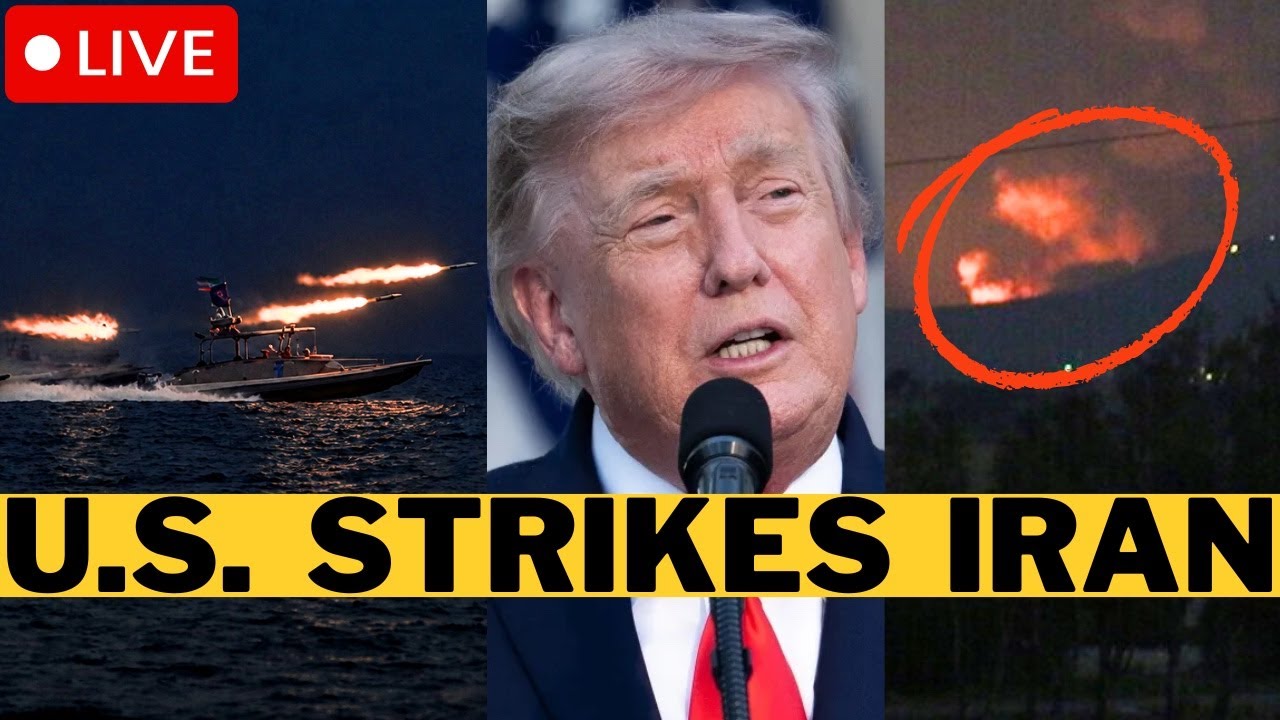
BREAKING: IRGC Break Ceasefire - U.S. Military Launch Strikes In Iran
"The US military launched retaliatory strikes against IRGC bases in Iran after the IRGC broke a ceasefire by attacking international vessels, while Hezbollah militants caused chaos in Beirut over a Lebanese-Israeli agreement."

BREAKING: Iran Threatens To END Talks; U.S. Vows Retaliation; Hezbollah Collapsing? | TBN Israel
"Iran is leveraging Hezbollah and the Strait of Hormuz to manipulate US negotiations, while Israel asserts its right to dismantle Hezbollah's eroding but still dangerous infrastructure in Lebanon, independent of international talks."
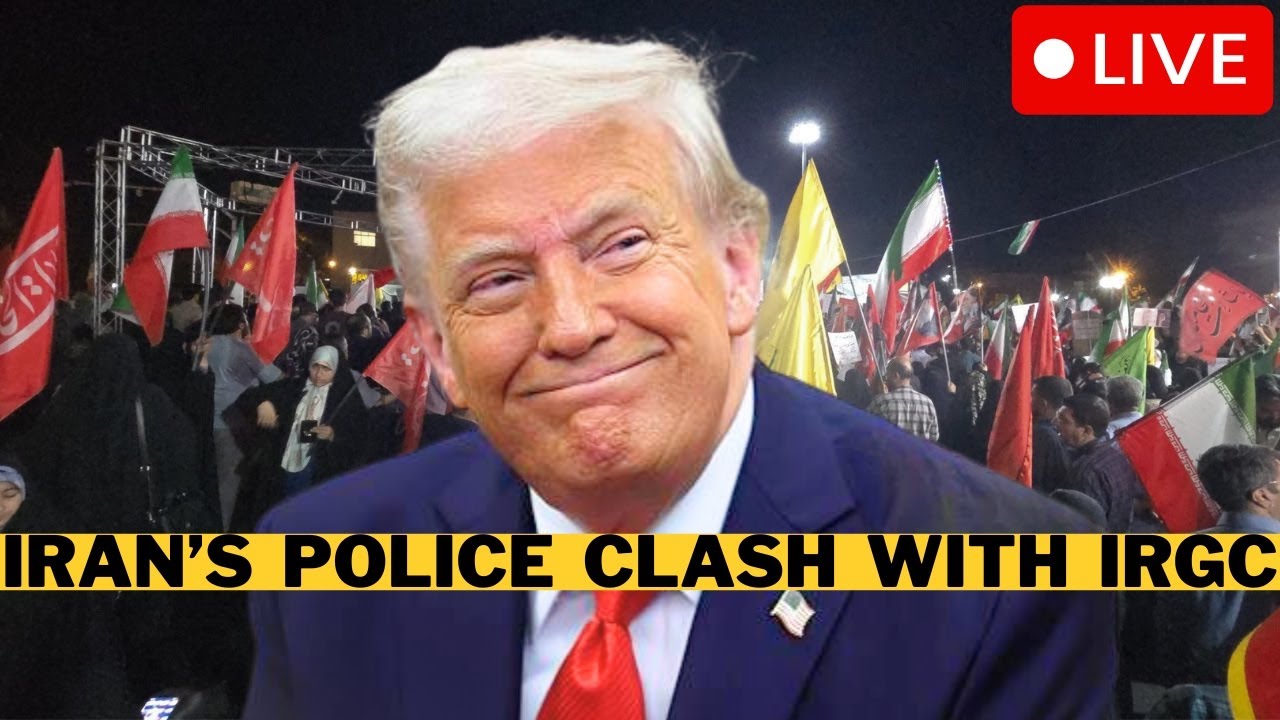
BREAKING: Protests ERUPT In Iran Over IRGC Surrendering To Trump - Infighting Clashes In Tehran
"Iran is experiencing severe internal infighting and protests as hardline IRGC elements clash with government figures over a perceived 'surrender' to the US, while mainstream Western media misrepresents the situation."