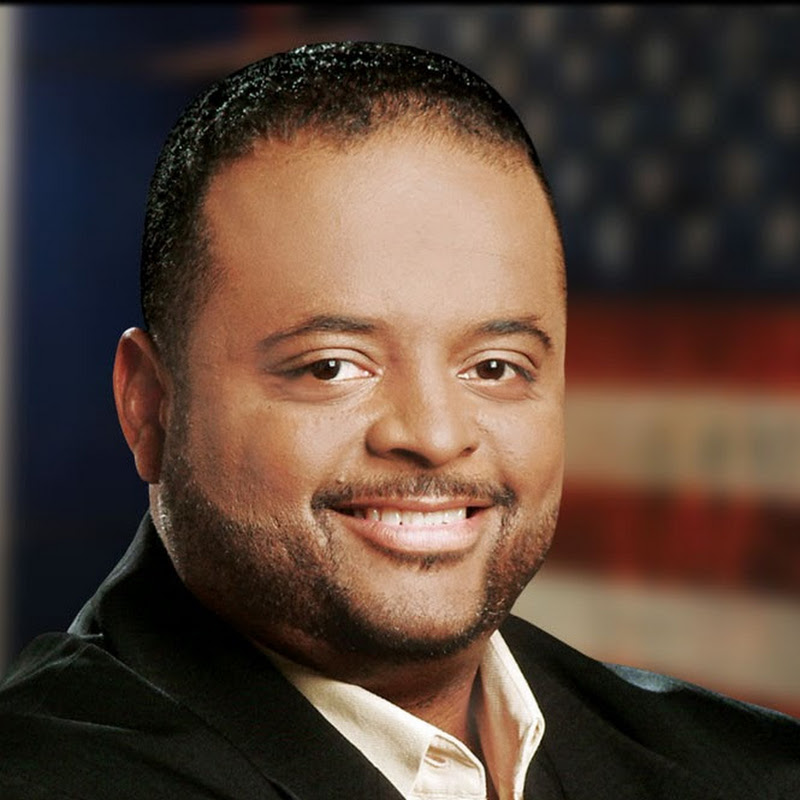
Our Minds Were Always Free. The Fight to Reclaim Black Creativity #TheBlackTable
YouTube · qj0_70b4vss
Quick Read
Summary
Takeaways
- ❖Black intellectual property has been a foundational, yet uncompensated, source of wealth and innovation in the United States since its inception.
- ❖Early patent laws were lobbied against by slaveholders seeking to own the intellectual labor of enslaved people, a concept later codified in the Confederate Constitution.
- ❖The legal distinction between ephemeral performance and fixed, copyrighted compositions historically disadvantaged Black performing artists.
- ❖Black-owned record labels like Motown succeeded by strategically leveraging publishing copyrights, a lesson not fully grasped by others like VJ Records.
- ❖Filmmakers like Oscar Micheaux and Sidney Poitier actively pursued ownership of their creative output to control narrative and image, countering racist depictions.
- ❖The advent of AI poses a new threat to artists, as AI-generated content currently lacks copyright protection, potentially devaluing human creativity and income streams.
Insights
1Historical Exploitation of Black Intellectual Property
From the earliest days of the United States, Black intellectual property, skills, and inventions were systematically exploited. Onesimus introduced smallpox inoculation from Ghana, and enslaved individuals like Sam (cotton gin) and Ned (double-bladed plow) developed crucial innovations that were appropriated without compensation. Slaveholders actively lobbied Congress to change patent law to legally own the intellectual labor of enslaved people, a provision that appeared in the Confederate Constitution.
Onesimus brought smallpox inoculation from Ghana; Sam invented the cotton gin mechanism, later mechanized by Eli Whitney; Ned invented a double-bladed plow. Slaveholders lobbied Congress to change patent law to own enslaved people's intellectual labor, which was included in the Confederate Constitution.
2IP Law Disparities: Performance vs. Composition
Intellectual property law, particularly copyright, created a disparity that disadvantaged many Black performing artists. Sister Rosetta Tharpe, recognized as the creator of rock and roll, could not monetize her pioneering performance style because copyright protection required a work to be 'fixed in a tangible medium.' In contrast, Thomas Dorsey, who composed and arranged gospel music, secured copyright interests in his compositions, building a lasting income stream and institutionalizing gospel music.
Sister Rosetta Tharpe's performances were ephemeral, preventing copyright ownership, while Thomas Dorsey owned copyrights for his 400+ compositions and founded ASCAP, generating passive income.
3Strategic Ownership in Black Entertainment
Black entrepreneurs and artists who understood and leveraged intellectual property rights were more successful in building lasting wealth and controlling their narratives. Berry Gordy of Motown strategically used copyrights on compositions to secure financing and established Jobete publishing to control his music catalog. Similarly, filmmakers like Oscar Micheaux and Sidney Poitier sought to own their productions to counter racist depictions and create nuanced portrayals of Black life.
Berry Gordy used Jackie Wilson's song copyrights to start Motown and created Jobete publishing. Oscar Micheaux's 'Within Our Gates' countered 'Birth of a Nation.' Sidney Poitier co-founded a studio to produce films like 'Uptown Saturday Night' and 'Buck and the Preacher.'
4AI as a New Frontier for Exploitation
The rise of Artificial Intelligence presents a new challenge to artists, particularly Black creatives, by threatening to devalue human creativity and eliminate traditional income streams. Currently, AI-generated content cannot be copyrighted, meaning labels and platforms would not have to pay royalties for machine creations. This development, coupled with already diminished artist earnings from streaming, could make it unsustainable for many to pursue artistic careers.
AI-generated content cannot be copyrighted due to the lack of human creativity. The emergence of AI artists like FN Mecca and others on Billboard charts allows labels to avoid paying royalties, impacting flesh-and-blood artists already struggling with low streaming income.
Bottom Line
The US Constitution's simultaneous protection of intellectual property and institutionalization of chattel slavery were dual pillars enabling America's rise as a global superpower.
This historical framing reveals that the very legal frameworks designed to foster innovation were intrinsically linked to the exploitation of Black people, shaping systemic inequalities that persist today.
Advocates for racial justice in IP law can leverage this historical context to push for reparations, equitable policy changes, and new models of ownership that prioritize community wealth building.
The Confederate Constitution explicitly included a provision allowing slaveholders to own patents on the inventions of enslaved people, highlighting the extreme lengths taken to legally appropriate Black intellectual labor.
This demonstrates a conscious, legislative effort to deny Black people agency and ownership over their minds, not just their bodies, setting a precedent for ongoing systemic exploitation.
This historical detail can inform legal arguments for restorative justice and underscore the need for vigilance against new forms of intellectual property appropriation, such as those posed by AI.
Opportunities
Establish Black-owned media studios and production companies that prioritize IP ownership and talent development.
Inspired by Oscar Micheaux, Sidney Poitier's First Artists, Tyler Perry Studios, and Cat Williams's proposed studio, this involves building infrastructure for content creation, distribution, and talent training (e.g., partnering with HBCUs) to ensure Black creators retain control and profit.
Develop and invest in publishing arms for Black artists across all creative industries (music, literature, film scores).
Following Thomas Dorsey's and Berry Gordy's Motown/Jobete model, creators and labels should prioritize establishing and controlling publishing rights to secure long-term passive income streams and leverage intellectual property for future ventures.
Create and support platforms/institutions that specifically track and monetize Black performance art and ephemeral creative works.
Addressing the historical disadvantage faced by artists like Sister Rosetta Tharpe, new models are needed to capture value from live performances, digital interactions, and other non-fixed creative expressions, ensuring artists are compensated beyond session fees.
Lessons
- Educate yourself on intellectual property law: Understand copyrights, patents, and publishing rights to protect your creative work and ensure proper compensation.
- Prioritize ownership and control: Whenever possible, negotiate for ownership of your intellectual property, publishing rights, and means of production to build long-term wealth and narrative control.
- Support Black-owned creative enterprises: Invest in, consume, and promote content from Black-owned studios, labels, and platforms that prioritize equitable compensation and ownership for artists.
Quotes
"If you are not the inventor, you cannot get a patent."
"By the time they copy whatever we're doing now, we're going to be on to something."
Q&A
Recent Questions
Related Episodes

Nodal concierto vacío - Fan que insultó a Cazzu confirma apoyo de Pepe Aguilar | Javier Ceriani
"Javier Ceriani uncovers explosive celebrity scandals, from Nodal's empty concerts and Pepe Aguilar's alleged support for Cazzu's detractors, to shocking allegations of sex addiction and digital sabotage in the entertainment world."

DAPHNIQUE SPRINGS | ENGLISH MAJORS | SEASON 3 | EP 10
"Comedian Daphnique Springs joins the hosts for a freewheeling discussion on everything from her childhood fish-selling hustle and the 'Florida Man' phenomenon to deep-sea conspiracies, the future of AI, and parenting advice for children with ADHD."
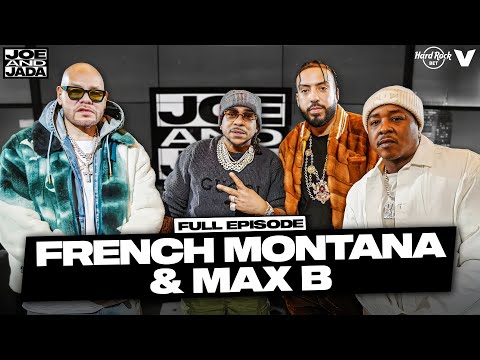
French Montana & Max B on 'Coke Wave 3.5,' prison stories & "All The Way Up" | Fat Joe & Jadakiss
"Max B details his return to music after 17 years in prison, while French Montana and Fat Joe share candid stories about navigating the music industry, from independent success to global hits like 'Unforgettable' and 'All The Way Up'."

Joe Rogan Experience #2499 - Marcus King
"Joe Rogan and musician Marcus King discuss personal struggles with addiction and mental health, the cyclical nature of music trends, the societal impact of drug laws and social media, and the bizarre realities of life and art."