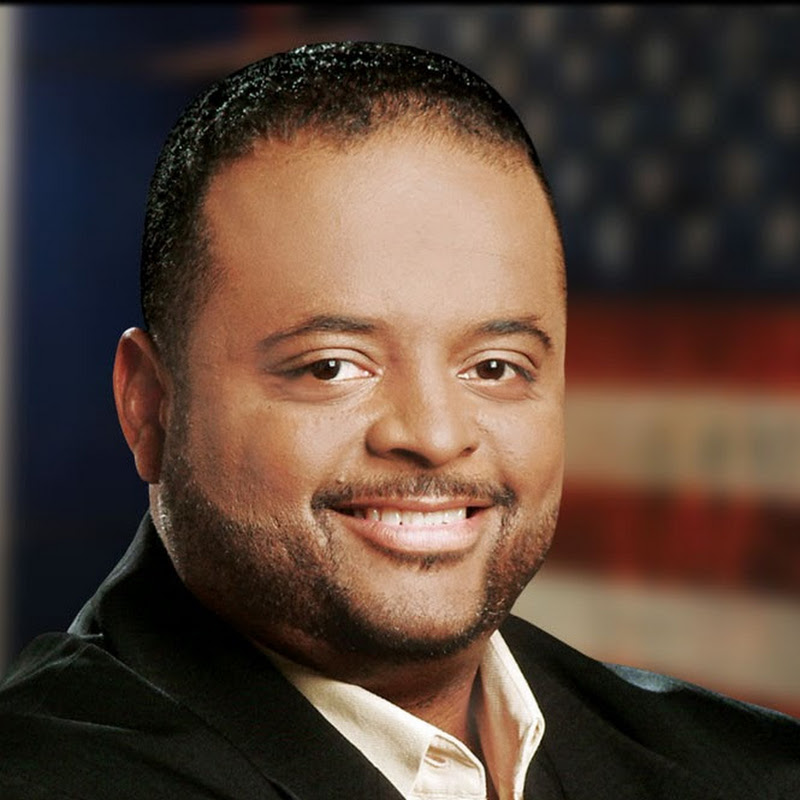
Mound Bayou. Built in Defiance. Powered by Black Self-Determination #TheBlackTable
YouTube · rHR6AUm4XSc
Quick Read
Summary
Takeaways
- ❖Mound Bayou, Mississippi, was founded by Isaiah Montgomery, a former slave, in 1887, becoming a pioneering all-black town.
- ❖The town was a hub of innovation, hosting the country's first HMO and first African-American manufacturing venture.
- ❖Prominent figures like Booker T. Washington, Theodore Roosevelt, and Medgar Evers were deeply connected to Mound Bayou's history and mission.
- ❖The Mound Bayou Museum of African-American Culture and History preserves the town's legacy and serves as a focal point for revitalization efforts.
- ❖Mound Bayou provided a safe harbor for black individuals, including Emmett Till's mother, during the Civil Rights era, even having its own telephone exchange for secure communication.
Insights
1Founding Vision and Innovation of Mound Bayou
Mound Bayou was established in 1887 by Isaiah Montgomery, a former slave from Jefferson Davis's brother's plantation, as a self-governing, all-black community in Mississippi. It quickly became a model for black self-determination, pioneering innovations like the nation's first Health Maintenance Organization (HMO) and the first African-American manufacturing venture.
Mount Bayou was basically in a very small way its own country... the first HMO in the country was here. The first African-American manufacturing venture in the country was here.
2Historical Significance and Notable Connections
Mound Bayou attracted and influenced significant historical figures. Booker T. Washington saw it as an example of black achievement, and his right-hand man, Charles Banks, founded a bank there. Theodore Roosevelt visited in 1907, calling it "the jewel of the Delta." Medgar Evers also began his career in Mound Bayou, taking a job that Herman Johnson Sr. later filled.
Booker T. Washington came through there and said, 'This is an example of what black people can do.'... Charles Banks started a bank in Mount Bay... Theodore Roosevelt shows up 1907... He called it 100% negroes... Mega and Merly Evers came from All Cornin State University... came to Mount Bayou and had their job, their first job.
3Mound Bayou as a Sanctuary and Center for Civil Rights
During the Civil Rights era, Mound Bayou served as a critical safe haven for black individuals in Mississippi. Emmett Till's mother, Mamie Till-Mobley, stayed in Mound Bayou during her son's trial, knowing she would be safe within its city limits. The town even maintained its own telephone exchange, enabling secure communication for civil rights activists.
Mount Bay was a sacred place and a safe harbor for blacks and whites all over to come. And so, even the telephone calls were made here in Mount B because we had our own telephone exchange.
4Community-Led Economic Development and Resilience
Herman Johnson Sr. details his involvement in Mound Bayou's economic development, including founding the Mound Bayou Development Corporation and Mound Bayou Investment Corporation. He recounts a successful initiative where community members invested in land, which was later sold back to the city for a profit, returning money to investors. He also led efforts to secure $5 million in federal economic development funds, despite initial skepticism from state officials.
I got involved in other community development and I started Mound Bay Development Corporation... and again I was involved with the Mound Bay Investment Corporation... we made a profit people who everybody got the money back and more based on the investment that we made... we did application. We went to Washington for about about a week, walked the hall and got it funding.
Bottom Line
Mound Bayou's early establishment as a fully self-governing black town, including its own banking, manufacturing, and healthcare systems (like the first HMO), demonstrates a historical precedent for comprehensive black economic and social independence that predates and often surpasses more widely recognized "Black Wall Street" narratives.
This challenges the common understanding of black economic history, revealing deeper roots of self-sufficiency and innovation in the face of systemic oppression.
Revitalizing and promoting Mound Bayou as a historical and contemporary model can inspire new generations to pursue similar comprehensive community-building and economic strategies, leveraging its unique historical narrative for tourism, investment, and educational programs.
The ability of Mound Bayou to secure significant federal funding (e.g., $5 million) for economic development by understanding regulations and directly lobbying in Washington, despite local and state skepticism, highlights a strategic approach to resource acquisition that can be replicated by other underserved communities.
This demonstrates that direct engagement and a deep understanding of funding mechanisms can overcome institutional barriers and local resistance.
Develop training programs or consulting services based on Mound Bayou's successful funding acquisition model to empower other black towns and communities to navigate complex federal and state funding landscapes effectively.
Opportunities
Develop a Heritage Tourism and Educational Hub in Mound Bayou.
Leverage the Mound Bayou Museum of African-American Culture and History as the anchor for a comprehensive heritage tourism experience. This would include guided tours of historic sites, educational programs for schools (both in-person and virtual), and partnerships with local businesses to provide accommodation, dining, and cultural experiences. The goal is to attract visitors interested in black history, civil rights, and self-determination.
Create a "Mound Bayou Investment Fund" for Community Revitalization.
Establish a formal investment vehicle, similar to the historical Mound Bayou Investment Corporation, that allows individuals and organizations to contribute capital specifically for economic development projects within Mound Bayou. This fund could target infrastructure improvements, support for new local businesses, housing development, and cultural initiatives, with clear metrics for community benefit and potential investor returns.
Lessons
- Visit the Mound Bayou Museum of African-American Culture and History in person to experience the rich history and ongoing revitalization efforts.
- Donate to the Mound Bayou Museum via their website (mountmuseum.org) to support the preservation of this critical historical narrative and community development.
- Consider investing in Mound Bayou's revitalization, as the community actively seeks partners to restore the city as a beacon of African-American success.
Quotes
"Mount Bayou was basically in a very small way its own country and it was designed that way and it was self you know with self-determination uh also with innovation."
"He called that the he he said look this is the jewel of the delta and these are 100% black people. That's what he said. He called it 100% negroes."
"Mount Bay was a sacred place and a safe uh uh harbor for blacks and whites all over to come. And so, even the telephone calls were made here in Mount B because we had our own telephone exchange."
"This city is ours. You know, the 40 or 50 million uh African-Americans in this country, this is something that we started and uh and we established the value of it."
Q&A
Recent Questions
Related Episodes
DeSantis Map Sued in Florida. Tennessee Targets Black District. FBI Raids Louise Lucas
"This episode exposes aggressive Republican gerrymandering efforts in Florida and Tennessee, a politically charged FBI raid on a Virginia Democratic leader, and disproportionate death penalty sentences against Black individuals in Tarrant County, Texas, framing them as a systemic assault on Black political power and civil rights."

Woman arrested for death of 2 Black girls. Explosives thrown at Mamdani. Growin' Good In The Hood.
"This episode unpacks critical news affecting the Black community, from a mother's arrest in a tragic child death and threats against a NYC mayor to the enduring legacy of Jesse Jackson Sr. and innovative community-led initiatives in food security and entrepreneurship."
George Floyd 6 Years Later. Redistricting War in The South. Talarico Senate Campaign
"This episode exposes the ongoing legislative battles and strategic resistance against efforts to diminish Black political power, from federal policing reform to state-level gerrymandering and calls for economic boycotts by Black athletes."

MAGA Voting Rights Power Grab. Stacey Abrams Dire Warning. Justin Jones Stripped of All Committees.
"Roland Martin and guests expose a coordinated Republican effort to dismantle Black political power across the South through aggressive gerrymandering, voter suppression, and economic attacks, urging a unified, immediate, and sustained counter-mobilization."