BREAKING: Israel BOMBS Iran's Top Mullah Council; Islamic Regime COLLAPSING | TBN Israel
YouTube · rj0aptQ8tv4
Quick Read
Summary
Takeaways
- ❖Israel conducted ground operations and air strikes inside Iran, targeting the Expert Council and IRGC facilities.
- ❖The US destroyed Iranian command and control facilities, missile/UAV launch sites, and military airfields.
- ❖Iran launched hundreds of missiles and UAVs at Gulf States, causing oil prices to jump despite the Strait of Hormuz remaining open.
- ❖European powers (Britain, France, Germany) are preparing for involvement after attacks on their assets.
- ❖Trump claimed he pushed Israel to act, citing Iran's dwindling launchers and eliminated leaders, while also considering supporting armed groups inside Iran.
- ❖Israel expanded its ground presence in Southern Lebanon, targeting Hezbollah's financial institutions and adopting a 'no equations' response to any fire.
- ❖Saudi Arabia is reportedly preparing to strike Iran soon, signaling a major regional shift.
Insights
1Coordinated Strikes on Iranian Leadership and Infrastructure
Israel and the United States executed simultaneous, deep strikes within Iran. Israel targeted the 'Expert Council' (Council of Sages) during a critical meeting to replace the Supreme Leader, and also hit the regime's broadcasting building in Tehran. The US Central Command destroyed IRGC command and control facilities, air defense capabilities, missile/UAV launch sites, and military airfields, using advanced bunker-busting munitions.
Israel struck the 'most secret bunker' where Iran's council of sages met to vote on a replacement for Ayatollah Ali Khamenei. The IDF also 'took down the regime's broadcasting building' in Tehran. US Central Command released footage of 11 Iranian warships destroyed and updated on destroying IRGC command and control facilities, air defense, missile/UAV launch sites, and military airfields. (, , , )
2Dismantling Hezbollah's Financial Network and Expanding Israeli Ground Presence in Lebanon
The IDF conducted a wave of strikes across Lebanon targeting the 'Elcard Elhassan Association,' identified as Hezbollah's parallel banking system. This network managed salaries for operatives and enabled money transfers for military operations. Following Hezbollah's missile fire, Israel reinforced forces in Southern Lebanon, deploying Division 91 to hold key areas and conduct raids, adopting a new 'no equations' approach to any aggression.
IDF completed strikes against 'Elcard Elhassan Association,' described as Hezbollah's financial institution for salaries and money transfers (). After Hezbollah fired missiles, IDF reinforced forces in Lebanese territory, with Division 91 operating in Southern Lebanon and holding several points (, , ).
3Shifting Regional Alliances and Escalating Involvement
The conflict is redrawing regional alliances. Iran launched extensive missile and UAV attacks on Gulf States, forcing them to 'choose a side.' Saudi Arabia is reportedly preparing to strike Iran, especially after an attack on the US embassy in Riyadh. European powers, initially hesitant, are now declaring readiness to join operations after attacks on their bases, with Britain and France deploying naval and air assets.
Saudi report stated Iran launched 450 missiles and 1,140 drones towards Gulf States (). Senior Israeli official stated Saudi Arabia is expected to strike Iran very soon (). Attack on British Air Force base in Cyprus led Europe's powers to declare readiness to join operations (, ).
4Iran's Internal Repression and Regime Instability
Testimonies from Tehran describe the capital transforming into a military base with checkpoints, armed guards, and communication blackouts, indicating the regime's panic and efforts to prevent an uprising. The host suggests the regime is 'tired and worn down' and in 'survival mode' due to the sustained strikes.
Tehran 'turned into a military base' with revolutionary guards tightening grip (). Testimonies describe checkpoints, armed guards, mosques/schools as bases, phone searches, and communication blackouts (). Reports of the revolutionary guards being 'tired and worn down' and in 'survival mode' (, ).
Bottom Line
Trump's public statements suggest a 'hammer diplomacy' approach: severe military action followed by an offer to work with 'remnants of the regime' if it serves American interests, and considering support for armed groups inside Iran.
This indicates a potential shift from an air-only campaign to a multi-faceted strategy that includes internal destabilization, potentially prolonging the conflict and creating new power vacuums or proxy conflicts within Iran.
For regional actors and international powers, understanding this 'half-open door' strategy could inform future diplomatic or military engagements, identifying potential partners or factions within Iran for post-conflict scenarios.
The Lebanese army's withdrawal from forward positions along the border with Israel signals a deep sovereignty crisis in Lebanon, where the state is unable or unwilling to control Hezbollah's actions, effectively ceding territory to the conflict.
This withdrawal highlights the diminishing authority of the Lebanese state and increases the likelihood of direct confrontation between Israel and Hezbollah without state mediation, potentially escalating the conflict further into Lebanese territory.
International efforts aimed at stabilizing Lebanon could focus on empowering state institutions to regain control over its borders and prevent non-state actors from dictating national security policy, potentially through increased military aid or diplomatic pressure on Hezbollah.
Lessons
- Monitor global oil markets closely, as the willingness of Iran to strike infrastructure, even if routes like the Strait of Hormuz remain open, significantly impacts prices due to perceived instability.
- Analyze the evolving alliances in the Middle East, particularly the potential entry of Saudi Arabia into direct conflict with Iran, as this would fundamentally alter regional power dynamics and create new investment or risk profiles.
- Evaluate the implications of a 'no equations' military doctrine, as adopted by Israel against Hezbollah, for other geopolitical hotspots where limited engagements could trigger disproportionate responses.
Notable Moments
Israel striking Iran's Expert Council during a vote for the Supreme Leader's replacement.
This strike targeted the highest decision-making body of the Iranian regime at a critical juncture, aiming to decapitate or severely disrupt its leadership succession and stability.
US Central Command deploying B2 bombers with JBU57 bunker buster bombs and F-22 escorts to hunt underground targets in Iran.
This demonstrates a significant escalation in US military involvement and capability, targeting hardened Iranian facilities and signaling a commitment to dismantling their strategic assets.
The IDF targeting Hezbollah's financial institutions in Lebanon, causing 'dollars to fly through the air' from explosions.
This represents a strategic shift beyond kinetic strikes, aiming to cripple Hezbollah's economic oxygen line and undermine its operational capacity by cutting off salaries and funding for weapons.
Quotes
"We stopped Iran moments before the point of no return."
"I forced Netanyahu to go to war in Iran and not the other way around."
Q&A
Recent Questions
Related Episodes

🚨 BREAKING: Iran Ceasefire Talks FAIL - U.S. Navy To Blockade Hormuz
"Ceasefire talks between the US and Iran have collapsed, leading to immediate US Navy action to blockade the Strait of Hormuz and heightened military readiness from both sides."

BREAKING: Iran Threatens To END Talks; U.S. Vows Retaliation; Hezbollah Collapsing? | TBN Israel
"Iran is leveraging Hezbollah and the Strait of Hormuz to manipulate US negotiations, while Israel asserts its right to dismantle Hezbollah's eroding but still dangerous infrastructure in Lebanon, independent of international talks."
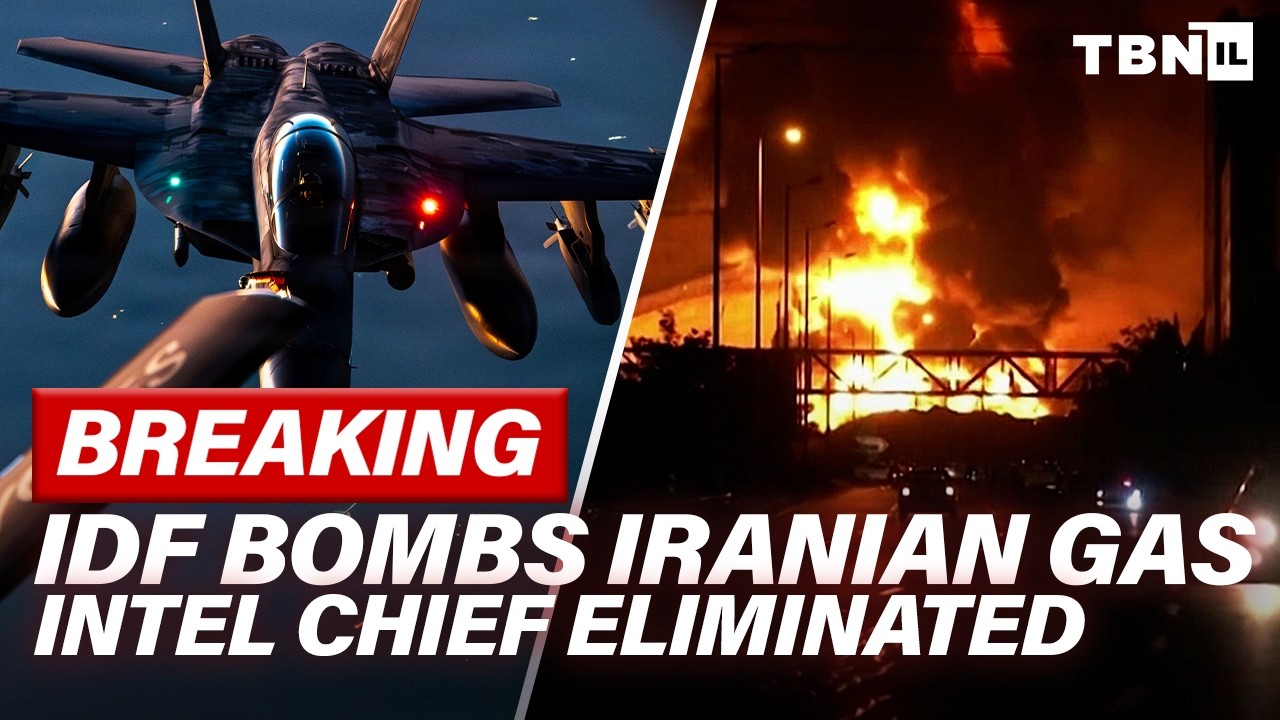
BREAKING: Israel BOMBS Major Iran Gas Site; Top Mullah ELIMINATED; Iran Vows VENGEACE | TBN Israel
"Israel and the United States have escalated their 'Roaring Lion War' against Iran, striking its largest gas facilities, eliminating key intelligence and military figures, and disrupting missile production, while Iran threatens a broader energy war in the Gulf."
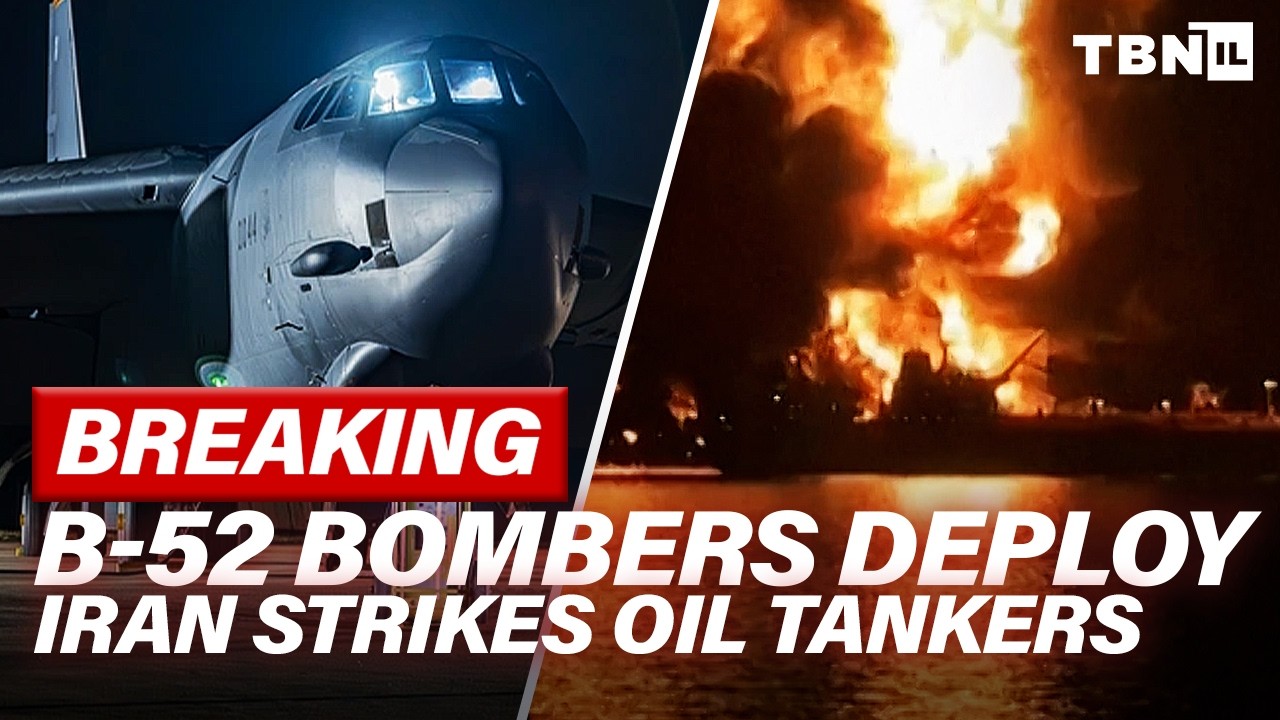
BREAKING: U.S. Deploys DOOMSDAY Bombers; IDF Drones SWARM Iran; IRGC Strikes Gulf Oil | TBN Israel
"Israel and the U.S. escalate military actions against Iran, deploying advanced weaponry and targeting critical infrastructure, while Iran retaliates by mining the Strait of Hormuz and threatening global tech giants."