Trump’s DOJ arrests journalists Don Lemon, Georgia Fort
YouTube · sqDBgUJvqDs
Quick Read
Summary
Takeaways
- ❖Journalists Don Lemon and Georgia Fort were arrested by federal agents for covering a church protest, despite prior legal rejections of warrants.
- ❖The arrests are widely viewed as a politically motivated attack on First Amendment rights by the Trump administration, intended to intimidate the press.
- ❖Career prosecutors in Minneapolis and Los Angeles, and a federal magistrate judge, had previously found no evidence of criminal behavior by the journalists.
- ❖The use of the FACE Act, typically for reproductive services access, is questioned given its application to a house of worship protest.
- ❖The targeting of Black journalists (Lemon, Fort) is highlighted as a strategic move, assuming less political blowback from the administration's base.
- ❖Historical precedents of government attempts to silence Black newspapers and journalists are cited, emphasizing a long-standing pattern.
- ❖The grand jury process is criticized as easily manipulated by prosecutors to secure indictments without substantial evidence.
- ❖The arrests create a 'chilling effect' on journalism, potentially discouraging media organizations from covering contentious issues or sending reporters into disruptive situations.
- ❖Solidarity from numerous journalism and civil rights organizations, as well as political figures, condemns the arrests as an assault on democracy.
- ❖The importance of voting and political engagement is stressed as a defense against authoritarian tactics and the weaponization of the justice system.
Insights
1Federal Arrests of Journalists Despite Prior Legal Rejections
Journalists Don Lemon and Georgia Fort were arrested by federal agents for covering a protest at a church. This occurred despite the Department of Justice having previously failed twice to secure arrest warrants in Minnesota, where a chief judge found 'no evidence' of criminal behavior. Career prosecutors in Minneapolis and Los Angeles also reportedly found insufficient evidence, suggesting the administration 'judge-hopped' to find a grand jury willing to indict.
Georgia Fort's video statement during her arrest (), Don Lemon's attorney statement (), CNN statement (), MSNBC reporting on career prosecutors (), Thelma Anderson's legal analysis (, ), Roland Martin's summary of prior rejections ()
2Politically Motivated Attack on Press Freedom
The arrests are framed as a deliberate and unprecedented attack on the First Amendment by the Trump administration, intended to intimidate journalists, distract from other crises, and delegitimize non-right-wing media. Speakers highlight the administration's consistent hostility towards the press, including lawsuits, 'fake news' rhetoric, and the use of official channels to mock arrested journalists.
Don Lemon's attorney statement (), Hakeem Jeffries' statement (), Roland Martin's commentary on Trump's history with media (), Tanisha Tidwell's comments on White House tweet (), Chuck Schumer's statement ()
3Targeting of Black Journalists and Historical Precedent
The arrests of Don Lemon and Georgia Fort, both Black journalists, are seen as a strategic choice by the administration, assuming less political blowback compared to arresting white, establishment journalists. This action is placed within a historical context of government attempts to silence Black media, citing examples from World War II and the Civil Rights Movement where Black newspapers and journalists faced threats and violence for reporting on racial injustice.
Tanisha Tidwell's comparison to Anderson Cooper (), Wesley Lowry's analysis on targeting Black journalists (), Roland Martin's historical examples (, , ), Thelma Anderson's comments on targeting people of color ()
4Chilling Effect on Journalism and Broader Citizen Rights
The arrests are expected to create a 'chilling effect,' discouraging media organizations from aggressively covering protests or inconvenient truths, especially for independent and less-resourced journalists. Wesley Lowry argues that this precedent extends beyond professional journalists, potentially criminalizing any citizen documenting events with their cell phone if the surrounding activity is deemed 'unpopular' or 'illegal.'
Wesley Lowry's discussion of the chilling effect (, ), Tanisha Tidwell's comments on intimidated colleagues (), Thelma Anderson's call to not live in fear ()
Bottom Line
The administration's alleged 'judge-hopping' and persistence in securing indictments against journalists, despite initial legal rejections, reveals a deep-seated intent to weaponize the justice system for political purposes, rather than a genuine belief in criminal wrongdoing.
This suggests a systemic vulnerability in the judicial process where political pressure can override legal merit, eroding the independence of the judiciary and setting a dangerous precedent for future administrations to target perceived enemies.
Legal advocacy groups and media organizations must proactively document and expose instances of judicial manipulation, pushing for reforms that safeguard the impartiality of grand juries and protect legal professionals who resist political pressure.
The deliberate targeting of Black journalists in this context is not just about silencing the press, but also about exploiting racial and political divisions to minimize public outcry from the administration's base, assuming less blowback for actions against marginalized groups.
This strategy highlights a cynical calculation that leverages existing societal biases to normalize authoritarian behavior, making it harder to build broad-based opposition and further entrenching systemic inequalities.
Civil rights and journalism organizations must explicitly highlight the racial dimension of such targeting, building broader coalitions across racial and professional lines to demonstrate that an attack on any journalist, especially those from marginalized communities, is an attack on all.
Key Concepts
Weaponization of Justice
The concept that legal and judicial processes are allegedly used by those in power not to uphold the law impartially, but to target political opponents, critics, or specific groups for intimidation or retaliation. This is seen in the administration's persistence in seeking indictments against journalists despite initial rejections by career prosecutors and judges.
Chilling Effect
The suppression of legitimate rights and activities (like free speech or press freedom) due to fear of legal sanction or retaliation. The arrests of journalists are argued to create a chilling effect, deterring other reporters and media organizations from covering sensitive or controversial events, thereby undermining accountability.
Authoritarian Tactics
Methods employed by governments or leaders that centralize power, suppress dissent, and undermine democratic institutions, often by attacking the press, judiciary, or civil liberties. The arrests are framed as indicative of such tactics, aiming to control information and silence opposition.
Selective Enforcement
The practice by law enforcement or government agencies of applying laws or regulations unevenly, often targeting specific individuals or groups while overlooking similar actions by others. The hosts suggest the targeting of Black journalists is an example of selective enforcement, assuming less political blowback.
Lessons
- Actively participate in elections and encourage others to vote, recognizing that political inaction has direct consequences on civil liberties and the rule of law.
- Support independent media and journalism organizations that are committed to accountability and reporting on uncomfortable truths, especially those covering marginalized communities.
- Educate yourself and your community on First Amendment rights, particularly regarding press freedom and the right to document public events, to better resist intimidation tactics.
- Speak up against perceived injustices and attacks on democratic institutions; silence is framed as complicity, and collective action is essential to push back against authoritarianism.
- Journalism and legal professionals should collaborate to create workshops and resources that empower journalists with knowledge of their rights and legal protections when covering contentious stories.
Notable Moments
Georgia Fort records federal agents arresting her at her home, with her children present, expressing disbelief at being arrested for filming a protest as a journalist.
This personal, raw footage humanizes the impact of the arrests, highlighting the emotional toll and the perceived violation of constitutional rights in a domestic setting, making the abstract concept of 'press freedom' concrete and relatable.
The White House's official social media account posts a graphic mocking Don Lemon's arrest with the caption 'When life gives you lemons,' which the panel condemns as 'disgusting' and 'third-grade bullying.'
This moment demonstrates the administration's open contempt for the press and its willingness to use official platforms for intimidation and propaganda, further solidifying the argument that the arrests are politically motivated rather than legally justified.
Roland Martin reads the official statement from the National Association of Black Journalists (NABJ) and a long list of supporting organizations, condemning the arrests and calling for solidarity.
This showcases the widespread condemnation from professional journalistic bodies and civil rights groups, emphasizing the collective understanding of the severity of the situation and the unified front against perceived attacks on press freedom.
Quotes
"I don't feel like I have my First Amendment right as a member of the press because now federal agents are at my door arresting me for filming the church protest a few weeks ago."
"The First Amendment exists to protect journalists whose role it is to shine light on the truth and hold those in power accountable. There's no more important time for people like Don to be doing this work."
"If they come for a journalist, they're coming for you next. Okay? If they are ripping people out of their homes, out of their cars, uh killing them in broad daylight in the streets of Minneapolis, they're coming for you."
"A DA can get a grand jury to indict a ham sandwich if they want to."
"The normalization of arrests during lawful news gathering poses risk to all journalists. Journalism that holds power to account strengthens democracy. That mission must be defended, not punished. Not now, not this way. And again, not on our watch."
"Silence is the enemy. And if you are comfortable with that enemy, let us know so we won't tap you in."
"Elections have consequences. The people want law and order and we have a silent majority."
"Democracy will suffer if the government chokes our civil liberties. Under this administration, the Department of Justice has all too often become the Department of Vengeance."
Q&A
Recent Questions
Related Episodes
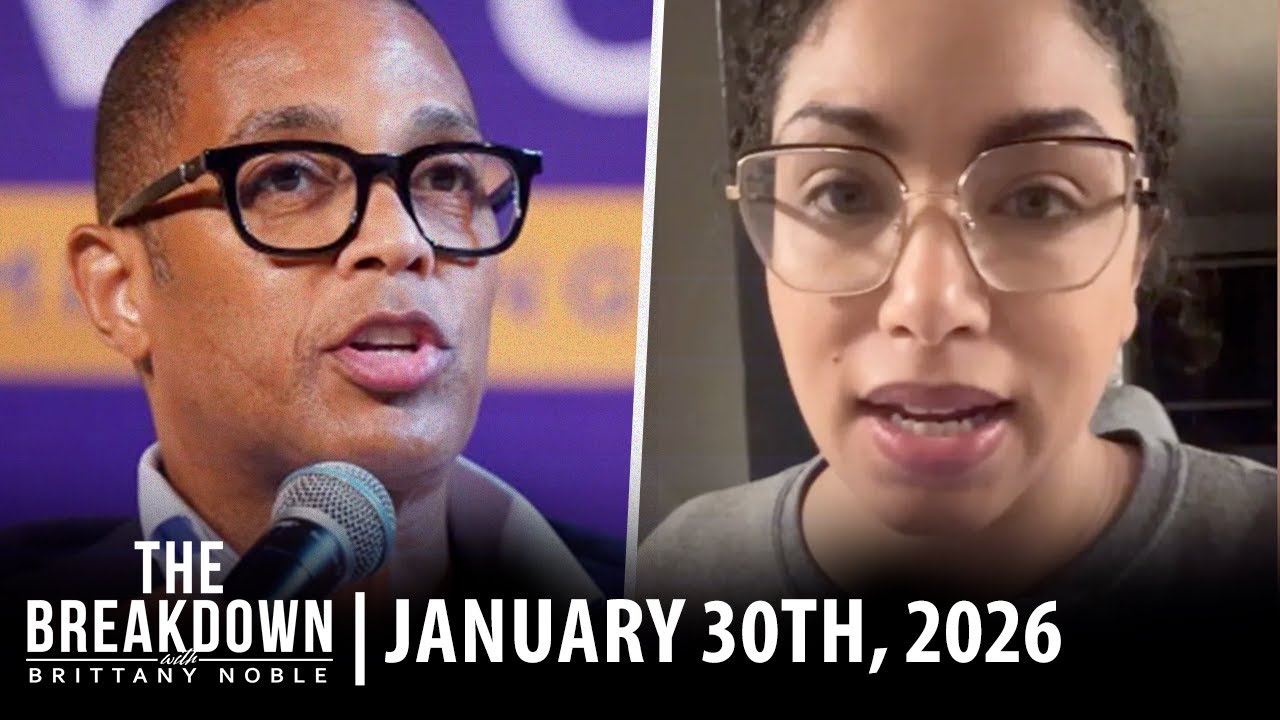
rump’s DOJ arrests journalists Don Lemon, Georgia Fort
"Federal agents arrested prominent journalists Don Lemon and Georgia Fort for covering a church protest, sparking widespread condemnation and raising critical questions about First Amendment rights and the weaponization of the Justice Department."
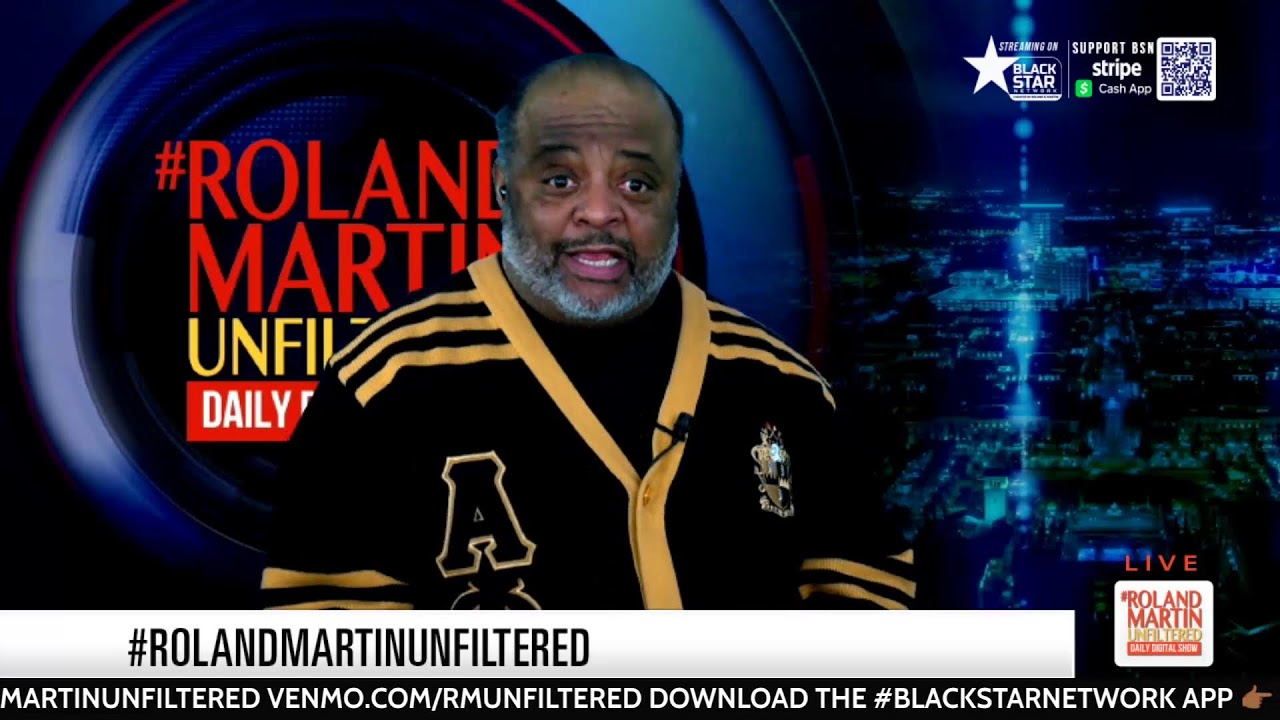
Don Lemon, Georgia Fort Arrested Over Church Protest. Press Freedom on the Line Under Trump.
"The Trump administration's arrest of journalists Don Lemon and Georgia Fort for covering a church protest is framed as a direct assault on press freedom and a calculated distraction from the release of damaging Epstein files."

Trump Indictment FALLS APART INSTANTLY?!?!
"This episode dissects three controversial legal actions by the Department of Justice and FBI, revealing patterns of perceived politicization, questionable legal theories, and potential incompetence within federal agencies."

HOT TOPICS | WARNING: Donald Trump's Iran War Chaos Has Hit the Point of No Return!
"Don Lemon delivers a scathing critique of Donald Trump's recent actions, framing them as desperate, unconstitutional attempts to consolidate power, undermine democracy, and distract from economic and foreign policy failures, all while questioning his mental stability."