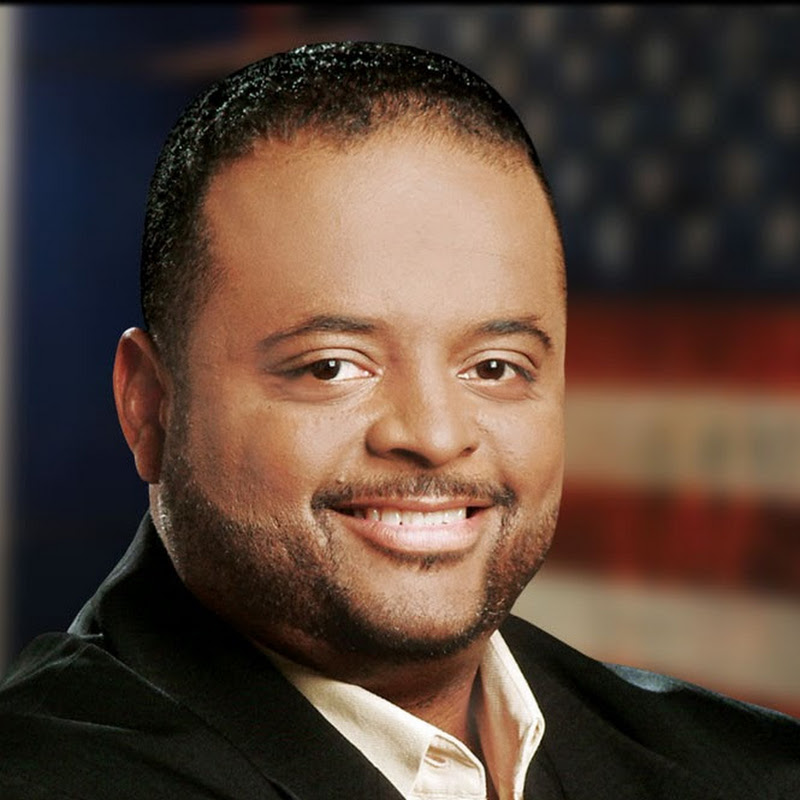
Louisiana Postpones Election. Roland Moderates Black men's Mental Health Forum in Shreveport.
YouTube · tC8kZ8IoWcw
Quick Read
Summary
Takeaways
- ❖Louisiana's congressional primaries were postponed due to a Supreme Court ruling that invalidated a majority-Black district, significantly weakening the Voting Rights Act.
- ❖The *Cala* decision is framed as a deliberate attack on Black political power, threatening minority representation across the South by arguing race-based remedies are no longer needed.
- ❖A Shreveport forum highlighted the urgent need to address Black men's mental health as a root cause of domestic violence, prompted by a local murder-suicide.
- ❖Culturally competent mental health services are crucial for Black men, as generic approaches often fail to address their unique experiences of racism and oppression.
- ❖Effective community organizing requires collecting data, building sustained infrastructure, and leveraging collective power to influence policy and resource allocation, rather than relying on individual efforts or broad consensus.
Insights
1Supreme Court's VRA Ruling Undermines Black Political Power
The Supreme Court's ruling in the *Cala* case effectively 'eviscerates' Section 2 of the Voting Rights Act, asserting that race-based remedies are no longer necessary in a 'post-racial' country. This decision overturned the creation of a second majority-Black congressional district in Louisiana, which was designed to ensure equitable representation for the state's one-third Black population.
Ashley Shelton states, 'What it means is that black voters and and all minorities... could lose the ability to elect a candidate of choice at every level of government.' Davin Roseboro adds, 'This is the end of the project of the Roberts Court to slowly piece by piece take apart the Voting Rights Act.'
2Immediate Political Fallout and Voter Confusion in Louisiana
Following the Supreme Court's ruling, Republican Governor Jeff Landry issued an executive order to postpone Louisiana's congressional primaries, initially scheduled for May. This action aims to redraw maps that could eliminate the newly established majority-Black district, causing significant voter confusion as absentee ballots were already cast and early voting was imminent.
Wesley Lavy reports, 'Republican Governor Jeff Landry issued an executive order to postpone the US House primary following Wednesday's court ruling.' Ashley Shelton details, 'He is now saying that he is going to pull the congressional house seat seats from the ballot... many voters have already voted... there's a big question about like what where like where are we?'
3Black Men's Mental Health as a Root Cause of Domestic Violence
A tragic murder-suicide in Shreveport, where a father killed his children and shot their mother, prompted a community forum emphasizing the critical link between Black men's mental health and domestic violence. Panelists argued that underlying psychological issues, rather than just anger, drive such heinous acts, and addressing these issues is essential for protecting Black women and children.
A panelist states, 'I think people realized there was a mental health component to this... what mentally happened to a person that was literally sitting on the steps watching his kids play one day and then the next day he takes all their lives.' Roland Martin asserts, 'If men are committing 96% of domestic violence cases, at some point, we're going to have to talk about what is going on with men.'
4Demand for Culturally Competent Mental Health Services
Experts highlighted that generic mental health services are often ineffective for Black men due to a lack of cultural understanding, accessibility, and relevance. The panel stressed the need for therapists and programs that acknowledge and address the unique experiences of racism, oppression, and societal pressures faced by Black men.
Dr. Kevin Washington states, 'All mental health is not good mental health if it does not fit the population... if a therapist doesn't understand what it means to be who we are.' He adds that Black men avoid therapy due to concerns about understanding, access, and cultural competence.
5Organizing and Data Collection are Crucial for Community Power
Roland Martin emphasized that effective community-driven change requires moving beyond mere discussions to organized action, starting with systematic data collection at meetings. He argued that without a database of engaged individuals, efforts remain fragmented and unable to mobilize collective power to influence policy and secure resources.
Roland Martin asks, 'Has anyone collected the data of all the people in this room? Right there is our first mistake.' He explains, 'We meet and we gather, but we don't organize and mobilize. So, the data is critically important.'
Bottom Line
Using economic leverage from major Black cultural events and sports to pressure state governments on voting rights issues.
States like Louisiana benefit significantly from events like the Essence Festival and potential NBA All-Star games. Threatening to withdraw or pause these events could create substantial economic pressure, forcing political leaders to reconsider policies that disenfranchise Black voters.
Black community leaders and organizations can strategically coordinate with major event organizers and sports leagues to establish clear conditions for hosting events in states with restrictive voting laws, turning cultural capital into political leverage.
The challenge of funding preventative programs versus reactive crisis response, due to the difficulty in immediately demonstrating success.
Preventative measures, like youth mentorship or early mental health interventions, often lack immediate, measurable outcomes, making them harder to fund compared to visible crisis responses. This leads to underinvestment in long-term solutions.
Advocates need to develop robust, long-term data collection and impact measurement strategies for preventative programs, demonstrating their eventual cost-effectiveness and societal benefits to secure sustained funding from public and private sources.
Opportunities
Culturally Competent Mental Health Provider Network
Establish a network of mental health professionals and organizations specifically trained in cultural competence to serve Black communities. This could include training programs for existing therapists, developing new culturally specific therapeutic models, and creating accessible referral systems.
Youth Etiquette and Life Skills Development Program (Reboot of 'Swag Nation USA')
Revive and scale a program like 'Swag Nation USA' that focuses on teaching young men and women etiquette, conflict resolution, anger management, and positive interactions, including with law enforcement. This program would be evidence-based and designed for replication across multiple cities, potentially funded by local government or community grants.
Key Concepts
Micro to Macro Organizing
This model emphasizes starting community change efforts at a granular, local level (micro) by identifying specific needs and existing resources, then systematically building outward to broader, larger-scale movements (macro). It contrasts with attempting to implement large-scale solutions without a foundational local structure.
Community Resource Assessment
This framework involves systematically identifying and mapping all available assets within a community, including organizations, non-profits, churches, and individual talents. The goal is to understand existing capacity and leverage these resources for collective action, avoiding duplication of efforts and maximizing impact.
Cultural Competence in Mental Health
This model advocates for mental health services that are deeply informed by and respectful of the cultural context, racial experiences, and specific needs of the populations they serve. It argues that generic, 'colorblind' approaches are often ineffective and can exacerbate issues, particularly for Black men facing systemic racism and oppression.
Lessons
- Actively engage in local political processes by presenting clear, data-driven agendas to elected officials and holding them accountable for resource allocation in schools and community services.
- Prioritize collecting comprehensive contact information (name, email, phone, area of interest) at all community gatherings to build a robust database for sustained organizing and mobilization efforts.
- Support and align with existing organizations and non-profits that operate in specific 'lanes' (e.g., anti-violence, mental health, economic development) to leverage collective capacity and avoid duplicating efforts.
- Advocate for and implement culturally competent mental health and emotional regulation programs for youth, integrating them into schools, churches, and community centers, acknowledging the unique challenges faced by Black males.
- Utilize economic influence and collective consumer power to pressure states and local governments that undermine voting rights or neglect critical community needs, such as mental health infrastructure.
Building Black Community Power: A Micro-to-Macro Organizing Playbook
**Conduct Community Resource Assessment**: Map out all existing organizations, non-profits, churches, and community leaders in specific 'lanes' (e.g., mental health, anti-violence, economic development) within a defined geographic radius (micro-level).
**Gather and Mobilize Data**: At every community meeting or event, collect comprehensive contact information (name, email, phone, area of interest) from participants to build a robust database for ongoing communication and mobilization.
**Form Strategic Partnerships**: Align individuals and smaller groups with established organizations and subject matter experts to amplify impact and avoid duplicating efforts, focusing on shared goals and resource leverage.
**Develop Culturally Competent Programs**: Design and advocate for programs that are specifically tailored to the cultural context, experiences, and needs of the target population, especially in mental health and youth development.
**Present Unified Agendas to Elected Officials**: Translate community needs into concrete policy demands and funding requests, presenting them collectively to school boards, city councils, state legislators, and governors, holding them accountable for implementation.
**Sustain Engagement & Ignore Detractors**: Maintain consistent organizing efforts, regular meetings, and continuous outreach. Focus on the progress made by those who participate, and strategically ignore 'haters' or those unwilling to contribute to the collective building process.
Notable Moments
Louisiana's congressional primaries were postponed due to a Supreme Court ruling that invalidated a majority-Black district, impacting the Voting Rights Act.
This highlights the immediate and direct consequences of judicial decisions on electoral processes and minority representation, signaling a significant setback for voting rights.
Roland Martin announced he would moderate a panel in Shreveport on Black men's mental health and domestic violence, following a tragic local murder-suicide.
This demonstrates the podcast's commitment to addressing critical, often stigmatized, community issues in real-time, using a local tragedy as a catalyst for broader discussion and action.
Ashley Shelton explained the *Cala* decision 'eviscerating' Section 2 of the Voting Rights Act, arguing it undermines the ability of minorities to elect candidates of choice.
Her explanation clarifies the legal and practical implications of the Supreme Court ruling, emphasizing its far-reaching negative impact on minority political power beyond just Louisiana.
The panel discussion shifted to the mental health component of the Shreveport murder-suicide, emphasizing the need to understand underlying psychological issues.
This moment underscores the critical importance of recognizing mental health as a root cause of violence, challenging simplistic views and advocating for a more nuanced approach to prevention.
Dr. Kevin Washington highlighted the necessity of culturally competent mental health services for Black men, arguing generic therapy is often ineffective.
This insight is crucial for developing effective interventions, stressing that mental health solutions must be tailored to the specific cultural and lived experiences of the community being served.
Roland Martin stressed the critical mistake of not collecting data (names, contact info) at community meetings, hindering future organization and mobilization.
This practical observation offers a fundamental lesson in effective community organizing, emphasizing that sustained movements require systematic data collection to build and maintain a committed base.
Quotes
"This started out as a case about Louisiana and an additional congressional seat and then what the subsequent ruling that we received yesterday. What it means is that black voters and and all minorities... could lose the ability to elect a candidate of choice at every level of government."
"This is the end of the project of the Roberts Court to slowly piece by piece take apart the Voting Rights Act... it's really an affront to what Congress intended."
"If men are committing 96% of domestic violence cases, at some point, we're going to have to talk about what is going on with men."
"All mental health is not good mental health if it does not fit the population."
"We meet and we gather, but we don't organize and mobilize. So, the data is critically important."
"You are going to face some haters in Shreveport who are not going to want you to take this and turn it into a movement. What you must do is ignore the haters and keep building."
Q&A
Recent Questions
Related Episodes

All Roads Lead To the South: Nat’l Day Of Action For Voting Rights | Mass Rally | Montgomery, AL
"A mass rally in Montgomery, Alabama, ignites 'Freedom Summer 2026' to combat the Supreme Court's decimation of Black political power and demand unprecedented voter mobilization across the South."
Moral Monday at BLM Plaza. Cleo Fields Sounds Alarm on Louisiana & Gary Chambers Pushes Turnout
"Activists and faith leaders gathered at Moral Monday to denounce 'policy violence' in various forms, from war and budget cuts to voter suppression and healthcare denial, urging sustained mobilization against a 'hijacked' democracy."

Mamá me golpeaba, busqué a papá y él me trajo a la cárcel | Yahana #Penitencia 196 #México
"Yahana recounts her harrowing journey from a childhood marred by domestic violence and parental abandonment to drug addiction and eventual incarceration, directly caused by her father's actions."

"Mini" Super Tuesday Primaries. Bodycam Clears Black Teen. Haitian Heritage Month. #TheBreakdown
"This episode breaks down critical political developments, highlights the power of bodycam footage in exonerating a Black teen, celebrates Haitian heritage, showcases innovative arts education, and champions breast cancer awareness for Black women."