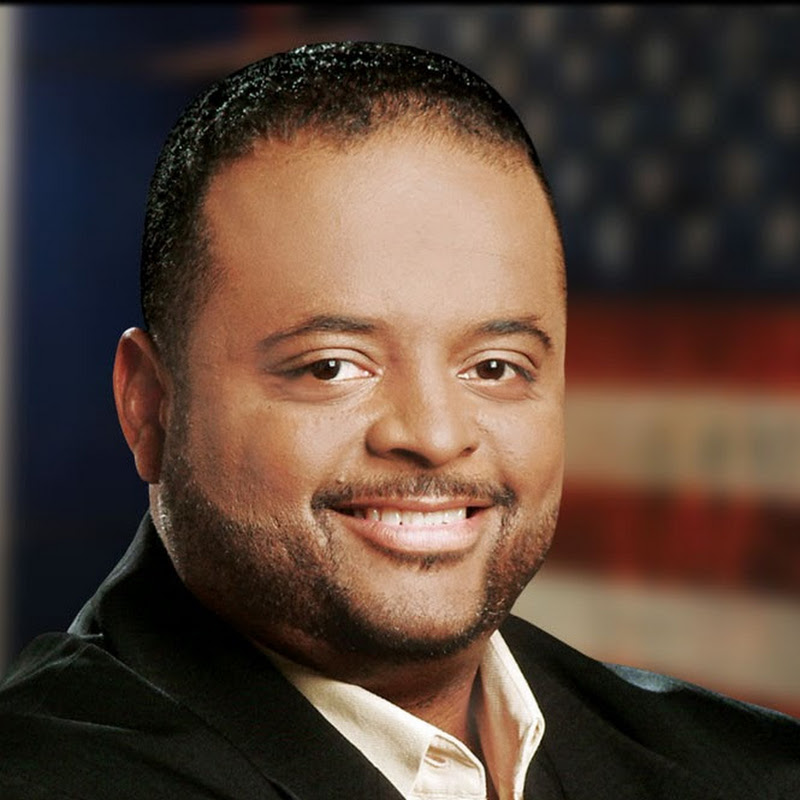
Copy of How Republican Extremists Captured State Governments #TheBlackTable
YouTube · tUyofoUD7MU
Quick Read
Summary
Takeaways
- ❖State legislatures, not just federal figures, are the primary battleground for attacks on democracy.
- ❖Gerrymandering and voter suppression tactics, like limiting ballot dropboxes, are systematically implemented across states, often learning from each other's 'successes.'
- ❖Ohio, despite being a toss-up state, legislates like a far-right state due to gerrymandered districts and voter suppression.
- ❖The attack on democracy began before Donald Trump, as a backlash to the diverse Obama coalition of 2008.
- ❖State legislatures are increasingly ignoring judicial rulings and changing court election rules to maintain power, as seen in Ohio and Wisconsin.
- ❖Organizations like ALEC coordinate efforts to push model legislation that benefits private interests (e.g., energy, for-profit schools) across states.
- ❖Corruption in state houses extends beyond individual bribes to a systemic 'corrupted form of public service,' diverting public assets to private entities.
- ❖Connecting the abstract concept of corruption to tangible public outcomes (e.g., 4-day school weeks in Kansas, failing infrastructure) is a powerful strategy for political campaigns.
- ❖The U.S. Constitution's 'Guarantee Clause' (Article IV, Section 4) mandates that the federal government ensure states have a republican form of government, a responsibility Congress often neglects.
- ❖Every individual has a 'footprint of influence' to lift democracy, from registering voters at local facilities to challenging extremist politicians in their districts.
Insights
1State Houses as Laboratories of Autocracy
David Pepper argues that state legislatures have become the primary battleground where democracy is being undermined. Through aggressive gerrymandering and voter suppression tactics, Republican-controlled state houses operate with little accountability to their constituents, allowing them to legislate far to the right of their state's actual political leanings. This systemic capture enables the passage of laws that benefit private interests and erode public services.
Pepper cites the Tennessee Three expulsion, the proliferation of 30+ gerrymandered Republican-controlled legislatures, and the Ohio Secretary of State's deliberate limitation of ballot dropboxes during COVID, which created traffic jams and was subsequently replicated in other states.
2Coordinated Corruption and the Role of ALEC
The 'capture' of state houses is not merely organic but a coordinated effort driven by significant financial interests. Organizations like the American Legislative Exchange Council (ALEC) develop and disseminate model legislation that benefits their corporate members (e.g., utilities, for-profit schools). These bills are then pushed through state legislatures that have been made unaccountable through gerrymandering and voter suppression, leading to a systemic form of corruption where public assets are diverted to private entities, resulting in declining public outcomes.
Pepper explains that ALEC has understood the 'weakness of state houses' for decades, enabling them to 'rush through bill after bill' that benefits their members. He highlights how successes in one state, like Ohio's dropbox limitations or Kansas's school defunding, are mimicked across the country.
3The Imperative of Local Engagement and Redefining Victory
To counter the systemic attack on democracy, citizens must shift their focus from solely federal elections to continuous, local engagement. This involves actively registering voters in communities, challenging extremist politicians in every state house district (even if a win is unlikely), and using one's 'footprint of influence' to promote democratic participation. Running for office, regardless of the outcome, is framed as a critical act of public service that shines a light on unaccountable state houses and brings much-needed accountability.
Pepper references the success of Governor Laura Kelly in Kansas, who won by focusing on tangible public impacts of corruption like 4-day school weeks. He advocates for mayors, health clinics, and food banks to register voters and for individuals to challenge uncontested extremist seats, noting that over 50% of the Tennessee legislature ran unopposed.
Lessons
- Actively engage in local politics: Identify your state representatives and understand their actions, especially if they are extremists or run uncontested.
- Promote voter registration: Utilize your personal and professional 'footprint of influence' to help register voters at local community centers, health clinics, homeless shelters, or even businesses.
- Challenge unaccountable power: Support candidates who run against extremist or uncontested state legislative seats, recognizing that the act of running itself brings accountability and shines a light on critical issues, regardless of the immediate outcome.
Quotes
"These are supposed to be laboratories of democracy, but they're acting more like laboratories of autocracy."
"It's not Marjorie Taylor Green and it's not George Santos. It's those Tennessee gerrymandered Republicans who attack and attack and attack and because they're gerrymandered in districts they don't think they can lose... they just keep going and going."
"If your goal is voter suppression, that traffic jam is what you want. So all of a sudden within months of the traffic jams in Ohio, we have people all around the country trying to replicate them."
"If we saw the behavior in Tennessee and Ohio and Missouri, in Florida, in another country, we would literally say, 'My god, that country is losing its democracy in front of all of us.'"
"The United States shall guarantee to every state a republican form of government."
Q&A
Recent Questions
Related Episodes

NC Targets DEI. Trump Blocks Housing Bill. Minority Banks Face New Rules. Kohen Wiley Protests
"This episode exposes how current political actions, from changes in minority bank definitions to attempts to regulate college athlete earnings and block foreign aid, are systematically undermining Black economic power, voting rights, and social justice."

All Roads Lead To the South: Nat’l Day Of Action For Voting Rights | Mass Rally | Montgomery, AL
"A mass rally in Montgomery, Alabama, ignites 'Freedom Summer 2026' to combat the Supreme Court's decimation of Black political power and demand unprecedented voter mobilization across the South."

“Explosive!” New Republican ballot scandal SURGES INTO NEWS
"A California sheriff and gubernatorial candidate seized over half a million ballots, an act the hosts frame as a dangerous escalation in Republican efforts to undermine election integrity and normalize ballot seizures."

NC Early Voting Push. Cancer Alley Win. NFL Shuts Out Black Coaches.Trump Nominee’s “White Identity”
"Roland Martin Unfiltered dissects systemic racism in politics, sports, and environmental justice, revealing how Black communities are fighting back against gerrymandering, corporate exploitation, and hiring discrimination."