Tucker: CIA Prepping 'CRIMINAL REFERRAL' On Me
YouTube · tv874bsKS4c
Quick Read
Summary
Takeaways
- ❖Tucker Carlson claims the CIA is preparing a criminal referral against him for 'talking to people in Iran before the war,' potentially under the Foreign Agent Act.
- ❖The hosts view this as indicative of enhanced wartime censorship and government efforts to silence anti-war voices.
- ❖They argue that speaking with foreign adversaries is a fundamental aspect of journalism, essential for providing the public with a complete understanding of events.
- ❖The hosts criticize Carlson for not directly implicating Donald Trump, who was president at the time, in the alleged CIA actions, suggesting a political calculation.
- ❖Effective criticism of power, even from within a political coalition, requires direct confrontation and a willingness to withdraw support, rather than couching dissent in praise.
Insights
1Tucker Carlson Alleges CIA Criminal Referral for Iran Communications
Tucker Carlson states that the CIA is preparing a criminal referral against him to the Department of Justice. The alleged crime is 'talking to people in Iran before the war,' which he believes the CIA is framing as acting as an agent of a foreign power under the Foreign Agent Act. Carlson dismisses the legal basis, asserting his sole loyalty to the U.S. and his professional duty to engage with global actors.
Tucker Carlson's direct statement: 'The other day I found out that the CIA is preparing some kind of criminal referral against me, a crime report to the Department of Justice on the basis of a supposed crime I committed. What's that crime? Well, talking to people in Iran before the war. They read my texts.'
2Wartime Censorship and Surveillance Threaten Press Freedom
The hosts argue that the alleged CIA action against Carlson, combined with other government warnings, signals an intensified period of wartime censorship and surveillance. They contend that targeting journalists for communicating with foreign adversaries is a dangerous precedent that prevents the American public from receiving diverse perspectives and a full picture of international conflicts.
The hosts state: 'What this enhanced sort of wartime censorship is going to look like.' and 'Part of natural reportage is actually reaching out to people who yes many times are America's enemies or people who you are at war with. Why do we do it? And why is it actually incumbent upon us to do so? The reason why is to give the American people a full picture of what we're actually doing.'
3Critique of Tucker Carlson's Avoidance of Direct Trump Criticism
The hosts criticize Tucker Carlson for not explicitly blaming then-President Donald Trump for the alleged CIA and DOJ actions, despite Trump being the head of those agencies. They suggest Carlson's reluctance stems from a desire to maintain influence within the MAGA base, a strategy they view as ineffective and 'pathetic' when faced with direct government targeting.
The hosts comment: 'You put out this video claiming that Trump's CIA is spying on you and Trump's DOJ is planning on filing criminal charges against you and you can't say anything about the president of the United States who was leading this institutions.'
4Effective Political Influence Requires Direct Criticism, Not Just Access
Drawing parallels with figures like Mark Levin and Marco Rubio, the hosts argue that genuine influence and power in Washington come from a willingness to directly and forcefully criticize leaders, even those within one's own political coalition. They contend that merely maintaining access or couching dissent in praise diminishes one's ability to effect change, as leaders will perceive such figures as reliably loyal.
The hosts explain: 'What you learn from that is that people who are actually critical...when they have a view and they force that view very very very forcefully, they win.' and 'If you're not willing to withdraw your vote or withdraw your support, withdraw and actually deeply criticize somebody, I don't think that you have a lot of power in Washington.'
Lessons
- Recognize that during wartime, governments often increase surveillance and censorship, potentially targeting journalists and dissenting voices under national security pretexts.
- Support independent media outlets that commit to interviewing a wide range of sources, including foreign adversaries, to ensure a comprehensive understanding of global events.
- Understand that maintaining political influence often requires direct and forceful criticism of power, rather than solely relying on access or subtle persuasion.
Quotes
"Countries tend to become more authoritarian in wartime. It's just the nature of war. People are dying. The stakes are high. People's emotions have risen to a very high point to a crescendo. And so there's much less tolerance for any kind of dissent in the homeland."
"Part of natural reportage is actually reaching out to people who yes many times are America's enemies or people who you are at war with. Why do we do it? And why is it actually incumbent upon us to do so? The reason why is to give the American people a full picture of what we're actually doing."
"If you're not willing to withdraw your vote or withdraw your support, withdraw and actually deeply criticize somebody, I don't think that you have a lot of power in Washington."
Q&A
Recent Questions
Related Episodes
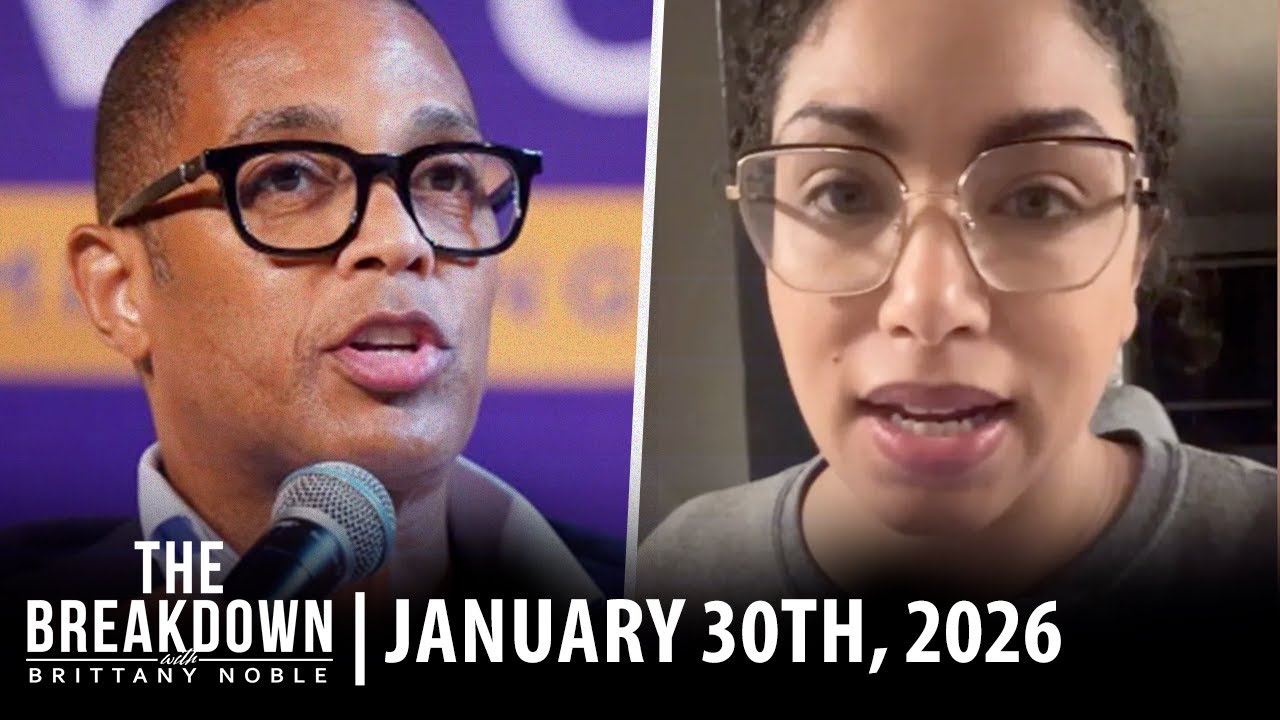
rump’s DOJ arrests journalists Don Lemon, Georgia Fort
"Federal agents arrested prominent journalists Don Lemon and Georgia Fort for covering a church protest, sparking widespread condemnation and raising critical questions about First Amendment rights and the weaponization of the Justice Department."
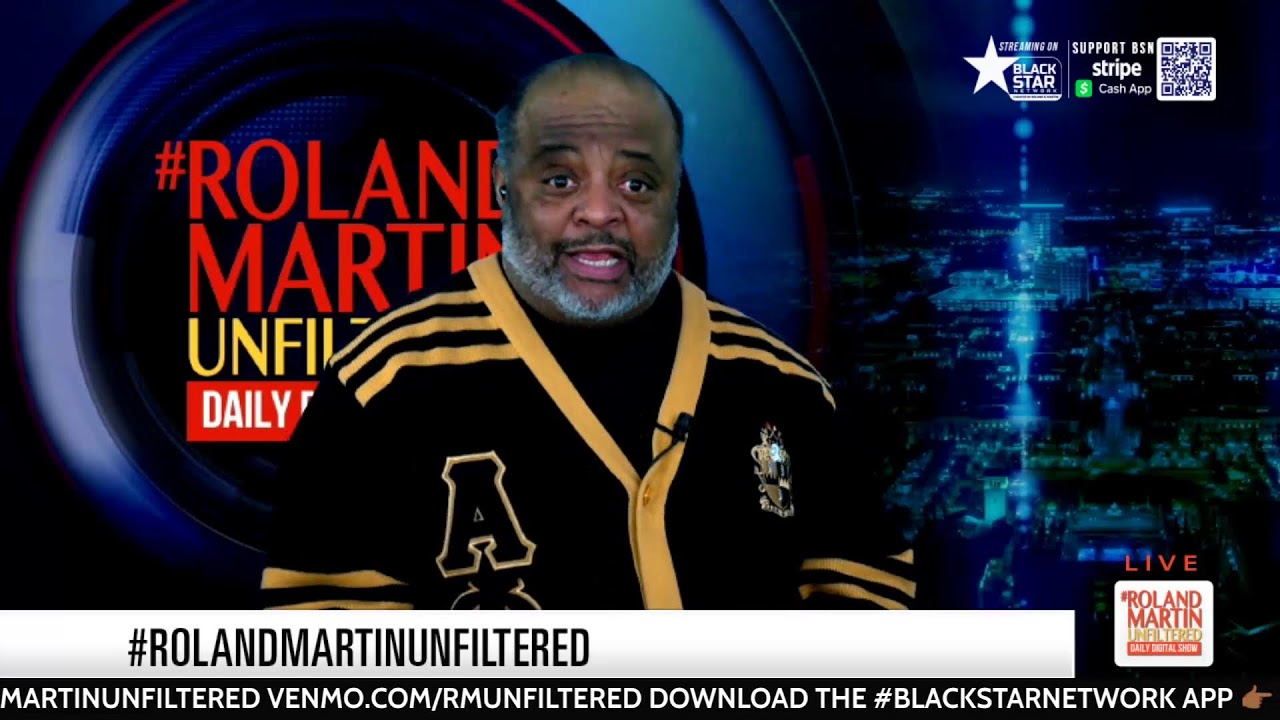
Don Lemon, Georgia Fort Arrested Over Church Protest. Press Freedom on the Line Under Trump.
"The Trump administration's arrest of journalists Don Lemon and Georgia Fort for covering a church protest is framed as a direct assault on press freedom and a calculated distraction from the release of damaging Epstein files."

Trump Dirt REVEALED: Iran, Zohran, Pardons, Deportations
"Journalists Maggie Haberman and Jonathan Swan reveal how Donald Trump operates in his second term, detailing his inner circle, policy priorities, and the surprising checks on his executive power."
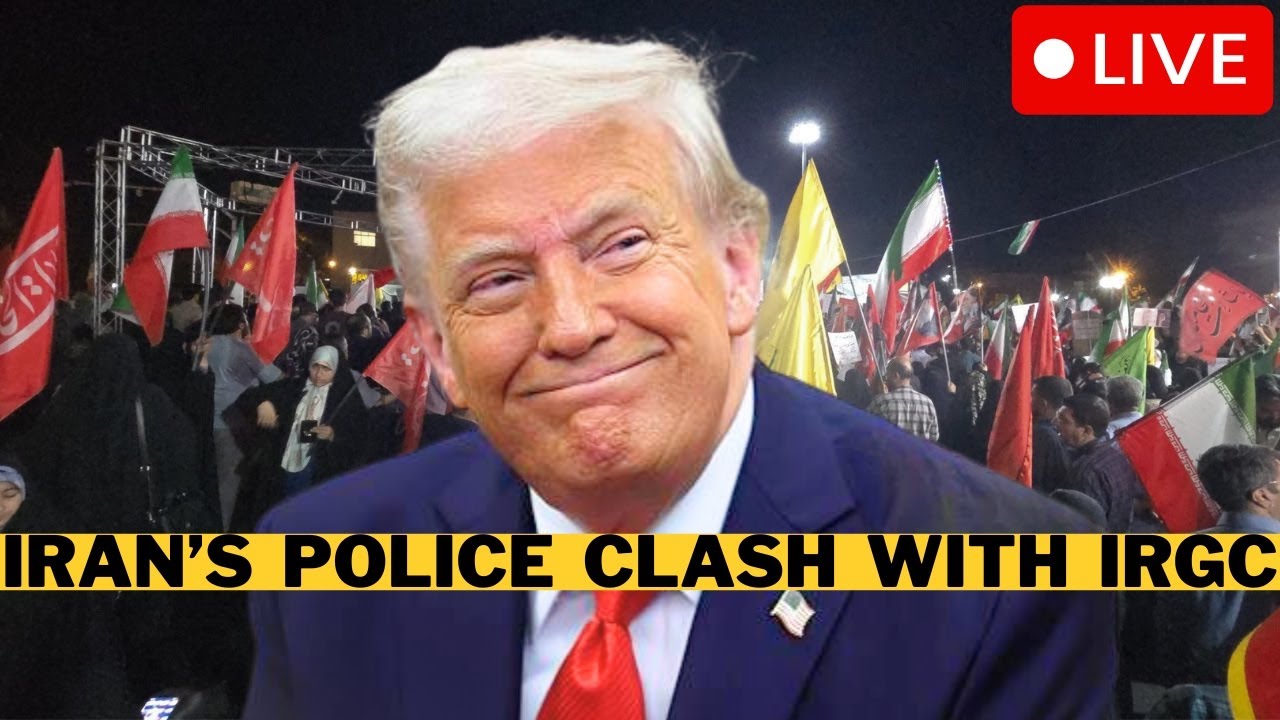
BREAKING: Protests ERUPT In Iran Over IRGC Surrendering To Trump - Infighting Clashes In Tehran
"Iran is experiencing severe internal infighting and protests as hardline IRGC elements clash with government figures over a perceived 'surrender' to the US, while mainstream Western media misrepresents the situation."