BRYSON TILLER - MILLION DOLLAZ WORTH OF GAME EPISODE 362
YouTube · uRZTY6OHK1A
Quick Read
Summary
Takeaways
- ❖The music industry is rife with 'horror stories' involving legal battles and people claiming undue credit.
- ❖Early career struggles, including working at Papa John's and UPS, provided rich inspiration for his music.
- ❖His artistic evolution involved shifting from pure singing to a blend of rap and singing to 'hide' his vocal ability and mature his sound.
- ❖Overcoming severe performance anxiety took 5-6 years, requiring a conscious effort to speak from the heart on stage.
- ❖Tiller does not feel pressure to replicate past success, asserting that artists must grow and fans can revisit old work.
- ❖Fatherhood is his biggest inspiration, driving his ambition to provide for his children and shaping his perspective on life and art.
- ❖He is developing a satirical video game called "Brutal Industry" based on his challenging experiences in the music business.
- ❖Social media criticism is often irrelevant, as genuine fans show support in the real world, not just in comments.
Insights
1Navigating the 'Brutal' Music Industry
Bryson Tiller describes the music industry as 'brutal,' citing numerous 'horror stories' involving legal disputes and individuals emerging from his past to claim credit or money. These challenges often stem from perceived missed opportunities by others, leading to lawsuits over minor connections or contributions.
Tiller mentions constant legal issues and 'street shit' he never anticipated, with people from his past claiming credit for his success, even for simple acts like sleeping on a couch or sharing a pizza. ( - )
2Inspiration from Struggle and Fatherhood
Tiller's initial decision to quit music and work blue-collar jobs (UPS, Papa John's warehouse) after having a child provided him with a new perspective and the raw material for his breakthrough music. Being 'broke' and denied financial help by friends pushed him back into the studio, leading to his first hit, 'Don't.'
He stopped making music from 17-19, got a job at UPS and Papa John's because he had a kid on the way. Friends denying him money for small amounts like $20-40 pushed him to get back into the studio, resulting in his first song, 'Don't.' ( - )
3Artistic Evolution and Finding a Unique Sound
A pivotal moment for Tiller was realizing he wasn't a 'singer-singer' after an embarrassing performance. This led him to intentionally blend rap with his singing, creating a distinct style where he could 'hide' his singing ability while still utilizing it, and focusing on more mature, relationship-based lyrical content.
After an embarrassing 18th birthday performance, Tiller decided he wasn't a 'singer-singer' and needed to mix rap with his singing to 'hide' his vocal ability, becoming 'a rapper who knows how to sing.' This also led to more mature lyrical themes. ( - )
4Overcoming Performance Anxiety and Stage Fright
Despite early success, Tiller struggled with severe stage fright and discomfort performing for many years, even rehearsing lines backstage. It took him about five to six years, until around 2022, to genuinely warm up to the stage and feel comfortable speaking from the heart to his audience.
Tiller admits he was nervous and had to be pushed on stage for early performances, including opening for Travis Scott. He didn't truly warm up to performing for 'about five, six years' (until 2022), initially rehearsing lines instead of speaking authentically. ( - )
5Rejecting Nostalgia and Embracing Artistic Growth
Tiller firmly believes artists should not be pressured to recreate past sounds. He likens it to wanting a 'manufactured' imitation of an 'original drug' and cites Jay-Z's 'If you want my old shit, buy my old album' as a guiding principle. He emphasizes that artists, like people, grow and their art reflects that evolution.
Tiller dismisses the idea of battling past success, stating, 'fans are finicky. But people, everybody like what they like.' He quotes Jay-Z and Tyler the Creator to argue against chasing nostalgia, asserting that artists evolve and their music should too. ( - )
Bottom Line
Bryson Tiller is developing a satirical video game, "Brutal Industry," directly inspired by his negative experiences and 'horror stories' within the music business.
This project offers a unique, interactive way for an artist to process and share the often-hidden challenges of their career, potentially creating a new revenue stream and a more authentic connection with fans who appreciate his transparency.
Artists can explore alternative media (like gaming, comic books, or interactive experiences) to tell their stories and engage with their audience, turning personal struggles into creative and profitable ventures that offer deeper insights into their world.
The most vocal critics on social media are often not genuine fans, nor do they represent the broader audience's support, which is more evident in real-world attendance and engagement.
Artists should prioritize their artistic vision and real-world connection with their audience over the fleeting and often manufactured negativity of online comments. This perspective helps maintain mental health and focus on what truly matters for a career.
Develop strategies to filter social media noise and identify true audience sentiment. This could involve direct fan engagement, analyzing concert attendance, or focusing on metrics beyond comment sections, allowing artists to make decisions based on genuine support rather than vocal minorities.
Opportunities
Brutal Industry Video Game
A satirical, retro-inspired video game about the music industry, allowing players to navigate its challenges, legal battles, and opportunistic characters based on real-world experiences. It aims to be a fun, story-driven experience that exposes the 'brutal' realities of the business.
Key Concepts
The Brutal Industry
The music industry is characterized by constant legal challenges, opportunistic individuals, and external pressures that can be emotionally and financially draining. Artists must develop resilience and maintain a strong personal foundation to navigate these 'horror stories' and protect their work.
Artistic Evolution vs. Nostalgia Trap
Artists must prioritize growth and new creative expressions over catering to fan demands for their 'old sound.' True artistic integrity involves maturing with life experiences, even if it means alienating some fans who are 'chasing nostalgia.' As Jay-Z famously said, 'If you want my old shit, buy my old album.'
Haters as Marketing Team
Negative social media commentary and 'malicious media' can inadvertently serve as a marketing engine, generating buzz and keeping an artist's name relevant. Focusing on genuine fan support and understanding that online critics often don't represent the real-world audience allows artists to disengage from the noise and continue their work.
Lessons
- Cultivate a strong personal 'why' (e.g., family responsibilities) to fuel your drive and provide resilience against industry setbacks.
- Embrace artistic evolution and allow your sound to mature with your life experiences, rather than feeling pressured to replicate past successes.
- Develop a thick skin against social media criticism, recognizing that online negativity often doesn't reflect real-world support or genuine fan sentiment.
- Seek inspiration from your personal life and struggles; these authentic experiences can be the most potent source for creative output.
Notable Moments
Bryson Tiller reveals he quit music between ages 17-19 to work at UPS and Papa John's because he had a child on the way, only to be pushed back into music by friends denying him small loans.
This highlights the profound impact of personal responsibility and financial struggle on his career trajectory, directly leading to his breakthrough hit 'Don't' and shaping his authentic sound.
Tiller describes taking 5-6 years to become comfortable performing on stage, initially rehearsing lines and feeling like he had to be pushed out, even when opening for artists like Travis Scott.
This debunks the myth of instant stage presence for successful artists, showing that even major talents can struggle with performance anxiety and require significant time and effort to develop their live show.
Tiller shares his philosophy on artistic growth, quoting Jay-Z ('If you want my old shit, buy my old album') and Tyler the Creator, asserting that artists should evolve and not be forced to stay the same.
This is a powerful statement on artistic integrity and a direct challenge to fan expectations that often stifle creative development, offering a valuable perspective for any artist facing similar pressures.
Quotes
"It just feels like it's always something happening specifically... in the music industry, just always something going on with legal legal shit... street shit that I never even been a part of."
"Being broke was what made me be like, 'All right, I'm going to get back in the studio.' Literally, the first song I made was Don't."
"I don't think I'm a singer singer, man. Like, I think I need to like mix like some rap with it and just like kind of like hide my singing ability a little bit, but still sing, but like, you know, just hide it a little bit and be more like a rapper who knows how to sing."
"People really treat the music industry like it's sports or something. And it's really not like it's art."
Q&A
Recent Questions
Related Episodes

PATREON EXCLUSIVE | The Human Experience (feat. Eric Benet and T.I) | The Joe Budden Podcast
"Eric Benét and T.I. offer candid insights into the evolving music industry, the challenges of maintaining authenticity, and their personal philosophies on career longevity, health, and societal changes."
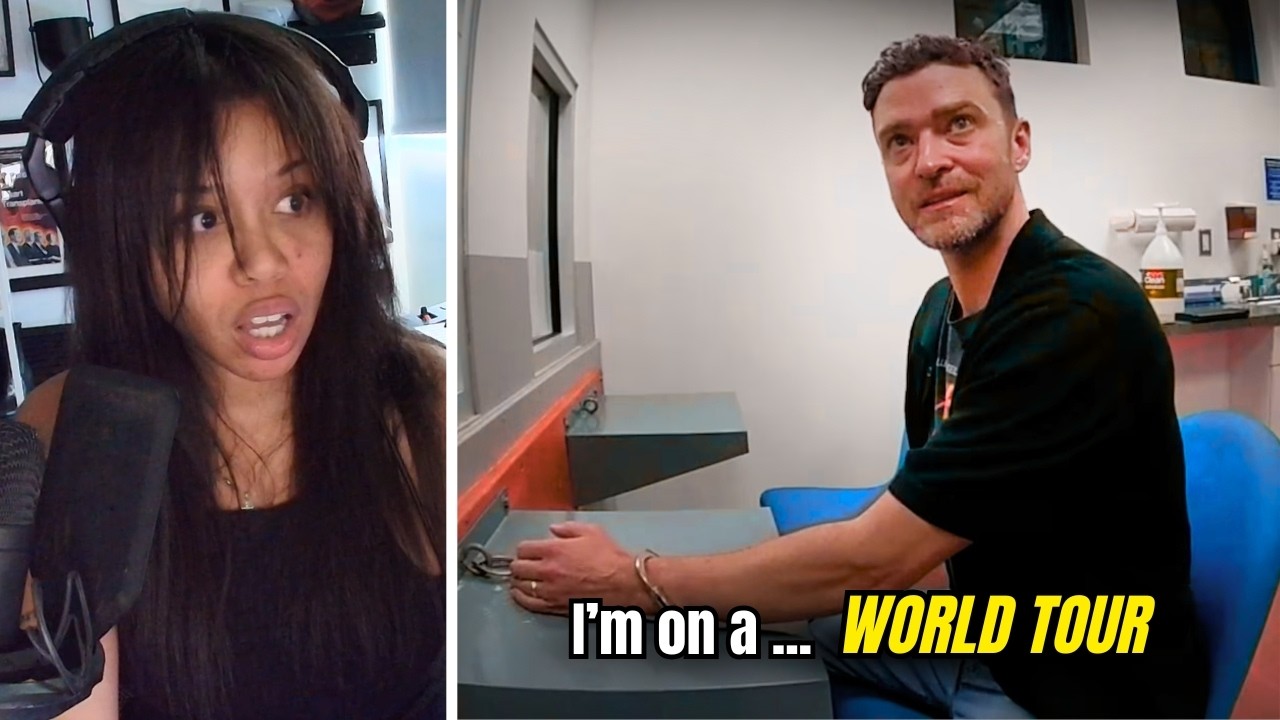
Justin Timberlake Didn’t Want This Out
"A former diehard Justin Timberlake fan dissects his recent DUI bodycam footage, arguing that his celebrity privilege and refusal to 'eat it' made a minor incident appear worse."
If you have career regrets in 2026, watch this.
"Discover why 7 out of 10 people regret their career choices and how embracing curiosity, continuous learning, and strategic peer groups can future-proof your path against AI and burnout."

French Montana & Max B on 'Coke Wave 3.5,' prison stories & "All The Way Up" | Fat Joe & Jadakiss
"Max B details his return to music after 17 years in prison, while French Montana and Fat Joe share candid stories about navigating the music industry, from independent success to global hits like 'Unforgettable' and 'All The Way Up'."