
BODY FOUND OFF US 60 ID'ED AS MISSING GIRL EMILY, 14
YouTube · wlIBLsN8Dd8
Quick Read
Summary
Takeaways
- ❖Emily Pike, 14, was found dismembered off US60, with her arms and hands still missing.
- ❖Her family was notified of her death through an accidental social media leak by the sheriff's department, causing outrage.
- ❖The official cause of death is homicidal violence with blunt head trauma, but dismemberment complicates full forensic analysis.
- ❖Emily was removed from her home and placed in group homes after being allegedly sexually assaulted by a male relative, who remained in the home.
- ❖The case is framed as a failure of the justice system, particularly for Native American victims, due to jurisdictional complexities and a perceived lack of urgency from law enforcement.
- ❖An estimated 5,700 Native American women and girls go missing annually in the US, often with little attention or resolution.
- ❖There is a $200,000 reward for information leading to the killer, yet no arrests have been made over a year after her body was found.
Insights
1Delayed and Improper Family Notification
Emily Pike's family, specifically her paternal uncle Allred Pike Jr., learned of her death and the discovery of her remains through an 'unintentionally leaked' post on Facebook by the sheriff's department. This method of notification caused significant distress and eroded trust in law enforcement.
Allred Pike Jr. states, 'Yes, that's how we found out... I got a call from my sister saying that there was information through social media that our niece may have passed away. And that was the saddest way to find out.'
2Homicidal Violence with Blunt Head Trauma as Cause of Death
The medical examiner's office determined Emily's cause of death as homicidal violence with blunt head trauma. The 'homicidal violence' term is used to acknowledge potential other injuries (like sharp force or gunshot wounds) that cannot be fully assessed due to the dismembered and incomplete state of the body.
Dr. Kendall Crowns explains, 'So, with the cause of death of homicidal violence with blunt head trauma, it's saying that she's had her head smashed, possibly skull fractures, beaten, etc. about the head. But the homicidal violence part is because the dismemberment and the fact that they don't have the complete body, they can't rule out other forms of violence.'
3Victim Punished, Assaulter Unaffected
Emily was removed from her family home and placed in group homes after allegations of sexual assault by a male relative on the Apache reservation. The alleged assaulter was allowed to remain in the home, effectively punishing the victim while the perpetrator faced no immediate consequences.
Allred Pike Jr. confirms, 'those were the allegations. That's why she was removed from the home and the justice system was backwards. You know, she was the victim, but yet she was removed from the home and she never came home.' Nancy Grace adds, 'Nothing happened to the perp. So, the perp's still living near the home compound, and she gets removed from the home and put in a group home.'
4Jurisdictional Barriers on Native American Reservations
A significant impediment to solving cases like Emily's is the complex jurisdictional landscape on Indian reservations, where local law enforcement and federal agencies often face limitations in their ability to investigate crimes, leading to unsolved cases and a lack of trust.
Mary Kim Titla states, 'There are jurisdictional issues and that must be addressed. You're absolutely right. Um there are limitations and it does seem to um take so much time to get these cases solved. There's not enough resources.' Nancy Grace highlights, 'local law enforcement not allowed on Native American reservations. Feds no jurisdiction at all.'
Bottom Line
The dismemberment of Emily Pike's body, particularly the missing arms and hands, strongly suggests an attempt to destroy DNA evidence that could link the perpetrator to the crime.
This specific detail points to a calculated effort by the killer to evade identification, making the recovery of these body parts crucial for forensic investigation and potential breakthroughs.
Focusing investigative efforts on areas where these missing body parts might have been disposed of, and leveraging advanced forensic techniques for trace DNA, even in their absence, could be key to identifying the perpetrator.
The systemic failure to protect Emily, from being removed from her home as a victim of assault to the mishandling of her missing person's report and death notification, is not an isolated incident but part of a broader pattern affecting Indigenous women and girls.
This pattern erodes trust between Native American communities and law enforcement, creating an environment where crimes go unreported or unsolved, and perpetrators face little accountability.
Advocacy for legislative changes to clarify jurisdictional ambiguities, increased funding for tribal law enforcement, and mandatory cultural competency training for all agencies interacting with Indigenous communities could begin to address this systemic issue.
Lessons
- Citizens should pressure law enforcement agencies, tribal councils, and government officials to prioritize and solve cases involving missing and murdered Indigenous women and girls.
- Advocate for policy changes that address jurisdictional limitations on Native American reservations, allowing better cooperation between local, state, and federal law enforcement in criminal investigations.
- Support initiatives that provide specialized training and resources for detectives handling violent crimes, particularly those involving vulnerable populations, to improve investigation quality and victim family communication.
Notable Moments
Emily Pike's uncle, Allred Pike Jr., recounts learning about his niece's death from a social media post, not official law enforcement, describing it as 'the saddest way to find out.'
Body cam footage shows 14-year-old Emily Pike, after being removed from her home due to assault, begging and crying to go home to her mom, only to be threatened with handcuffs by officers.
Quotes
"A 14-year-old girl murdered and dismembered, thrown on the side of the road like she's trashed. I'm not having it."
"Why did it come from social media and not from law enforcement?"
"The justice system was backwards. You know, she was the victim, but yet she was removed from the home and she never came home."
"It's heart-wrenching to watch the videos, to see the photos, to be reminded of what happened to this precious little girl. She has become everyone's daughter, granddaughter, niece."
"There is a lack of trust among Native Americans when it comes to law enforcement, and rightly so, because there are so many unsolved cases, the handling of crimes involving Native Americans, um, it's a sad reality."
"The perpetrator of this offense is probably there on the reservation which is probably why her hands are missing because it contains the DNA of whoever assaulted her."
Q&A
Recent Questions
Related Episodes

True-crime cases with recent developments | 48 Hours Full Episodes
"This episode reconstructs four complex true-crime cases, detailing the harrowing searches for missing persons, the challenges of prosecuting murders without bodies, and the enduring quest for justice in cold cases spanning decades."
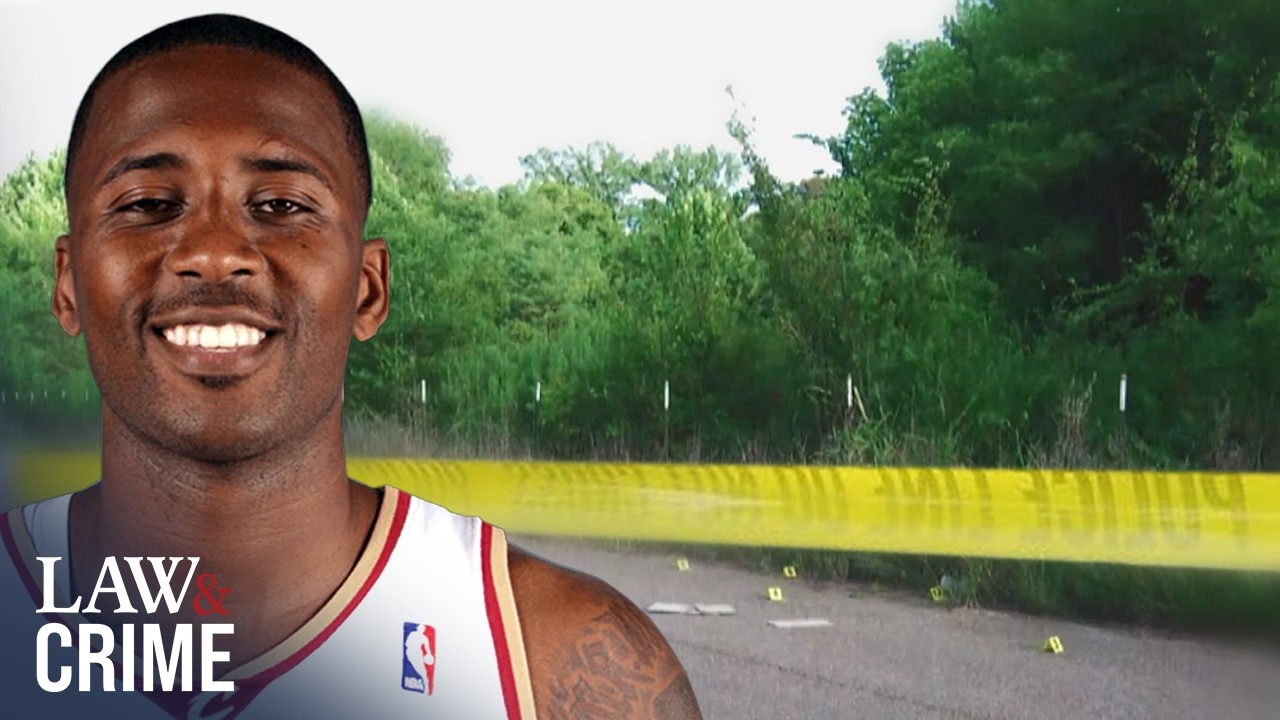
Killer Cases: NBA Star Lured to Execution In Rural Tennessee
"The decade-long cold case of NBA star Lorenzen Wright's murder was cracked through a persistent mother, a jailed informant, and a covert police operation that recovered the murder weapon from a lake and exposed a conspiracy driven by greed."

The Root Beer Float Murder | Full Episode + Post Mortem
"A seemingly natural death of a husband is unmasked as a calculated poisoning plot by his wife and stepdaughter, revealed only after an unrelated burglary exposes a trail of incriminating text messages."
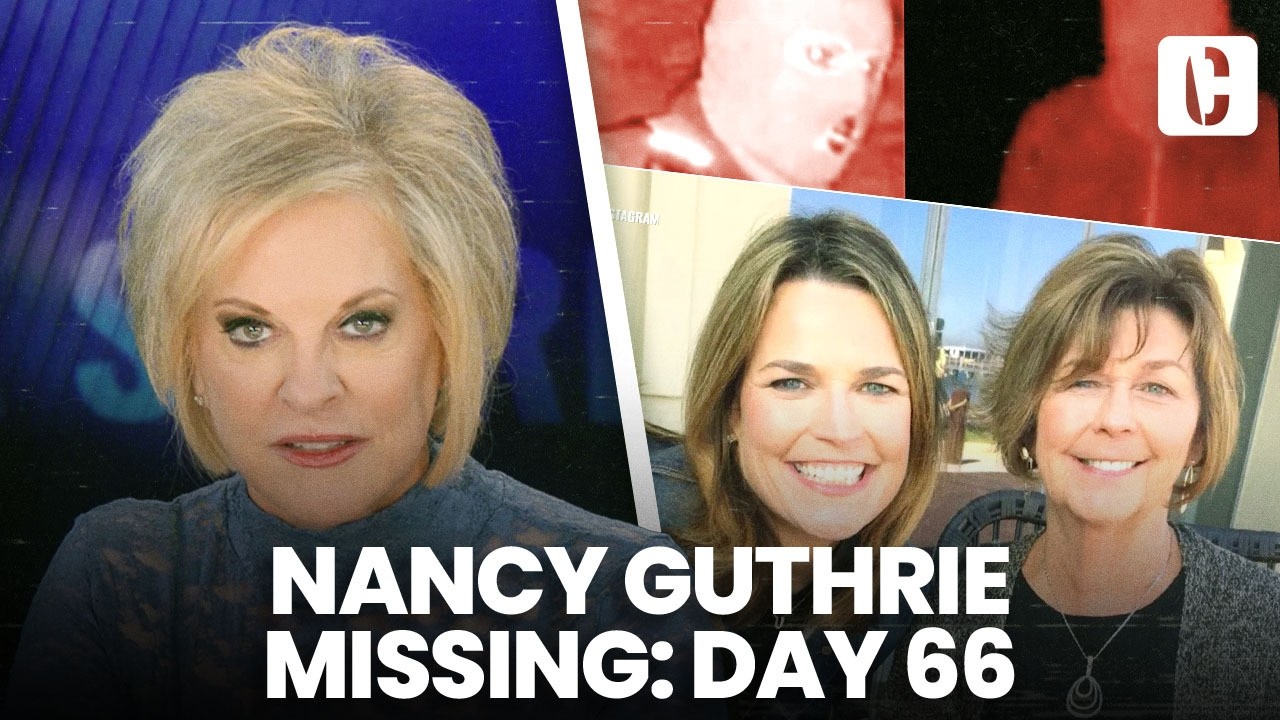
SAVANNAH GUTHRIE'S MOM MISSING: DAY 66
"On day 66 of Nancy Guthrie's disappearance, investigators grapple with two distinct sets of Bitcoin ransom notes, digital tracing challenges, and potential physical evidence like shoe coverings, as new, dubious claims emerge from a 'hyena' seeking payment for information."