
SCHOOL DAZE Movie Reaction! | First Time Watch! | Spike Lee, Laurence Fishburne, Giancarlo Esposito
YouTube · wznZQm_wQuE
Quick Read
Summary
Takeaways
- ❖Spike Lee's 'School Daze' was a groundbreaking film for its exclusive focus on intra-black community issues at HBCUs.
- ❖The movie uniquely addressed colorism, class, and fraternity hazing within the black community, a rare cinematic feat for its era.
- ❖Hosts observed the film's unconventional blend of musical, comedy, and drama, often with abrupt tonal shifts.
- ❖The ending's direct 'Wake Up' message to the audience emphasizes the film's conceptual and reflective nature.
- ❖'School Daze' influenced later black student life portrayals in media, including the TV show 'A Different World'.
- ❖The hosts noted the film's deliberate choice to flatteringly light darker skin tones, a significant departure from Hollywood norms.
Insights
1Groundbreaking Intra-Black Conflict Portrayal
The film was one of the first major productions to focus entirely on Historically Black Colleges and Universities (HBCUs) and to boldly portray internal conflicts within the black community. This included discussions on colorism, class distinctions, and differing political views on issues like South African apartheid, without the presence of white characters to frame the narrative.
A host notes, "This one was purely an entirely black cast dealing with issues within the black community." () and "It was one of the first major films to focus on HBCUs... bold portrayal of intra-black conflict." ()
2Addressing Colorism and Representation
The movie explicitly tackles colorism within the black community, both through dialogue and visual choices. The hosts highlight the film's deliberate and flattering lighting of darker skin tones, especially for romantic leads, which was a significant and rare positive representation in Hollywood at the time.
A host observes, "It's really showing this in a very beautiful light and also like the way it's lit and everything is really favoring their skin tones." () and mentions that romantic interests for black women often had lighter skin tones in Hollywood. ()
3Critique of Fraternity Hazing and Brotherhood
The film explores the complex nature of fraternity life, showcasing both the intense bonding and camaraderie forged through shared experience, as well as the abusive and manipulative aspects of hazing rituals. The hosts discuss the ambiguity of whether the film condones or condemns these practices, suggesting it presents a nuanced view of both the positive and negative sides.
A host states, "Spike Lee was trying to make a commentary of like, yes, these fraternities exist, but are the things that we do justified for that feeling of camaraderie and brotherhood?" ()
4Conceptual Filmmaking with Tonal Shifts
Spike Lee's directorial style in 'School Daze' is characterized by frequent and sometimes abrupt tonal shifts, blending grounded drama with elaborate musical numbers and comedic elements. The hosts interpret this as a deliberate choice to serve the film's conceptual exploration of themes rather than a linear narrative, making it feel more like a 'concept movie' or a 'lecture' than a traditional story.
A host notes, "So far, the movie feels more like a vibe than a story." () and later, "It's definitely more conceptual because you don't necessarily get that straight through line of story." ()
5The Direct 'Wake Up' Message
The movie concludes with its characters directly addressing the camera and uttering the phrase 'Wake Up,' which the hosts interpret as a powerful, unambiguous call for collective awareness and reflection from the audience on the complex issues presented throughout the film. This direct address reinforces the film's conceptual nature over narrative resolution.
A host explains, "It's like, no, I think that's the final line. Yeah. I kind of was like, oh, is this the thing? And then I was like, 'But is it part of the story or is it like but then they're like speaking straight to camera and it's like, oh, I think they're speaking to the audience'." ()
6Spike Lee's Choice to Play Shady Characters
The hosts observe Spike Lee's recurring choice to cast himself in morally ambiguous or 'shady' characters across his filmography, including in 'School Daze' where his character is involved in a manipulative sexual act. This choice prompts discussion about the director's intent, whether it's for artistic statement, to take the 'weight' of the character himself, or simply for performance interest.
A host questions, "Why is he putting himself in these shady characters? It's so like what is he saying? I don't understand the message there." ()
Quotes
"It was one of the first major films to focus on H.B.C.U.'s uh bold portrayal of intra black conflict."
"This one was purely an entirely black cast dealing with issues within the black community."
"It's really showing this in a very beautiful light and also like the way it's lit and everything is really favoring their skin tones."
"Spike Lee was trying to make a commentary of like, yes, these fraternities exist, but are the things that we do justified for that feeling of camaraderie and brotherhood?"
"So far, the movie feels more like a vibe than a story."
"Why is he putting himself in these shady characters? It's so like what is he saying? I don't understand the message there."
Q&A
Recent Questions
Related Episodes

NYC Pride 2026 LIVE: Keith Edwards w/@glaad, @iamlorenp, @AustinProductions, @verydelta
"The Keith Edwards Show's live stream from NYC Pride 2026 blended vibrant celebration with urgent political commentary, emphasizing the ongoing fight for LGBTQ+ rights and the power of community."
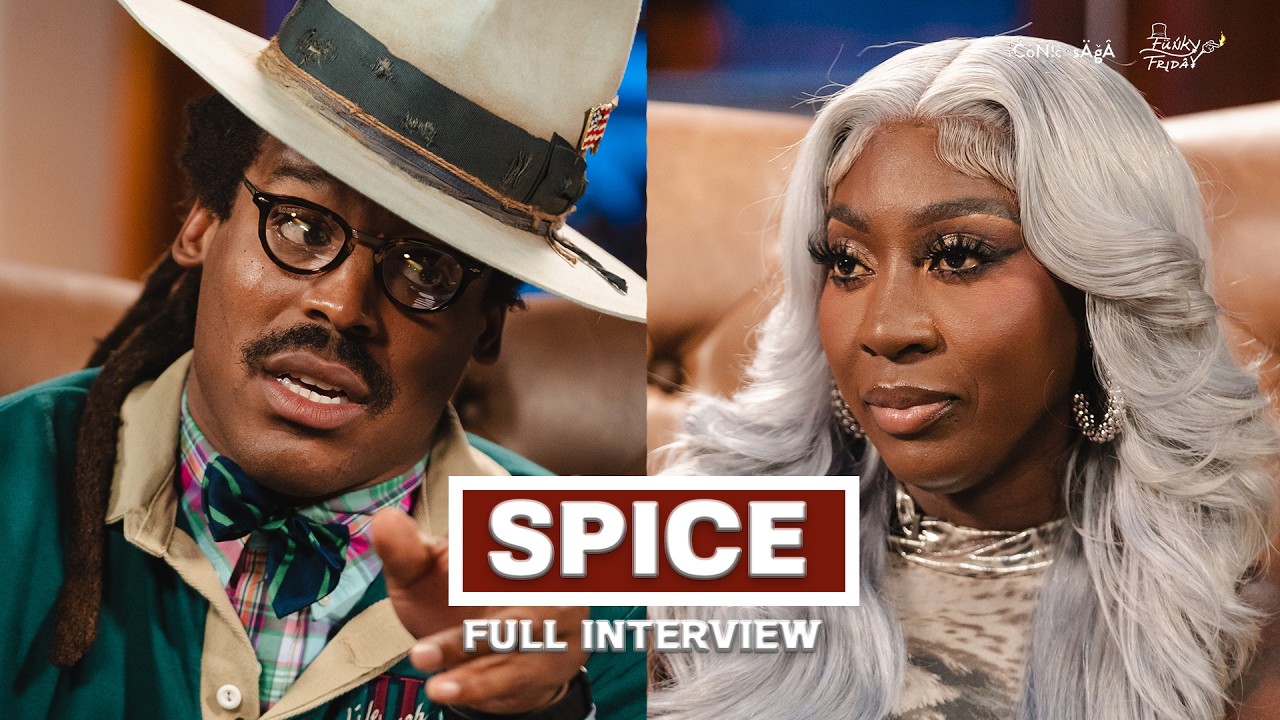
Spice: "I'm Not Watering Down My Culture for Anybody" | Funky Friday
"Dancehall Queen Spice discusses her 27-year career, the origins of dancehall and hip-hop, the pervasive issue of colorism, and her unapologetic views on relationships and cheating."
SCOTUS Backs Alabama GOP Map. Black Farmers Sue USDA. Karmelo Anthony Trial. Obama Center Preview
"The Supreme Court's contradictory rulings on Alabama's congressional map and the USDA's cancellation of grants to Black farmers highlight systemic racial injustice, while the Carmelo Anthony trial sparks community division and a tribute honors the late R&B legend Peabo Bryson."
Joe Rogan Experience #2505 - Tom Segura
"Joe Rogan and Tom Segura dive into the extreme sadism of Uday Hussein, the societal impact of AI, the wild problem of feral pigs in Texas, and the dark side of government overreach and corruption."