
Seyed M. Marandi: Hezbollah Rejects Israel Deal; Beirut Erupts - Iran Strikes Bahrain in Retaliation
YouTube · yZ6tHcOFqY4
Quick Read
Summary
Takeaways
- ❖Iran is enforcing shipping regulations in the Strait of Hormuz, striking vessels that disobey, as a direct response to US violations of a ceasefire agreement.
- ❖The US has not released Iranian assets and is perceived to be undermining the ceasefire by pressuring Oman and supporting a 'fake deal' between Lebanon and Israel.
- ❖The Lebanese government, described as US proxies, is criticized for negotiating with Israel, legitimizing its occupation, and risking civil war by targeting Hezbollah.
- ❖Iran views its actions as a long-term strategy to create a divide between the US (specifically Trump) and Israel, highlighting Israel's increasing global isolation and economic burden on the US.
- ❖Europe is seen as increasingly irrelevant and weakened by its foreign policies, particularly its involvement in the Ukraine conflict and its stance against Russia.
- ❖Yemen possesses powerful missile and drone capabilities, posing a significant threat to Saudi infrastructure if conflict escalates.
Insights
1Strait of Hormuz as Iran's Primary Leverage
Iran is actively using its control over the Strait of Hormuz to enforce the terms of a ceasefire agreement with the United States. When the US or its allies violate the agreement (e.g., by pressuring Oman to ignore Iranian regulations or failing to release Iranian assets), Iran responds by striking ships that do not follow its designated routes or by hitting US assets in the region.
Iran hit a ship after Oman declared a route under US pressure, stating, 'No, you do as we tell you.' Subsequently, Iran struck US assets in Bahrain after American retaliation. Another tanker was struck for disobeying. (, , , )
2US Violations of Ceasefire Agreement
The US is accused of multiple violations of the ceasefire agreement, including failing to release Iranian assets, making direct threats against Iran (by Trump), and attempting to undermine Iran's control over the Strait of Hormuz. The US also supported a 'fake deal' in Lebanon that is seen as a betrayal.
Americans haven't released Iranian assets yet. Trump's direct threats against Iran are violations. The 'fake deal' between the proxy Lebanese government and Israel is also a violation. (, , )
3Lebanese Government's 'Fake Deal' with Israel
The Lebanese president and prime minister, described as US agents without popular mandate, negotiated a deal with Israel that is seen as legitimizing Israeli occupation and intended to dismantle the resistance (Hezbollah). This deal is considered a 'big gift' to Netanyahu and a betrayal of Lebanon.
The 'proxy government in Beirut... does not have a popular mandate. The prime minister and the president are two literally agents of the United States.' Their 'fake deal with the Israeli regime... effectively allows the regime to continue occupying the country and it's intended to destroy the resistance.' (, , , )
4Hezbollah's Strategic Patience and Lebanese Public Opinion
Hezbollah is characterized by wise leadership and strategic patience, actively working to prevent a civil war in Lebanon despite provocations. The majority of the Lebanese people, across various religions and sects, oppose the government's policies and do not support civil war, making it difficult for US proxies to achieve their goal of dismantling the resistance.
Hezbollah is 'very wise... they would hold back on multiple occasions' to prevent civil war. 'Most people in Lebanon are opposed to these policies from all religions and sects.' (, )
5Economic Pressure as a Tool Against Israel
Iran's strategy is to create an economic crisis for the United States by disrupting trade through the Strait of Hormuz, thereby pushing Trump to put pressure on Israel. This is seen as more effective than direct missile strikes against Israel, aiming to make the Israeli regime appear as an economic burden to the US.
The Iranian plan is 'to create a divide between Trump and those who are worried about the future of the US economy and Israel and Netanyahu.' 'The Israeli regime is not seen as an asset and now it's causing an economic crisis for the United States.' (, )
6Global Awakening to Israeli Actions
Despite the UN's delayed reporting, there is a widespread global awakening to the realities of Israeli actions, particularly concerning the treatment of Palestinian children in Gaza. This shift in public opinion is irreversible and is even influencing political discourse in Western countries.
The UN report on Gaza atrocities 'couldn't have written this report two and a half years ago.' 'People have woken up. Europeans, North Americans, Africans, Asians, people have woken up. And this is something that is irreversible.' (, )
Bottom Line
GCC countries like Saudi Arabia, UAE, and Qatar have shifted their politics, leading Iran to refrain from striking them during US-Iran skirmishes, instead targeting Kuwait, Bahrain, and Jordan.
This indicates a fracturing of the unified anti-Iran front among Gulf states, potentially leading to new regional alliances or reduced US influence in certain GCC nations.
Diplomatic efforts to further de-escalate tensions and foster bilateral relations between Iran and these GCC countries could yield greater regional stability and new economic partnerships, reducing reliance on US security guarantees.
The US is considering relocating its military bases from the Persian Gulf (e.g., Kuwait, Bahrain) to Israel or Jordan due to the demonstrated vulnerability to Iranian drones and missiles.
This signifies a recognition of Iran's advanced military capabilities and the inability to defend existing US bases, potentially consolidating US military presence in more 'secure' allied territories further from Iran's immediate reach.
This relocation could increase the strategic importance of Israel and Jordan for US military operations, but also potentially expose them to greater Iranian retaliation, creating new security challenges for these host nations.
Europe is becoming 'increasingly irrelevant' to Iran and is severely weakened by its 'stupid and foolish policies,' particularly regarding the Ukraine war, leading to energy crises and de-industrialization.
Europe's diminished economic and political standing reduces its leverage in international diplomacy, particularly with powers like Iran and Russia, who perceive its actions as self-damaging.
This situation could compel European nations to re-evaluate their foreign policy alignments and energy strategies, potentially opening avenues for renewed engagement with Iran and Russia if they prioritize economic stability over geopolitical confrontation.
Lessons
- Analyze geopolitical events from multiple perspectives, recognizing that official narratives often serve specific national or ideological interests, as seen in the contrasting views of US/Israeli actions versus Iran's responses.
- Understand that economic leverage, such as control over vital trade routes like the Strait of Hormuz, can be a powerful tool in international relations, capable of influencing major powers and shaping conflict outcomes.
- Recognize the long-term strategic thinking employed by actors like Iran and Hezbollah, who prioritize patience and indirect pressure over immediate, emotional responses to achieve broader objectives, such as shifting global opinion or weakening adversaries.
Notable Moments
Iran's immediate retaliation to US attacks by striking US assets in Bahrain and hitting a second disobedient tanker in the Strait of Hormuz.
This demonstrates Iran's commitment to enforcing its declared regulations in the Strait and its willingness to directly retaliate against perceived US aggression, highlighting the volatile nature of the ceasefire.
The UN report detailing Israeli troops deliberately shooting Palestinian children, resulting in 21,000 child deaths and widespread amputations in Gaza.
This report, despite its delayed release, underscores the severe humanitarian crisis and alleged war crimes in Gaza, contributing to the global condemnation of Israel and influencing international public opinion.
Quotes
"The Iranians are going to enforce the way in which the the regulations which they have declared for ships to travel through the straight form. And as I said, it's going to be reflective of US implementation."
"The prime minister and the president are two literally agents of the United States. Uh their fake deal with the Israeli regime which effectively allows the regime to continue occupying the country and it's intended to destroy the resistance."
"The only country in the world that is moving towards the Israeli regime is Lebanon the only regime."
"Israel does not have any intention of ever leaving Lebanon again just like they don't have any intention of leaving Syria just like they never had any intention of leaving the West Bank and just as they have no intention of giving up Gaza."
"The Iranian plan is to create a divide between Trump and those who are worried about the future of the US economy and Israel and Netanyahu."
"The Israeli regime is despised now. The Israeli regime is seen as a burden. the Israeli regime is not seen as an asset and now uh the you know it's genocidal but now it's causing an economic crisis for the United States."
"Europe is becoming increasingly irrelevant to Iran and I I mentioned something earlier earlier about the war in Ukraine. The war in Ukraine for Iran has been very important for the last four or five years."
"That garden is falling apart. The situation in Germany is not good. The situation across Europe is not good. And it's going to get worse."
"People have woken up. Europeans, North Americans, Africans, Asians, people have woken up. And this is something that is irreversible."
Q&A
Recent Questions
Related Episodes

Patrick Henningsen: Hezbollah JUST Fired Back at Israel - Iran Vows to “Crush” All Attacks
"Patrick Henningsen argues that the US and Israel initiated an illegal war against Iran, driven by Trump's incompetence and Israeli influence, leading to an inevitable escalation with severe global economic repercussions."
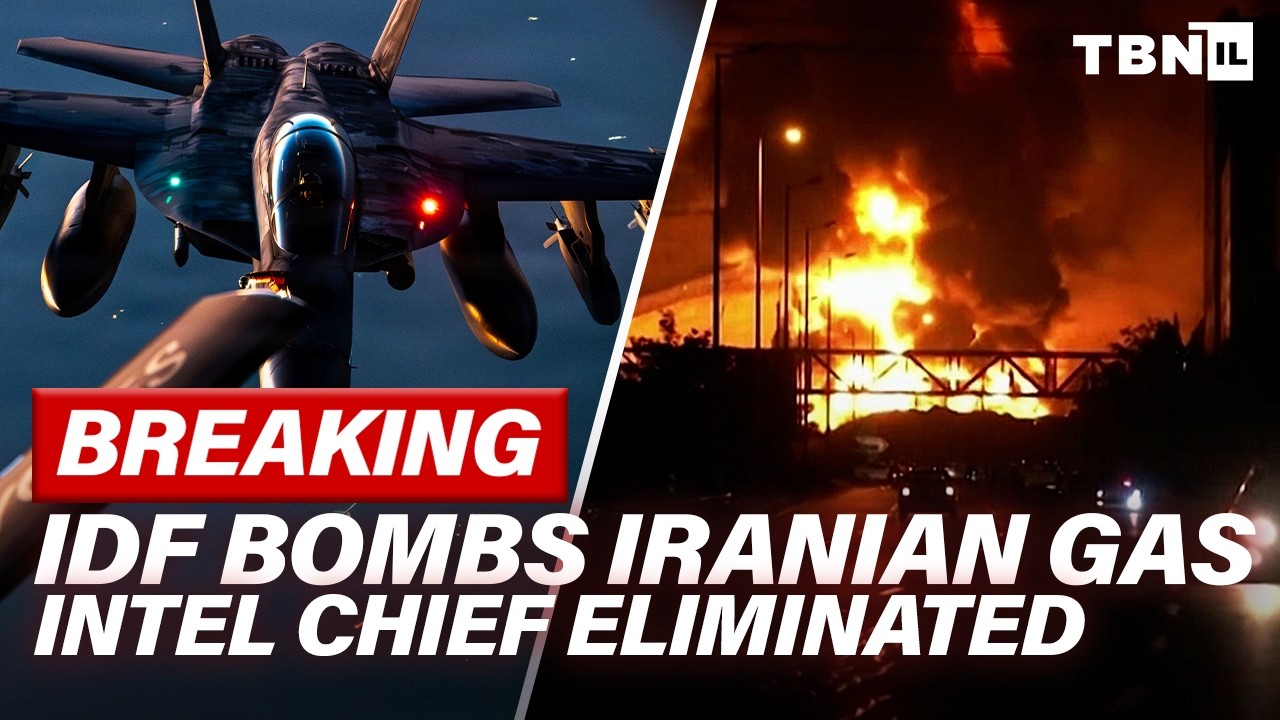
BREAKING: Israel BOMBS Major Iran Gas Site; Top Mullah ELIMINATED; Iran Vows VENGEACE | TBN Israel
"Israel and the United States have escalated their 'Roaring Lion War' against Iran, striking its largest gas facilities, eliminating key intelligence and military figures, and disrupting missile production, while Iran threatens a broader energy war in the Gulf."

🚨 TOTAL F*CKING CHECKMATE 😂😂😂
"The host argues that Trump's 'ceasefire' with Iran was a calculated '5D chess' move to orchestrate a global energy market reshuffle, while simultaneously lambasting 'woke' domestic policies and the 'freefall' of anti-Trump conservative figures."

Bibi DEMANDS Ground Troops As Marines Rushed to Iran
"Benjamin Netanyahu is pushing for US ground troops in Iran, framing air strikes as insufficient, while the US rushes Marines to the region and struggles to secure the Strait of Hormuz against surprisingly capable Iranian defenses."