BREAKING: Iran DRONES Hit Ships; U.S. Strikes; Hezbollah Vows Civil War | TBN Israel
YouTube · zYSu81S3wzA
Quick Read
Summary
Takeaways
- ❖Iran launched drone attacks on civilian ships in the Strait of Hormuz and an airport in Bahrain, aiming to establish control over international shipping lanes and demand fees.
- ❖The United States responded with precision strikes on Iranian missile and drone facilities near the Strait of Hormuz, demonstrating a commitment to freedom of navigation.
- ❖A U.S.-brokered security framework agreement between Israel and Lebanon allows Israel to maintain a security zone in southern Lebanon until Hezbollah is disarmed and its infrastructure removed.
- ❖Hezbollah vehemently opposes the Israel-Lebanon agreement, viewing it as a threat to its legitimacy and role as Lebanon's "defender."
- ❖The success of the Israel-Lebanon agreement depends on the Lebanese army's ability to confront and dismantle Hezbollah's presence, marking a critical test for Lebanon's statehood.
- ❖Internal panic and increased security measures within Iran's leadership suggest growing fear of internal collapse alongside external pressure.
- ❖Maritime insurance premiums and oil prices fluctuated significantly due to the increased risk in the Strait of Hormuz, highlighting the global economic impact of regional instability.
Insights
1Iran's Attempt to Control the Strait of Hormuz
Iran is actively trying to establish a new traffic regime in the Strait of Hormuz, demanding approval for passage and potentially fees. This involves launching drone attacks on civilian vessels, like the M/V Ever Evoli and the oil tanker Kiko, that do not adhere to Iranian-imposed routes. Bahrain also reported Iranian drone attacks on its territory.
The Iranians are playing games... Iranian launched four drones towards this ship... one hit the ship." [], "Iran is telling the world this is not a free a free international passage. This is a passage that is under our finger." [], "Iran is not satisfied with the threat. It is trying to create a new traffic regime in Hormuz. Iranian routes, Iranian approvals, Iranian warning file and later perhaps also payment or insurance according to Iranian terms." [], "Maritime insurance premiums for vessels passing through homes rose by about 20% within one day. The price of brand crude oil initially jumped by about 3%." []
2U.S. Military Response to Iranian Aggression
In response to Iran's attacks on shipping, the United States conducted targeted strikes on Iranian military infrastructure. These strikes focused on missile warehouses, drone storage facilities, coastal radar stations, and command infrastructure along Iran's southern coast, specifically targeting the systems enabling Iran to threaten maritime traffic.
The United States struck targets inside Iran. Sentcom announced that the United States military struck Iranian targets connected to the missiles and the drone array of the revolutionary guards." [], "The strikes focused on missile warehouses, drone storage facilities, coastal radar stations, and command infrastructure along Zan's southern coast." [], "This was not an attempt to bring down the regime. It was a precise operational message. If Iran tries to turn her moose into a checkpoint of payments... the United States will strike the tools that allow it to do that." []
3Israel-Lebanon Security Framework Agreement
Israel and Lebanon, with U.S. mediation, signed a new security framework agreement aimed at stabilizing the northern border. This agreement allows Israel to maintain essential security areas in southern Lebanon until Hezbollah is weakened, the Lebanese army deploys, and terrorist infrastructure is dismantled under American supervision. It is a pilot program, expanding if successful, and Israel retains freedom of military action if Hezbollah rebuilds.
Israel and Lebanon signed a new security framework agreement in Washington." [], "Israel remains in essential security areas. As long as not and as long as there is no proof on the ground that the threat has been removed." [], "The first stage will begin as a pilot. Two areas in southern Lebanon will be chosen as test zones." [], "If it fails, Israel reserves for itself freedom of military action." []
4Hezbollah's Opposition and Lebanon's Statehood Test
Hezbollah vehemently attacked the Israel-Lebanon agreement, viewing it as a direct threat to its role and legitimacy in Lebanon. The agreement challenges Hezbollah's narrative as Lebanon's defender by empowering the Lebanese state and army to control southern Lebanon and disarm militias. This situation presents a critical test of whether Lebanon can function as a sovereign state free from Iranian proxy control.
This is such a hard loss for Kizbala because for years the Kisbala terrorist organization sold the Lebanese lie that it is Lebanon's defender." [], "Naim Kasim attacked the agreement harshly. From his perspective, this is not only a security document, it is a threat to Hisbala's very role." [], "The agreement is not valid. It must be replaced by the memo of understanding between Iran and the United States." [], "Lebanon really is the testing ground, the ground zero of what the day after is going to be in the Middle East." []
5Internal Instability and Paranoia within Iran
Reports indicate intensifying panic within Iran's leadership following a series of intelligence penetrations. The Revolutionary Guards are tightening their grip around the new leader, implementing a paranoid security system with compartmentation, removal of associates, and transfer of powers from the government to the IRGC, suggesting fear of internal collapse.
In Iran, the panic is intensifying. This is following a chain of intelligence penetrations." [], "A new report exposes a paranoid security system that includes rings of compartmentization, the removal of associates and the transfer of powers from the government to the revolutionary guards." [], "who is actually managing things, who's actually running the show in Iran. Is it much? Is it the Ayatollas? Is it the RGC?" []
Bottom Line
The U.S. and Israel are strategically working together to enforce agreements and project force against Iran, moving beyond mere documentation to active accountability in the Middle East.
This collaboration signals a more robust and unified front against Iranian aggression, potentially altering regional power dynamics and reassuring Gulf States of U.S. reliability.
For regional allies, this presents an opportunity for deeper security cooperation and a stronger deterrent against destabilizing actors, fostering greater stability for economic development.
The Israel-Lebanon agreement is framed as a "nation-building" effort for Lebanon, aiming to empower its army against Hezbollah and detach it from Iranian influence, a complex and expensive undertaking.
If successful, it could serve as a model for rolling back proxy warfare and strengthening sovereign states in other conflict zones, but failure could further entrench terrorist control.
International community and regional actors can invest in strengthening legitimate state institutions in fragile nations to counter proxy forces, potentially leading to long-term stability and economic growth.
Key Concepts
Testing the Waters
Iran consistently signs agreements and then immediately probes and tests the resolve of the U.S. and its allies through aggressive actions (e.g., attacking ships, launching drones) to determine the limits of their response and assert new control.
Projection of Force
In the Middle East, maintaining agreements and deterring aggression requires not just diplomatic understanding but also a demonstrated willingness and capability to use military power to uphold commitments and show resolve, as weakness is quickly exploited.
Proxy Warfare as a Tool of Statecraft
Iran utilizes proxy organizations like Hezbollah to extend its influence, destabilize rivals, and exert control in neighboring states, effectively turning these nations into forward outposts without direct state-on-state confrontation.
Lessons
- Monitor global oil prices and maritime insurance premiums for vessels transiting the Strait of Hormuz, as these indicators directly reflect geopolitical tensions and can impact supply chains.
- Observe the implementation of the Israel-Lebanon security framework agreement, particularly the Lebanese army's actions in pilot zones, as a critical test of Lebanon's sovereignty and Hezbollah's future influence.
- Evaluate the implications of any release of Iran's frozen assets, understanding that such funds could quickly be converted into military capabilities and support for proxy groups, escalating regional conflicts.
Notable Moments
The drone attack on the M/V Ever Evoli cargo ship in the Strait of Hormuz, which directly led to the U.S. retaliatory strikes on Iranian targets.
This incident marked a direct challenge to international maritime freedom and triggered a significant military response, escalating tensions in a critical global energy route.
The signing of the Israel-Lebanon security framework agreement in Washington, marking a significant diplomatic effort to stabilize the northern border.
This agreement represents a strategic attempt to empower the Lebanese state and diminish Hezbollah's influence, potentially reshaping the security landscape of the region.
Hezbollah Secretary-General Naim Kasim's harsh condemnation of the Israel-Lebanon agreement, revealing the depth of its challenge to Hezbollah's power.
Kasim's reaction underscores the agreement's potential to undermine Hezbollah's legitimacy and control, indicating its perceived threat to the organization's long-standing role in Lebanon.
Quotes
"Iran is telling the world this is not a free a free international passage. This is a passage that is under our finger."
"If Iran tries to attack civilian ships, it will lose the system from which it threatens them."
"The one that is supposed to hold weapons in Lebanon is the Lebanese state, not a militia."
"The agreement is not valid. It must be replaced by the memo of understanding between Iran and the United States."
"In the Middle East, it's not enough to just have an agreement. It is important to be willing to use force, to sustain, to uphold, to keep that agreement, and more importantly to show the world that you're not afraid to use your power."
"Lebanon really is the testing ground, the ground zero of what the day after is going to be in the Middle East."
"If Iran tries to turn her moose into a checkpoint of payments, warning zones, and passage lanes that are approved by the revolutionary guards, the United States will strike the tools that allow it to do that."
Q&A
Recent Questions
Related Episodes

Patrick Henningsen: Hezbollah JUST Fired Back at Israel - Iran Vows to “Crush” All Attacks
"Patrick Henningsen argues that the US and Israel initiated an illegal war against Iran, driven by Trump's incompetence and Israeli influence, leading to an inevitable escalation with severe global economic repercussions."
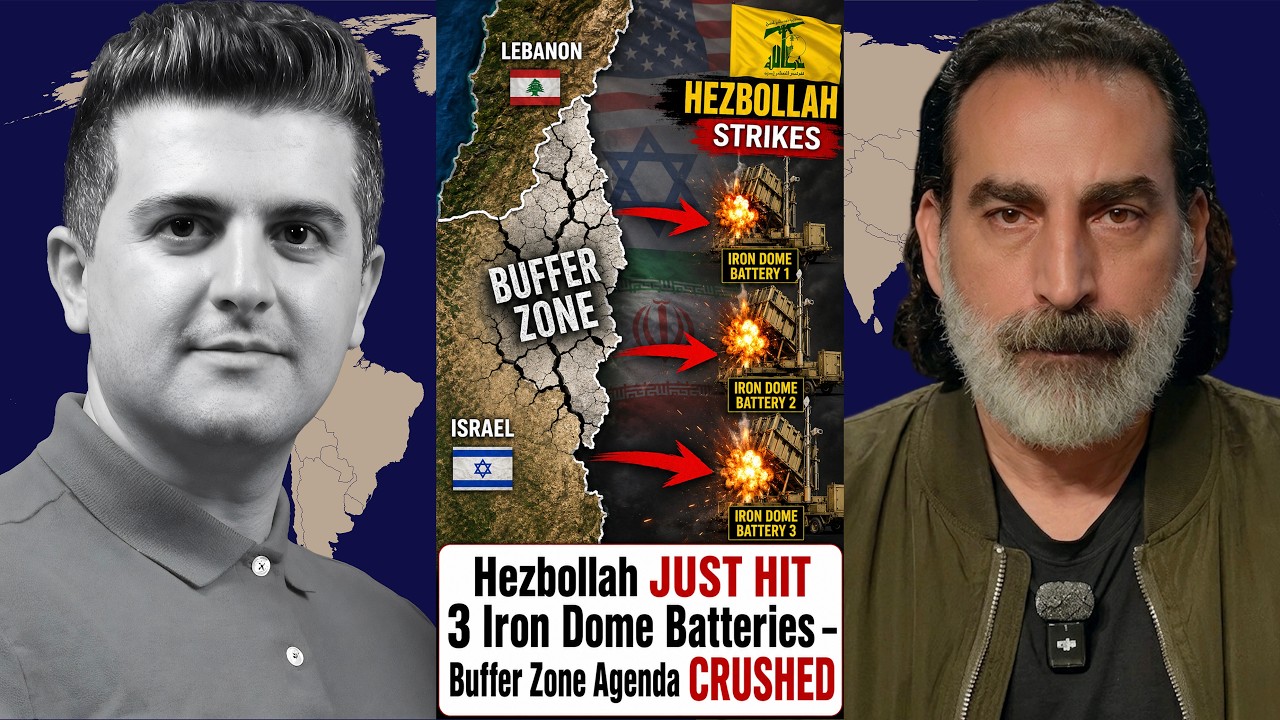
Laith Marouf: Hezbollah JUST HIT 3 Iron Dome Batteries – Buffer Zone Agenda CRUSHED
"Laith Marouf details Hezbollah's advanced drone warfare capabilities and intelligence gathering, asserting their strategic dominance over Israeli forces in southern Lebanon and northern Palestine."

BREAKING: Iran Threatens To END Talks; U.S. Vows Retaliation; Hezbollah Collapsing? | TBN Israel
"Iran is leveraging Hezbollah and the Strait of Hormuz to manipulate US negotiations, while Israel asserts its right to dismantle Hezbollah's eroding but still dangerous infrastructure in Lebanon, independent of international talks."
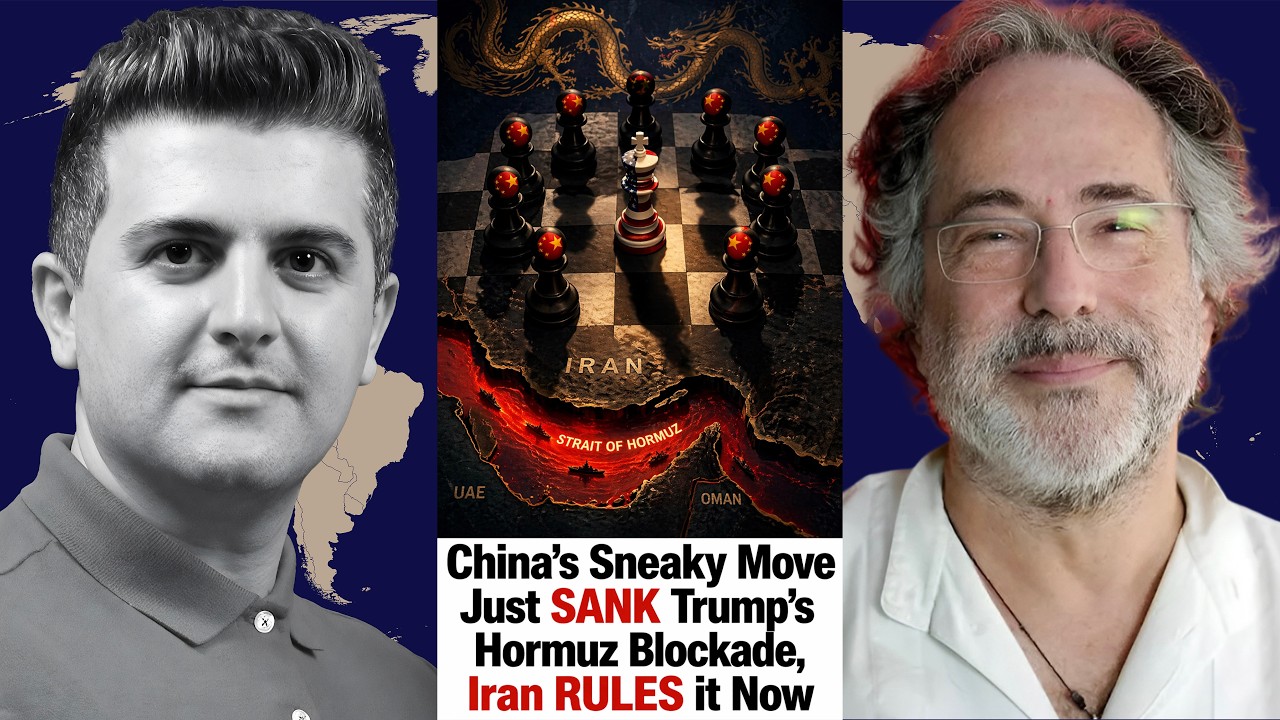
Pepe Escobar: “Total Failure”: Trump’s Blockade Just Backfired Disastrously
"Pepe Escobar argues that the US blockade against Iran, spearheaded by Donald Trump, has utterly failed and backfired, accelerating global economic chaos and challenging US geopolitical dominance."