
BLOWBACK: Austin Terror, Crowds ATTACK US Embassies
YouTube · zpDpfgfKEsE
Quick Read
Summary
Takeaways
- ❖The FBI is investigating a shooting in Austin, Texas, by a Senegalese-American citizen wearing Iranian flag attire, as a possible terrorist act linked to the Iran conflict.
- ❖Thousands of protesters attacked the US embassy in Baghdad's Green Zone, demonstrating significant anti-American sentiment among Iraq's Shia population.
- ❖Violent clashes erupted at the US consulate in Karachi, Pakistan, reportedly killing 10-15 people amid protests against US-Israeli actions in Iran.
- ❖The hosts argue that the assassination of Iran's Supreme Leader, a key religious figure, is perceived as a direct US attack on religion, further inflaming regional tensions.
- ❖Gulf states like Bahrain, Saudi Arabia, and the UAE face internal unrest and potential economic collapse as their populations increasingly oppose US alliances and policies.
- ❖The hosts contend that current US foreign policy, far from ensuring safety, is creating greater danger and risk globally, reminiscent of the chaos after the Iraq War.
Bottom Line
The economic stability of Gulf nations like the UAE, heavily reliant on foreign expats (90% of the population), is precarious. If wealthy foreigners or the labor class leave due to regional instability and bombings, it could trigger an economic collapse.
This highlights an underappreciated vulnerability in the Gulf's economic model, where geopolitical tensions could lead to a mass exodus of both capital and labor, creating a cascading crisis beyond direct military conflict.
For businesses and investors, this suggests a need to re-evaluate risk exposure in highly expat-dependent economies in the Middle East, potentially shifting focus to more stable regions or diversifying investments away from these volatile areas.
Lessons
- Recognize the direct link between foreign military actions and domestic terror incidents, as argued by the hosts, and consider the potential for 'lone wolf' attacks inspired by geopolitical events.
- Understand that US foreign policy decisions, particularly those involving assassinations of religious leaders and support for controversial allies, can ignite widespread anti-American sentiment and destabilize entire regions.
- Evaluate the long-term economic and social costs of military interventions, considering not just direct conflict but also the 'blowback' effects on global supply chains, expat communities, and regional stability.
Quotes
"The term coined originally by the CIA back in the 1950s about operations abroad, which may blow back on the United States at home, is already materializing as a result of this Iran conflict."
"Far from keeping us safer, which is what we're being sold, far from keeping us safer or preventing some undefined risk, this has created much more danger and put everybody at much more risk."
"You can't control the whole world with the barrel of a gun. You know, you just can't do it. It's not going to work."
Q&A
Recent Questions
Related Episodes

Patrick Henningsen: Hezbollah JUST Fired Back at Israel - Iran Vows to “Crush” All Attacks
"Patrick Henningsen argues that the US and Israel initiated an illegal war against Iran, driven by Trump's incompetence and Israeli influence, leading to an inevitable escalation with severe global economic repercussions."
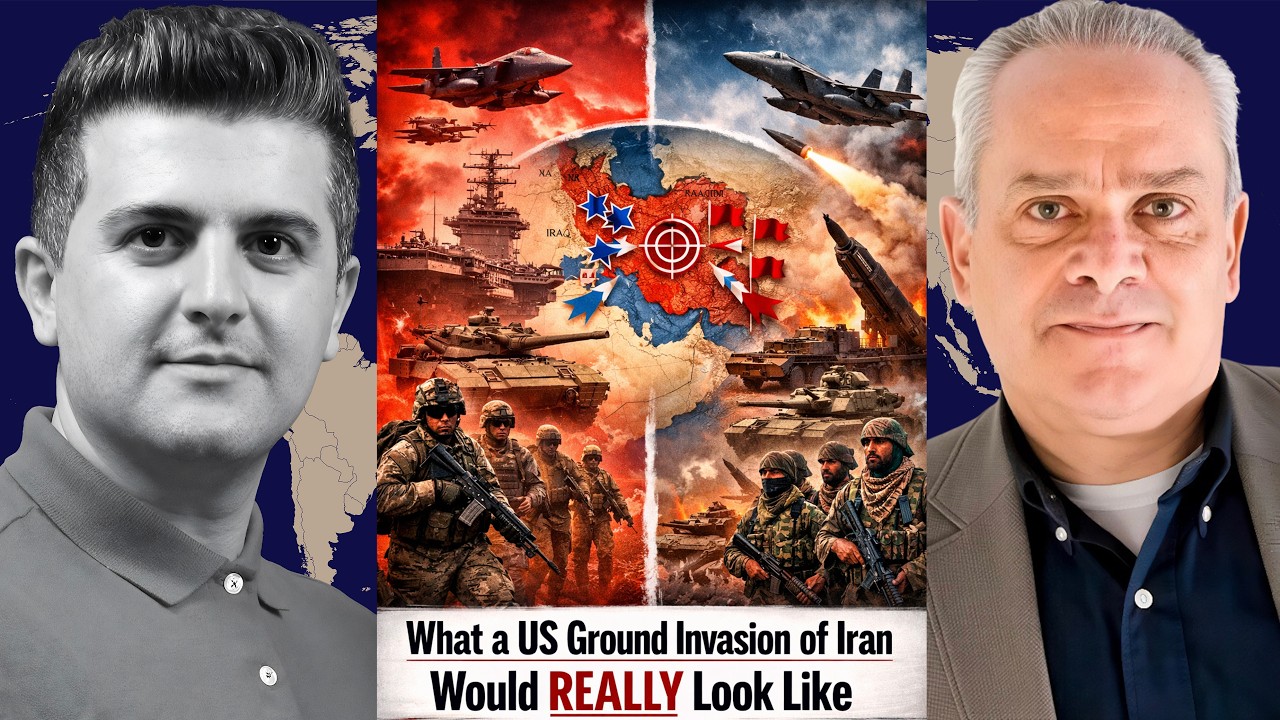
Col. Jacques Baud: What a US Ground Invasion of Iran Would REALLY Look Like
"Colonel Jacques Baud dissects the strategic futility of a US ground invasion of Iran, arguing that current troop levels are insufficient and such an action would backfire, exposing US allies and potentially leading to Iran's nuclearization."
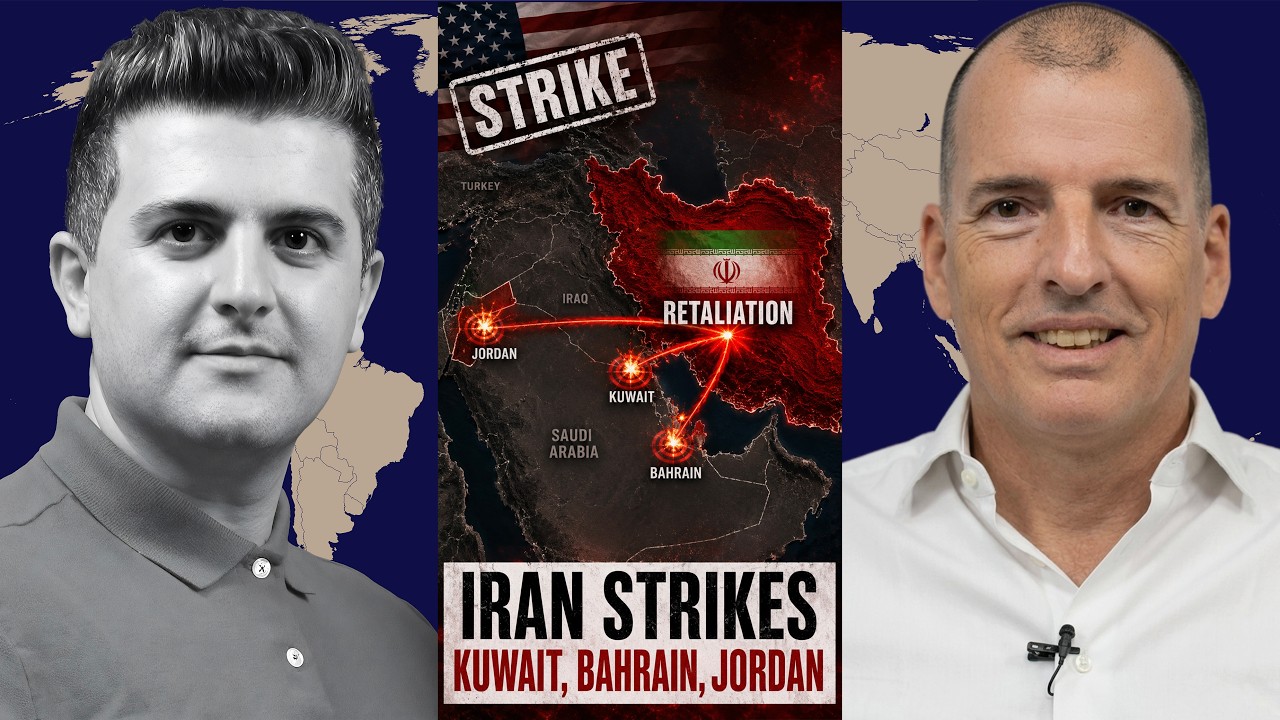
Alex Krainer: US STRIKES Iran – Iran RETALIATES Against Kuwait, Bahrain & Jordan!
"Amidst escalating US-Iran conflict and Iranian retaliation against regional US allies, this episode argues that US foreign policy is deeply controlled by an 'Anglo-Zionist conspiracy' led by the Rothschild banking dynasty, prioritizing Israeli interests over American ones."

Larry Johnson: Iran Missiles Rain Down on Northern Israel – Massive Strikes!
"Geopolitical analyst Larry Johnson details how Israel's recent strike on an 'empty building' in Beirut triggered direct Iranian missile retaliation, escalating regional tensions and jeopardizing a US-Iran peace deal brokered by Pakistan."