
Scott Ritter: The US War on Iran Just COLLAPSED – Ceasefire Does the Impossible
YouTube · 1lm98BHS0Pc
Quick Read
Summary
Takeaways
- ❖The ceasefire agreement is tenuous, with US and Iranian plans differing significantly on the inclusion of Lebanon.
- ❖Iran's 'nuclear weapon' is its control over the Strait of Hormuz, giving it immense leverage in negotiations.
- ❖China pressured Iran to negotiate, fearing economic collapse from continued Strait of Hormuz disruptions.
- ❖Israel misled Donald Trump about the ease and outcome of a war with Iran, failing to deliver on regime change or control of Iranian assets.
- ❖Trump is politically vulnerable and desperately needs a peace agreement to avoid impeachment and salvage his legacy.
- ❖A recent US 'rescue' mission in Iran was likely a failed attempt to seize enriched uranium, exposing US military limitations.
- ❖Iran will demand a ceasefire for Lebanon as a condition for attending peace talks, forcing the US to rein in Israel.
- ❖The US is expected to withdraw its military presence from the Middle East, declaring 'victory' over ISIS and other threats.
- ❖NATO is deemed 'finished' due to its failure in recent conflicts and Europe's need to re-engage with Russian energy and diplomacy.
Insights
1Trump's Political Desperation Drives Peace Efforts
Donald Trump's administration is in significant political trouble due to the war with Iran, facing potential impeachment and a damaged legacy. He desperately needs a peace agreement to present himself as a 'peacemaker' and rally his base, even if it means abandoning traditional allies like Israel and the UAE.
Ritter states, 'Donald Trump now is in political hot water. He can't go on escalating. He reached the end of his escalation limit... Trump needs this peace agreement. He needs it desperately.' (, )
2Failed US Mission to Seize Iranian Nuclear Material
A recent US 'rescue operation' for a pilot was, in fact, a failed special operations mission to seize 60% enriched uranium from an Iranian facility. The mission was compromised and aborted after US aircraft sustained damage, highlighting the limitations of US conventional military power against Iran.
Ritter details, 'this was a joint special operations task force... to carry out a mission directed by the white house... to seize the 60% enriched uranium... it failed. The Iranians beat us. They detected it.' He describes a C130 taking damage and the mission being aborted. (, , )
3Iran's Strategic Leverage: Strait of Hormuz and Military Victory
Iran's ability to control the Strait of Hormuz, combined with its military successes against the US, Israel, and the UAE, gives it a strong negotiating position. This leverage, along with pressure from China, has forced the US to the negotiating table, where Iran expects significant concessions, including the lifting of sanctions and a clean bill of health on its nuclear program.
Ritter states, 'Iran knows that it's its nuclear weapon so to speak is its control over the straight of hormuz... Iran beat the United States in a standup straightup conventional fight and they beat the Israelis.' (, )
4Abandonment of Israel and UAE by the US
Israel and the UAE are framed as 'losers' who misled Trump into a war he couldn't win. As a result, Trump is expected to abandon them, leaving them to face Iranian retaliation without US support, forcing them to accept peace on Iran's terms.
Ritter says, 'Israel's in a whole bunch of trouble right now... they sold Donald Trump a bill of goods and they couldn't deliver on anything.' He predicts Trump will tell Israelis, 'You'll be on your own.' (, )
Bottom Line
The US military's inability to secure the Strait of Hormuz or successfully execute a raid on Iranian nuclear facilities reveals a fundamental shift in global military power dynamics, challenging the long-held belief in US 'military overmatch' against peer or near-peer adversaries.
This implies that US foreign policy, particularly towards China and Russia, will be forced to de-militarize and rely more heavily on economic and diplomatic tools, as military solutions are no longer viable or effective.
Nations previously reliant on US military guarantees may need to rapidly re-evaluate their defense strategies and alliances, potentially leading to new regional security architectures or increased self-reliance.
Iran's potential economic boom post-sanctions, fueled by oil sales and BRICS integration, could lead to it becoming a major financial hub for Eurasia, directly competing with and potentially eclipsing Dubai's status.
This would fundamentally alter the economic landscape of the Middle East, shifting financial power away from traditional Gulf Arab states towards Iran and its allies, impacting investment flows and regional development.
Investors and businesses looking for new growth markets in Eurasia should monitor Iran's economic liberalization and infrastructure development closely, as it could present significant opportunities for early movers.
Lessons
- Re-evaluate geopolitical risk assessments for the Middle East, recognizing Iran's strengthened position and the potential for a US military drawdown.
- Monitor US domestic political developments closely, as Donald Trump's need for a 'peacemaker' narrative could drive significant foreign policy shifts.
- Consider the long-term implications of a weakened NATO and a more diplomatically/economically focused US foreign policy on global security and trade alliances.
Notable Moments
The host notes Israel's attack on Lebanon immediately after the ceasefire, and the White House's statement that Lebanon is not part of the agreement, contrasting with Iran's demand for its inclusion.
This highlights the core sticking point in the ceasefire negotiations and Iran's firm stance on regional security, indicating that peace is contingent on Israel being reined in.
Ritter discusses China's economic pressure on Iran, telling them to 'sit down and start talking peace' to avoid economic collapse from the Strait of Hormuz choke.
This reveals a critical external factor influencing Iran's decision to negotiate, demonstrating the economic interdependence and the global impact of regional conflicts.
Ritter details the US 'rescue operation' as a failed attempt to seize 60% enriched uranium, with US aircraft taking damage and the mission being compromised.
This moment serves as a key piece of evidence for Ritter's argument about the US's military limitations and its failure to achieve its objectives against Iran, forcing a shift towards diplomacy.
Quotes
"Iran knows that it's its nuclear weapon so to speak is its control over the straight of hormuz and its ability to choke off the energy lifeblood of the world."
"Israel's in a whole bunch of trouble right now... they sold Donald Trump a bill of goods and they couldn't deliver on anything."
"Iran beat the United States in a standup straightup conventional fight and they beat the Israelis. And they beat the Imiradis. They beat everybody."
"Donald Trump has to bring Israel to heal or else this war continues."
"This is one of the greatest victories the Iranians could ever hope for."
"It's over. NATO's finished. It's gone. Goodbye. Desa adios vaandios."
Q&A
Recent Questions
Related Episodes
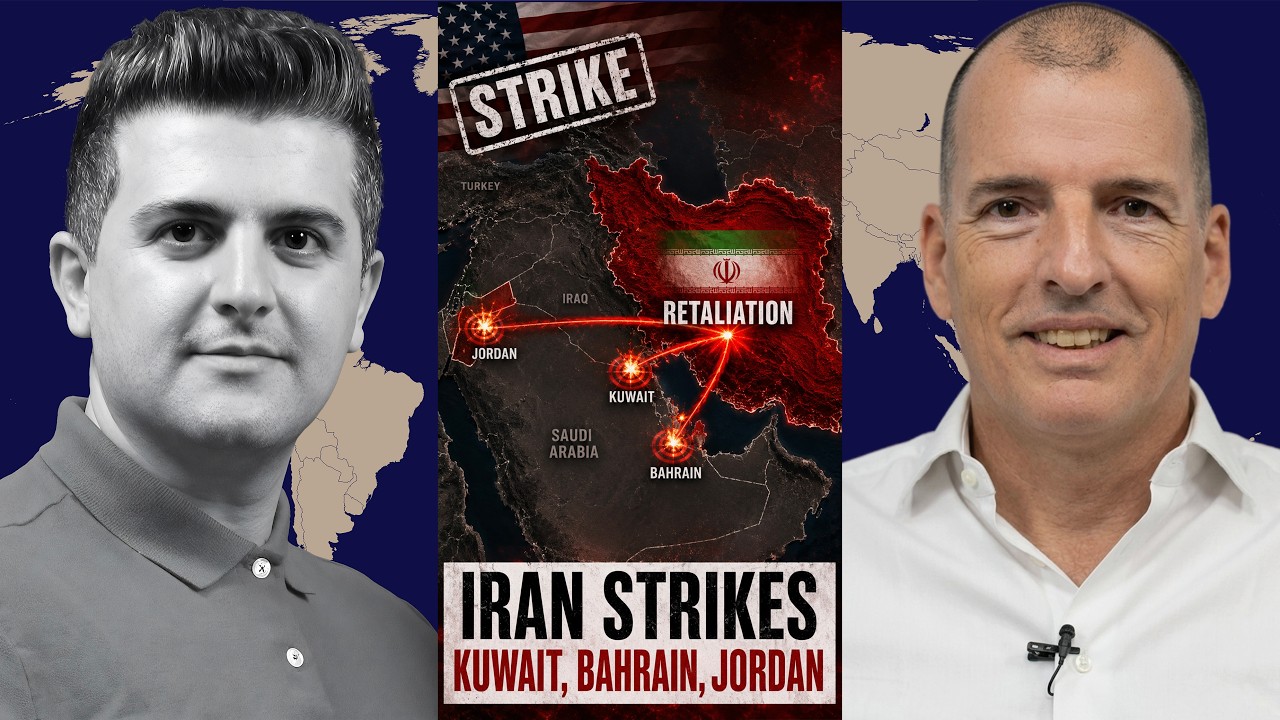
Alex Krainer: US STRIKES Iran – Iran RETALIATES Against Kuwait, Bahrain & Jordan!
"Amidst escalating US-Iran conflict and Iranian retaliation against regional US allies, this episode argues that US foreign policy is deeply controlled by an 'Anglo-Zionist conspiracy' led by the Rothschild banking dynasty, prioritizing Israeli interests over American ones."

Patrick Henningsen: Hezbollah JUST Fired Back at Israel - Iran Vows to “Crush” All Attacks
"Patrick Henningsen argues that the US and Israel initiated an illegal war against Iran, driven by Trump's incompetence and Israeli influence, leading to an inevitable escalation with severe global economic repercussions."
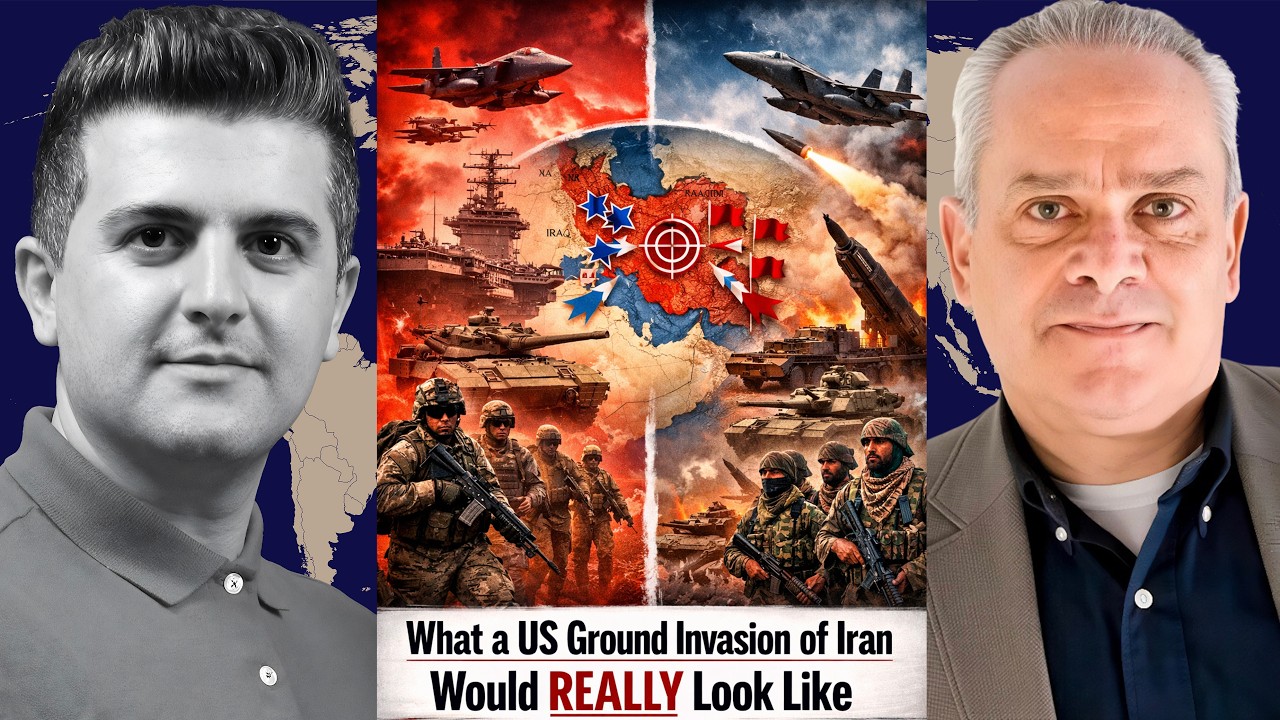
Col. Jacques Baud: What a US Ground Invasion of Iran Would REALLY Look Like
"Colonel Jacques Baud dissects the strategic futility of a US ground invasion of Iran, arguing that current troop levels are insufficient and such an action would backfire, exposing US allies and potentially leading to Iran's nuclearization."

Bibi DEMANDS Ground Troops As Marines Rushed to Iran
"Benjamin Netanyahu is pushing for US ground troops in Iran, framing air strikes as insufficient, while the US rushes Marines to the region and struggles to secure the Strait of Hormuz against surprisingly capable Iranian defenses."