"The Gulf Fears Whoever Wins This War": U.S.-Israeli War on Iran Could Destabilize Entire Region
YouTube · 33X7Rba5AYo
Quick Read
Summary
Takeaways
- ❖Gulf nations fear both an ascendant Iran, confident in its ability to strike regional assets, and an Israel empowered by the absence of regional rivals.
- ❖Iran has expanded its target list in the Gulf to include economic assets, diplomatic facilities, energy infrastructure, and desalination plants, threatening the region's 'haven' image.
- ❖Gulf states are publicly messaging non-involvement in the war, refusing US access to their airspace and bases for attacks on Iran.
- ❖Prominent Gulf figures, like UAE billionaire Kalafal Hapur, are openly questioning US authority to drag the region into war and the collateral damage.
- ❖The American security architecture, intended to protect Gulf countries from Iran, is now perceived by some Gulf states as the cause of current instability.
- ❖The Abraham Accords suffered a major setback due to the war on Gaza, making peace with Israel unpalatable for countries like Saudi Arabia.
- ❖The Strait of Hormuz, critical for oil transport and global internet cables, faces potential disruption, though all parties have an interest in avoiding prolonged closure.
- ❖The US government, particularly President Trump, has denied responsibility for strikes on civilian targets in Iran, including a girls' school and an emergency medical base, despite contradictory evidence.
Insights
1Gulf States' No-Win Scenario
Kareem Shaheen articulates that Gulf states are in a difficult position, fearing the outcome regardless of who 'wins' the conflict. If Iran survives and emerges confident, it will continue its aggressive policies, now knowing it can sway US policy and strike a wider range of targets beyond military bases, including economic, diplomatic, energy, and desalination infrastructure. If Israel and the US emerge victorious, Israel could become an unchecked regional hegemon, willing to deploy force to achieve political objectives against perceived enemies, which Gulf states do not want to replace one hegemon with another.
Shaheen states, 'whichever scenario emerges out of this, whether it's an ascendant Iran... or if it's an Israel that's empowered by the absence of any regional rivals... in either scenario, I don't think that the Gulf states will be happy with the outcome.' He details Iran's expanded target list from to and Israel's potential as a hegemon from to .
2US Security Architecture as a Source of Instability
The traditional security arrangement in the Gulf, based on US protection against Iran, is now being re-evaluated by Gulf states. They are realizing that this very architecture is contributing to the instability and war they had lobbied against. A prominent UAE billionaire's open letter to President Trump exemplifies this sentiment, questioning the US's authority to initiate conflict and the resulting collateral damage to regional countries.
Shaheen explains, 'the entire security arrangement in the Gulf was based on... the US security architecture that America was going to protect all of these Gulf countries from Iran... But the reality that they're realizing right now is that it's this American security architecture that is the cause of the instability.' He references Kalafal Hapur's letter from to and its significance as a proxy message from Gulf governments from to .
3US Denial of Civilian Casualties and Disinformation
The US government, particularly President Trump, has denied responsibility for strikes on civilian targets in Iran, including a girls' school and an emergency medical base. This denial persists despite open-source evidence and investigations by New Lines magazine contradicting official claims. The guest highlights issues with targeting protocols and the failure to protect civilians, drawing parallels to media failures during the lead-up to the Iraq War.
The host details Trump's shifting statements on the girls' school strike from to . Shaheen confirms New Lines magazine's investigations showed 'no evidence that Iran could have actually carried out the strike' on the school and described the EMT center strike as a 'clear case of bad targeting' that killed 20-30 civilians, stating, 'it's clear there are problems with the targeting protocols' from to .
Lessons
- Analyze the long-term implications of US security alliances in the Middle East, considering how they are perceived by regional partners as both protection and a potential catalyst for conflict.
- Monitor the messaging and actions of Gulf states for signals of shifting allegiances or independent foreign policy initiatives, particularly their efforts to distance themselves from US military actions.
- Investigate claims of civilian casualties in conflict zones with skepticism towards official narratives, utilizing open-source intelligence and independent journalistic reports to verify facts.
Quotes
"Who gave you the authority to drag our region into a war with Iran and on what basis did you make this dangerous decision? Did you calculate the collateral damage before pulling the trigger? And did you consider that the first to suffer from this escalation will be the countries of the region itself?"
"But the reality that they're realizing right now is that it's this American security architecture that is the cause of the instability, that is the cause of of the war that that has started and that they've lobbied so hard against."
"It's really important for the media to also avoid the same failures of the Iraq war that the political class went through, which is to take the words of people like Donald Trump who are clearly lying at face value and to just simply go with it and publish it as though it's you know it's just the other side of the story."
Q&A
Recent Questions
Related Episodes
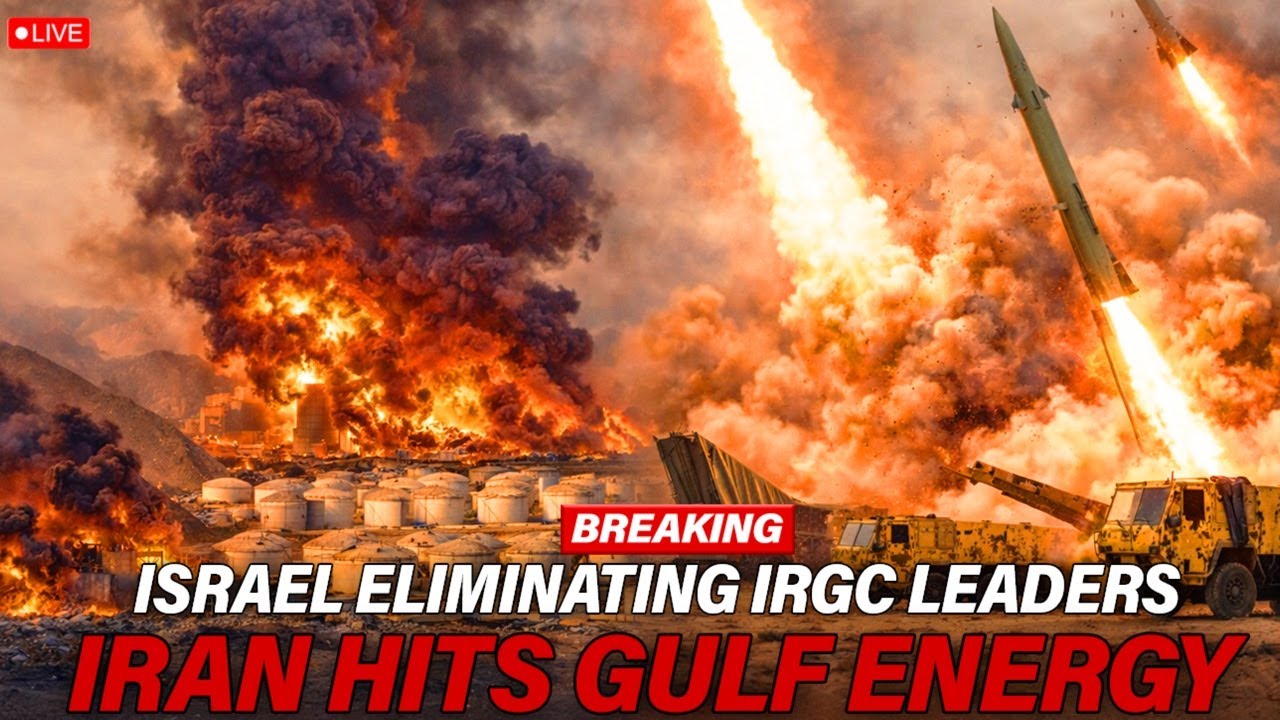
BREAKING: U.S. Weighs INVADING Iran Oil Island; Gulf Energy Crisis Grows | TBN Israel
"As the US and Israel systematically dismantle Iran's military and leadership, the conflict escalates into an energy war, with the US considering ground invasion of Iran's critical Karag oil island to secure global oil routes."
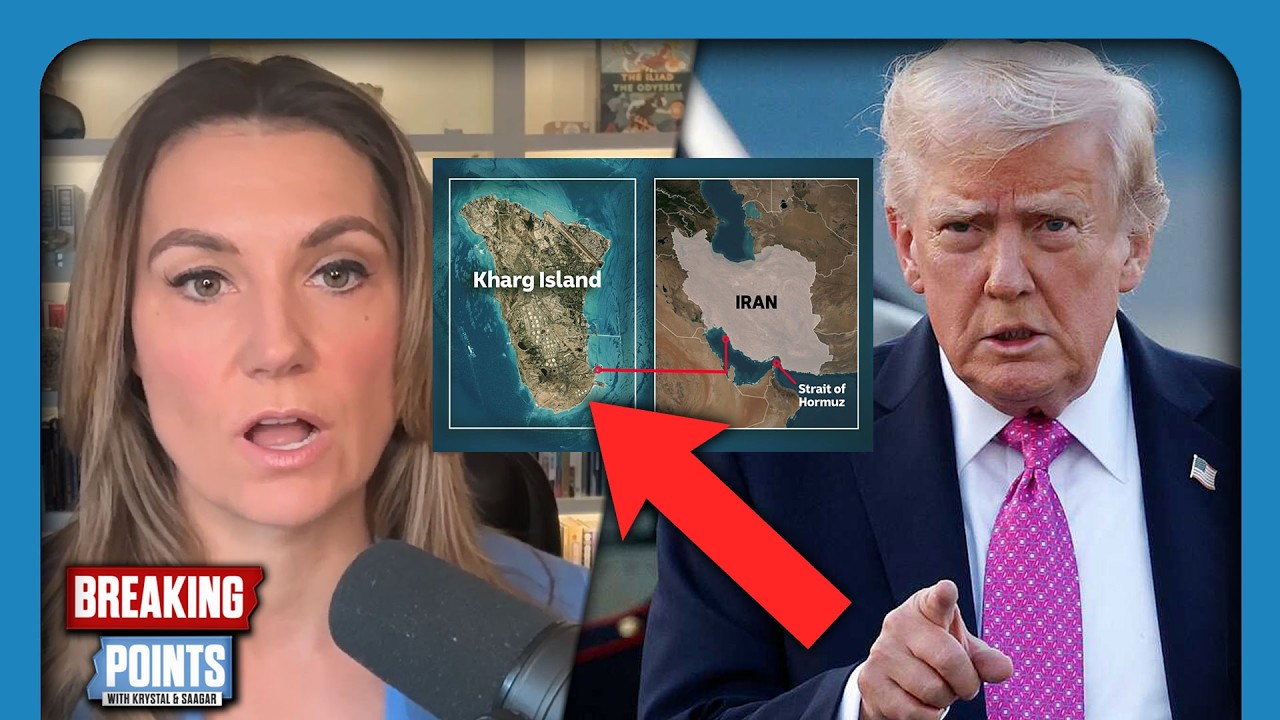
BREAKING: TRUMP ATTACKS OIL ISLAND, MARINES CALLED IN, 5 US PLANES HIT
"The US-Iran conflict escalates with a Trump-ordered strike on Iran's Karg Island, triggering Iranian retaliation against UAE oil facilities and US military assets, while the US deploys Marines and Israel plans a ground invasion of Lebanon."
Palestinian Evangelical Analyst REACTS To U.S-Israeli War In Iran!
"The Young Turks dissect the US-Israeli war in Iran, alleging it's driven by Israeli expansionist goals, fueled by US political and media subservience, and resulting in devastating civilian casualties and economic fallout, while a Palestinian Christian analyst details the brutal realities of Israeli occupation and humiliation."

BREAKING: Iran Threatens To END Talks; U.S. Vows Retaliation; Hezbollah Collapsing? | TBN Israel
"Iran is leveraging Hezbollah and the Strait of Hormuz to manipulate US negotiations, while Israel asserts its right to dismantle Hezbollah's eroding but still dangerous infrastructure in Lebanon, independent of international talks."