
🚨 LIVE: Iran Navy Confronts U.S. Warships - EU Designate IRGC As Terrorist
YouTube · 5iyvPWTjVz8
Quick Read
Summary
Takeaways
- ❖The US has significantly increased its military presence in the Middle East, deploying two additional aircraft carriers (USS Delbert D. Black, USS George HW Bush) and advanced air defense systems.
- ❖The USS Abraham Lincoln aircraft carrier has gone 'dark' (communication silence), leading to speculation of imminent US military action.
- ❖Iran's Navy has warned US warships and announced live-fire 'drills' in the Strait of Hormuz, threatening to close the vital waterway.
- ❖The European Union officially designated the Islamic Revolutionary Guard Corps (IRGC) as a terrorist organization.
- ❖The United Kingdom is the only major country refusing to designate the IRGC as a terrorist organization, despite its alleged London headquarters.
- ❖Russia and China are conducting a joint naval exercise with Iran in the Gulf of Oman and Indian Ocean, viewed by the host as a delaying tactic.
- ❖US, Israeli, and Saudi intelligence officials are holding confidential meetings in Washington D.C. to discuss potential targets in Iran.
- ❖Iran's capital, Tehran, is converting underground parking lots and metro stations into war shelters exclusively for IRGC members and their families.
- ❖Iran's army commander ordered the addition of 1,000 'strategic drones' to its military branches, intended to target civilians in Tel Aviv.
Bottom Line
The host frames Russia and China's joint naval exercise with Iran not as direct military support, but as a 'posturing' tactic to delay potential US action, suggesting their primary concern is avoiding direct conflict while maintaining a facade of alliance.
This implies that Iran's major allies may not be reliable in a direct confrontation, potentially leaving Iran more isolated than it appears. Their actions are more about strategic deterrence through presence than active military commitment.
This perceived lack of full commitment from Russia and China could influence US strategic calculations, potentially emboldening a more decisive, swift operation if the US believes it can avoid a broader proxy war.
The host claims the British state, including the foreign office and the palace, has a long-standing, quiet policy of supporting and working with the IRGC since the 1970s, maintaining an official IRGC headquarters in London.
This suggests a deep-seated, potentially covert, relationship between the UK establishment and the IRGC that contradicts public diplomatic stances and international pressure, making the UK a unique and controversial actor in the current crisis.
Public and international pressure, especially from the US and EU, could force the UK to re-evaluate or disclose aspects of this alleged relationship, potentially leading to a significant shift in its foreign policy and a unified Western front against the IRGC.
Lessons
- Citizens in Britain concerned about the IRGC's presence and the UK's non-designation policy should contact their local Members of Parliament (MPs) to advocate for the IRGC to be designated as a terrorist organization.
- Individuals should be aware of the geopolitical implications of the Strait of Hormuz, as its closure could lead to significant global energy price surges and economic instability.
- Stay informed about the evolving situation by seeking out diverse news sources, as mainstream media may present a different narrative than independent analyses.
Notable Moments
The host critiques the EU's designation of the IRGC as a terrorist organization, calling it 'cowardous' and 'selective outrage,' arguing they were 'forced by President Trump' and should have acted years ago.
This highlights the host's strong skepticism about the EU's motivations, suggesting their action is more about political expediency and aligning with US pressure than genuine concern for human rights or past IRGC actions.
The host dismisses Iran's deployment of 1,000 'strategic drones' as an insufficient deterrent against a coalition of US, Israel, Saudi Arabia, Jordan, and the UK, stating these drones will likely be intercepted by advanced air defense systems.
This provides a perspective on the perceived military imbalance, suggesting that Iran's conventional military threats are largely ineffective against superior Western technology and coordinated defense strategies.
Quotes
"The European Union have also finally decided to designate the Islamic Revolutionary Guard Corps as an international terrorist organization, which means that a number of IRGC members will now be moving to the United Kingdom as their last safe haven in Europe."
"The Islamic Republic and their so-called armed forces have now announced they are now confronting the uh US in the in the region in the P near the Persian Gulf. They have now warned uh the United States that they will be closing the straight of hormos which is huge by the way and said that any military action would ignite an allout war."
"The three countries will be launching a joint naval exercise in the Gulf of Oman and also the Indian Ocean in the coming days. Now the plan is to basically hold this over the weekend."
"The EU foreign ministers just took the decisive step of designating Iran's Revolutionary Guard Corps as a terrorist organization. Any regime that kills thousands of its own people is working towards its own demise."
"Underground parking lots, metro stations, anything underground in the capital will now be used as war shelters, but only for the members of the IRGC and their families."
"If you idiots in Iran decide to focus so much on the Persian Gulf, you're going to forget about protecting the actual land and the Israelis could literally go in and do whatever they want."
Q&A
Recent Questions
Related Episodes
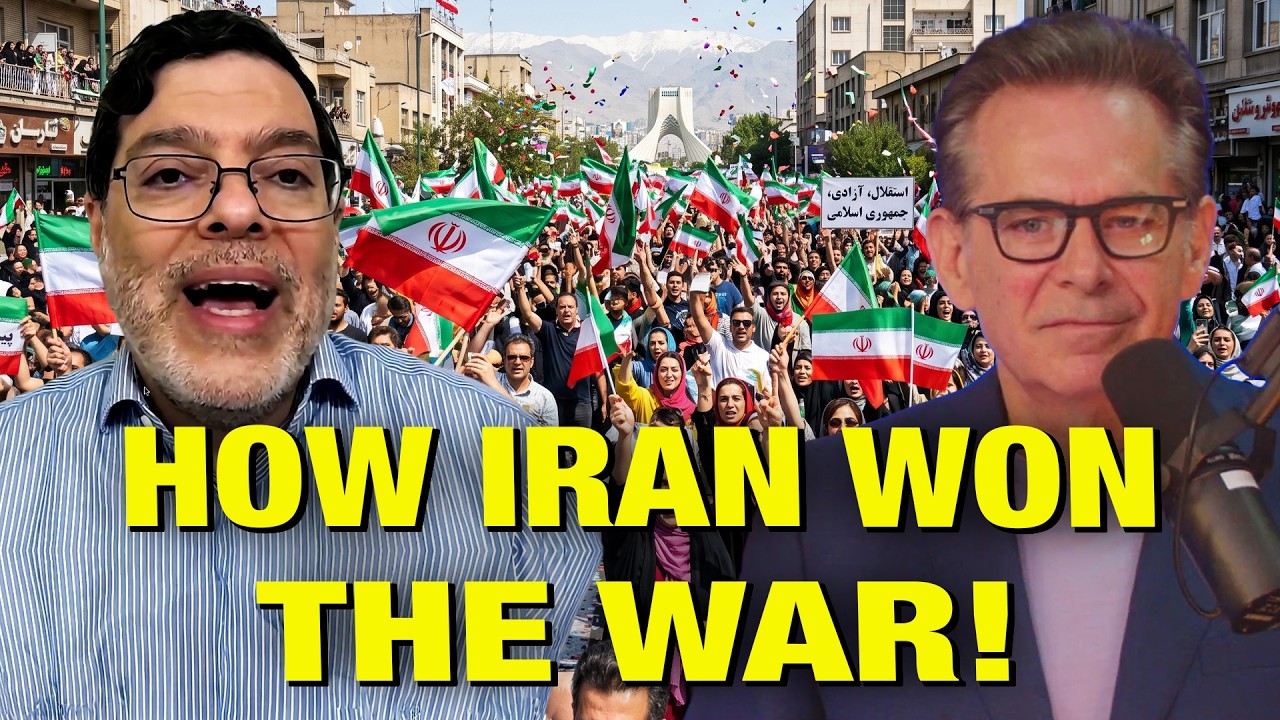
The REAL Story About The War From INSIDE IRAN! – Jimmy Interviews Prof. Marandi
"Professor Marandi, an Iranian academic, details how Iran emerged stronger from recent conflicts, now controlling the Strait of Hormuz and possessing a credible deterrent against its adversaries, despite facing economic siege and Western-backed regional proxies."

Larry Johnson & Col. Wilkerson: 4 US Warships Tried to Enter Strait of Hormuz – Then Iran Launched
"A critical analysis reveals escalating US-Iran military confrontations in the Strait of Hormuz, a stark disconnect in diplomatic rhetoric, and a significant geopolitical realignment in the Middle East away from US influence."

BREAKING: War Back On! Ships Bombed! Strait of Hormuz Closed Again!
"The Strait of Hormuz has closed again after Iran bombed two ships, with the host arguing this is a direct consequence of Trump's alleged lies about a peace deal and broader US foreign policy subservience to Israel."
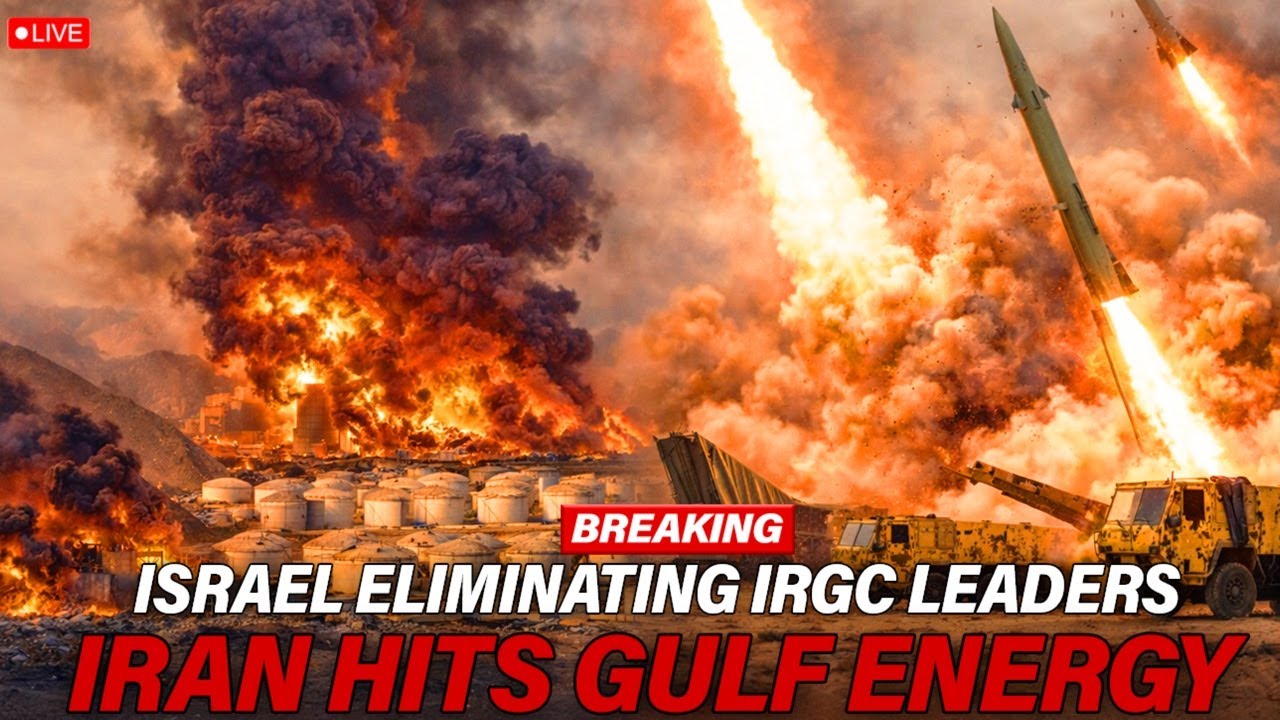
BREAKING: U.S. Weighs INVADING Iran Oil Island; Gulf Energy Crisis Grows | TBN Israel
"As the US and Israel systematically dismantle Iran's military and leadership, the conflict escalates into an energy war, with the US considering ground invasion of Iran's critical Karag oil island to secure global oil routes."