
Black Liberals LOSE IT THEN TURN AGAINST WOKE Black Pastor For FOLDING ON Target DEI Boycott!
YouTube · 6lC9637Opx8
Quick Read
Summary
Takeaways
- ❖Pastor Jamal Bryant unilaterally called off the Target boycott, claiming three out of four demands were met after a meeting with the corporation.
- ❖Original boycott organizers, predominantly black women, vehemently disagreed, stating Bryant did not initiate the movement and Target had not met their demands.
- ❖Critics accused Bryant of 'selling out' and co-opting a movement started by others, causing confusion and harm to the ongoing boycott.
- ❖Bryant's subsequent apology, where he stated 'black women lead' and he was 'glad to walk behind them,' was widely criticized as transactional and pandering.
- ❖The host argues the boycott accomplished 'not a damn thing' beyond hurting black-owned businesses operating within Target, viewing the infighting as 'hilarious' and 'silliness'.
Insights
1Disputed Leadership and Premature End to Target Boycott
Pastor Jamal Bryant announced the end of the Target boycott, claiming victory after a meeting with the company, stating three out of four demands were met. This declaration was made despite other key organizers, including Nina Turner and Nikima Ley Armstrong, asserting that Target had not met the boycott's core demands, such as public apologies or commitments to reinstate DEI initiatives. Critics argue Bryant co-opted a movement primarily initiated by black women and unilaterally ended it without collective consensus.
The host and quoted individuals repeatedly state Bryant did not start the boycott (, , , , ). Bryant claims victory and ends the 'Target fast' (, ). Other organizers like Nina Turner and Tamika Mallerie state demands were not met and they are still boycotting (, ). Nikima Ley Armstrong explicitly accuses Bryant of trying to end the boycott and co-opt their work (, ).
2Accusations of Selling Out and Pandering
Following his meeting with Target and the declaration of the boycott's end, Pastor Jamal Bryant faced accusations of 'selling out.' His subsequent apology video, where he stated, 'I believe that this is the hour where black women lead' and 'I am their brother and glad to walk behind them,' was widely criticized. The host and other commentators deemed this apology transactional, inauthentic, and pandering to the black liberal women who constitute a significant portion of the black church's support base, rather than a genuine acknowledgment of wrongdoing.
The host mentions 'a lot of people accusing this guy of selling out' (). Bryant's apology includes statements about black women leading (, ). The host calls this a 'clown show' and 'pandering' (, ). A commentator describes his apology as 'very transactional' and 'all lives matter us' (, ).
3Questionable Effectiveness and Internal Conflict
The host critically assesses the overall impact of the Target boycott, concluding it accomplished 'not a damn thing' beyond potentially harming black-owned businesses that sold products within Target stores. The host suggests Target's struggles are due to broader reasons, not the boycott, and views the infighting between Bryant and other activists as 'silliness' and entertaining 'Civil War' within the 'woke' community, highlighting a lack of unified strategy or tangible results.
The host questions, 'What did they actually accomplish? Not a damn thing' (). He notes the boycott hurt black-owned businesses at Target (). He states, 'I don't think they've accomplished a damn thing' and 'Target is hurting for a lot more reasons than this silly boycott' (, ). He finds the infighting 'hilarious' ().
Bottom Line
The host suggests that the Target boycott, rather than pressuring the corporation, inadvertently harmed black-owned businesses that relied on Target for distribution and sales, diverting black consumer dollars away from them.
Activist movements, even those with good intentions, can have unintended negative economic consequences for the very communities they aim to uplift if not strategically planned to mitigate collateral damage.
Develop a framework or advisory service for activist groups to analyze the potential economic impact on minority-owned businesses before initiating large-scale boycotts, offering alternative strategies or support mechanisms.
Lessons
- When engaging in social movements, verify the origins and leadership of the movement to understand its true mandate and avoid supporting co-opted efforts.
- Critically evaluate claims of 'victory' in boycotts or protests by examining concrete concessions from the targeted entity, rather than relying solely on public declarations.
- Recognize that internal conflicts over leadership and strategy can significantly undermine the effectiveness and public perception of social justice movements.
Notable Moments
Pastor Jamal Bryant's declaration of victory and the end of the Target boycott, framed as a 'first step to the new civil rights movement.'
This moment triggered the entire controversy, as other organizers vehemently disagreed with his assessment and authority to end the boycott, leading to accusations of co-option and selling out.
Jamal Bryant's apology where he states, 'I believe that this is the hour where black women lead' and 'I am their brother and glad to walk behind them.'
This statement was widely perceived as pandering and inauthentic, further fueling criticism from those who felt he was trying to regain favor rather than genuinely addressing the harm caused by his actions.
Quotes
"With all due respect, Pastor Bryant, you did not start the Target boycott. Black women did. Therefore, you cannot end it."
"I believe that this is the hour where black women lead. I believe that this is the hour where black men take their rightful place in their rightful position. I am their brother and glad to walk behind them."
"He knew full well what he was doing when he flew to the National Press Club in Washington DC to call a press conference trying to end the national target boycott. The amount of upheaval that he has caused is absolutely absurd."
"What did they actually accomplish? Not a damn thing except hurt so-called black-owned businesses who had businesses at Target."
Q&A
Recent Questions
Related Episodes

Target Boycott Not Over. SAVE Act Clash in Senate. Police Drag Black Woman From Car
"This episode exposes the fractured leadership of the Target boycott, details a troubling police incident in Texas, and critically examines the rise of white Christian nationalism and its impact on American democracy and policy."
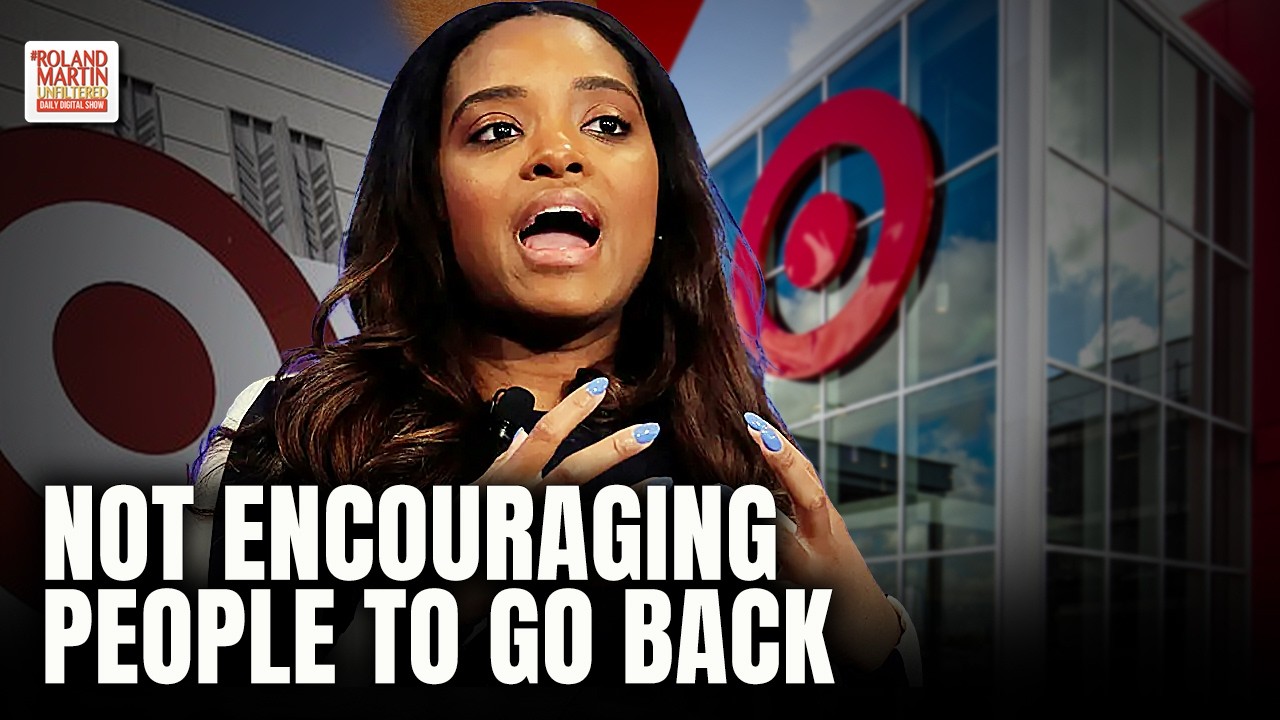
Tamika Mallory talks Target boycott and next phase of corporate DEI fight
"Tamika Mallory and Roland Martin discuss the 400-day Target boycott, its strategic demands, Target's partial concessions on DEI and Black business commitments, and the ongoing push for corporate accountability."

SCOTUS Ends Haitian TPS. Woman wrongfully declared dead Next250 Declares Independence. #TheBreakdown
"This episode covers a Supreme Court ruling on Temporary Protected Status, the impact of childhood trauma on adult men, career advancement strategies in the AI era, and efforts to combat child sexual abuse and human trafficking."

SCOTUS Opens Haitian Deportation Door. Hakeem Jeffries Talks Black Voters. Trump Voting EO Blocked
"The Supreme Court's decision to allow the deportation of hundreds of thousands of Haitian and Syrian immigrants sparks outrage and economic concern, while Democrats grapple with mobilizing Black voters and countering Trump's election interference efforts."