Inside BOMBSHELL First Maduro COURT HEARING
YouTube · 8I7_p42zx3Y
Quick Read
Summary
Takeaways
- ❖Nicolas Maduro pleaded not guilty at his arraignment in the Southern District of New York, immediately attempting to assert head-of-state immunity and jurisdictional defenses.
- ❖Maduro's legal team includes Barry Pollock, Julian Assange's former lawyer, and David Wickstrom, who represented a co-defendant of former Honduran President Juan Orlando Hernández.
- ❖The defense will challenge the legality of Maduro's 'military abduction' and the raid that led to his capture, with a preliminary hearing set for March 17th.
- ❖Judge Hellerstein, a 90-year-old, no-nonsense judge, is presiding, having previously challenged the Trump administration on legal matters.
- ❖The US government's focus on Venezuelan oil interests and 'regime change' rhetoric could bolster Maduro's defense that the charges are politically motivated, distinguishing the case from the Manuel Noriega precedent.
Insights
1Maduro's Immediate Immunity and Jurisdictional Defense
During his arraignment, Nicolas Maduro pleaded not guilty but immediately attempted to assert head-of-state immunity and challenge the court's jurisdiction. He declared himself 'the president of Venezuela' and a 'kidnapped president,' attempting to frame the proceedings as political rather than criminal. Judge Hellerstein interrupted these statements, clarifying that such arguments would be heard later.
Maduro replied to a question about his name with 'I am the president of Venezuela' and later referred to himself as a 'kidnapped president.' Judge Hellerstein interrupted, stating, 'you'll have every opportunity to make those arguments right now I am asking your name.'
2Strategic Selection of High-Profile Defense Counsel
Maduro is represented by a notable legal team: Barry Pollock, known for representing Julian Assange, and David Wickstrom, a public defender involved in the conspiracy case against former Honduran President Juan Orlando Hernández. Pollock indicated he would argue the 'legality of what he described as Maduro's military abduction,' suggesting a focus on the circumstances of his capture.
Barry Pollock, Julian Assange's former lawyer, will argue 'questions about the legality of what he described as Maduro's military abduction.' David Wickstrom was an attorney for a codefendant of Juan Orlando Hernández.
3Geopolitical Context Undermines US Legal Position
The host and reporter suggest that the US government's public statements and actions, particularly concerning Venezuelan oil interests and 'regime change,' could play into the defense's hands. By emphasizing political motivations over drug trafficking, the US risks strengthening Maduro's argument that the charges are politically driven, making it harder to prosecute him as a common criminal, unlike Manuel Noriega.
The host states, 'the less they talk about cocaine and the more they talk about political regime change, the more it plays into the hands of the lawyers for Maduro to argue this is politics. I get immunity.'
4Judge Hellerstein's Tough Stance and Precedent
The case is presided over by Judge Alvin Hellerstein, a 90-year-old Clinton appointee with a history of challenging government overreach. He previously rejected Donald Trump's attempt to move the Stormy Daniels case to federal court and issued a scathing ruling against the Trump administration's use of the Alien Enemies Act to deport Venezuelans. His track record suggests he will ensure a fair trial while scrutinizing government actions.
Judge Hellerstein denied federal officer removal for Donald Trump's Stormy Daniels case, stating 'A private affair is not a public presidential power.' He also rejected the basis of the Alien Enemies Act proclamation in a 'scathing ruling.'
Lessons
- Legal strategists should analyze the Maduro defense's approach to head-of-state immunity and jurisdictional challenges, especially how it leverages geopolitical narratives.
- Governments pursuing international criminal cases against foreign leaders must carefully align their public rhetoric and foreign policy objectives to avoid inadvertently strengthening the defense's political persecution claims.
- Observers of international law should monitor how Judge Hellerstein handles the complex legal and political issues, as his rulings could establish significant precedents for future cases involving foreign heads of state.
Notable Moments
Maduro's attempt to give a political speech during his arraignment, declaring himself 'president of Venezuela' and a 'kidnapped president,' which was promptly cut short by Judge Hellerstein.
This highlights Maduro's strategy to frame the legal proceedings as a political attack, immediately setting the tone for his defense and challenging the court's legitimacy from his perspective.
A Venezuelan critic, Pedro Roas, shouting 'Jamás' (never) and 'Illegitimo' (illegitimate) in Spanish during Maduro's statements in the courtroom, despite marshals' warnings.
This moment underscores the intense political polarization and strong emotions surrounding Maduro's presence in a US court, demonstrating the real-world impact and public sentiment tied to the legal proceedings.
Quotes
"You'll have every opportunity to make those arguments right now I am asking your name."
"The less they talk about cocaine and the more they talk about political regime change, the more it plays into the hands of the lawyers for Maduro to argue this is politics. I get immunity."
"A private affair is not a public presidential power or of a federal office."
Q&A
Recent Questions
Related Episodes

Patrick Henningsen: Hezbollah JUST Fired Back at Israel - Iran Vows to “Crush” All Attacks
"Patrick Henningsen argues that the US and Israel initiated an illegal war against Iran, driven by Trump's incompetence and Israeli influence, leading to an inevitable escalation with severe global economic repercussions."
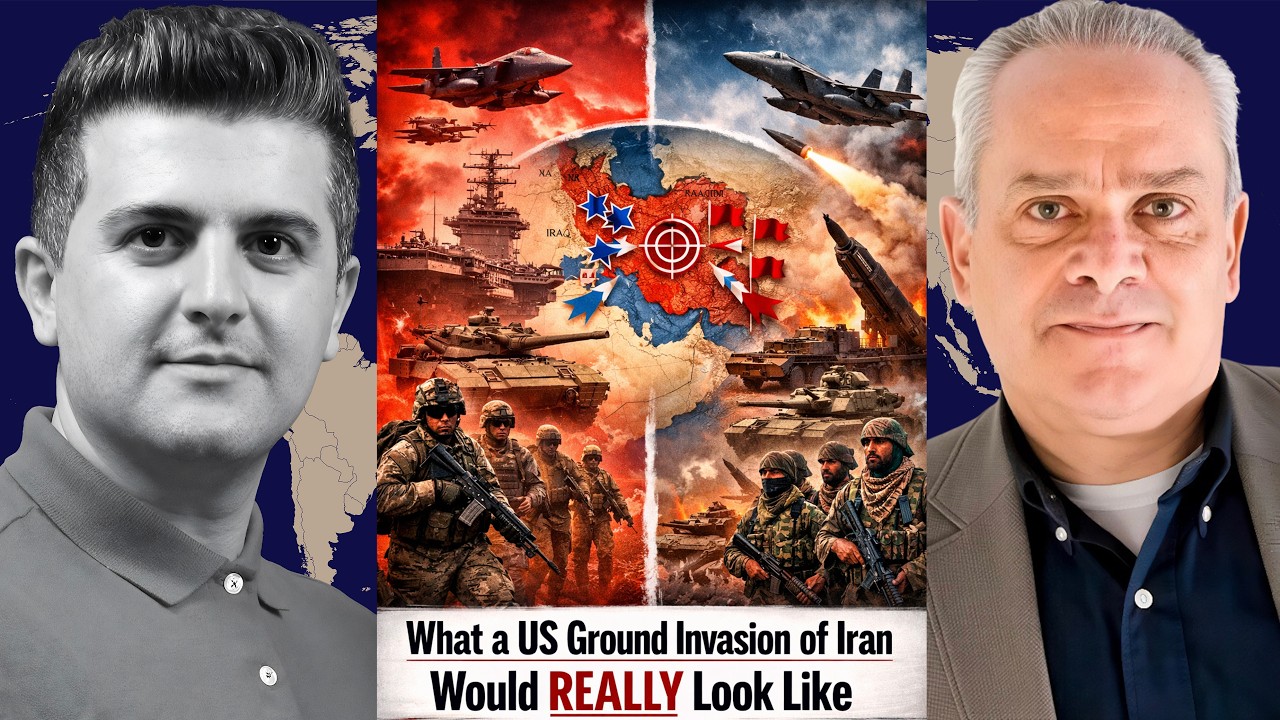
Col. Jacques Baud: What a US Ground Invasion of Iran Would REALLY Look Like
"Colonel Jacques Baud dissects the strategic futility of a US ground invasion of Iran, arguing that current troop levels are insufficient and such an action would backfire, exposing US allies and potentially leading to Iran's nuclearization."

Col. Jacques Baud: The World Is Entering a Lawless Era
"Colonel Jacques Baud details his personal experience with arbitrary EU sanctions and argues that the world has shifted from a law-based international order to a dangerous, rules-based system dictated by powerful actors, exemplified by US actions in Venezuela and the EU's 'teenager decision-making'."
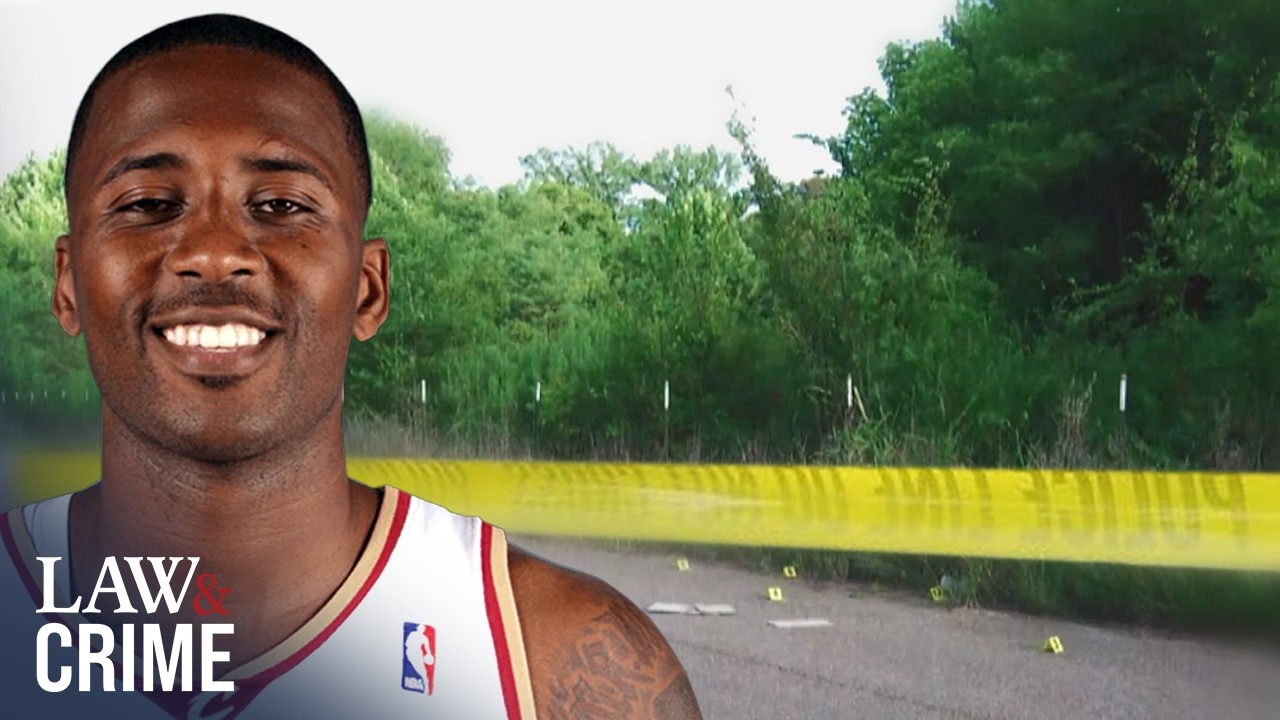
Killer Cases: NBA Star Lured to Execution In Rural Tennessee
"The decade-long cold case of NBA star Lorenzen Wright's murder was cracked through a persistent mother, a jailed informant, and a covert police operation that recovered the murder weapon from a lake and exposed a conspiracy driven by greed."