
Living in Full Bloom. Growth Boundaries and Choosing Who You Become #ABalancedLife S4 E5
YouTube · BWGJzPKda78
Quick Read
Summary
Takeaways
- ❖Maturity is more critical than longevity for healthy, thriving friendships.
- ❖Unresolved personal traumas and triggers lead to unhealthy relationship patterns like trauma bonds or codependency.
- ❖True growth often requires stepping away from familiar people, places, and habits, which can be a painful but necessary process.
- ❖Flourishing is an internal state of joy, peace, and contentment, not solely tied to external achievements or possessions.
- ❖Give friends permission to grow and evolve, even if their journey temporarily excludes you.
- ❖Understand your 'flower type' (annual or perennial) and bloom according to your internal timeline, not external expectations.
- ❖Exercise wisdom in revealing different facets of your personality; not everyone needs or can handle 'all of you' at all times.
Insights
1Maturity is Paramount in Friendships, Not Just Longevity
While long-standing friendships are valued, their health and sustainability depend more on the maturity and intentionality of the individuals. Without maturity, long-term friendships can become toxic, especially if one or both parties are not growing.
Dr. Tierney states, 'Without the maturity piece, that longevity can become toxic. Sometimes you've been friends with somebody too long. You know, it's time for you guys to, you know, go your separate ways or, you know, particularly if one or both parties aren't growing.'
2Unprocessed Trauma Leads to Unhealthy Relationship Dynamics
If individuals haven't addressed their traumas, triggers, and unhealthy relationship patterns, they are likely to form trauma bonds, codependent interactions, or anxious attachments rather than healthy, balanced friendships.
Dr. Tierney explains, 'If I haven't done my work... I'm going to show up in a way that is going to be guided and governed by whatever traumas and triggers I haven't dealt with... Instead of developing a healthy relationship, I'm going to develop a trauma bond.'
3Growth Requires Permission and Space, Even from Loved Ones
Allowing oneself and others the grace and permission to grow and evolve, even if it means temporary separation or a shift in the relationship's dynamics, is crucial for individual development. Holding on too tightly can stunt growth.
Charlotte states, 'Sometimes people's evolutionary processes may be in a season where they don't actually include you because you were around so much. And so sometimes we need to be able to remove ourselves... It takes maturity to be able to say I love my people. I need to take a step back from my people.'
4Flourishing is an Internal State, Not External Achievement
True flourishing and thriving are rooted in internal joy, peace, and contentment (soul prosperity), rather than being defined by external factors like wealth, job titles, or marital status. Focusing solely on external achievements can lead to burnout and misery.
Dr. Tierney clarifies, 'We have heavily linked those to external... that's not flourishing. That can be a result of the flourishing... There are people that have all of that stuff and are miserable... We prosper as our soul prospers.'
5Wisdom in Revealing Different Aspects of Your Authentic Self
While being authentic is important, wisdom dictates how much of one's multifaceted self is revealed to different people or in different contexts. Not everyone has the capacity or understanding to handle all aspects of an individual's personality, and oversharing can hinder personal growth.
Charlotte shares her experience: 'I can still show up as my authentic self, but I also know within a within groups of people what I'm sharing and what I'm not sharing... we have to be careful in in those places and spaces and who we're around and the things that we're sharing because they might just hinder our start our growth again.'
Key Concepts
Maturity over Longevity in Friendships
The idea that the quality and health of a friendship are more dependent on the maturity and growth of the individuals involved than on the sheer length of time they have known each other. Without maturity, long-standing relationships can become toxic.
Internal vs. External Flourishing
Distinguishes between genuine personal flourishing (characterized by internal joy, peace, and contentment) and external markers of success (like wealth, status, or relationships). True flourishing is soul prosperity, independent of outward circumstances.
The 'Four Selves' / Multifaceted Identity
The concept that an individual embodies multiple 'selves' or 'petals' (e.g., Dr. Tyranny, Mrs. Hodes-Murd, Tyranny, T; or East Coast, West Coast, Southern, Midwest, Caribbean Jackie). Each facet represents a different aspect of one's personality, priorities, and how much of oneself is revealed in different contexts or to different people.
Annual vs. Perennial Growth
An analogy comparing personal growth cycles to flowers. 'Annuals' bloom intensely for one season and then retreat for internal work, while 'perennials' survive and bloom across multiple seasons. Understanding whether you are in an 'annual' or 'perennial' season helps manage expectations for social engagement and prioritize internal development without guilt.
Lessons
- Prioritize doing your internal work (addressing trauma, triggers, and unhealthy patterns) to ensure you enter relationships from a healthy place, preventing codependency or trauma bonds.
- Communicate your need for space or a 'growth season' to friends and loved ones, allowing them to understand and respect your individual journey without taking it personally.
- Actively 'prune' your social circle by identifying and removing 'weeds'—naysayers, judgmental people, or those who resist your growth—to create an environment conducive to flourishing.
- Cultivate self-awareness to understand your personal 'bloom cycle' (annual vs. perennial) and give yourself permission to rest, reflect, or engage as needed, without guilt or fear of missing out (FOMO).
- Exercise wisdom in how you present your multifaceted self to different people, recognizing that not everyone has the capacity to understand or embrace all aspects of your personality.
Cultivating Relationships for Authentic Growth
**Self-Assessment & Healing:** Identify and work through personal traumas, triggers, and unhealthy relationship patterns (e.g., codependency, anxious attachment) to ensure you approach relationships from a place of health.
**Communicate Growth Boundaries:** Clearly articulate your personal growth seasons and needs for space or different types of engagement to your friends and loved ones. Frame it as self-care, not rejection.
**Prune Your Garden:** Evaluate your friendships. Identify 'weeds' (people who are negative, judgmental, or resistant to your growth) and set firm boundaries or distance yourself to protect your flourishing environment.
**Embrace Your Bloom Cycle:** Understand if you are an 'annual' (needing periods of intense internal work and less social engagement) or a 'perennial' (able to sustain social engagement across seasons). Live in alignment with your natural rhythm, not external pressures.
**Strategic Authenticity:** Be your authentic, multifaceted self, but exercise wisdom in how much of each 'petal' you reveal to different individuals. Tailor your sharing to the capacity and emotional intelligence of your audience.
Notable Moments
Charlotte shares a practical example of communicating her need for a sabbatical from recording, and the positive reception from her co-hosts, demonstrating healthy boundaries and respect for individual growth.
This illustrates how mature friendships support individual flourishing by granting space and understanding, rather than demanding constant presence or feeling personally slighted by temporary absence.
Dr. Jackie introduces the 'annual vs. perennial' flower analogy to describe different personal growth cycles.
This provides a powerful mental model for understanding why individuals might need different levels of social engagement at various times, helping to alleviate guilt over needing solitude or being less outwardly active.
Quotes
"Instead of developing a healthy relationship, I'm going to develop a trauma bond."
"Growth is can be painful, sugar. It's not always a feel-good process."
"If you're not a person that's growing and evolving, then you're going to be stagnant yourself. And so you have to be able to give people the grace and the permission to be able to do that."
"You have to be clear about... who you are and who's you are."
"A flower is not a flower for its own sake. A flower is so that other the birds and the bees can enjoy it."
Q&A
Recent Questions
Related Episodes
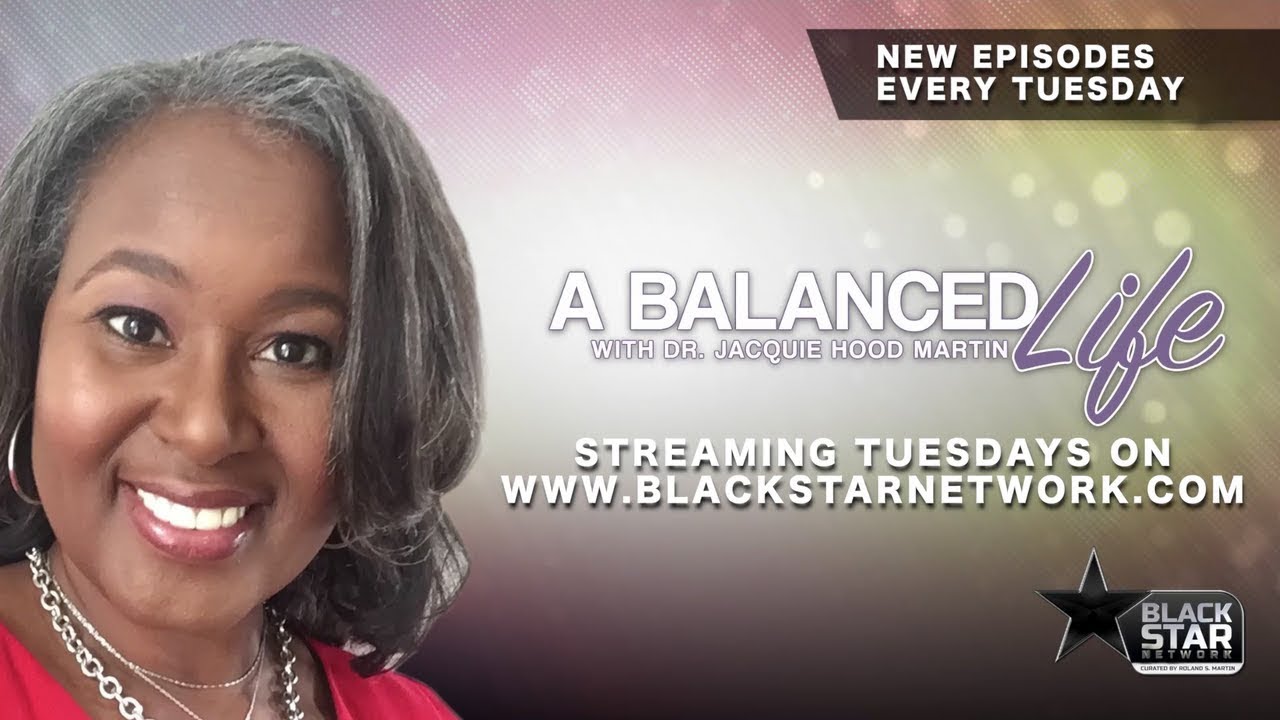
Living in Full Bloom. Growth Boundaries and Choosing Who You Become #ABalancedLife S4 E5
"Discover how to cultivate healthy friendships and achieve personal flourishing by embracing individual growth, setting boundaries, and understanding your unique 'bloom' cycle."

7 Things You Need to Hear Right Now (That Make a Surprisingly Huge Difference)
"Mel Robbins delivers seven potent reminders designed to jolt listeners out of overwhelm and back into control, emphasizing self-compassion, boundaries, and intentional living."
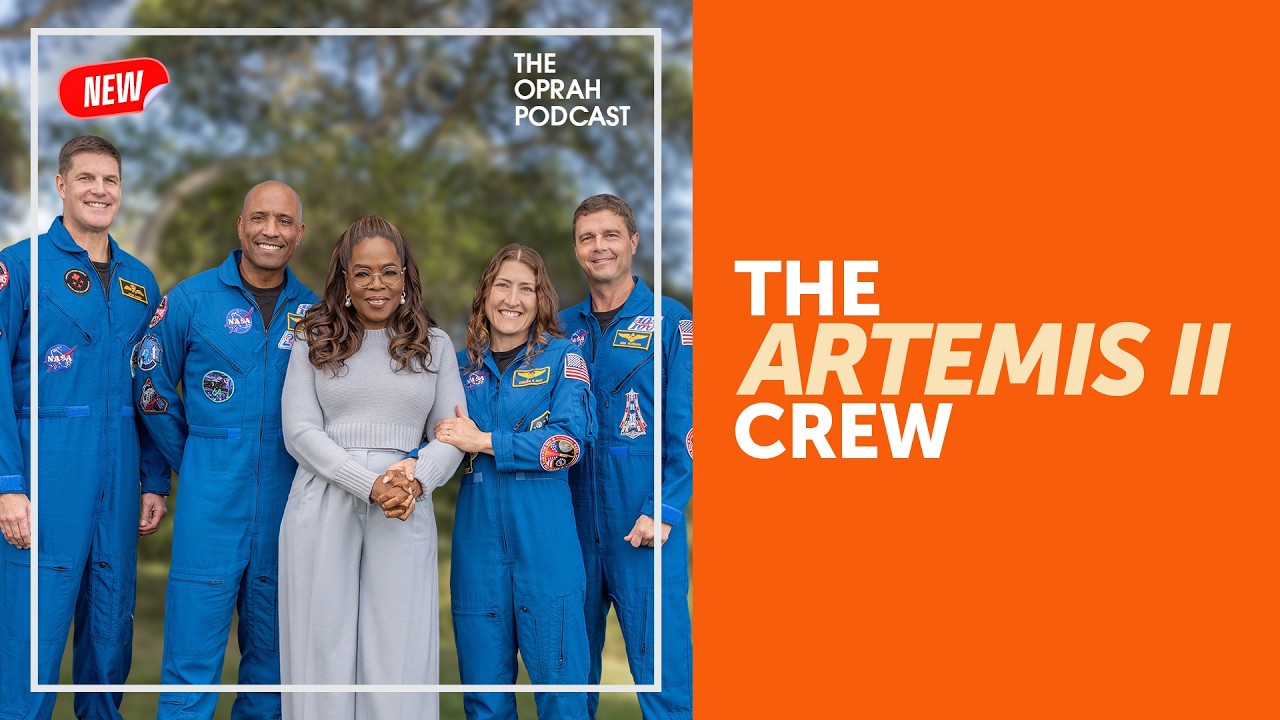
The Artemis II Crew Share with Oprah the Wisdom of Leaving Earth
"The Artemis II crew reflects on their historic journey to the moon, sharing profound insights on humanity, Earth's fragility, and the unifying power of shared experience."

PATREON EXCLUSIVE | The Human Experience (feat. Eric Benet and T.I) | The Joe Budden Podcast
"Eric Benét and T.I. offer candid insights into the evolving music industry, the challenges of maintaining authenticity, and their personal philosophies on career longevity, health, and societal changes."