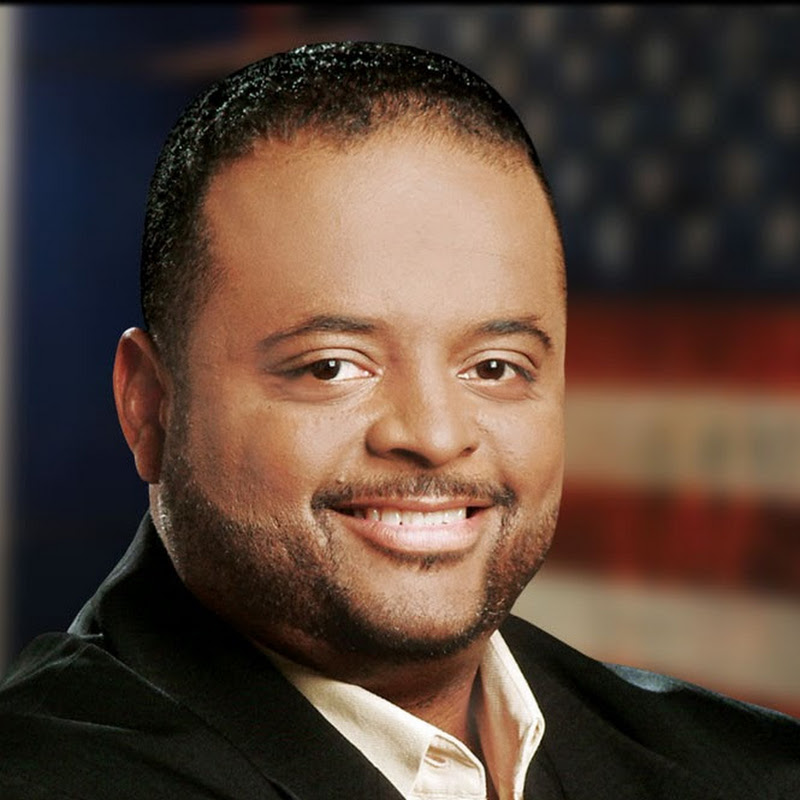
The Civil War Never Ended. How We Win It #TheBlackTable
YouTube · Eal4VeSGpmk
Quick Read
Summary
Takeaways
- ❖The American Civil War's fundamental conflict—between white nationalism and multiracial democracy—has never truly ended and continues to shape contemporary politics.
- ❖A 'new American majority' composed of people of color and progressive whites now exists, representing about 51-52% of the U.S. population.
- ❖Democrats often fail to capitalize on this demographic shift due to implicit bias towards white voters and a preference for easier, less effective campaign tactics over rigorous grassroots organizing.
- ❖The 'liberation battle plan' for winning involves investing in 'level five leaders,' building strong civic engagement organizations, using detailed data analysis, and committing to a long-term strategy.
- ❖Voter suppression efforts by conservatives are a direct response to the growing power of people of color, underscoring the need for intensified voter mobilization.
- ❖Changing who holds power is more effective than attempting to change deeply ingrained attitudes, as policy changes can lead to broader societal benefits regardless of initial resistance.
Insights
1The Civil War's Unfinished Battle: Democracy vs. Whiteness
The core conflict of the American Civil War—whether the U.S. would be a white nation or a multiracial democracy—has never ceased. Modern political polarization, including events like the January 6th Capitol attack, are seen as direct manifestations of this ongoing struggle, with some choosing 'whiteness' over democratic principles.
The host and guest discuss the Confederate flag at the Capitol riot and Taylor Branch's quote about the choice between democracy and whiteness. Phillips notes John Wilkes Booth's assassination of Lincoln was motivated by fear of 'end word citizenship' for Black people, just five days after Appomattox, illustrating the immediate continuation of the conflict.
2The New American Majority and Democratic Party Blind Spots
Demographic shifts have created a 'new American majority' where people of color and progressive whites constitute a winning coalition. However, the Democratic Party often fails to fully embrace and mobilize this majority, instead continuing to chase 'white swing voters' due to implicit bias and a preference for less labor-intensive campaign strategies like TV ads over grassroots organizing.
Phillips cites data showing 7,000 people of color added to the population daily versus 1,000 whites, and that people of color are 45-46% of all Democratic voters. He recounts a 2018 instance where a super PAC advised against investing in a majority-Latino district in California's Central Valley, claiming Latinos 'don't vote in midterm elections,' despite subsequent successful grassroots mobilization.
3Winning Through Organized Civic Engagement, Not Just Attitude Shifts
The primary goal for achieving progressive change should be to alter who holds power, rather than focusing on changing individual attitudes. This is accomplished through sustained, methodical, and data-driven civic engagement and voter mobilization, particularly among communities of color who face significant obstacles to voting.
Phillips uses the example of Obamacare, which passed despite strenuous opposition, providing healthcare access across political persuasions. He highlights the success in Arizona, where a coalition led by John Loredo (from the United Farm Workers Movement) registered hundreds of thousands of people of color and knocked on 3 million doors, winning the governor's race by 17,000 votes.
Bottom Line
The Republican Party understands the demographic shift and the threat of a multiracial democracy better than the Democratic Party, which explains their intense focus on voter suppression.
This insight suggests that Republican actions are not merely ideological but a strategic response to an existential threat to their power base. Democrats' failure to counter this with equal intensity is a critical vulnerability.
Democrats must adopt a more aggressive and sustained counter-strategy to voter suppression, viewing it as a direct attack on their core constituency and the future of multiracial democracy, rather than a peripheral issue.
The 'Civil War' is not just a metaphor; it's a literal, uninterrupted struggle, with groups like the Sons of Confederate Veterans actively perpetuating its ideology and modern movements mirroring historical resistance to democratic expansion.
This reframing elevates the urgency and stakes of contemporary political battles, indicating that the opposition is deeply entrenched and historically consistent in its goals. It challenges the notion that these are new or isolated phenomena.
Progressive movements should leverage this historical understanding to frame their struggle, educate the public on the long-term nature of the fight, and develop strategies that account for deep-seated, persistent resistance rather than assuming a temporary political cycle.
Key Concepts
New American Majority
This model posits that the U.S. population has undergone a demographic revolution, where the combined forces of people of color (80% voting Democratic) and progressive whites (39-40% voting Democratic) now form a stable electoral majority (51-52% nationally), fundamentally shifting the political landscape away from a competition solely between white conservative and white liberal factions.
Level Five Leaders
Adapted from Jim Collins' 'Good to Great,' this concept describes leaders who are personally humble but possess extraordinary professional will and are fiercely driven to achieve organizational goals. In a political context, these leaders are crucial for building and sustaining the disciplined, long-term organizing efforts needed to transform demographic majorities into voting majorities.
Rainbow Coalition
Originating from Jesse Jackson's presidential campaigns, this model emphasizes the power of diverse 'old minorities' (e.g., Black, Hispanic, Asian communities, progressive whites) uniting to form a 'new majority.' It highlights the necessity of solidarity and collective action across racial and ethnic lines to achieve social justice and electoral success.
Lessons
- Invest in and empower 'level five leaders' who are humble yet fiercely driven to build political power through disciplined, long-term organizing.
- Prioritize and fund strong civic engagement organizations that conduct methodical, data-driven voter mobilization, especially among communities of color, to translate population majorities into voting majorities.
- Integrate cultural competence into campaign strategies, creating ads and outreach that resonate deeply with the cultural realities of diverse communities, rather than relying on generic or culturally incompetent messaging.
The Liberation Battle Plan for Securing Multiracial Democracy
Invest in Level Five Leaders: Identify and support leaders who are personally humble but possess extraordinary professional will, capable of driving demanding organizational goals.
Build Strong Civic Engagement Organizations: Establish and fund groups dedicated to disciplined, methodical work that transforms population majorities into voting majorities through sustained outreach and support.
Implement Detailed Data-Driven Plans: Utilize deep data analysis to precisely focus time, energy, and resources on areas with high potential for voter turnout, marrying technological and demographic revolutions.
Play the Long Game: Commit to uninterrupted, decade-long efforts to methodically build political power and electoral influence, recognizing that significant social and political change requires sustained commitment.
Cultivate Cultural Resonance: Develop campaign messaging and outreach strategies that are culturally competent and deeply resonate with the communities being mobilized, making voting an exciting and integral part of the culture.
Notable Moments
Phillips recounts his personal journey, shaped by the Civil Rights Movement, his family's experience with housing discrimination in Cleveland, and his early political involvement with Jesse Jackson's Rainbow Coalition campaigns.
This personal narrative establishes Phillips' deep roots in social justice and civil rights, lending credibility and lived experience to his analysis of American political and racial dynamics.
The discussion highlights the irony of Republicans understanding the demographic shift better than Democrats, leading to aggressive voter suppression tactics that Democrats often fail to counter with equal intensity.
This moment underscores a critical strategic asymmetry in American politics, explaining why the party facing demographic decline is often more effective in maintaining power through structural means.
Phillips discusses the potential danger of counties refusing to certify election results, drawing parallels to the Southern states' refusal to accept Lincoln's election, which directly led to the Civil War.
This connection emphasizes the profound historical precedent and existential threat that such actions pose to the integrity of democratic processes and the stability of the nation.
Quotes
"When the old minorities come together, they comprise a new majority."
"Every single day there are 7,000 people of color added to the population compared to 1,000 whites."
"The question is is it given a choice between democracy and whiteness, how many would choose whiteness?"
"I'm fundamentally more focused on changing who holds power than in changing attitudes."
Q&A
Recent Questions
Related Episodes
NC Early Voting Push. Cancer Alley Win. NFL Shuts Out Black Coaches.Trump Nominee’s “White Identity”
"Roland Martin Unfiltered dissects systemic racism in politics, sports, and environmental justice, revealing how Black communities are fighting back against gerrymandering, corporate exploitation, and hiring discrimination."
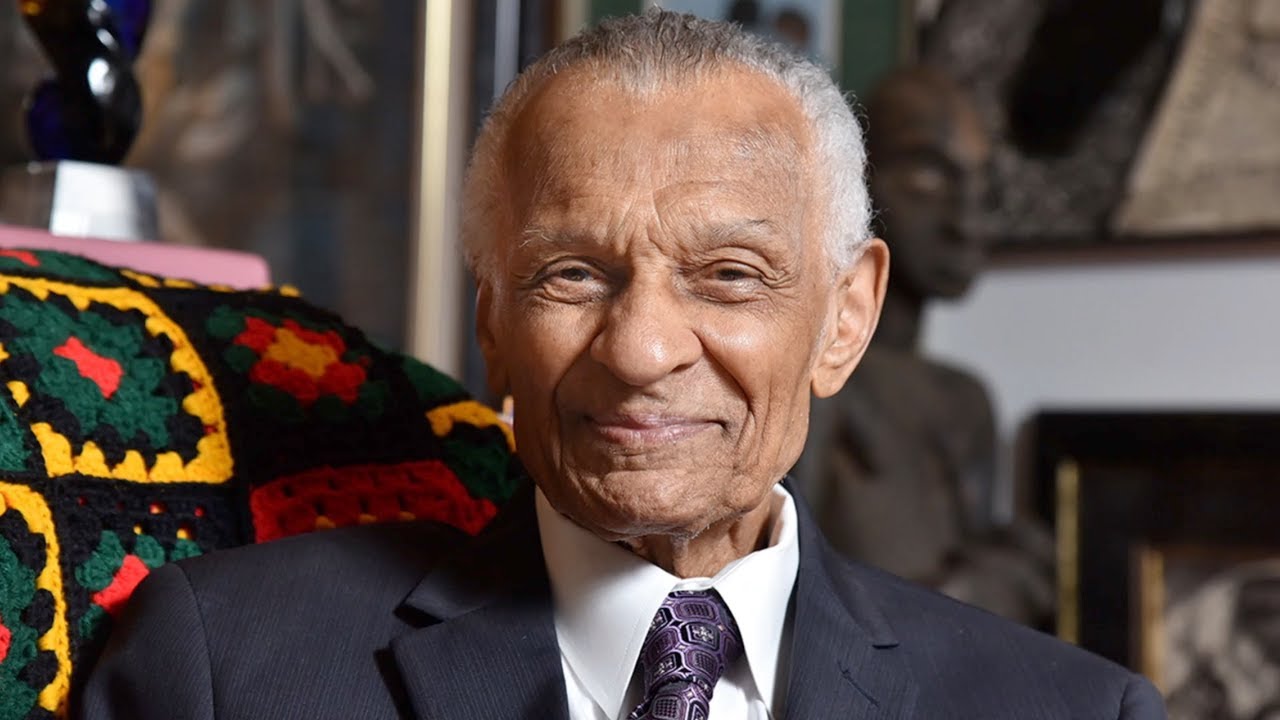
Rev. C.T. Vivian talks MLK and staring death in the face. #MLKDay2026
"Civil Rights icon Rev. C.T. Vivian reflects on a lifetime of struggle, from facing childhood bullies to confronting Jim Clark, and shares his profound insights on the continuous fight for freedom and the true cost of a movement."

Iran Deal Skepticism. Whoopi Vs Vance. Potomac Park Invasion. Racist Hurls Slurs At Black Boy.
"This episode dissects multiple instances of alleged anti-Black policies and racial injustice, from the Trump administration's legal challenges to reparations and the Iran deal, to police brutality and the erasure of Black history."

All Roads Lead To the South: Nat’l Day Of Action For Voting Rights | Mass Rally | Montgomery, AL
"A mass rally in Montgomery, Alabama, ignites 'Freedom Summer 2026' to combat the Supreme Court's decimation of Black political power and demand unprecedented voter mobilization across the South."