
Dad's Double Life | Full Episode
YouTube · GBLnKLbv2MI
Quick Read
Summary
Takeaways
- ❖Patrick Welsh faked his suicide in 1983 after being convicted of embezzlement and facing overwhelming debt.
- ❖He reinvented himself as Tim Kingsbury in Galveston, Texas, becoming a prominent community figure.
- ❖His deception was uncovered 15 years later when a Social Security alert indicated he was alive, requiring his family to repay survivor benefits.
- ❖Welsh was arrested for insurance fraud and non-support, facing his abandoned family in court.
- ❖His Galveston community initially defended him, emphasizing his positive contributions as 'Tim Kingsbury.'
- ❖Elizabeth Welsh and her sons confronted him, expressing the deep pain and betrayal of his abandonment.
- ❖Welsh was sentenced to 4 years in prison and ordered to pay over $92,000 in restitution.
Insights
1The Catalyst for Deception
Patrick Welsh's initial embezzlement from Ohio State University and subsequent overwhelming debt and humiliation led him to fake his suicide. He called his wife from his office, claiming he couldn't make dinner, then vanished, leaving a suicide note detailing his intent to go to San Francisco to die.
Pat had stolen $23,000 from Ohio State University, was convicted of embezzlement in 1980, and was distraught over financial problems. He called his wife from his office on January 21, 1983, saying he wouldn't make dinner, and later sent a letter stating, 'The only way to give you that is through my death.'
2Building a New Identity and Life
After faking his death, Welsh arrived in Galveston, Texas, penniless and reinvented himself as Tim Kingsbury. He slowly integrated into society, becoming a publicist for the Galveston Historical Foundation, then its president, and later general manager of a local radio station, earning respect as a civic leader.
In 1983, Patrick Welsh left his name and past behind, arriving in Galveston, Texas. He became known as Tim Kingsbury, working for Shlosky's restaurant, then as a publicist for the Galveston Historical Foundation, eventually becoming its president. He later worked as general manager and reporter for a local radio station.
3Unraveling the Double Life
The deception was exposed 15 years later when Elizabeth Welsh received a letter from Social Security demanding repayment of survivor benefits because the 'number holder' (Pat Welsh) was alive. This led to an FBI investigation, revealing Tim Kingsbury was using Pat Welsh's Social Security number.
Elizabeth received a letter from Social Security stating that her sons' survivor benefits had to be paid back because the 'number holder was alive.' This triggered an investigation, revealing that Tim Kingsbury, who fit Pat Welsh's description, was using his social security number.
4Community Reaction to Betrayal
Kingsbury's Galveston friends initially defended him, separating 'Tim Kingsbury' (the good man they knew) from 'Patrick Welsh' (the criminal past). However, public opinion shifted when details of his abandonment of family and the District Attorney's failure to disclose this information during his forgery plea became known.
Galveston friends stated, 'I only know Tim Kingsbury. Don't know Patrick Welsh,' and 'He didn't hurt us. How did he hurt us? All he ever did here was good.' Later, A.R. Schwartz criticized the District Attorney for not publicly announcing Welsh's true identity and past, leading to a shift in public support.
5Confrontation and Sentencing
Elizabeth Welsh and her sons confronted Pat in court, expressing profound betrayal and the stolen years of fatherhood. Welsh offered a limited apology, claiming he faked his death to free his family from his 'shadow.' He was sentenced to 4 years in prison and ordered to pay over $92,000 in restitution for insurance fraud and non-support.
Elizabeth Welsh addressed Pat in court, stating, 'Every Father's Day for the past 15 years was stolen from the lives of your sons.' Chris Welsh asked, 'How for 15 years can you never call your sons and say hello?' Pat Welsh apologized, saying, 'I did this thing to make life better for my boys.' The judge sentenced him to 4 years in prison and over $92,000 in fines.
Lessons
- Be vigilant about financial records and discrepancies, as they can reveal hidden truths or ongoing deceptions.
- Understand that extreme financial pressure and shame can drive individuals to desperate and destructive acts, including abandoning their families.
- Recognize that communities can be slow to accept negative truths about respected members, often prioritizing their positive local contributions over past misdeeds.
Quotes
"If he was alive, he would never be able to leave my brother and I behind."
"The only way to give you that is through my death."
"He didn't hurt us. How did he hurt us? I mean, all he ever did here was good. There's no reason not to forgive him."
"Your acts were cowardly, and they were criminal. And for that, you will be punished."
"I did this thing to make life better for my boys without having to live under the shadow of this criminal who was Pat Welsh."
"Every Father's Day for the past 15 years was stolen from the lives of your sons."
Q&A
Recent Questions
Related Episodes
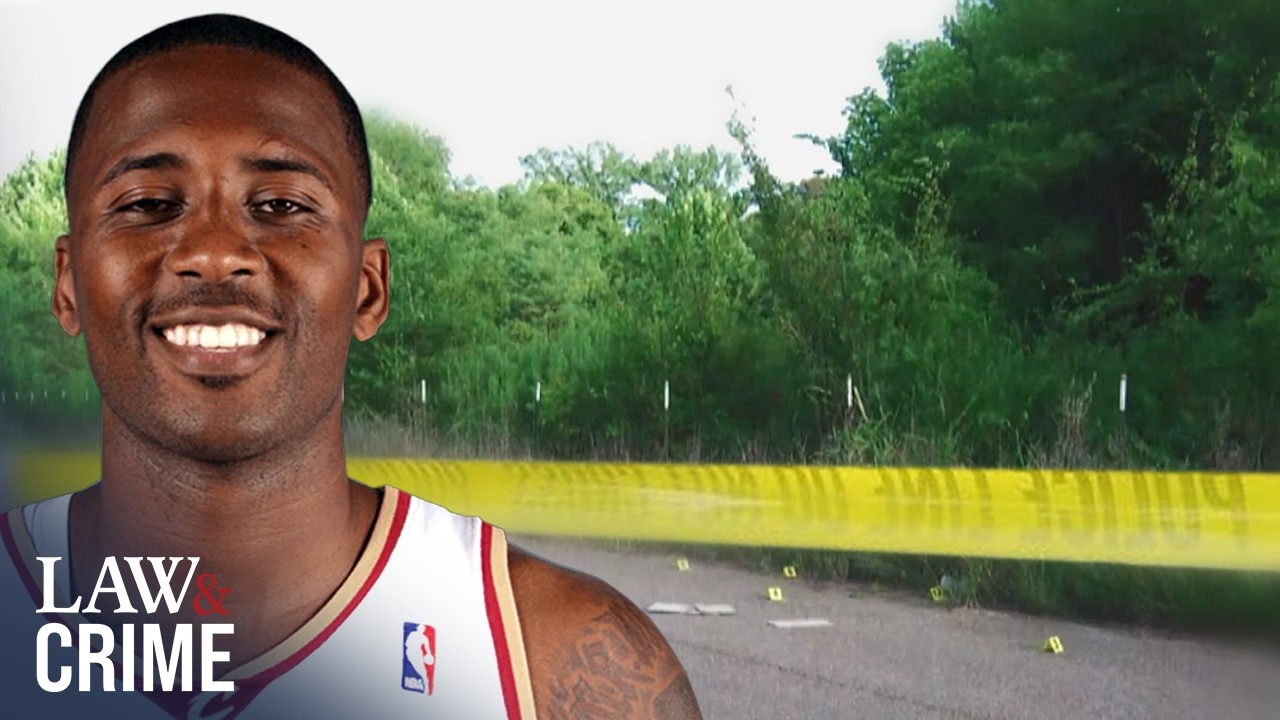
Killer Cases: NBA Star Lured to Execution In Rural Tennessee
"The decade-long cold case of NBA star Lorenzen Wright's murder was cracked through a persistent mother, a jailed informant, and a covert police operation that recovered the murder weapon from a lake and exposed a conspiracy driven by greed."

Amanda Knox and John Ramsey - Megyn Kelly's "Double Feature" of Fascinating Interviews
"This episode features two individuals, Amanda Knox and John Ramsey, whose lives were irrevocably altered by tragic crimes and subsequent wrongful accusations, revealing systemic failures in justice and media manipulation."

TEEN'S DNA REVEALED IN ANNA KEPNER'S R*** KIT
"The investigation into Anna Keaptainner's death on a cruise ship reveals shocking DNA evidence, a previously unknown male minor, and critical questions about evidence handling and family dynamics."

M&M's Employee Steals $26 MILLION (How He Did It)
"This episode details a series of white-collar crimes, from an M&M's sugar expert embezzling $26 million to a fake immigration attorney scamming undocumented immigrants, highlighting vulnerabilities in various systems and the surprising leniency of some sentences."