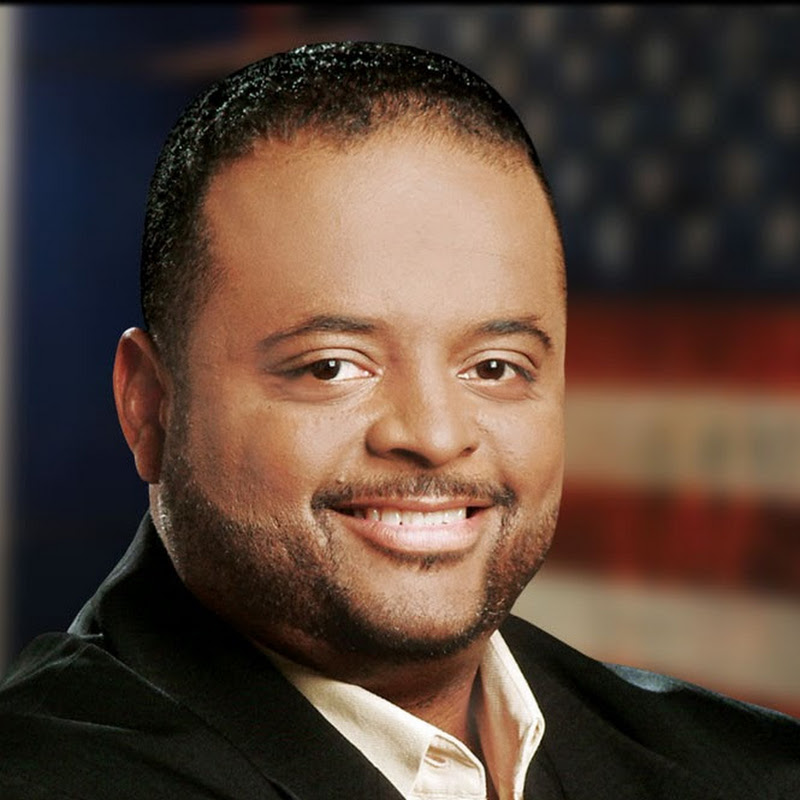
Doug Jones Talks "Bending Toward Justice" and the 1963 Birmingham Church Bombing #RolandsBookClub
YouTube · KGIiWAh95XI
Quick Read
Summary
Takeaways
- ❖The 1963 Birmingham church bombing was a deliberate act of domestic terrorism, targeting a symbol of the Civil Rights Movement.
- ❖America has historically been reluctant to label white perpetrators of violence as 'domestic terrorists,' often reserving the term for foreign actors.
- ❖The prosecution of the Birmingham bombers faced challenges including the passage of time, public apathy, and a last-minute competency motion.
- ❖Community attitude surveys showed overwhelming support across racial lines for prosecuting the cold cases if sufficient evidence existed.
- ❖The U.S. lacks a comprehensive truth and reconciliation process, unlike South Africa, which hinders national healing from historical injustices.
- ❖There is a significant generational gap in understanding the realities of Jim Crow and the Civil Rights Movement, necessitating better education.
- ❖Current efforts to restrict voting access, even if politically motivated, have the same discriminatory effect as past racial animus.
- ❖Political candidates should deliberately address common 'kitchen table issues' shared by poor white and black communities to foster unity.
Insights
1The Birmingham Church Bombing as an Act of Domestic Terrorism
Senator Doug Jones, as the prosecutor, explicitly labeled the 1963 Birmingham church bombing as an act of domestic terrorism during the trials. The church was targeted not randomly, but because it was a central symbol and meeting place for the Civil Rights Movement, including children involved in protests.
Jones stated, "It was an act of domestic terrorism before we really talked about that." He noted the church was targeted because it was a place for mass meetings and where kids had met before facing fire hoses and dogs. (, )
2America's Reluctance to Label White Domestic Terrorism
Both the host and Senator Jones highlight a persistent societal reluctance in the U.S. to label acts of violence committed by white individuals against minority groups as 'domestic terrorism.' This term is often reserved for foreign or non-white perpetrators, creating a double standard that impedes a full understanding and confrontation of historical and ongoing violence.
The host noted, "America has never wanted to call it this. Even now when I say on this show, white domestic terrorist, folks go, 'No, no, no. That was just a guy who killed two people.'" Jones agreed, citing examples like Dylan Roof, the Pittsburgh synagogue shooter, Eric Rudolph, and Timothy McVeigh as clear domestic terrorists. (, , )
3Challenges and Nuances of Prosecuting Historical Civil Rights Cold Cases
Prosecuting decades-old civil rights cases involves unique challenges, including the passage of time affecting evidence and witnesses, managing public and family expectations, and navigating complex legal maneuvers. Jones's team conducted extensive community attitude surveys to ensure broad support for prosecution, focusing on the evidence rather than just 'making a point.'
Jones described the family's patience but realism about time's effect on cases (). He recounted the 'sucker punched' moment when Bobby Frank Cherry's competency motion forced a separation of trials (). Community surveys showed 'overwhelmingly white and black felt like if we had the evidence we should go ahead and prosecute.' ()
4The Absence of Truth and Reconciliation Hinders National Healing
Unlike nations such as South Africa, the United States has never undertaken a comprehensive truth and reconciliation process for its history of racial violence and injustice. This lack of collective public acknowledgment and dialogue is identified as a major impediment to genuine national healing, leaving many black families without justice.
The host stated, "I believe that the reason America will never fully heal is because we never did as a nation what South Africa did." Jones agreed, noting he referenced the need for such a commission when testifying for the Emmett Till bill. (, )
5Connecting Economic Disparities Across Racial Lines for Political Unity
Political candidates should deliberately articulate the shared economic and social challenges faced by poor white and black communities, such as healthcare access, workforce development, and hospital closures. By focusing on these 'kitchen table issues,' politicians can bridge racial divides and build broader coalitions for policy changes like Medicaid expansion.
Jones advocated for candidates to go into communities and talk about shared issues like pre-existing conditions, healthcare, and job security, emphasizing that 'we have so much more in common but we've used the other issues to divide us.' (, )
Bottom Line
The irony of the college admissions scandal (wealthy parents bribing for entry) occurring simultaneously with efforts to simplify the FAFSA form for underserved students highlights systemic inequities in educational access.
This juxtaposition exposes a stark contrast between privileged individuals breaking laws to secure advantages and disadvantaged students struggling with bureaucratic hurdles for basic aid, revealing deep-seated class and racial disparities in opportunity.
Advocates can leverage such scandals to push for comprehensive reforms that address both illegal advantages for the wealthy and systemic barriers for the poor, ensuring more equitable access to higher education.
The 9/11 terrorist attacks inadvertently shifted public perception, making it easier to prosecute decades-old domestic terrorism cases from the Civil Rights era, as the public became more receptive to the idea of tracking down terrorists regardless of how long it takes.
This demonstrates how major national events can dramatically alter public and political will regarding justice for past crimes, creating windows of opportunity for previously stalled legal efforts.
Understanding these shifts allows advocates to strategically time and frame their efforts for historical justice, linking them to contemporary concerns about national security and domestic extremism.
A significant generational gap exists in understanding the realities of Jim Crow laws and the Civil Rights Movement, with younger generations sometimes lacking a full appreciation of the historical context and even misattributing responsibility for events like the church bombing.
This gap indicates a failure in educational systems and public discourse to adequately convey critical historical truths, potentially leading to a diminished understanding of ongoing systemic issues.
There is a clear need and opportunity for enhanced, comprehensive civil rights education in schools and public forums, utilizing firsthand accounts and historical records to ensure future generations grasp the full scope and implications of this history.
Key Concepts
Truth and Reconciliation Commission
A process, exemplified by South Africa, where victims and perpetrators of human rights abuses can share their experiences publicly, aiming for healing and understanding rather than solely criminal prosecution. The podcast suggests America's lack of such a commission hinders its ability to fully heal from racial injustices.
Lessons
- Advocate for the passage and enforcement of legislation like the Civil Rights Cold Case Records Collection Act to ensure historical records are released, fostering healing and understanding.
- Support initiatives that promote comprehensive civil rights education in schools to bridge the generational gap in understanding Jim Crow and the Civil Rights Movement.
- Engage with political candidates who deliberately address shared economic and social issues across racial and class lines, rather than tailoring messages to divide audiences.
- Challenge the double standard in labeling acts of domestic terrorism, insisting that the term be applied consistently regardless of the perpetrator's race or background.
- Participate in local and national efforts to protect and expand voting rights, recognizing that current political motivations can have the same effect as historical racial animus in denying access to the ballot box.
Notable Moments
Senator Jones's personal connection to the Birmingham bombing case, having cut law school classes to watch the first trial in 1977 and knowing the McNair family.
This personal investment highlights the deep emotional and historical weight of the case, underscoring his commitment to justice beyond professional duty.
The 'sucker punched' moment when Bobby Frank Cherry's lawyers filed a competency motion on the eve of trial, forcing the prosecution to separate the cases.
This illustrates the unexpected challenges and strategic maneuvers that can arise in high-stakes legal battles, even decades after the crime, and the resilience required of prosecutors.
The emotional reaction of the jury foreman, a black female, who could barely speak by the fourth guilty verdict in the Blandon trial.
This moment powerfully conveys the profound emotional impact of delivering justice for such a heinous historical crime, not just on the victims' families but on the community and the legal system itself.
Quotes
"It was an act of domestic terrorism before we really talked about that."
"America has never wanted to call it this. Even now when I say on this show, white domestic terrorist, folks go, 'No, no, no. That was just a guy who killed two people.'"
"We can't let these cases bring closure because then you forget about them. If they're closed, they're gone, right? They need to be... It brings healing and that's a great thing, but we can never forget about them."
"I believe that the reason America will never fully heal is because we never did as a nation what South Africa did. That truth and reconciliation commission was so important..."
"The effect is the same. You are still denying folks the right to vote."
Q&A
Recent Questions
Related Episodes

All Roads Lead To the South: Nat’l Day Of Action For Voting Rights | Mass Rally | Montgomery, AL
"A mass rally in Montgomery, Alabama, ignites 'Freedom Summer 2026' to combat the Supreme Court's decimation of Black political power and demand unprecedented voter mobilization across the South."

True-crime cases with recent developments | 48 Hours Full Episodes
"This episode reconstructs four complex true-crime cases, detailing the harrowing searches for missing persons, the challenges of prosecuting murders without bodies, and the enduring quest for justice in cold cases spanning decades."
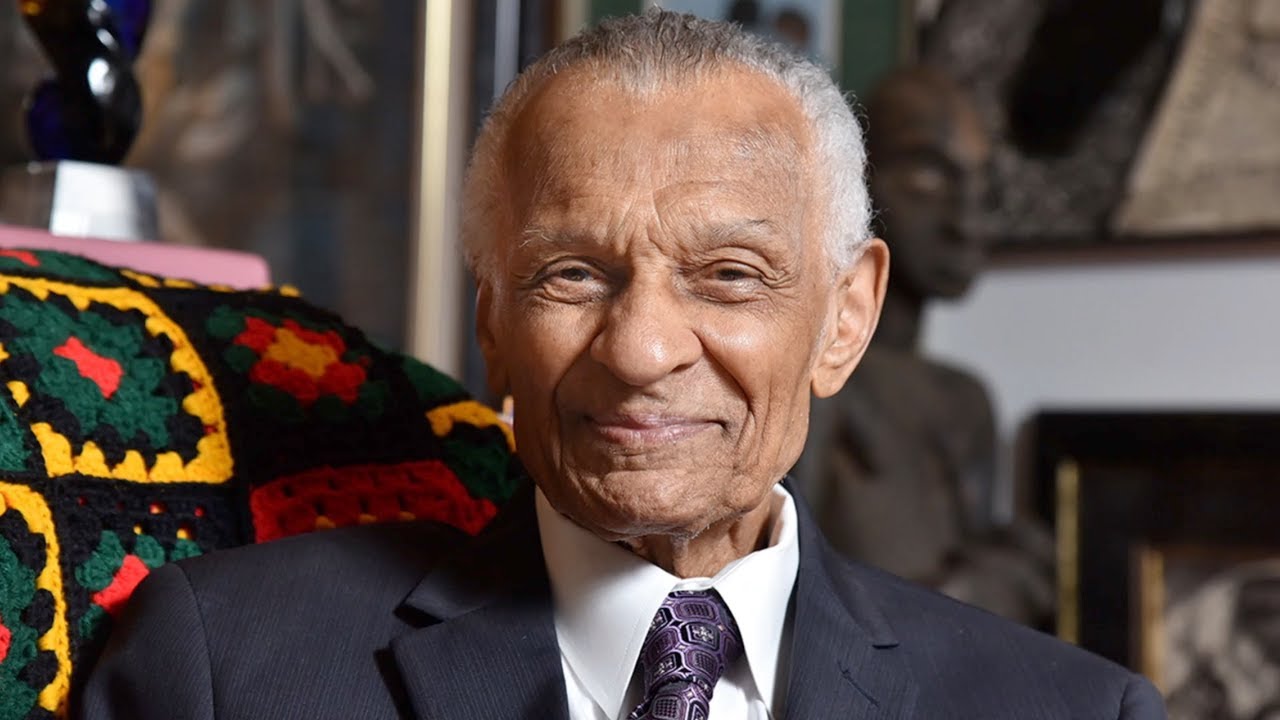
Rev. C.T. Vivian talks MLK and staring death in the face. #MLKDay2026
"Civil Rights icon Rev. C.T. Vivian reflects on a lifetime of struggle, from facing childhood bullies to confronting Jim Clark, and shares his profound insights on the continuous fight for freedom and the true cost of a movement."
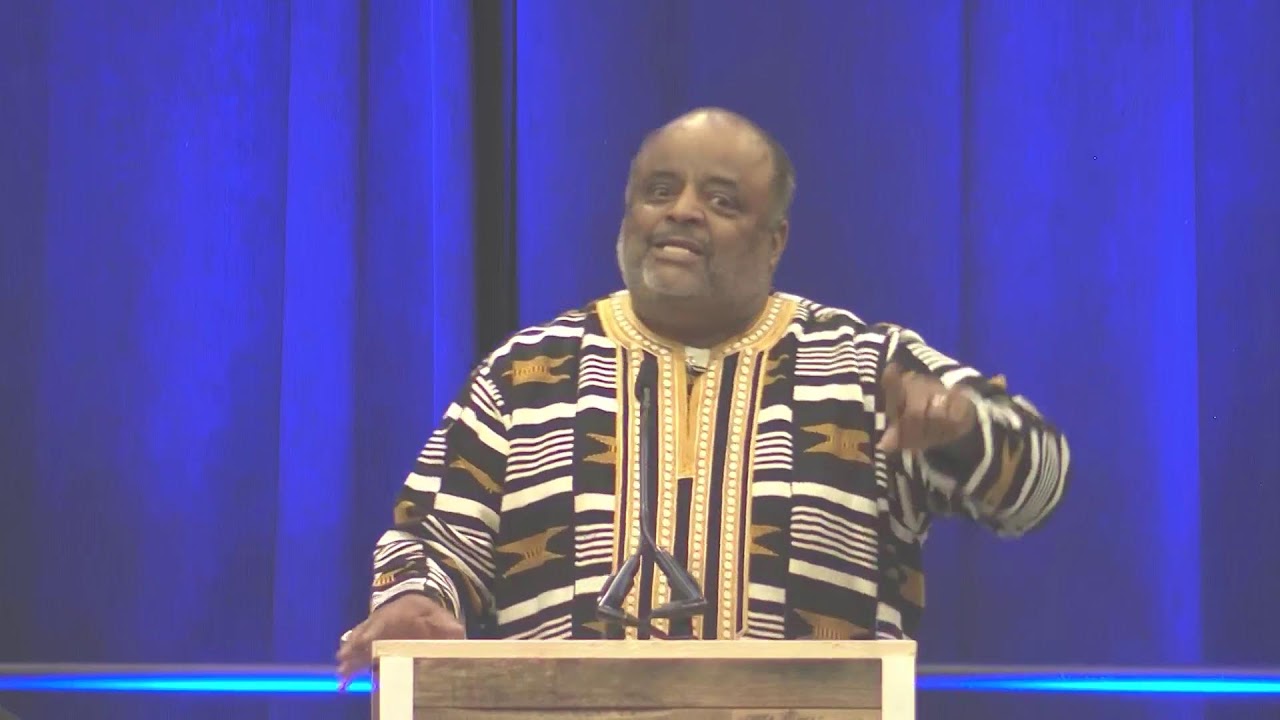
Roland speaks at Columbus Educ. Assoc. MLK Dinner
"Roland Martin challenges the audience at an MLK dinner to move beyond passive celebration and engage in active, sustained political and economic struggle, emphasizing that 'rest time is over' for those seeking real societal change."