European Leaders MELTDOWN IN PANIC CRYING 'END OF NATO' Over Trump Threatening To Take Greenland!
YouTube · LLeGTI2eaQ8
Quick Read
Summary
Takeaways
- ❖Trump's interest in Greenland is driven by national security concerns, specifically countering Russian and Chinese activity in the Arctic.
- ❖European leaders, including Denmark and the UK, are 'triggered' by Trump's stance, threatening NATO's stability.
- ❖The host argues that the US became a superpower through 'conquest' and should continue to assert dominance rather than apologize.
- ❖The 'Donro Doctrine' is presented as a re-establishment of the Monroe Doctrine, asserting US control over the Western Hemisphere.
- ❖The host criticizes the media for 'playing dumb' about the Trump administration's strategic, long-term approach to Venezuela, prioritizing stability over immediate elections.
Insights
1Greenland as a Strategic National Security Asset
Trump's administration views Greenland as a critical strategic asset for US national security, essential for countering increasing Russian and Chinese military and economic activity in the Arctic. The host argues that Denmark is incapable of securing Greenland adequately, making US acquisition a necessity for the broader security of the Western Hemisphere and NATO.
Trump's repeated statements about needing Greenland for national security, citing Russian and Chinese ships in the area. Stephen Miller states, 'Greenland should be part of our overall security apparatus... to secure the Arctic region to protect and defend NATO and NATO interests.'
2European Opposition and NATO Implications
European leaders, including Denmark and the UK, have expressed strong opposition to any US attempt to acquire Greenland, viewing it as a threat to sovereignty and a potential 'end of NATO.' The host dismisses these concerns, arguing that European leaders fail to recognize the greater threat posed by Russia and China in the Arctic, which US control of Greenland would mitigate.
Danish Prime Minister's statement: 'If the US chooses to attack another NATO country militarily, then everything stops, including NATO.' The host refers to European leaders 'melting down' and being 'triggered.'
3Justification of US Dominance and 'Conquest'
The host asserts that the US became a superpower through 'conquest' and 'taking what it wanted,' not pacifism. He advocates for an unapologetic return to this assertive posture, viewing it as a source of national pride and necessary for securing American interests globally. He frames Trump's actions as a re-establishment of the Monroe Doctrine, or 'Donro Doctrine,' for the entire Western Hemisphere.
Host: 'America, we became a superpower through conquest... if we wanted something, we was going to take it.' () 'The white man is at his best when he's, you know, taking over stuff.' () 'The Monroe Doctrine and the Trump doctrine is all about securing the national interest of America.' ()
4Strategic Approach to Venezuela's Transition
The Trump administration's policy in Venezuela, including the removal of a leader, is defended as a 'judicious, thoughtful, careful transition process' aimed at long-term security and stability for both Venezuela and the US. The host criticizes the media for demanding immediate elections or the installation of a specific opposition leader (Machado), arguing such actions would destabilize the country and ignore the complexities of leadership and military backing.
Stephen Miller: 'The objective, Jake, is security and stability for the people of Venezuela.' () 'All Venezuela experts agree that it would be absurd and preposterous for us to suddenly fly her into the country and to put her in charge.' ()
Bottom Line
The host suggests that a lack of 'conquest' or 'taking over stuff' leads to societal problems for 'the white man,' implying that an aggressive foreign policy is a solution to domestic 'boredom' and 'weird stuff.'
This controversial framing connects geopolitical ambition to a perceived psychological need within a specific demographic, suggesting that national assertiveness serves both external strategic goals and internal societal well-being. It implies that a strong, expansionist foreign policy is not just about resources or security but also about national identity and purpose.
This perspective could be leveraged by political strategists seeking to mobilize a base that feels a loss of national pride or purpose, by framing assertive foreign policy as a return to 'what made the country great' and a remedy for internal malaise.
Key Concepts
The Donro Doctrine
An evolution of the Monroe Doctrine, this concept asserts the United States' right to unapologetically take over the Western Hemisphere and secure its interests, reflecting a belief in American superpower dominance and a willingness to act unilaterally.
The 'Bored White Man' Theory of Geopolitics
The host controversially suggests that 'the white man is at his best when he's taking over stuff,' and when 'bored,' he 'gets into weird stuff.' This theory frames historical conquest and colonization as a positive, inherent drive that, when absent, leads to societal issues, and connects Trump's actions to a return to this 'natural' state of American power.
Lessons
- Prioritize long-term national security interests over short-term diplomatic sensitivities, particularly in strategically vital regions like the Arctic.
- Challenge existing international norms and alliances if they are perceived to hinder the assertion of national power or counter threats from adversaries.
- Develop and communicate a clear, multi-stage strategy for regime change or political transitions in foreign nations, emphasizing stability and security over immediate democratic processes, to counter media narratives of incompetence.
Quotes
"We need Greenland from a national security situation. It's so strategic right now. Greenland is covered with Russia and Chinese ships all over the place. We need Greenland from the standpoint of national security. And Denmark is not going to be able to do it."
"America, we became a superpower through conquest... if we wanted something, we was going to take it."
"If the US chooses to attack another NATO country militarily, then everything stops, including NATO, and thus the security that has been established since the end of the Second World War."
"The United States is using its military to secure our interests unapologetically in our hemisphere. We're a superpower and under President Trump, we are going to conduct ourselves as a superpower."
"We don't need to apologize for asserting ourselves as a superpower in our hemisphere. We don't have to do that. We should not do that."
Q&A
Recent Questions
Related Episodes
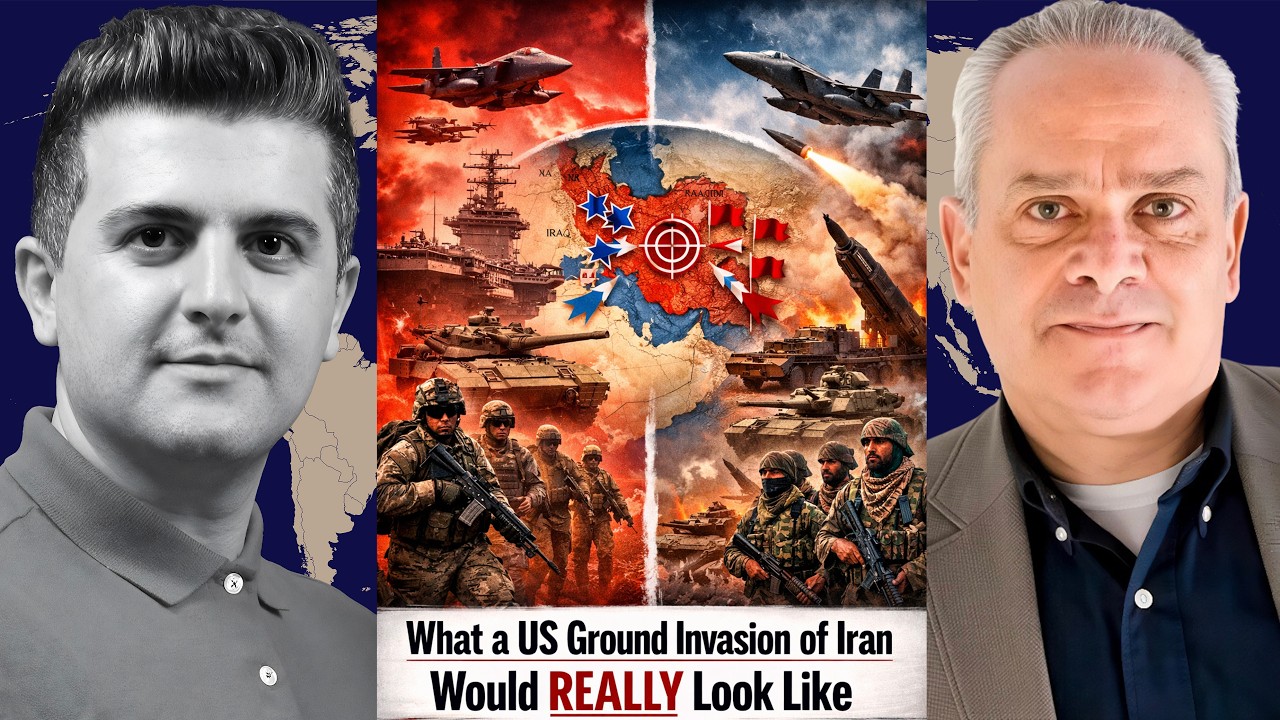
Col. Jacques Baud: What a US Ground Invasion of Iran Would REALLY Look Like
"Colonel Jacques Baud dissects the strategic futility of a US ground invasion of Iran, arguing that current troop levels are insufficient and such an action would backfire, exposing US allies and potentially leading to Iran's nuclearization."

Will Venezuela Be Trump's Vietnam?
"An expert breaks down three perilous pathways for Venezuela under potential US intervention, from a 'Panamanian model' to a 'Libyan-style civil war,' and the broader geopolitical fallout for Latin America."
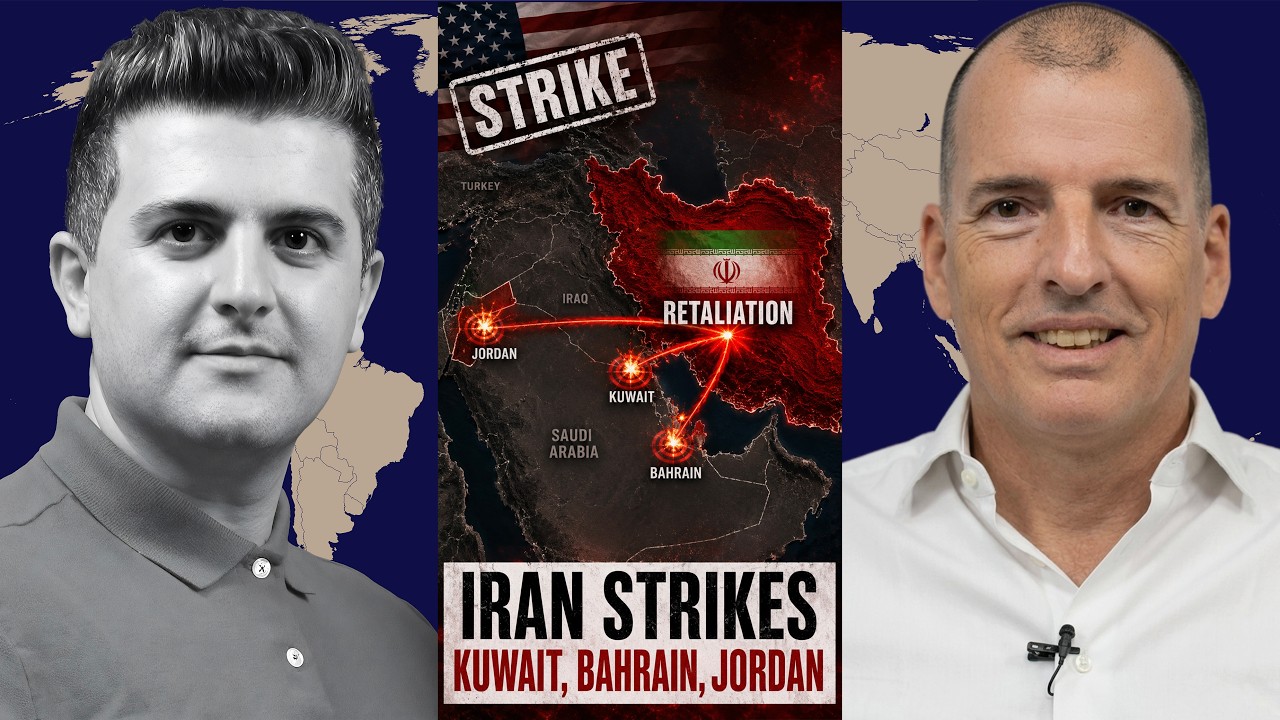
Alex Krainer: US STRIKES Iran – Iran RETALIATES Against Kuwait, Bahrain & Jordan!
"Amidst escalating US-Iran conflict and Iranian retaliation against regional US allies, this episode argues that US foreign policy is deeply controlled by an 'Anglo-Zionist conspiracy' led by the Rothschild banking dynasty, prioritizing Israeli interests over American ones."
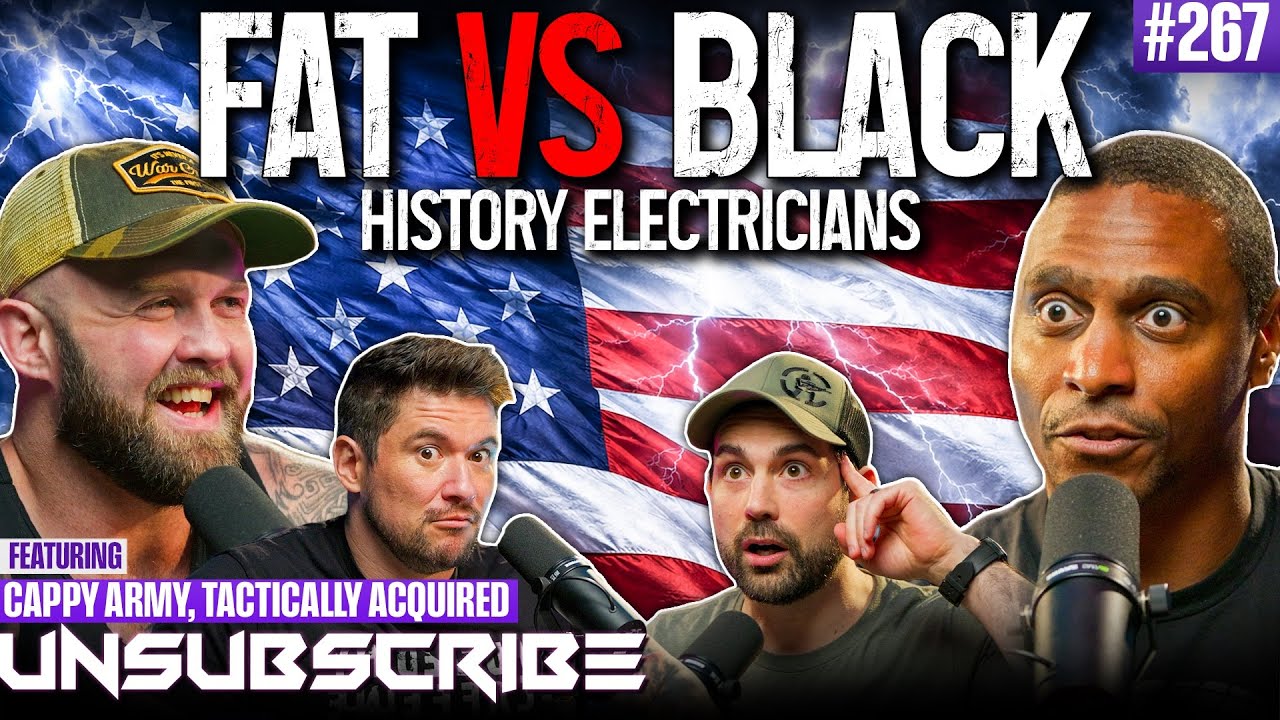
The Fat Electrician Vs Tactically Acquired | Unsubscribe Podcast 267
"This episode features military content creators discussing current geopolitical hotspots, advanced weaponry, and the surprising psychological warfare tactics of modern conflict, alongside their personal journeys building online communities."