Rand Paul DESTROYS Rubio On Venezuela
YouTube · Nf5pwvdk6xo
Quick Read
Summary
Takeaways
- ❖Rand Paul challenged Marco Rubio on the US's double standard regarding 'acts of war' in Venezuela, arguing similar actions against the US would be met with war declarations.
- ❖Marco Rubio would not rule out US-backed regime change in Cuba, citing the Helms-Burton Act.
- ❖Hosts criticized US foreign policy as 'neoconservatism without democracy' and a 'world policeman' approach.
- ❖CNN published a report that simultaneously claimed Maduro accused the CIA 'without evidence' and then stated the CIA 'helped supplant Maduro'.
- ❖The hosts argue that acquiring nuclear weapons is a logical survival strategy for countries facing US pressure, citing North Korea's vindication.
Insights
1Rand Paul's 'Act of War' Challenge to Rubio on Venezuela
Senator Rand Paul pressed Marco Rubio on whether a foreign country bombing US air defenses, capturing its president, and blockading its borders would constitute an act of war. Paul argued that such an operation, even if quick and bloodless, would clearly be an act of war if directed at the US, exposing a perceived double standard in how the US defines its own interventions versus those against it.
Paul's hypothetical scenario to Rubio regarding US response to a foreign power acting similarly to US actions in Venezuela.
2Rubio's Stance on Cuba Regime Change and US Foreign Policy
Marco Rubio declined to rule out US regime change in Cuba, stating that the Helms-Burton Act and the US embargo are codified laws that require regime change to lift sanctions. The hosts interpret this as a continuation of 'neoconservatism without democracy,' where the US acts as a 'world policeman' seeking to overthrow dictators without considering the broader global economic and geopolitical shifts.
Rubio's response to Paul about regime change in Cuba and the hosts' commentary.
3Contradictory CNN Reporting on CIA in Venezuela
The hosts highlighted a CNN report that first stated Venezuelan President Maduro 'repeatedly accusing the agency without evidence of attempting to topple his regime' and then, in the very next paragraph, claimed 'Now, the CIA has helped supplant Maduro.' This contradiction demonstrates a lack of self-awareness in mainstream media regarding US interventionism.
The hosts quoting directly from a CNN report.
4Nuclear Weapons as a Deterrent Against US Intervention
The hosts argue that for countries facing US pressure, acquiring nuclear weapons is the most sensible strategic move to ensure sovereignty and survival. They cite North Korea as a 'vindicated' example, stating that the Kim family's dedication to securing nuclear weapons has protected them from US intervention, despite their dictatorial rule. This logic suggests that non-proliferation is undermined by US foreign policy.
The hosts' analysis of North Korea's strategic logic and the implications for Iran and other nations.
Q&A
Recent Questions
Related Episodes

Will Venezuela Be Trump's Vietnam?
"An expert breaks down three perilous pathways for Venezuela under potential US intervention, from a 'Panamanian model' to a 'Libyan-style civil war,' and the broader geopolitical fallout for Latin America."
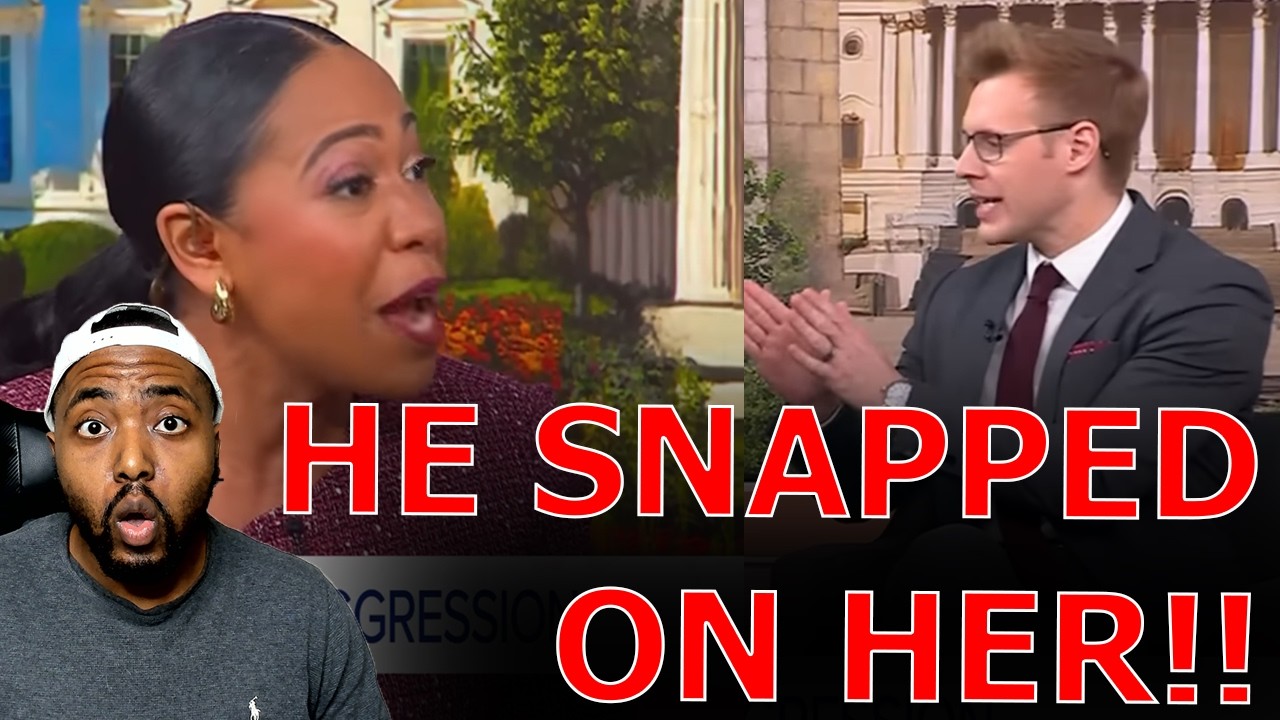
Robby Soave GOES OFF On ANNOYING Liberal Black Woman Making Emotional Trump Deranged Arguments!
"The host dissects a heated foreign policy debate, arguing that 'left-wing' emotionalism and 'Trump derangement' prevent a rational understanding of US sanction strategies against Cuba and Iran."
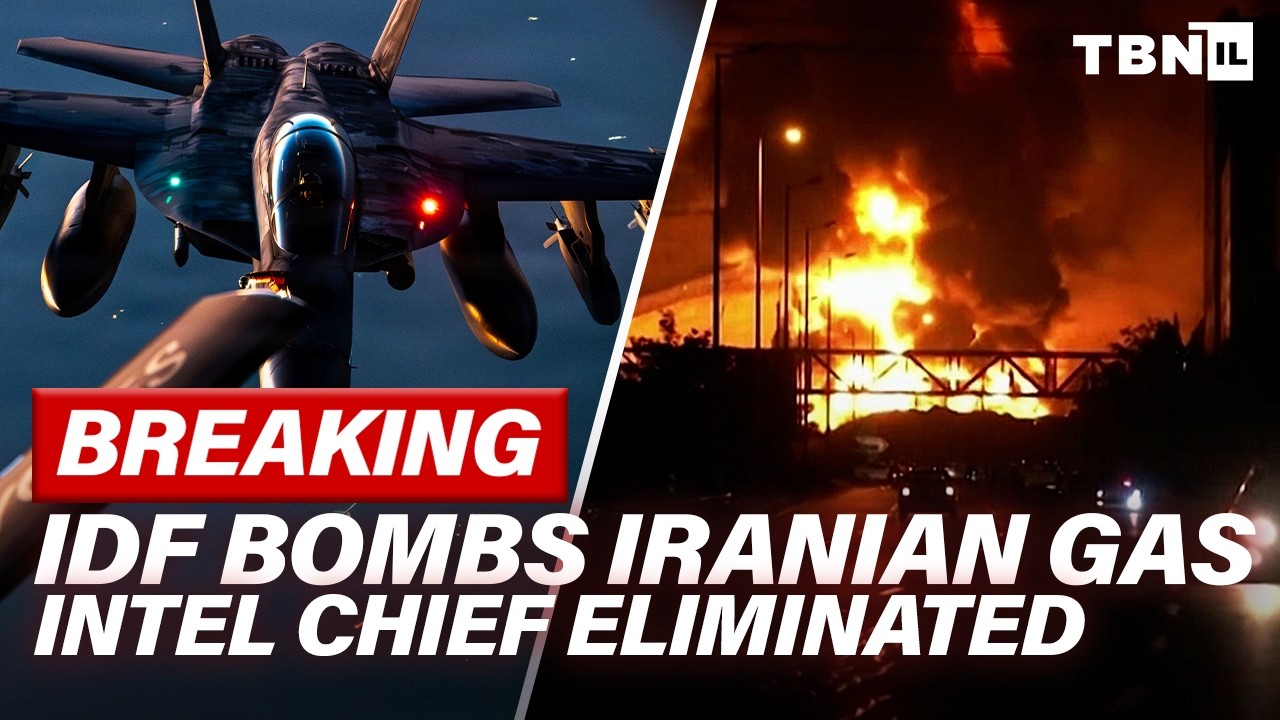
BREAKING: Israel BOMBS Major Iran Gas Site; Top Mullah ELIMINATED; Iran Vows VENGEACE | TBN Israel
"Israel and the United States have escalated their 'Roaring Lion War' against Iran, striking its largest gas facilities, eliminating key intelligence and military figures, and disrupting missile production, while Iran threatens a broader energy war in the Gulf."

🚨 THEY F*CKED AROUND FOR THE LAST TIME 😭😭😭
"This episode unleashes a torrent of highly opinionated commentary on the US-Iran deal, Israel's role, and a scathing critique of 'leftist' policies and immigration, particularly highlighting the UK grooming gang report as evidence of Western societal decay."