BREAKING: U.S. UNLEASHES Strikes On Iran; Revolutionary Guards Fire Back | TBN Israel
YouTube · OI9kmw-cuvQ
Quick Read
Summary
Takeaways
- ❖The U.S. conducted extensive strikes on Iranian military targets in response to an Apache helicopter being shot down, targeting air defense systems and radar sites.
- ❖Iran's Revolutionary Guards launched counter-attacks with missiles and drones against U.S. bases in the Gulf and Jordan, with most intercepted.
- ❖Israel's prior neutralization of Iranian air defenses significantly aided the U.S. in its strikes, demonstrating strategic coordination.
- ❖The rescue of the Apache pilots by an AI-powered Saronic Corsair autonomous vessel marked its first real-time combat rescue, showcasing new military technology.
- ❖Diplomatic efforts for a nuclear deal with Iran are ongoing, even as military hostilities intensify, focusing on uranium enrichment, stockpiles, site dismantling, and inspections.
- ❖Analysts view Iran's recent aggressions as 'testing the waters' to understand U.S. and Israeli red lines and rules of engagement.
- ❖Iran's leadership is seen as increasingly fragmented, with hardline IRGC factions driven by religious motivations (12th Imam) pushing for continued conflict.
- ❖Iran uses a 'systemic' approach to conflict, activating proxies like Houthis in Yemen, Hezbollah in Lebanon, and Kurdish opposition in Iraq across various fronts.
Insights
1U.S. Strikes on Iran and Israeli Pre-emptive Action
The U.S. launched two waves of strikes against Iranian air defense systems, radar sites, and ground control stations in response to Iran downing an American Apache helicopter. Crucially, Israel had previously neutralized Iranian air defenses, creating a 'wider freedom of action' for the subsequent U.S. attacks.
The U.S. struck multiple locations in Iran with hundreds of munitions. Israel's Air Force 'neutralized within minutes the air defensive systems that the Iranians had tried to restore,' leaving Iran 'almost completely exposed' and making things 'much easier for the United States.'
2AI-Powered Autonomous Vessel for Combat Rescue
The two pilots of the downed Apache helicopter were rescued by a Saronic Corsair unmanned autonomous vessel, part of the U.S. Navy's Task Force 59. This unit, established in 2021 by Admiral Brad Cooper, is entirely based on artificial intelligence and deployed new hardware in the Middle East in March, making this its first real-time human rescue under fire.
The pilots were rescued by a 24-ft unmanned autonomous vessel of the Saronic Corsair type... belonged to the Task Force 59, the first operational unit in the history of the United States and its Navy that is based entirely on artificial intelligence... this is the first time they have been used for a real-time human rescue under fire.
3Iran's 'Testing the Waters' Strategy
Iran's recent aggressive actions, including attacks on U.S. forces and threats to shipping, are interpreted as a deliberate strategy to 'test the waters' and determine the U.S. and Israeli willingness to respond. This allows Iran to understand the rules of engagement and the limits of its adversaries.
Mati Shoshani states, 'Iran is trying to figure out what the US is willing to do to stop them, what Israel is willing to do to stop them. I think we should look at everything that's happened in the last week through the angle of Iran testing the waters.'
4Paradox of Concurrent Conflict and Diplomacy
Despite active military strikes and counter-strikes between the U.S. and Iran, diplomatic negotiations for a nuclear deal continue. The U.S. aims for a long-term agreement addressing uranium enrichment, stockpiles, nuclear site dismantling, and snap inspections, even as hostilities escalate.
On the one hand, the American president ordered strikes inside Iran. On the other hand, he continues to say that he believes there will still be a deal coming up... At the center of the negotiations, we have four main nuclear issues.
Bottom Line
The successful combat rescue by an AI-powered autonomous vessel (Saronic Corsair) signals a significant shift in military capabilities, demonstrating AI's immediate, life-saving utility in high-risk environments.
This event validates the operational effectiveness of AI in military applications beyond surveillance or attack, potentially accelerating the adoption of autonomous systems for critical support roles and reducing human risk in dangerous situations.
Defense contractors and AI developers have a clear case study for expanding AI applications in logistics, reconnaissance, and rescue operations, creating new markets for advanced autonomous platforms and AI integration services.
Iran's strategy of 'systemic warfare' across multiple proxies (Houthis, Hezbollah, Iraqi Kurds) and geographical areas (Red Sea, Gulf, Lebanon, Iraq) aims to create a complex, multi-front pressure campaign, making de-escalation difficult and costly.
This approach forces adversaries to respond on multiple fronts, diluting their resources and attention, and complicates any singular military or diplomatic solution, perpetuating regional instability.
Intelligence agencies and geopolitical strategists need to develop integrated, multi-domain response frameworks that account for Iran's networked proxy strategy, rather than treating each conflict as isolated. This also highlights the need for robust international coalitions to counter such diffuse threats.
Key Concepts
Testing the Waters
Iran's recent aggressive actions, including attacking a U.S. helicopter and threatening shipping, are interpreted as attempts to probe the U.S. and Israeli responses to establish new rules of engagement and red lines in the escalating conflict.
Fragmented Leadership
The Iranian regime is characterized by a split leadership, with the zealous Revolutionary Guards (IRGC) pursuing a religiously motivated 'holy war' agenda, often at odds with civil leadership and complicating diplomatic negotiations.
Systemic Warfare
Iran views the Middle East as one interconnected battlefield, where an attack in one area (e.g., southern Iran) can be retaliated against in another (e.g., an American base in Jordan) using various proxies and fronts (e.g., Houthis, Hezbollah, Iraqi Kurds).
Lessons
- Monitor global shipping and oil markets closely for volatility, as Houthi threats in the Red Sea and Iranian actions in the Strait of Hormuz directly impact trade routes and energy prices.
- Track the development and deployment of AI-powered autonomous military systems, particularly for rescue and support roles, as their proven effectiveness in combat zones will likely accelerate their integration into modern defense strategies.
- Analyze statements and actions from both U.S. and Iranian leadership, distinguishing between military responses and diplomatic overtures, to understand the complex, often contradictory, nature of current geopolitical engagement.
Notable Moments
Israel's Air Force neutralizes Iranian air defenses, facilitating subsequent U.S. strikes.
This unpublicized action by Israel provided a critical advantage to the U.S., demonstrating a deeper level of strategic coordination and pre-emptive capability that directly impacted the effectiveness of the American response.
The rescue of downed Apache pilots by an AI-powered autonomous vessel.
This marks a significant milestone in military technology, showcasing the first real-time human rescue under fire by an entirely AI-based operational unit, highlighting the evolving role of AI in combat and potentially setting a precedent for future rescue operations.
Quotes
"Iran is trying to figure out what the US is willing to do to stop them, what Israel is willing to do to stop them. I think we should look at everything that's happened in the last week through the angle of Iran testing the waters."
"We're watching a considerably weaker regime in Iran. It's no longer one leadership... Day by day, the leadership in Iran is becoming more and more split."
"Air strikes of this type of magnitude, of tactical air strikes, do not bring down the Iranian regime, regardless of the if they go on for another 3 months. They don't bring down the Iranian regime."
Q&A
Recent Questions
Related Episodes
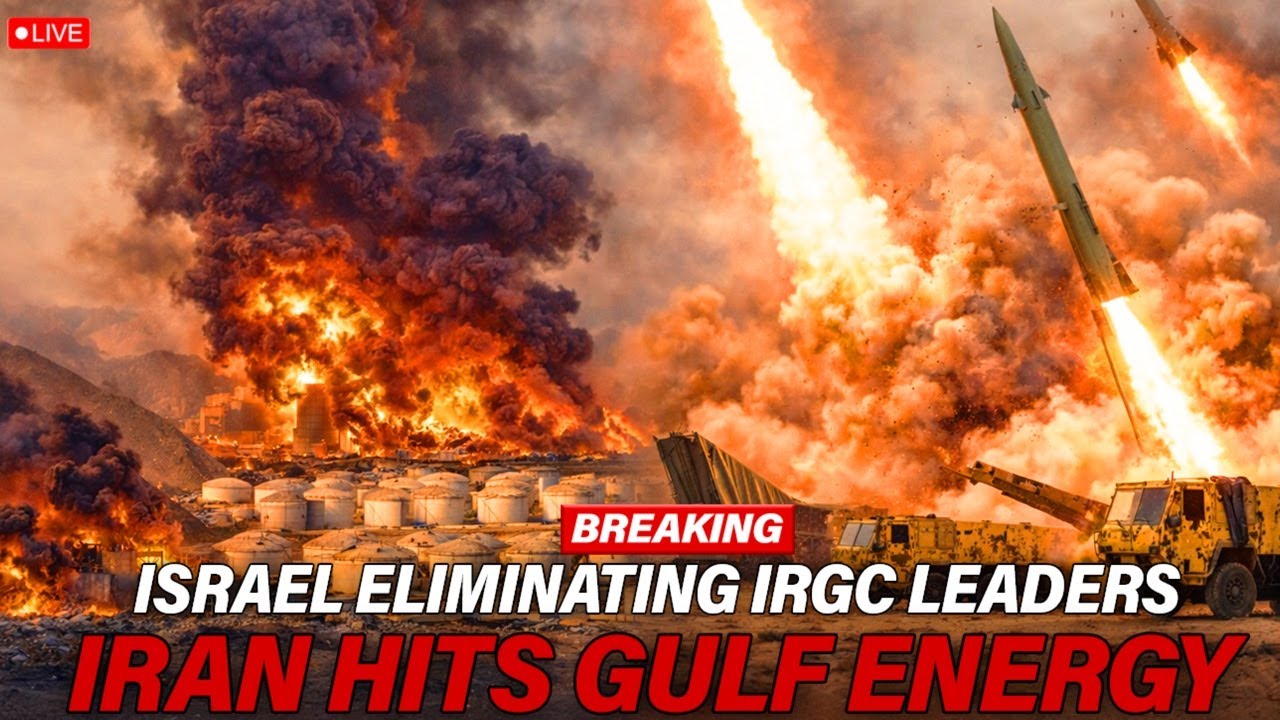
BREAKING: U.S. Weighs INVADING Iran Oil Island; Gulf Energy Crisis Grows | TBN Israel
"As the US and Israel systematically dismantle Iran's military and leadership, the conflict escalates into an energy war, with the US considering ground invasion of Iran's critical Karag oil island to secure global oil routes."
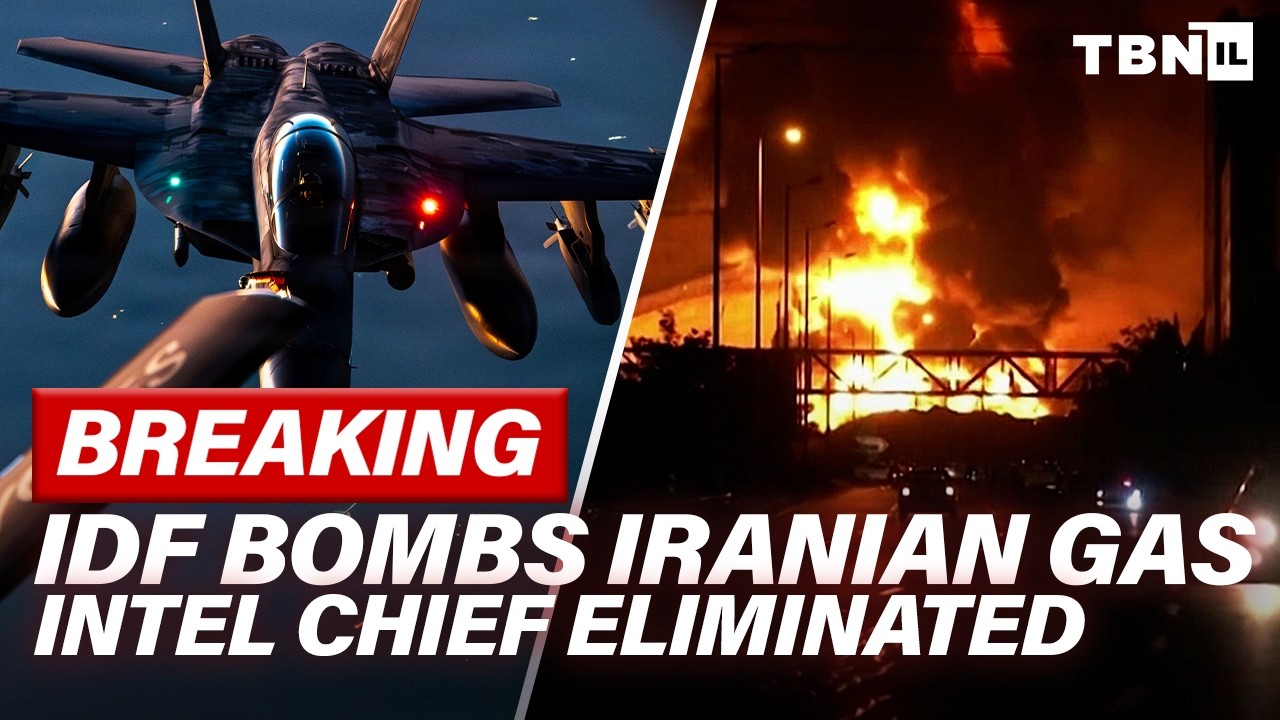
BREAKING: Israel BOMBS Major Iran Gas Site; Top Mullah ELIMINATED; Iran Vows VENGEACE | TBN Israel
"Israel and the United States have escalated their 'Roaring Lion War' against Iran, striking its largest gas facilities, eliminating key intelligence and military figures, and disrupting missile production, while Iran threatens a broader energy war in the Gulf."
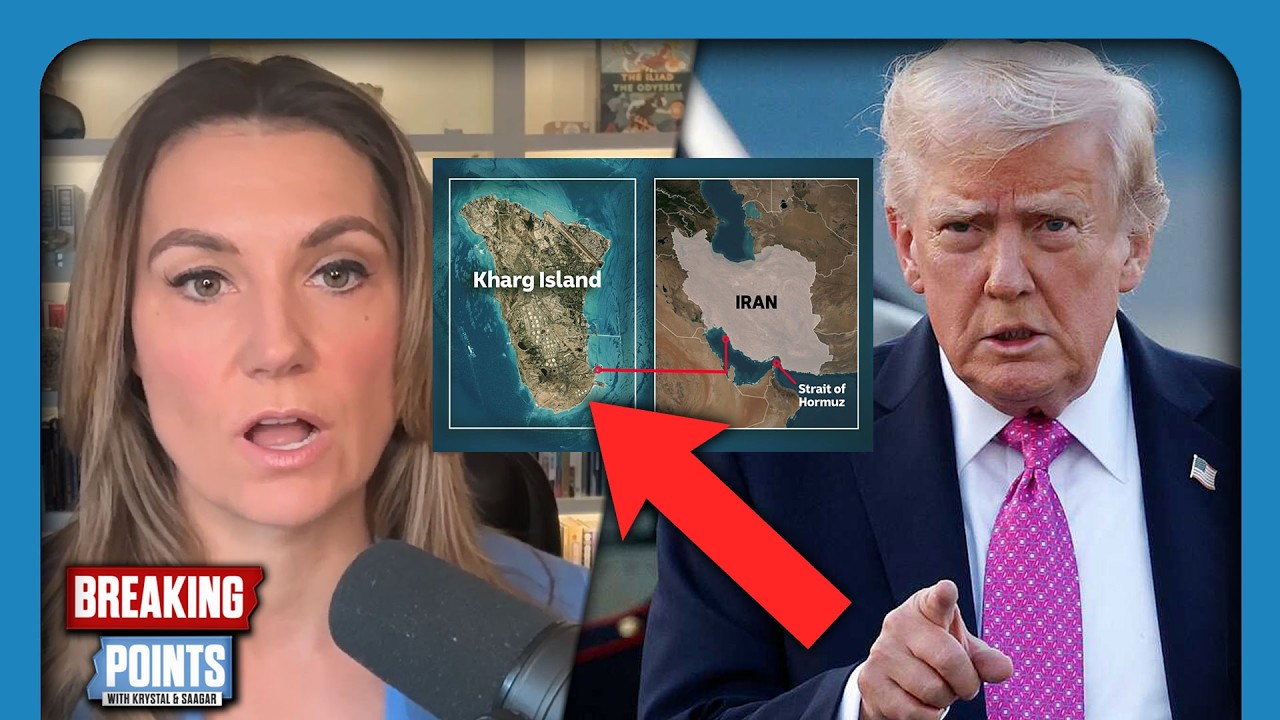
BREAKING: TRUMP ATTACKS OIL ISLAND, MARINES CALLED IN, 5 US PLANES HIT
"The US-Iran conflict escalates with a Trump-ordered strike on Iran's Karg Island, triggering Iranian retaliation against UAE oil facilities and US military assets, while the US deploys Marines and Israel plans a ground invasion of Lebanon."

BREAKING: Iran Threatens To END Talks; U.S. Vows Retaliation; Hezbollah Collapsing? | TBN Israel
"Iran is leveraging Hezbollah and the Strait of Hormuz to manipulate US negotiations, while Israel asserts its right to dismantle Hezbollah's eroding but still dangerous infrastructure in Lebanon, independent of international talks."