BREAKING: U.S. B-2 Strike Hits IRGC Command; Trump Deadline Nears | TBN Israel
YouTube · WrpDlJ8WAew
Quick Read
Summary
Takeaways
- ❖US B-2 bombers deployed GBU-57 'bunker busters' to destroy a secret underground Revolutionary Guards leadership bunker, reportedly eliminating a significant portion of their command structure.
- ❖Israel launched extensive strikes on Iranian military airfields, ballistic missile complexes, and petrochemical facilities vital for explosive and missile production, aiming to cripple Iran's war industry and economic exports.
- ❖Former President Trump issued an ultimatum to Iran, demanding a deal on its nuclear program and free passage through the Strait of Hormuz by an 8 PM deadline, threatening to destroy all power stations and bridges if unmet.
- ❖Iran rejected a temporary ceasefire, hardening its position on uranium enrichment and ballistic missiles, and using the Strait of Hormuz to exert economic pressure on the West.
- ❖Iran faces a leadership vacuum, with its Supreme Leader reportedly hospitalized and unconscious, leading to fragmented communication and decision-making within the regime.
- ❖The US rescue mission for a downed American navigator in Iran involved 155 aircraft and simultaneous B-1 bomber strikes to clear access routes, demonstrating overwhelming air superiority and operational complexity.
Insights
1US B-2 Bomber Strike Decimates IRGC Leadership
American B-2 stealth bombers, using GBU-57 'Massive Ordnance Penetrator' (MOAB) bunker busters, destroyed a secret underground Revolutionary Guards command complex near Tehran. This precision strike, conducted during a rescue operation for a downed American navigator, reportedly eliminated a large part of the IRGC's chain of command.
B2 bombers destroyed the secret bunker of the top leadership of the revolutionary guards in Iran... the United States delivered a crushing blow to a secret bunker used by the Iranian leadership using the mother of all bunker busters with the B2. (, ) ...American B2 bombers dropped heavy JBU57 bombs known as the mother of all bunker busters on an underground revolutionary guards complex. A senior American official testified that a large part of the chain of command was eliminated. (, )
2Trump's Ultimatum and Threat of Devastating Strikes
Former President Trump issued a deadline for Iran to agree to terms by tomorrow at 8:00 p.m. Eastern time. He threatened that if no agreement is reached, every power station in Iran would be shut down and every bridge destroyed within four hours. The primary objective for Trump is preventing Iran from obtaining nuclear weapons and ensuring free movement through the Strait of Hormuz.
Trump opened the day with a sharp statement on Iran and said basically they have until tomorrow at p.m. () ...if no agreement is reached by tomorrow, within four hours, every power station in Iran will be shut down and every bridge will be destroyed. () ...We will never allow Iran to obtain nuclear weapons. These are dangerous and sick people. ()
3Israel's Economic Chokehold and Infrastructure Targeting
Israel launched wide-ranging strikes targeting Iran's military industry and critical infrastructure. This included hitting airfields, ballistic missile complexes, and petrochemical facilities (like the Shiraz nitric acid plant and South Far at Ailuyak, responsible for 85% of petrochemical exports). The IDF also issued an unusual warning to Iranian civilians to avoid trains, indicating preparations to target railway bridges and internal transportation routes to paralyze the regime's ability to move forces and equipment.
The Israeli Air Force struck strategic revolutionary guards targets in Iran overnight... () ...IDF spokesperson to the Iranians, the warning stated, 'Dear citizens, for your safety, we ask that you avoid using and traveling by train across Iran from now until p.m. Iran time.' () ...In Shiraz, a prochemical facility producing nitric acid was struck, a material essential for manufacturing explosives and for ballistic missiles development processes. () ...the two central facilities responsible together for about 85% of Iran's prochemical exports were put out of operation. ()
4Iran's Leadership Vacuum and Fragmented Communication
Iran is experiencing a significant leadership vacuum, with its Supreme Leader reportedly hospitalized, unconscious, and unfit to rule. This internal instability contributes to communication difficulties in negotiations, as multiple voices emerge from the regime, making it challenging for mediators to get a clear, unified response. The Revolutionary Guards are effectively making decisions in practice.
Iran is in a vacuum of leadership. Iran Supreme Leader Muchi is hospitalized unconscious in the city of K. () ...The biggest problem that we have in the negotiations is that they cannot communicate. () ...my guess right now is is that there is no one leader. Is that there's several different bodies that are sort of fighting for power, communicating loosely between them... ()
5Iran's Strategic Use of Strait of Hormuz
Iran continues to use the Strait of Hormuz as a global pressure point, blocking tanker passages and worsening the world's LNG shortage. Its strategy is to leverage economic pressure to force the US administration to back down on the nuclear issue, viewing uranium enrichment and ballistic missiles as non-negotiable red lines.
Iran blocked tankers in the passage through Hormuz after the Israeli strike on the prochemical plant. Two Qatari tankers were supposed to pass through the straits of Hormuz... () ...The Iranian plan shows that the use of the Straight of Hormuz as a tool of economic pressure is meant to force the Donald Trump administration to back down on the nuclear issue. () ...In Thran, they make it clear that uranium enrichment and ballistic missiles are a red line that is not up for discussion. ()
Bottom Line
The US has unique, long-range, stealth bomber capabilities (B-2) combined with specialized bunker-busting munitions (GBU-57 MOAB) designed specifically for deeply buried Iranian nuclear facilities, a capability unmatched globally.
This demonstrates an overwhelming technological and logistical superiority that allows the US to project power and neutralize deeply entrenched threats anywhere in the world, making Iran's underground defenses vulnerable.
Other nations reliant on the US for security, particularly in the Middle East and Europe, are being pressured to increase their defense spending and military contributions, creating opportunities for defense contractors and shifts in global military alliances and burden-sharing.
Iran's regime operates from a 'messianic perception of victory,' prioritizing symbolic survival and ideological defiance over conventional cost-benefit analysis, even at the cost of destruction.
This non-Western strategic calculus means Iran is unlikely to 'blink' or seek a ceasefire easily, even under immense military and economic pressure, prolonging conflicts and increasing volatility.
Understanding this mindset is critical for policymakers to avoid miscalculations. It suggests that purely punitive military actions may not achieve desired diplomatic outcomes without addressing underlying ideological drivers or creating internal pressure points that challenge the regime's narrative of 'victory'.
Key Concepts
Decapitation Strike
A military strategy focused on eliminating the leadership and command structure of an adversary to disrupt their ability to wage war or make decisions. This was evidenced by the US B-2 strike on the IRGC bunker and Israeli assassinations of senior Iranian officials.
Economic Chokehold
Applying economic pressure to an adversary by targeting critical financial resources, infrastructure, or trade routes. Israel's strikes on petrochemical facilities and the potential targeting of railway infrastructure, alongside Iran's use of the Strait of Hormuz, exemplify this model.
Psychological Warfare (Trump's Approach)
Using rhetoric, threats, and public statements to influence the morale, decision-making, and public perception of an adversary and global markets. Trump's contradictory statements (threats of destruction vs. 'negotiations going well') and focus on market stability illustrate this.
Messianic Perception of Victory
A mindset where an adversary prioritizes symbolic survival or ideological goals over conventional cost-benefit analysis, viewing even destruction as a form of victory if core principles are maintained. This is attributed to the Iranian regime's approach to the conflict.
Lessons
- Monitor global energy markets closely, as Iran's continued use of the Strait of Hormuz as economic leverage can cause significant volatility in crude oil and LNG prices.
- Observe the internal dynamics within Iran, particularly reports on the Supreme Leader's health and the Revolutionary Guards' consolidation of power, as this directly impacts the regime's decision-making and potential for instability.
- Analyze the evolving US and Israeli military strategies, noting the shift from targeting launchers to decapitation strikes and economic infrastructure, which indicates a more aggressive and comprehensive campaign against Iran's state functionality.
Quotes
"B2 bombers destroyed the secret bunker of the top leadership of the revolutionary guards in Iran during the operation to rescue the American navigator. And the United States delivered a crushing blow to a secret bunker used by the Iranian leadership using the mother of all bunker busters with the B2."
"An important step, but not good enough. The war is about one thing, the nuclear program."
"Over the past weekend, American B2 bombers dropped heavy JBU57 bombs known as the mother of all bunker busters on an underground revolutionary guards complex. A senior American official testified that a large part of the chain of command was eliminated."
"If no agreement is reached by tomorrow, within four hours, every power station in Iran will be shut down and every bridge will be destroyed."
"We will never allow Iran to obtain nuclear weapons. These are dangerous and sick people."
"The GBU57 is a bomb. It's about 20 feet long. It weighs about 13 metric tons... it's meant to penetrate very deep in the soil. How deep? At least 60 m... which can include several layers of hardened concrete."
"The biggest problem that we have in the negotiations is that they cannot communicate. I said to Steve, what are they saying? Steve said, 'Sir, they cannot communicate. They have no means of communications. So, we are communicating the way that they communicated 2,000 years ago with children carrying notes back and forth.'"
"The regime in Tehran operates from a mindset in which simple survival against the United States and Israel already counts as an achievement. In their logic, if the house burns down, but the flag is still left on the roof, that can still be sold as victory."
Q&A
Recent Questions
Related Episodes
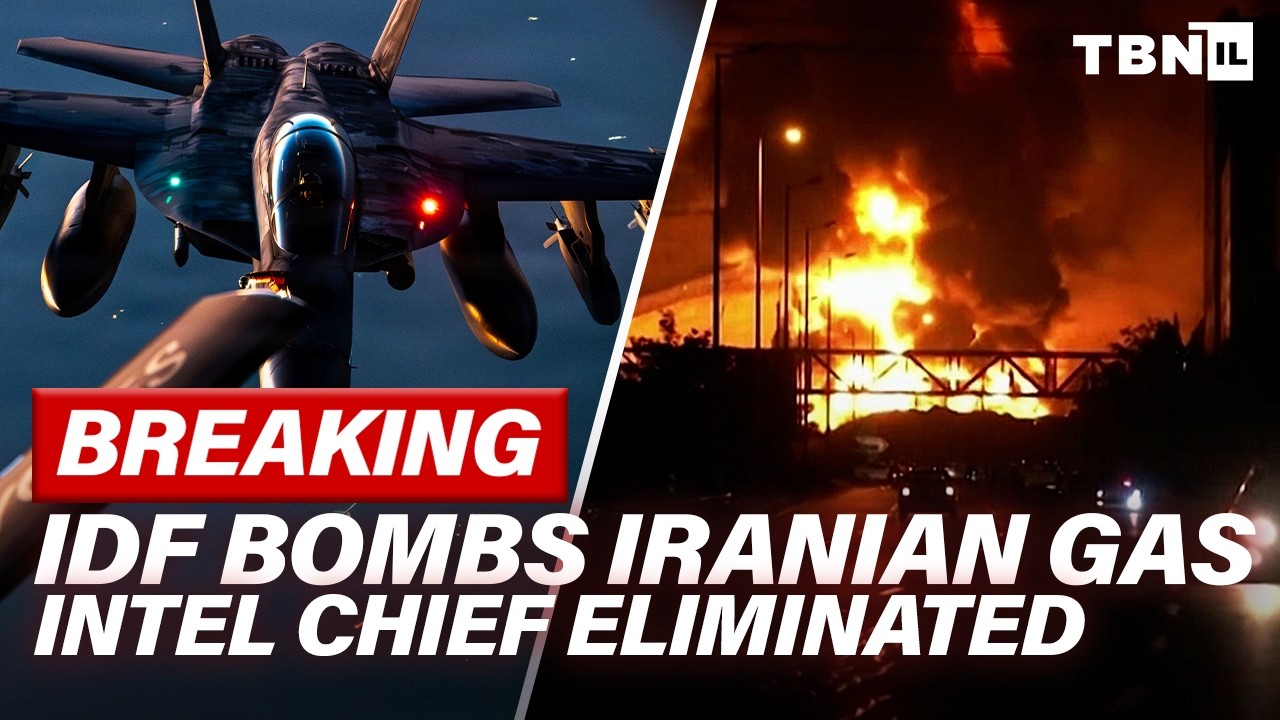
BREAKING: Israel BOMBS Major Iran Gas Site; Top Mullah ELIMINATED; Iran Vows VENGEACE | TBN Israel
"Israel and the United States have escalated their 'Roaring Lion War' against Iran, striking its largest gas facilities, eliminating key intelligence and military figures, and disrupting missile production, while Iran threatens a broader energy war in the Gulf."
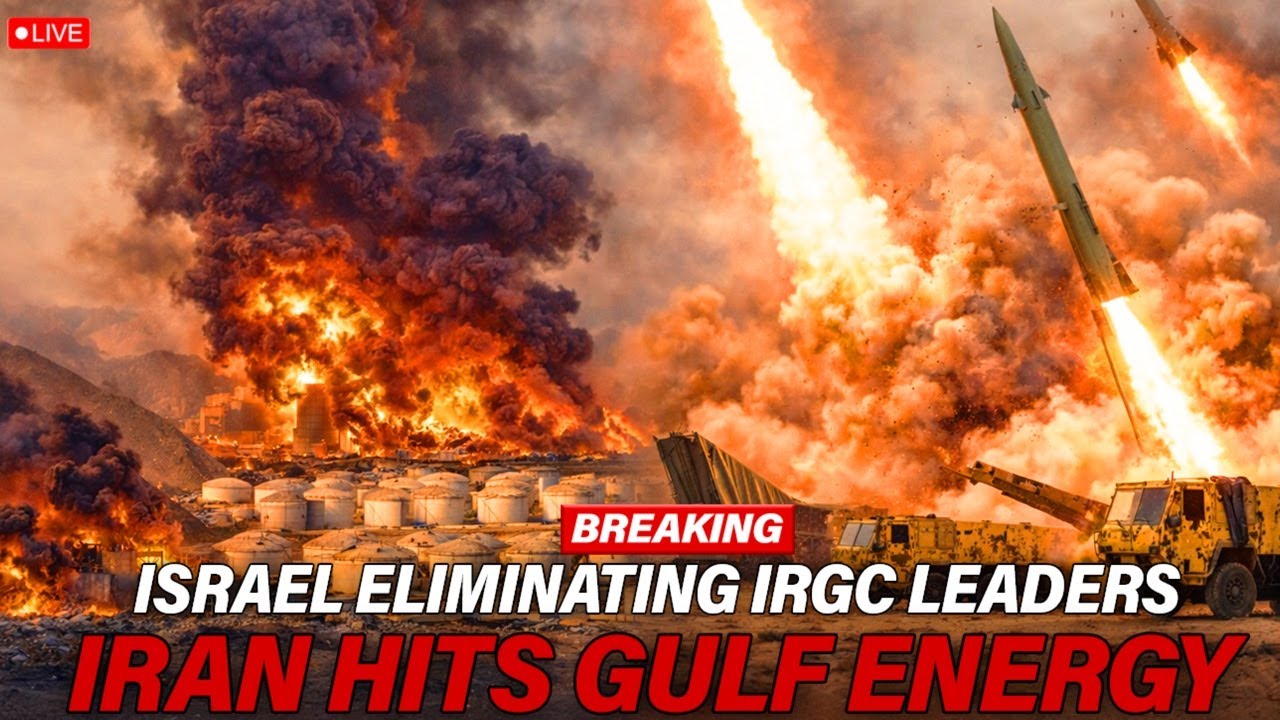
BREAKING: U.S. Weighs INVADING Iran Oil Island; Gulf Energy Crisis Grows | TBN Israel
"As the US and Israel systematically dismantle Iran's military and leadership, the conflict escalates into an energy war, with the US considering ground invasion of Iran's critical Karag oil island to secure global oil routes."
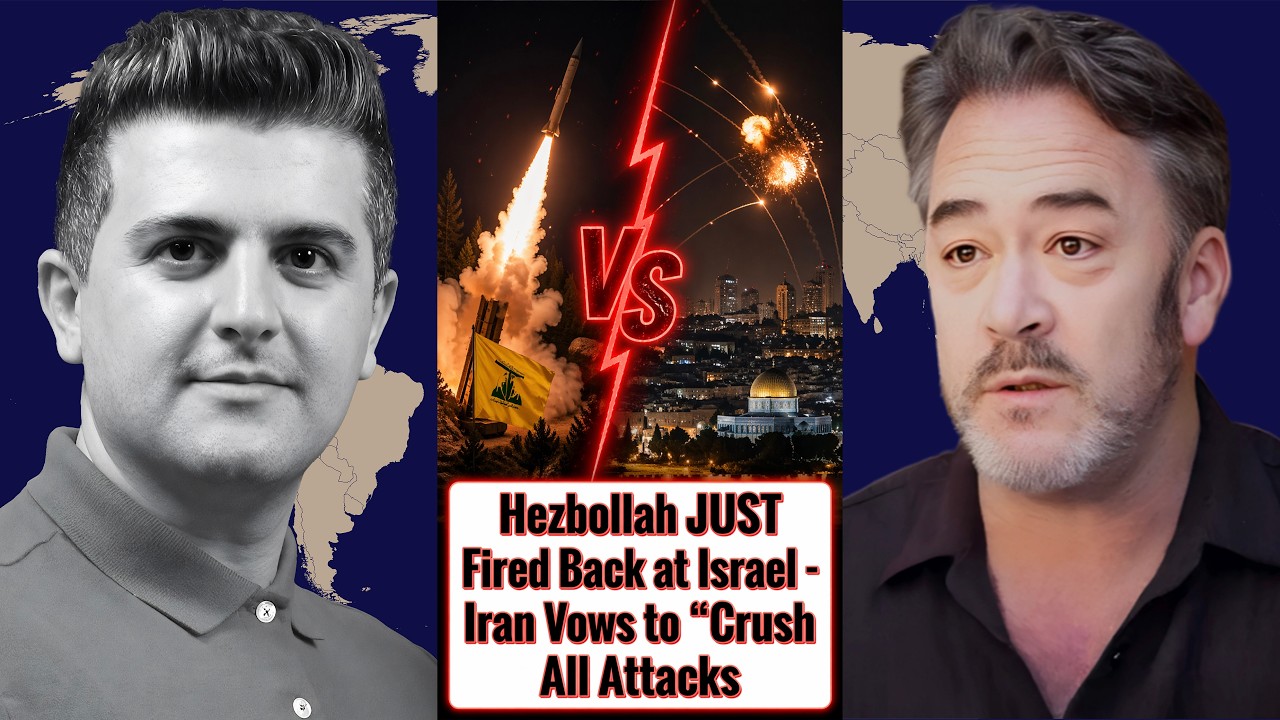
Patrick Henningsen: Hezbollah JUST Fired Back at Israel - Iran Vows to “Crush” All Attacks
"Patrick Henningsen argues that the US and Israel initiated an illegal war against Iran, driven by Trump's incompetence and Israeli influence, leading to an inevitable escalation with severe global economic repercussions."
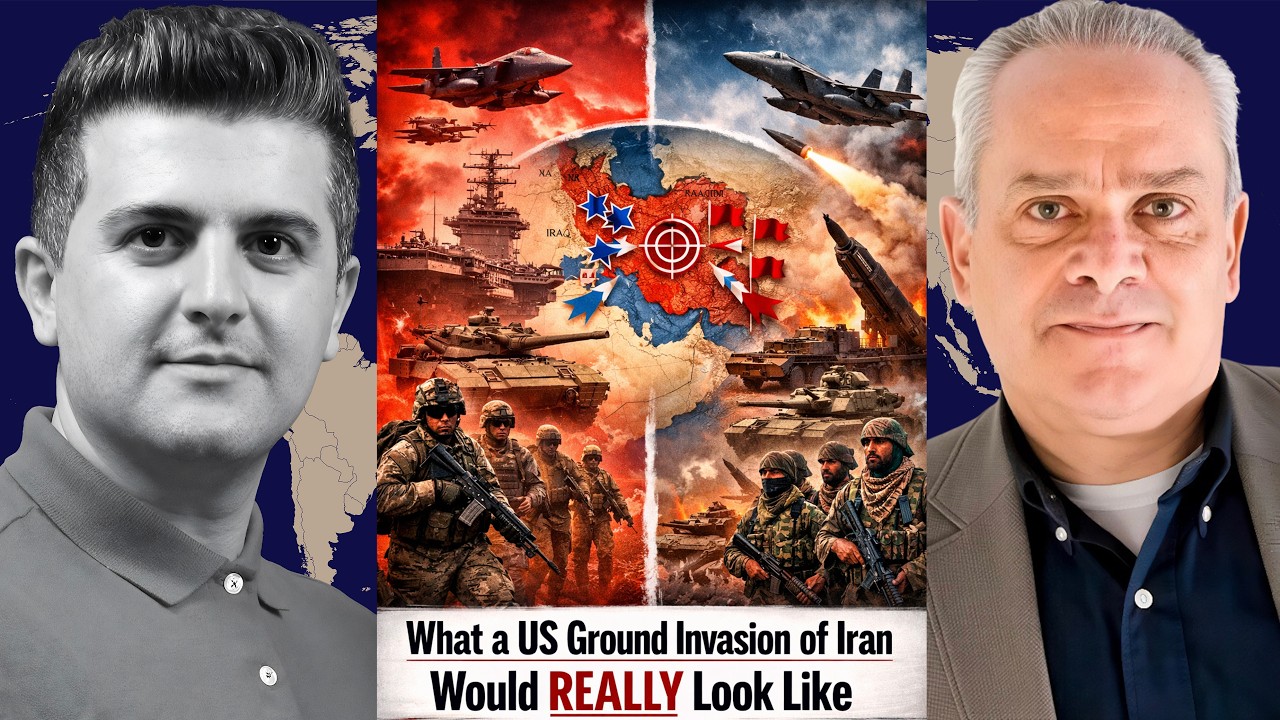
Col. Jacques Baud: What a US Ground Invasion of Iran Would REALLY Look Like
"Colonel Jacques Baud dissects the strategic futility of a US ground invasion of Iran, arguing that current troop levels are insufficient and such an action would backfire, exposing US allies and potentially leading to Iran's nuclearization."