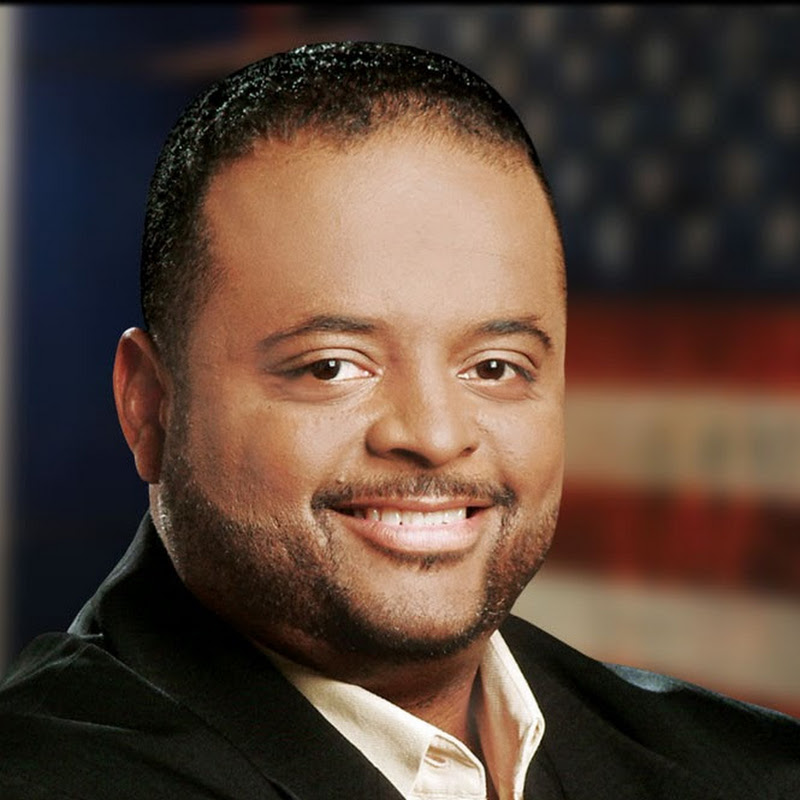
Roland Martin, Elliot Williams on Bernie Goetz. “Five Bullets” & a Nation Divided | #RolandsBookClub
YouTube · _qrhqJaeWL8
Quick Read
Summary
Takeaways
- ❖The Bernard Goetz shooting in 1984 was a continuation of historical American vigilantism, not an isolated event.
- ❖New York City tabloids, particularly the New York Post under Rupert Murdoch, deliberately sensationalized the Goetz story using fear and racial dog-whistles to increase sales.
- ❖Bernard Goetz's actions stemmed from a deep-seated racial animus, which he openly expressed, rather than solely a reaction to an immediate threat.
- ❖The Goetz case became a 'poster boy' for the National Rifle Association's shift towards Second Amendment advocacy and influenced the development of 'Stand Your Ground' laws.
- ❖Black communities consistently navigate a dual reality: desiring public safety and effective policing, while simultaneously fearing police brutality and racial profiling.
- ❖The political and economic climate of 1980s New York City, exacerbated by Reagan-era policies, created a backdrop of urban decay and racial tension that fueled the Goetz narrative.
- ❖Racial judgments and assumptions, often rooted in 'white fear,' permeate various aspects of Black Americans' lives, from personal interactions to professional settings.
Insights
1Vigilantism and Racial Bias as American History
The Bernard Goetz shooting in 1984 was not an anomaly but a recurring pattern in American history where individuals take the law into their own hands, often with racial undertones. This pattern extends from historical lynchings to modern cases like Kyle Rittenhouse and Daniel Penny, where perpetrators are celebrated by a segment of the population.
Host Roland Martin states, 'When this happened in 1984, it was no shock because if you just go through American history, you see this story repeated many, many, many times.' Elliot Williams adds, 'Kyle Rittenhouse... Daniel Penny... these are all people who for whatever reason chose to take the law into their hands and were celebrated by a big portion of people in America.'
2Media's Role in Amplifying Fear and Racial Narratives
New York City tabloids, particularly the New York Post under Rupert Murdoch, actively exploited the Goetz incident to create sensational, fear-driven headlines. This media strategy, rooted in the 'if it bleeds, it leads' adage, fueled racial anxieties and contributed to a climate where 'race and crime together' drove fear, especially among white residents in outer boroughs.
Elliot Williams explains, 'Rupert Murdoch had just bought it [New York Post] and was shifting it toward crime scare and sensation stories... when people are scared, they buy more news.' Roland Martin adds, 'When you put race and crime together, what you are driving is fear.'
3Bernard Goetz's Deep-Seated Racial Animus
Goetz's actions were not merely a spontaneous reaction to a perceived threat but were rooted in pre-existing racial prejudice. His belief that the Black teenagers 'had coming to them what they had coming to them' and his prior racist comments reveal a deeper animus that exploded in the subway incident.
Elliot Williams recounts Goetz's statement: 'He felt those boys had coming to them what they had coming to them. They had criminal records.' Williams also details Goetz being kicked off a co-op board for saying, 'We can't clean this neighborhood up until we get the spicks and out.'
4The Goetz Mindset and the Rise of 'Stand Your Ground' Laws
The Bernard Goetz case served as a precursor and ideological foundation for modern 'Stand Your Ground' laws and the political shift of the NRA. Goetz became a 'poster boy' for the idea that individuals could use lethal force based on perceived fear, a concept that later became codified in self-defense statutes.
Roland Martin states, 'when you talk start talking about Alec and stand your ground, a lot of that frankly is born out of the burn the Bernie gets mindset.' Elliot Williams notes, 'The NRA... used the Bernie Gets case to their sort of great u you know they finally had a poster boy.'
5The Complex Reality of Black Communities and Public Safety
Black communities face a unique dilemma: they desire public safety and demand police services as taxpayers, but simultaneously fear police brutality and racial profiling. This dual perspective means they want crime reduction without being the 'receiving end' of unjustified violence, a nuance often misunderstood by white commentators.
Roland Martin explains, 'black folks say, 'We are constituents... we want services, we don't want crime. We also don't want our asses beat.'' Elliot Williams adds, 'black folks are surprisingly pro public safety... but that also doesn't mean that you go through life expecting... that it's okay to get shot by a cop.'
6Enduring Racial Judgments and 'White Fear'
The 'white fear' that animated the Goetz case continues to manifest in pervasive racial judgments and assumptions about Black individuals. This fear, present since the end of slavery, forces Black people to constantly justify their presence and legitimacy in various spaces, leading to experiences like imposter syndrome and being labeled as 'DEI hires' despite high achievements.
Roland Martin asserts, 'this notion of white fear has been the defining issue since the end of slavery.' Elliot Williams shares personal experiences of being labeled a 'DEI hire' despite multiple Ivy League degrees and a successful career, illustrating how 'you can't shake it.'
Lessons
- Recognize the historical continuity of vigilantism and racial bias in America, understanding that events like the Goetz shooting are part of a larger pattern, not isolated incidents.
- Develop critical media literacy by questioning how crime stories are framed, especially when race is involved, and identifying how fear and sensationalism can be weaponized to manipulate public opinion.
- Challenge the notion that racial animus is an isolated outburst; instead, understand that such expressions often reveal deeply embedded biases that individuals may rationalize or deny.
- Advocate for a nuanced approach to public safety that addresses both crime reduction and the prevention of racial profiling and police brutality, acknowledging the complex needs of diverse communities.
- Reflect on and confront personal biases, recognizing that problematic views and behaviors, including racism, are often present and require admission for true progress and healing.
Quotes
"When you put race and crime together, what you are driving is fear."
"If it bleeds, it leads. Ultimately, if it if people if it bleeds, if it involves violence or scares or crime or whatever else, it'll it'll work as a news story."
"You don't have to be shooting a fire hose with dogs chasing black folks down, shouting the n-word, to have done something that was racially suspect or problematic."
"Those guys needed shooting for starters. That's not why I shot them, but they needed shooting."
Q&A
Recent Questions
Related Episodes

Black Men Created America’s First Paramedics. Freedom House’s Hidden History
"Discover the untold history of Freedom House, where Black men in Pittsburgh founded America's first paramedic service in 1966, revolutionizing emergency medicine despite facing pervasive systemic racism and institutional sabotage."

Alex Krainer: US STRIKES Iran – Iran RETALIATES Against Kuwait, Bahrain & Jordan!
"Amidst escalating US-Iran conflict and Iranian retaliation against regional US allies, this episode argues that US foreign policy is deeply controlled by an 'Anglo-Zionist conspiracy' led by the Rothschild banking dynasty, prioritizing Israeli interests over American ones."

The Lindbergh Conspiracies | Post Mortem
"Explore the enduring mystery of the 1932 Lindbergh kidnapping, from the compromised investigation and Bruno Hauptmann's unfair trial to Charles Lindbergh's controversial character and the modern resurgence of conspiracy theories."

Trump Just ENDED JD Vance’s White House Dreams
"A New York Times article and internal White House dynamics reveal Donald Trump's deep dissatisfaction with J.D. Vance, potentially ending Vance's 2028 presidential ambitions and highlighting a broader struggle for control within the Republican Party."