Trump's Plan to Seize Greenland Would "Militarize the Arctic," Trample Indigenous Rights
YouTube · a0fXZAqjFOQ
Quick Read
Summary
Takeaways
- ❖The Trump administration publicly stated its intention to acquire Greenland, considering both purchase and military options.
- ❖Danish Prime Minister Meta Frederickson warned that a US military attack on Greenland would lead to the collapse of NATO.
- ❖Greenlandic Inuit activist Aayou Peter asserted that Greenland is 'not up for sale' and its people demand self-determination and inclusion in any discussions.
- ❖The US push for Greenland is linked to its vast critical mineral deposits and the desire to control emerging Arctic shipping lanes.
- ❖Experts view the US actions as 'pure imperialism,' undermining international law and potentially militarizing the Arctic.
- ❖The US attack on Venezuela is seen by some Russian commentators as a blueprint for aggressive foreign policy, complicating US-Russia negotiations on Ukraine and arms control.
Insights
1US Pursues Greenland with Military Force as an Option
The Trump administration, through statements from White House press secretary Carolyn Levit and advisor Steven Miller, openly discussed acquiring Greenland, explicitly stating that 'utilizing the US military is always an option.' This approach is framed as a national security imperative, despite existing US military control via a 1951 agreement with Denmark.
White House press secretary Carolyn Levit stated, 'The president and his team are discussing a range of options to pursue this important foreign policy goal.' Steven Miller added, 'Nobody's going to fight the United States militarily over the future of Greenland.'
2Denmark Warns of NATO Collapse if US Attacks Greenland
Danish Prime Minister Meta Frederickson issued a stark warning that a US military attack on Greenland, a NATO country, would lead to the immediate cessation of NATO operations and the security framework established since World War II. This highlights the severe strain on transatlantic alliances.
Meta Frederickson stated, 'If the United States chooses to attack another NATO country militarily, then everything stops. That is including our NATO and thus the security that has been provided since the end of the Second World War.'
3Greenlandic Inuit Demand Self-Determination Amidst Colonial Threats
Aayou Peter, a Greenlandic Inuit activist, articulated the indigenous perspective that Greenland is 'not up for sale' and its people seek independence. She emphasized the historical trauma of being 'twice colonized' (by Denmark and Canada) and the imperative for indigenous voices to be central in any decisions regarding their land and future.
Aayou Peter stated, 'Greenland is not up for sale. That's what Greenland is saying. And Greenland wants its independence.' She added, 'You actually have to have a conversation with the indigenous peoples of Greenland.'
4Greenland's Mineral Wealth and Arctic Shipping Lanes Drive US Interest
The US interest in Greenland is significantly driven by its vast critical mineral deposits, with figures like Peter Thiel and Elon Musk reportedly backing extraction efforts. Additionally, the melting Arctic ice sheet is opening new shipping lanes, which the US seeks to control militarily to compete with Russia's Northern Sea Route.
Pavle Devyatkin noted, 'Trump's push to seize Greenland is also related to the island's vast critical mineral deposits. Billionaires like Peter Teal and Elon Musk are also behind the push to extract these minerals.' He also mentioned, 'Trump wants to use military control over these emerging trade corridors to compete with Russia's northern seaw route.'
5US Actions in Venezuela and Greenland Undermine International Law and US-Russia Relations
The US attack on Venezuela and the threats against Greenland are framed as 'naked imperialism' and 'state terrorism' by some Russian commentators, who see it as stripping away any American pretense of supporting international law. This aggressive posture is severely complicating US-Russia negotiations, particularly regarding Ukraine and the New START treaty.
Pavle Devyatkin reported, 'Russia's UN representative has condemned the attack on Venezuela, calling it a violation of international law, an act of state terrorism.' He added, 'These actions against Venezuela are catastrophic for any potential USRussia negotiations over Ukraine.'
Lessons
- Monitor geopolitical shifts in the Arctic, as the region's strategic importance for resources and shipping lanes is rapidly increasing due to climate change.
- Recognize the critical role of indigenous sovereignty and self-determination in international relations, especially concerning resource-rich territories.
- Understand how 'might makes right' foreign policy approaches can destabilize long-standing alliances like NATO and complicate crucial diplomatic efforts, such as arms control negotiations.
Quotes
"The president and his team are discussing a range of options to pursue this important foreign policy goal. And of course, utilizing the US military is always an option at the commander-in-chief's disposal."
"If the United States chooses to attack another NATO country militarily, then everything stops. That is including our NATO and thus the security that has been provided since the end of the Second World War."
"This is pure imperialism. Trump's claiming that Russian and Chinese ships are all along the coast of Greenland and that Denmark can't protect it. But this is false."
"Greenland is not up for sale. That's what Greenland is saying. And Greenland wants its independence."
"How can Russia negotiate with an America that just demonstrated it will use military force to seize territory and overthrow governments it doesn't like?"
Q&A
Recent Questions
Related Episodes
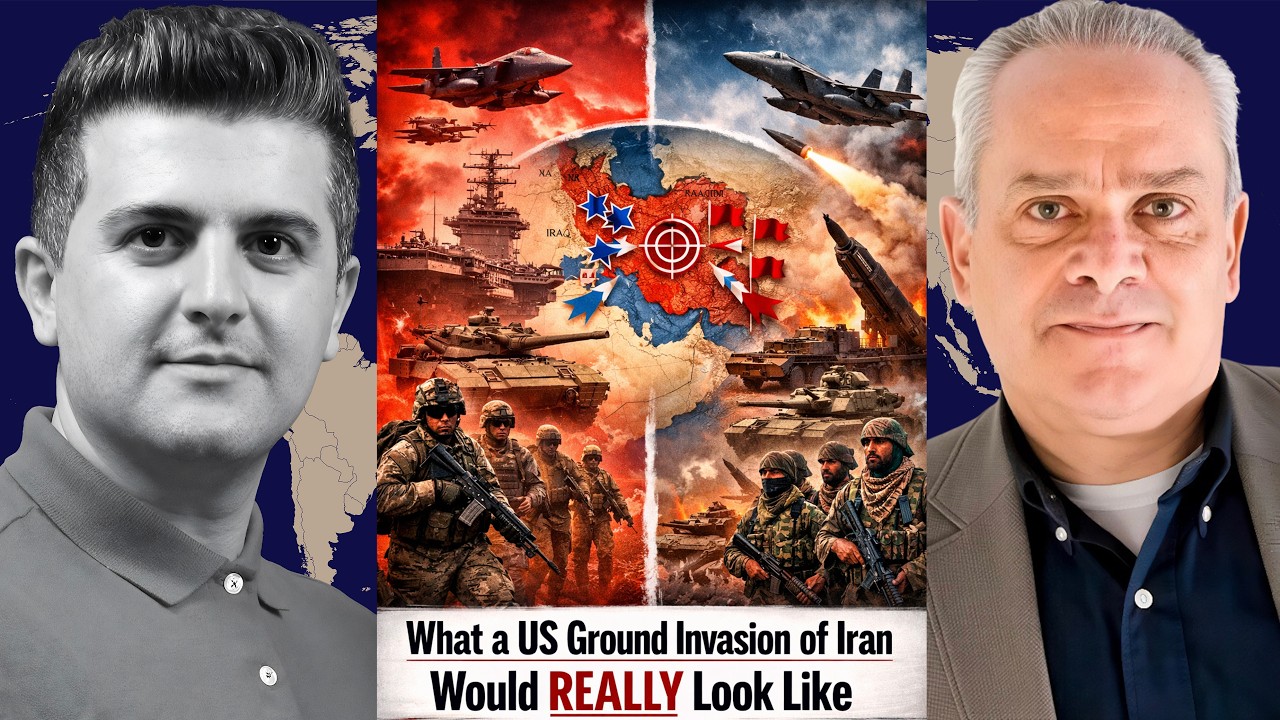
Col. Jacques Baud: What a US Ground Invasion of Iran Would REALLY Look Like
"Colonel Jacques Baud dissects the strategic futility of a US ground invasion of Iran, arguing that current troop levels are insufficient and such an action would backfire, exposing US allies and potentially leading to Iran's nuclearization."

Patrick Henningsen: Hezbollah JUST Fired Back at Israel - Iran Vows to “Crush” All Attacks
"Patrick Henningsen argues that the US and Israel initiated an illegal war against Iran, driven by Trump's incompetence and Israeli influence, leading to an inevitable escalation with severe global economic repercussions."

Col. Jacques Baud: The World Is Entering a Lawless Era
"Colonel Jacques Baud details his personal experience with arbitrary EU sanctions and argues that the world has shifted from a law-based international order to a dangerous, rules-based system dictated by powerful actors, exemplified by US actions in Venezuela and the EU's 'teenager decision-making'."
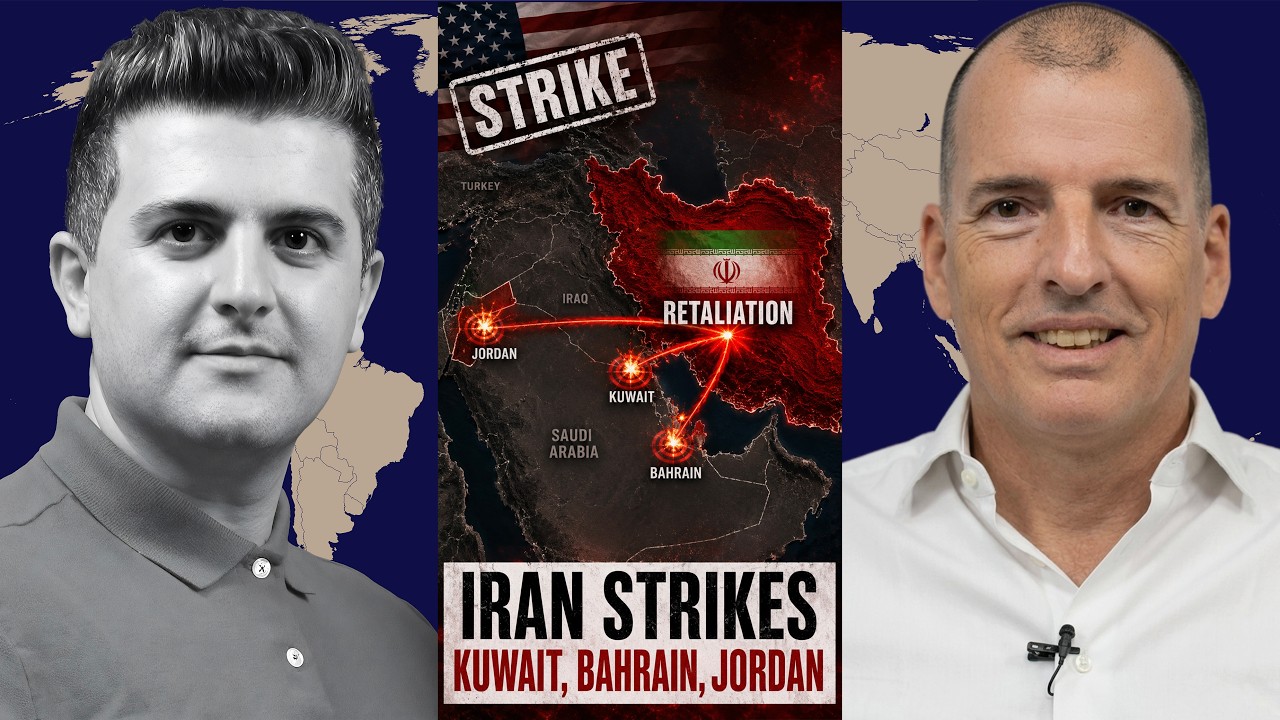
Alex Krainer: US STRIKES Iran – Iran RETALIATES Against Kuwait, Bahrain & Jordan!
"Amidst escalating US-Iran conflict and Iranian retaliation against regional US allies, this episode argues that US foreign policy is deeply controlled by an 'Anglo-Zionist conspiracy' led by the Rothschild banking dynasty, prioritizing Israeli interests over American ones."