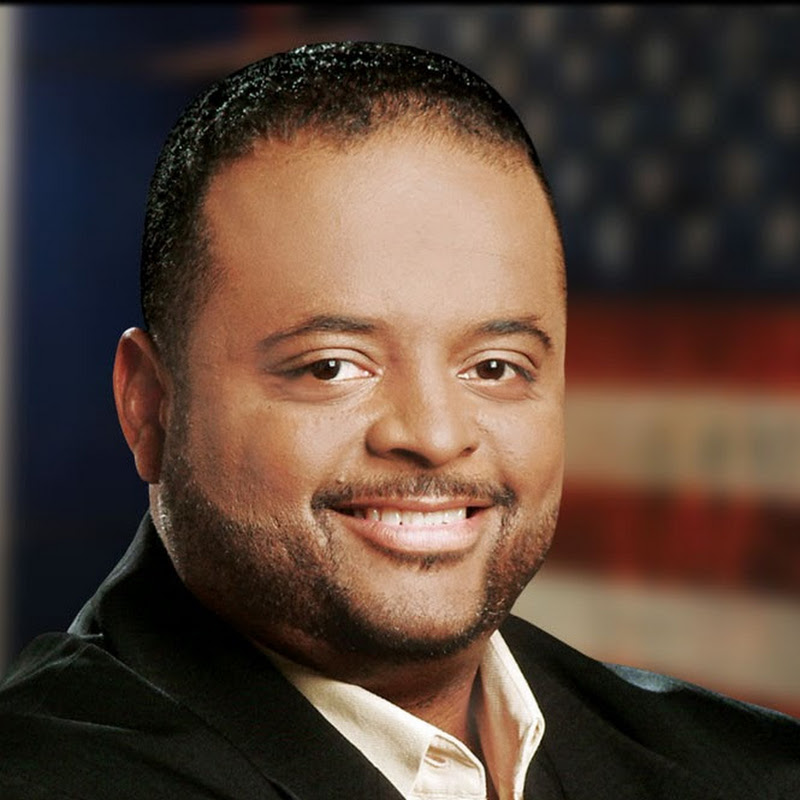
#RolandMartinUnfiltered Presents: “April 4, 1968”
YouTube · b1KkVKKK7JQ
Quick Read
Summary
Takeaways
- ❖MLK's children, particularly Bernice, experienced multi-generational trauma from his assassination and subsequent family tragedies.
- ❖Many close to MLK, including himself, had a premonition of his violent death, yet its occurrence was still devastating.
- ❖Movement leaders consciously suppressed personal grief to maintain momentum and prevent further violence in the immediate aftermath.
- ❖Coretta Scott King displayed extraordinary strength, making critical decisions and comforting her children while privately processing her loss.
- ❖Robert Kennedy provided specific, actionable support to Coretta Scott King, arranging phone lines, a private plane, and hotel accommodations.
- ❖Richard Nixon, then a Republican candidate, privately donated a substantial sum to cover the King children's college education, a little-known act of personal sympathy.
- ❖Clarence Jones, MLK's lawyer, believed the assassination was a 'cold, calculated, premeditated conspiracy' beyond James Earl Ray, a sentiment echoed by former FBI Director James Comey's office display.
Insights
1Childhood Trauma and Delayed Processing of MLK's Death
Bernice King, MLK's youngest daughter, recounts her confusing childhood memories of her father's funeral, where his voice was played but he couldn't speak. She describes a cycle of 'hating, anger' and a lifelong struggle with anger due to the unprocessed trauma of her father's assassination, followed by the mysterious death of her uncle and grandmother within six years. Her mother, Coretta Scott King, focused the children on service, which delayed their emotional processing into adulthood.
Bernice King's recollection of the funeral, hearing her father's voice, and her mother's explanation (); her fear for her mother's safety (); the subsequent deaths of her uncle and grandmother (); her cycle of anger and delayed processing ().
2The Immediate Shift to 'Work Mode' Among Movement Leaders
Several close associates of Dr. King, including Jim Lawson and others, describe an immediate pivot to 'work mode' after his assassination. They felt there was no time to grieve, as the movement needed direction, people needed to be mobilized, and further violence had to be prevented. Personal mourning was often delayed for months, sometimes until July or August, as the urgency of the cause superseded individual sorrow.
Jim Lawson's statement of 'went back to work' and not grieving until July (); another speaker's doctor advising rest after two weeks of continuous work (); the need to mobilize 1300 men and address young people (); the outpouring of support and continued commitment to the march ().
3Robert Kennedy's Practical and Empathetic Response to Coretta Scott King
Zernona Clayton, a close associate, details Robert Kennedy's unique and practical response to Coretta Scott King after MLK's death. While others offered generic condolences, Kennedy immediately arranged for nine additional telephone lines to be installed at the King residence, dispatched a private plane to Memphis to retrieve MLK's body, secured hotel rooms in Atlanta for dignitaries, and sent a team to set up an office to manage the logistics of the funeral and aftermath. This proactive support stemmed from his own experience with assassination.
Robert Kennedy's phone call to Mrs. King, arranging telephone lines, a plane to Memphis, and hotel rooms (); his team setting up an office to govern things (); the recognition that 'he had been through it' ().
4The Belief in a Conspiracy Beyond James Earl Ray
Clarence Jones, MLK's lawyer and speechwriter, firmly believes that James Earl Ray, while likely the trigger-man, did not act alone. He asserts that MLK's assassination was a 'cold, calculated, premeditated conspiracy,' possibly involving figures like the Hunt brothers in Texas. Jones shared this conviction with former FBI Director James Comey, who, while not confirming, did not dismiss the idea, and notably kept a memo authorizing MLK's wiretapping on his desk as a reminder of past FBI misconduct.
Clarence Jones's belief that James Ray pulled the trigger but did not act alone (); his assertion of a 'cold, calculated, premeditated conspiracy' (); his conversation with James Comey and Comey's display of the wiretapping memo ().
Bottom Line
Richard Nixon, then a Republican candidate, made a private, unannounced visit to Coretta Scott King after MLK's death and provided a personal check sufficient to cover the college education of all four King children.
This reveals a rarely acknowledged act of personal sympathy and financial support from a political adversary, suggesting a complex human dimension beneath the public political rivalries of the era. It challenges simplistic narratives of political figures and highlights a shared sense of national tragedy.
Further research into such private, humanitarian gestures across political divides during times of national crisis could offer new perspectives on historical events and leadership.
Clarence Jones, MLK's lawyer, experienced intense anger and considered using his Special Forces training to 'kill' in retaliation for MLK's assassination, before seeking counsel and leaving the country temporarily.
This raw confession from a close associate of a non-violent leader underscores the profound psychological impact and moral challenge posed by MLK's violent death, even on those committed to peace. It illustrates the depth of rage and despair that threatened to unravel the movement's core principles.
Exploring the psychological toll on leaders and activists in non-violent movements facing extreme violence could provide valuable insights into resilience, moral injury, and the mechanisms of maintaining commitment to principles under duress.
Key Concepts
Conquering the Love of Wealth and the Fear of Death
Hosea Williams described MLK as a man who had conquered both the love of wealth and the fear of death, making him 'unstoppable.' This mental model suggests that detachment from material gain and an acceptance of mortality are prerequisites for truly impactful and fearless leadership in pursuit of justice.
Lessons
- Prioritize community and inclusion, actively reaching out to embrace others rather than focusing on exclusivity or division, as a way to honor MLK's legacy.
- Recognize and address unprocessed trauma, both personal and collective, allowing for emotional processing rather than continuously pushing forward without reflection.
- Cultivate a mindset of 'conquering the love of wealth and the fear of death' to achieve true steadfastness and impact in pursuing justice and service, as exemplified by MLK.
- Engage in 'advanced courses for everybody in democracy and diversity' to learn how to actively work with diverse groups and address societal challenges, understanding that it requires continuous effort.
Notable Moments
Coretta Scott King's composure and strength immediately after MLK's death, only breaking down when trying on her funeral headdress.
This illustrates her extraordinary resilience and leadership in the face of immense personal tragedy, highlighting the burden placed upon her to maintain public strength while privately grieving. The headdress moment reveals a rare crack in her stoicism.
The silent embrace between Coretta Scott King and Jacqueline Kennedy at the King residence.
This wordless interaction between two women who had both lost their husbands to assassination conveyed a profound, shared understanding of grief and public burden that transcended race and politics, becoming a poignant symbol of their common experience.
Zernona Clayton's act of mixing dark and light loose powders to cosmetically improve MLK's appearance in his casket after the mortician stated his jaw was 'blown up.'
This intimate and harrowing detail reveals the extent of the violence inflicted upon MLK and the personal, loving efforts made by those close to him to restore his dignity for public viewing, underscoring the raw reality of his assassination.
Quotes
"If a man hadn't found certain worth dying for, he isn't fit to live."
"He conquered the love of wealth and the fear of death."
"You can slay the dreamer but we will keep the dream alive."
Q&A
Recent Questions
Related Episodes

Victor Marx: The Man Who Weaponized Faith. | Candace Ep 329
"Corby Hall, inventor of the Fold AR, details his unsettling encounters with self-proclaimed pastor Victor Marx, exposing alleged spiritual and financial manipulation, including requests for guns for Haiti and attempts to control his business, which the host frames as 'dark psychiatry' and a microcosm of broader societal deception."
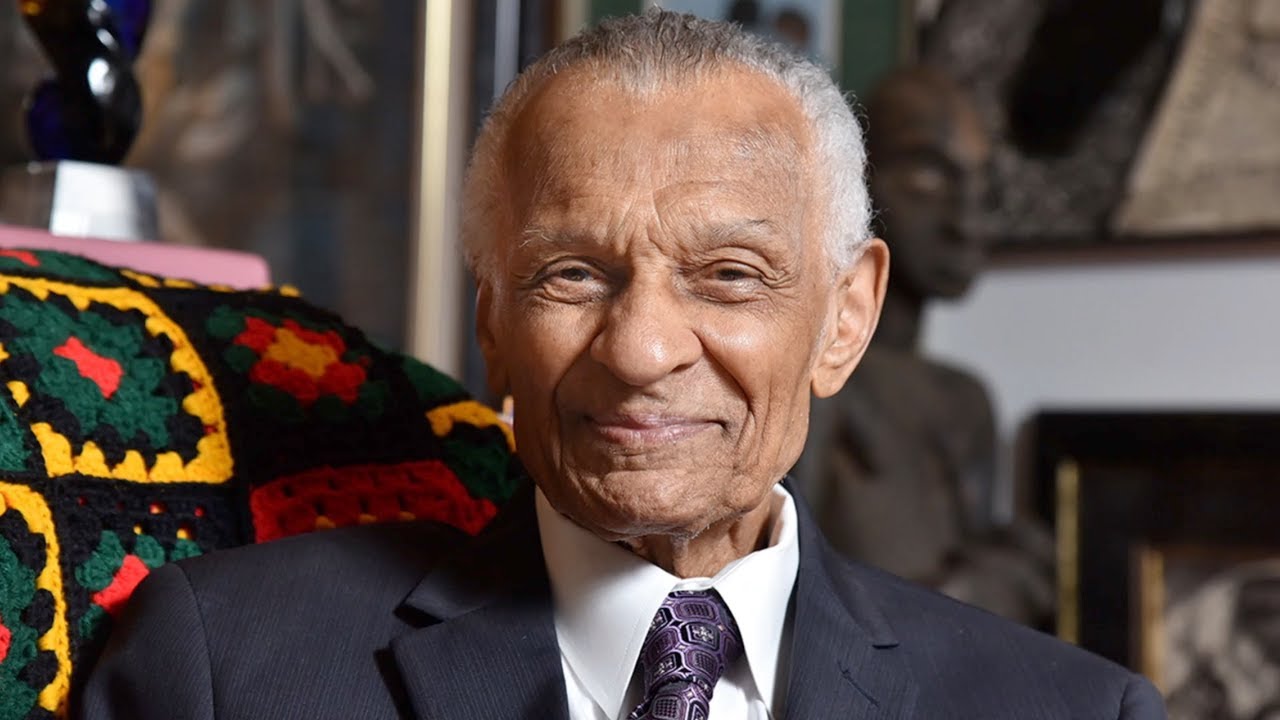
Rev. C.T. Vivian talks MLK and staring death in the face. #MLKDay2026
"Civil Rights icon Rev. C.T. Vivian reflects on a lifetime of struggle, from facing childhood bullies to confronting Jim Clark, and shares his profound insights on the continuous fight for freedom and the true cost of a movement."
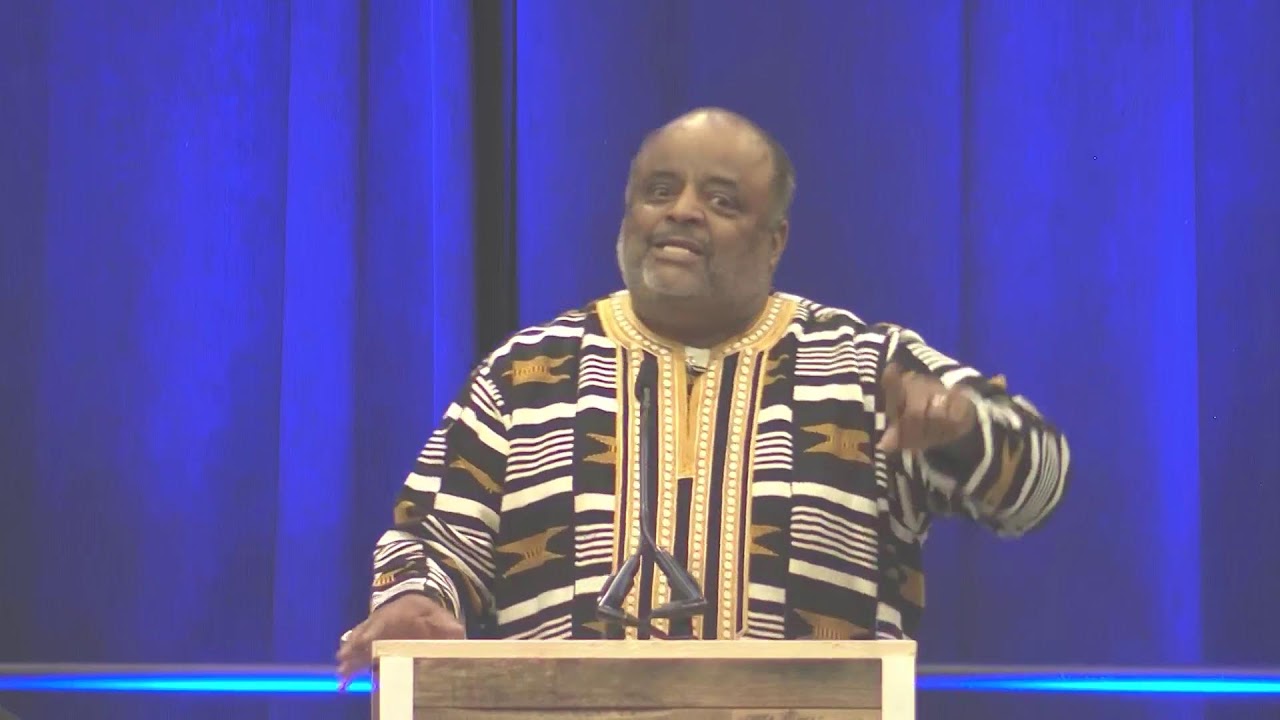
Roland speaks at Columbus Educ. Assoc. MLK Dinner
"Roland Martin challenges the audience at an MLK dinner to move beyond passive celebration and engage in active, sustained political and economic struggle, emphasizing that 'rest time is over' for those seeking real societal change."

Crooners Welcome | This Past Weekend w/ Theo Von #664
"Theo Von shares raw, unfiltered opinions on life's 'greasy' moments, from his unexpected Stagecoach performance as a 'crooner' to his strong stance against AI data centers and candid advice on relationships and fatherhood."