Trump Iran Bombing LIKELY After Venezuela Operation
YouTube · cQ5EjD91lxE
Quick Read
Summary
Takeaways
- ❖The Iranian government should take US threats seriously, as both the US and Israel are likely to strike Iran.
- ❖Trump's 'euphoria' over the Venezuela operation's military success has dangerously skewed his risk assessment for other, more difficult operations like Iran.
- ❖A deliberate campaign is underway to portray Iran as weak, convincing Trump that regime change would be 'easy' and low-cost.
- ❖Israel's objective is not just Iran's nuclear program, but its ability to deter Israel and challenge its regional dominance, now extending to ICBM capabilities.
- ❖Iranian protests, while important, are not historically large enough to indicate an imminent regime collapse, but their imagery is being used to influence Trump.
Bottom Line
Israel's strategic goal in the region is not merely security, but securing its dominance, meaning it seeks total security for itself and total insecurity for potential adversaries like Iran. This drives the continuous shifting of goalposts for intervention, from nuclear programs to ICBMs.
This reframing implies that even if Iran fully complied with nuclear agreements, Israel would find other justifications for intervention as long as Iran retains any deterrent capabilities. It positions the US as a backstop for an Israeli project of regional hegemony, rather than a partner in mutual security.
Policymakers could re-evaluate US-Israel strategic alignment to ensure US interests are not solely serving a dominance agenda that may lead to perpetual conflict. Focus could shift to promoting regional balance and coexistence rather than unilateral dominance.
Trump's primary resistance to military action is not an ideological opposition to war or regime change, but a pragmatic aversion to 'costly and complicated' operations that might make him 'look bad.' If convinced a war will be 'easy,' his resistance significantly diminishes.
This vulnerability makes Trump highly susceptible to narratives that simplify complex geopolitical challenges and promise swift, decisive victories. It creates an incentive for actors seeking intervention to downplay risks and exaggerate the ease of military solutions.
Analysts and media should critically scrutinize 'easy war' narratives, providing robust counter-assessments of potential costs and long-term consequences. Diplomatic efforts should emphasize the inherent complexities and potential quagmires of military interventions to leaders susceptible to such framing.
Lessons
- Recognize that perceived 'easy' military successes can dangerously influence leaders' risk assessments for future, more complex interventions.
- Scrutinize the stated justifications for military action, as they can shift (e.g., from nuclear programs to ICBMs) to align with broader strategic goals like regional dominance.
- Be aware that internal dissent in adversarial nations can be strategically amplified and misrepresented to justify external intervention and promote narratives of 'easy' regime change.
Quotes
"I think the Iranian government would be extremely mistaken if it didn't take it seriously that both the United States and Israel are likely to strike Iran."
"Trump is quite surprised and quite euphoric about the success, the military aspect of Venezuela, and that has now skewed his risk assessment of what other operations that may be tremendously different and far more difficult."
"It is not about security for Israel. It's about securing Israel's dominance. Not actual security, but dominance."
"If you can convince him that the war will be easy, if you can convince him that regime change will be easy, then I don't think he has a tremendous amount of resistance."
Q&A
Recent Questions
Related Episodes

Will Venezuela Be Trump's Vietnam?
"An expert breaks down three perilous pathways for Venezuela under potential US intervention, from a 'Panamanian model' to a 'Libyan-style civil war,' and the broader geopolitical fallout for Latin America."
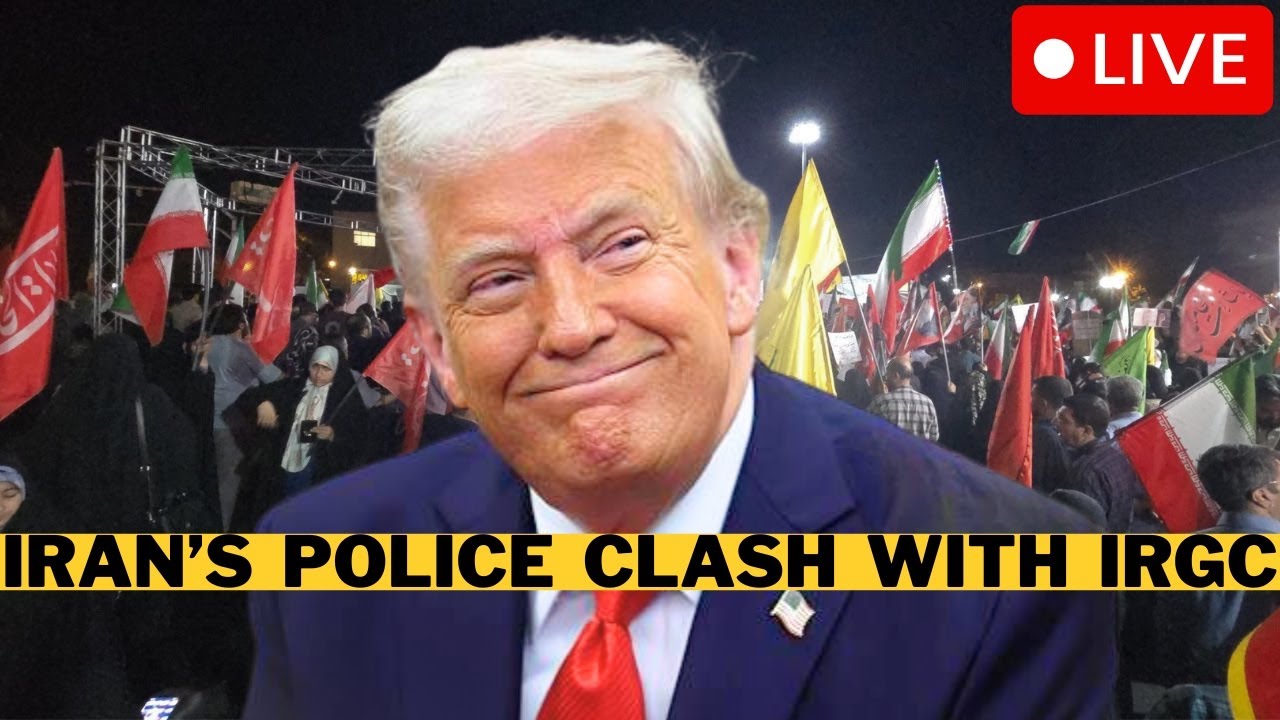
BREAKING: Protests ERUPT In Iran Over IRGC Surrendering To Trump - Infighting Clashes In Tehran
"Iran is experiencing severe internal infighting and protests as hardline IRGC elements clash with government figures over a perceived 'surrender' to the US, while mainstream Western media misrepresents the situation."
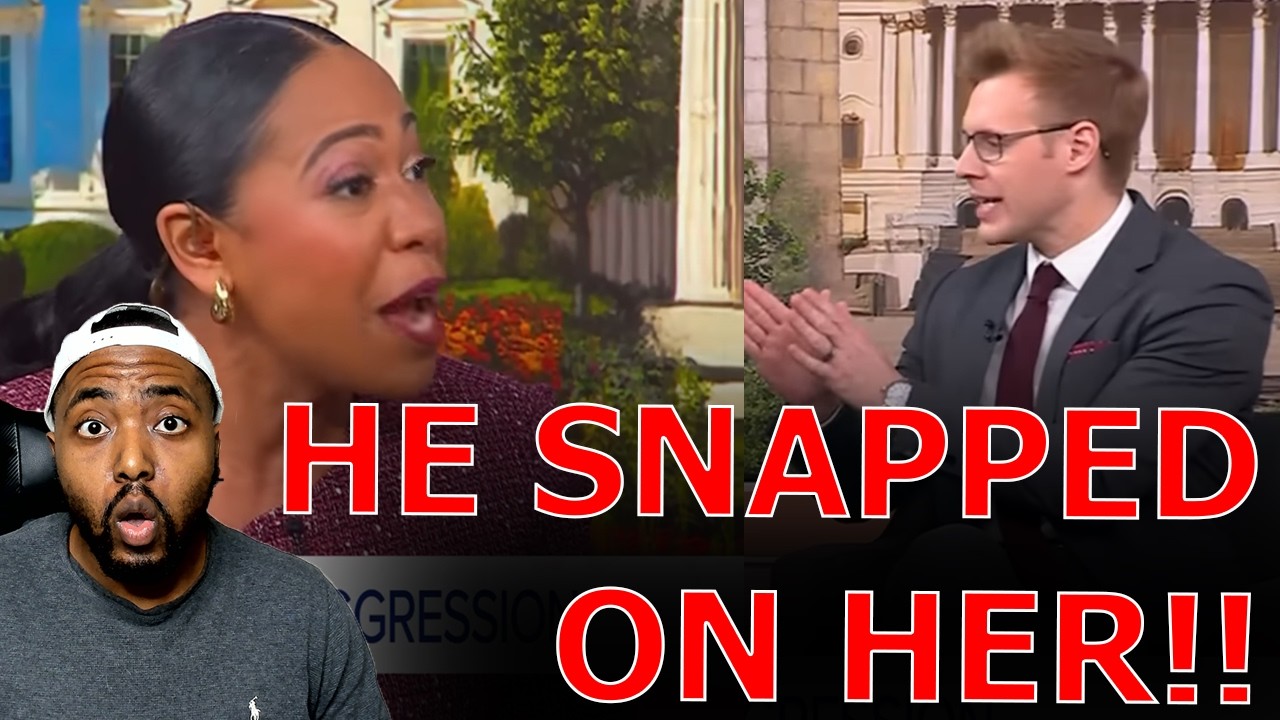
Robby Soave GOES OFF On ANNOYING Liberal Black Woman Making Emotional Trump Deranged Arguments!
"The host dissects a heated foreign policy debate, arguing that 'left-wing' emotionalism and 'Trump derangement' prevent a rational understanding of US sanction strategies against Cuba and Iran."

Bibi DEMANDS Ground Troops As Marines Rushed to Iran
"Benjamin Netanyahu is pushing for US ground troops in Iran, framing air strikes as insufficient, while the US rushes Marines to the region and struggles to secure the Strait of Hormuz against surprisingly capable Iranian defenses."