BREAKING: Iran's Ayatollah Threatens To SINK U.S. Carrier; IDF Preps War Scenario | TBN Israel
YouTube · dKx1o6uv4EY
Quick Read
Summary
Takeaways
- ❖Iran's Supreme Leader Ayatollah Ali Khamenei issued a direct threat to sink U.S. aircraft carriers, an unprecedented escalation.
- ❖The IRGC conducted military drills in the Strait of Hormuz, including missile launches and a simulated oil tanker takeover, temporarily closing the vital shipping route.
- ❖The U.S. deployed the Gerald R. Ford aircraft carrier, F-35s, F-22s, F-16s, and air defense systems to the Middle East.
- ❖Iran's negotiation strategy involves 'double diplomacy': expressing optimism in talks while refusing to discuss ballistic missiles, proxy groups, or zero uranium enrichment.
- ❖Israel's IDF is increasing preemptive strikes against Hezbollah in Lebanon, targeting launchers and weapons depots to counter potential Iranian proxy attacks.
- ❖Hamas is re-establishing internal control and rearming in Gaza, deploying police ahead of Ramadan and smuggling in weapons, despite ongoing IDF operations.
Insights
1Iran's 'Double Diplomacy' Strategy
Iran is employing a two-pronged approach: engaging in indirect nuclear talks in Geneva with claims of 'progress' and 'constructive proposals,' while simultaneously issuing direct military threats and conducting provocative drills. This strategy aims to buy time, reduce pressure, and project strength without appearing to concede.
Supreme Leader Khamenei threatened to sink U.S. aircraft carriers (, , ). The IRGC conducted military drills in the Strait of Hormuz, including missile launches and a simulated oil tanker takeover, temporarily closing the strait (, , , ). Iranian diplomats spoke of 'progress' and 'draft agreements' in Geneva (, , , ).
2Escalating U.S. Military Posture in the Region
The United States is significantly bolstering its military presence in the Middle East in response to Iranian threats and actions. This includes deploying major naval assets, advanced fighter jets, and air defense systems, signaling a readiness to counter any aggression.
The Gerald Ford aircraft carrier is en route to the Middle East (, , ). The U.S. deployed dozens of land-based aircraft, including F-35s, F-22s, and F-16s, and moved refueling aircraft closer to the region (). Air defense systems were deployed, and some units were ordered to extend their stay (). Military cargo movements continued to Jordan, Bahrain, and Saudi Arabia ().
3Iran's Non-Negotiable Red Lines
Despite engaging in talks, Iran maintains firm red lines, refusing to discuss its ballistic missile program, support for regional proxy groups, or the demand for zero uranium enrichment. This stance creates significant gaps in negotiations, particularly from the U.S. and Israeli perspectives.
Iran rejects talks about ballistic missiles and support for proxy organizations, stating these are 'none of America's business' (, , , ). Iran rejects zero uranium enrichment, calling it an 'obvious right' and 'vital need' (, ). Iranian President Mas Pesan stated Iran will 'never abandon its nuclear program' ().
4IDF's Proactive Strikes Against Hezbollah in Lebanon
The IDF is conducting systematic and increasing strikes against Hezbollah targets in Lebanon. This proactive approach aims to degrade Hezbollah's capabilities and prevent it from rebuilding its force structure, anticipating its potential use by Iran as a proxy to retaliate against U.S. military actions.
IDF is increasing the pace of strikes under Hezbollah terrorist positions in Lebanon, focusing on launchers and weapons depots (, , ). The IDF assesses Iran is rebuilding terrorist organizations in Lebanon to challenge Israel if the U.S. attacks Iran (). The IDF is targeting Hezbollah representatives responsible for rehabilitating the organization's activities ().
5Hamas's Resurgence and Rearmament in Gaza
Hamas is actively working to re-establish internal control and rearm in the Gaza Strip, deploying its police apparatus and smuggling weapons. This activity occurs despite ongoing IDF operations, indicating Hamas's unchanged motivations and preparation for future conflict, especially ahead of Ramadan.
Hamas's police mechanism is deploying in vital areas across the Gaza Strip ahead of Ramadan to organize daily life and maintain calm, but in practice, it signals they are 'still in charge' (, ). Hamas is using the time to smuggle in fresh supplies of weapons and ammunition (, ). Hamas refuses to disarm, stating its struggle is 'just' and October 7 was 'very important' (, ).
Lessons
- Monitor global oil markets closely for volatility, as military drills and geopolitical tensions in the Strait of Hormuz can cause rapid price fluctuations.
- Recognize the 'double diplomacy' tactic employed by state actors like Iran, where diplomatic engagement is paired with aggressive military signaling, to better interpret international relations.
- Stay informed about military deployments and preemptive actions in the Middle East, as these indicate potential flashpoints and the readiness of various actors for conflict.
Notable Moments
Iran's Supreme Leader directly threatens to sink U.S. aircraft carriers for the first time.
This marks a significant escalation in rhetoric, moving beyond general threats to target specific, high-value U.S. military assets, indicating a heightened state of confrontation.
IRGC conducts live-fire military drill in the Strait of Hormuz, simulating an oil tanker takeover and temporarily closing parts of the strait.
This demonstration of force in a critical global choke point directly impacts international shipping and oil markets, sending a clear message of Iran's capability and willingness to disrupt global trade.
U.S. deploys Gerald Ford aircraft carrier, F-35s, F-22s, F-16s, and air defense systems to the Middle East.
The substantial increase in U.S. military presence signals a robust deterrence posture and readiness to respond to Iranian aggression, raising the stakes in the region.
IDF increases preemptive strikes against Hezbollah in Lebanon, targeting key personnel and infrastructure.
This proactive strategy aims to degrade Hezbollah's capabilities before it can be used by Iran as a proxy, highlighting Israel's determination to prevent a multi-front conflict.
Hamas deploys police apparatus in Gaza ahead of Ramadan and continues rearmament efforts, despite ongoing IDF operations.
This indicates Hamas's resilience and continued intent to maintain control and capability for future attacks, underscoring the persistent security challenge in Gaza even during periods of relative calm.
Quotes
"The strongest army in the world can sometimes take such a blow that it cannot recover from. More dangerous than the aircraft carrier is the weapon that can sink it down deep."
"Iran will never abandon its nuclear program because it is for peaceful purposes."
"We will not hand over a single bullet north of the Litani River."
Q&A
Recent Questions
Related Episodes
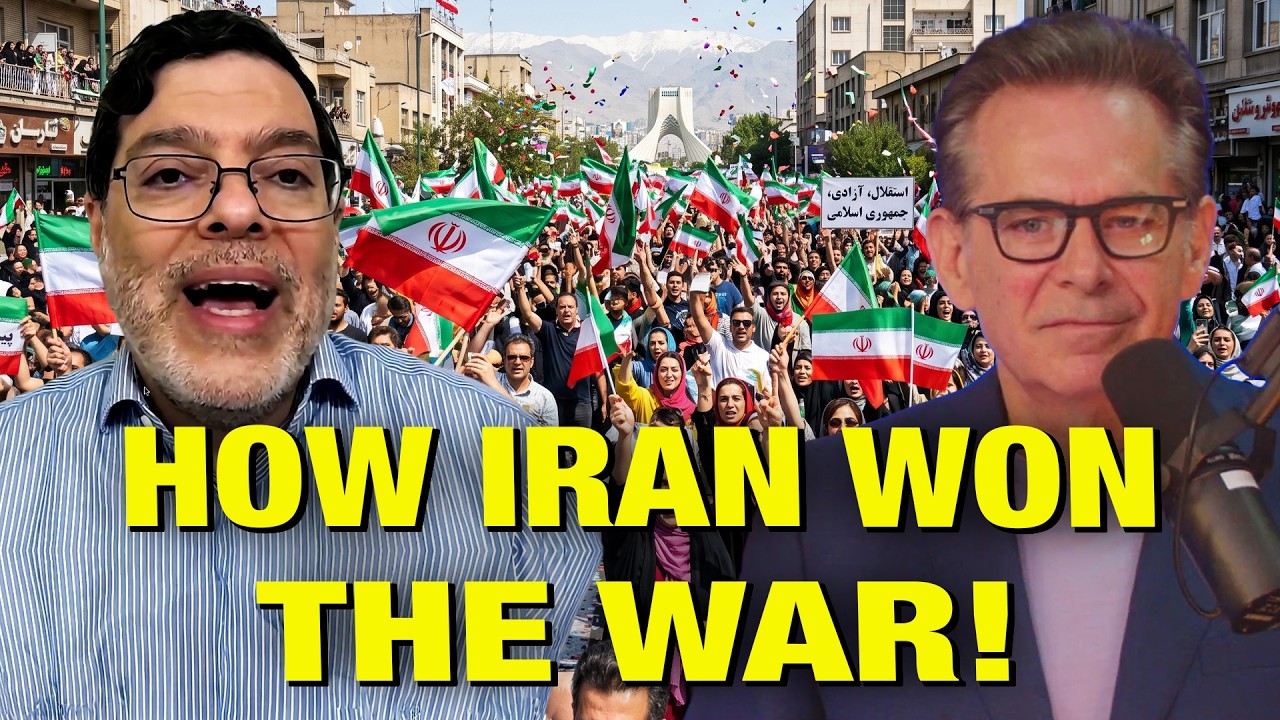
The REAL Story About The War From INSIDE IRAN! – Jimmy Interviews Prof. Marandi
"Professor Marandi, an Iranian academic, details how Iran emerged stronger from recent conflicts, now controlling the Strait of Hormuz and possessing a credible deterrent against its adversaries, despite facing economic siege and Western-backed regional proxies."

BREAKING: Iran Threatens To END Talks; U.S. Vows Retaliation; Hezbollah Collapsing? | TBN Israel
"Iran is leveraging Hezbollah and the Strait of Hormuz to manipulate US negotiations, while Israel asserts its right to dismantle Hezbollah's eroding but still dangerous infrastructure in Lebanon, independent of international talks."

Larry Johnson & Col. Wilkerson: 4 US Warships Tried to Enter Strait of Hormuz – Then Iran Launched
"A critical analysis reveals escalating US-Iran military confrontations in the Strait of Hormuz, a stark disconnect in diplomatic rhetoric, and a significant geopolitical realignment in the Middle East away from US influence."
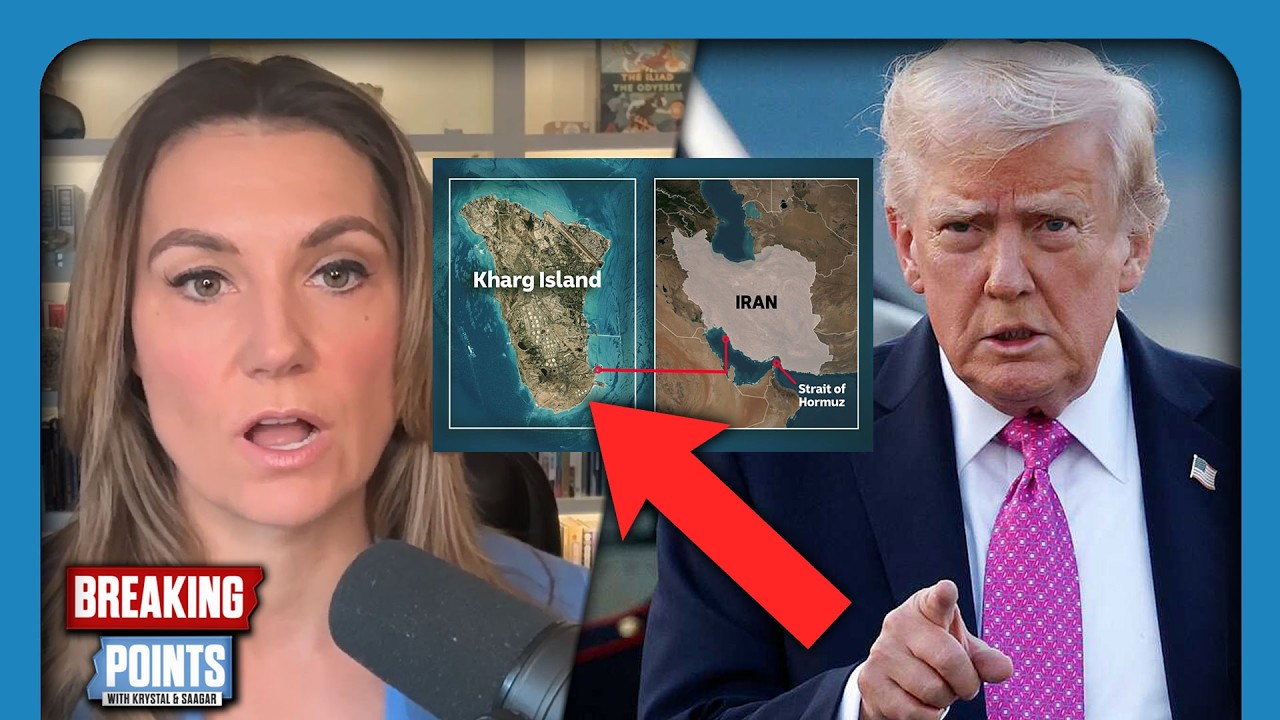
BREAKING: TRUMP ATTACKS OIL ISLAND, MARINES CALLED IN, 5 US PLANES HIT
"The US-Iran conflict escalates with a Trump-ordered strike on Iran's Karg Island, triggering Iranian retaliation against UAE oil facilities and US military assets, while the US deploys Marines and Israel plans a ground invasion of Lebanon."